C D H: What Patients Need to Know

C D H usually means congenital diaphragmatic hernia, a birth defect affecting the diaphragm and lung development. Symptoms often appear before birth on ultrasound or shortly after birth as breathing difficulty.
Key Takeaways
- C D H usually means congenital diaphragmatic hernia, a birth defect affecting the diaphragm and lung development.
- Symptoms often appear before birth on ultrasound or shortly after birth as breathing difficulty.
- Treatment focuses on stabilizing the baby first and repairing the diaphragmatic opening with surgery.
- Care is typically provided by a multidisciplinary team that may include neonatologists, pediatric surgeons, and cardiology specialists.
- The outlook varies depending on lung development, the size of the defect, and whether other health conditions are present.
C D H most commonly stands for congenital diaphragmatic hernia, a condition present at birth in which a hole in the diaphragm allows abdominal organs to move into the chest. This can affect lung development and breathing after birth, but careful diagnosis, specialized newborn care, and surgery can help many babies receive appropriate treatment.
What C D H Means
C D H usually refers to congenital diaphragmatic hernia. In this condition, the diaphragm, the muscle that separates the chest from the abdomen, does not form completely during fetal development. Because of this opening, organs such as the stomach, intestines, spleen, or part of the liver can move up into the chest.
The main concern in congenital diaphragmatic hernia is not only the opening itself. When abdominal organs take up space in the chest, the lungs may not have enough room to grow normally before birth. This can lead to underdeveloped lungs and, in some babies, high pressure in the blood vessels of the lungs after delivery.
Many families first hear about C D H during pregnancy after a routine ultrasound. Others learn about it right after birth if a newborn has trouble breathing. Although the diagnosis can feel overwhelming, modern neonatal and surgical care has improved how babies with this condition are assessed and treated.
How C D H Affects the Body
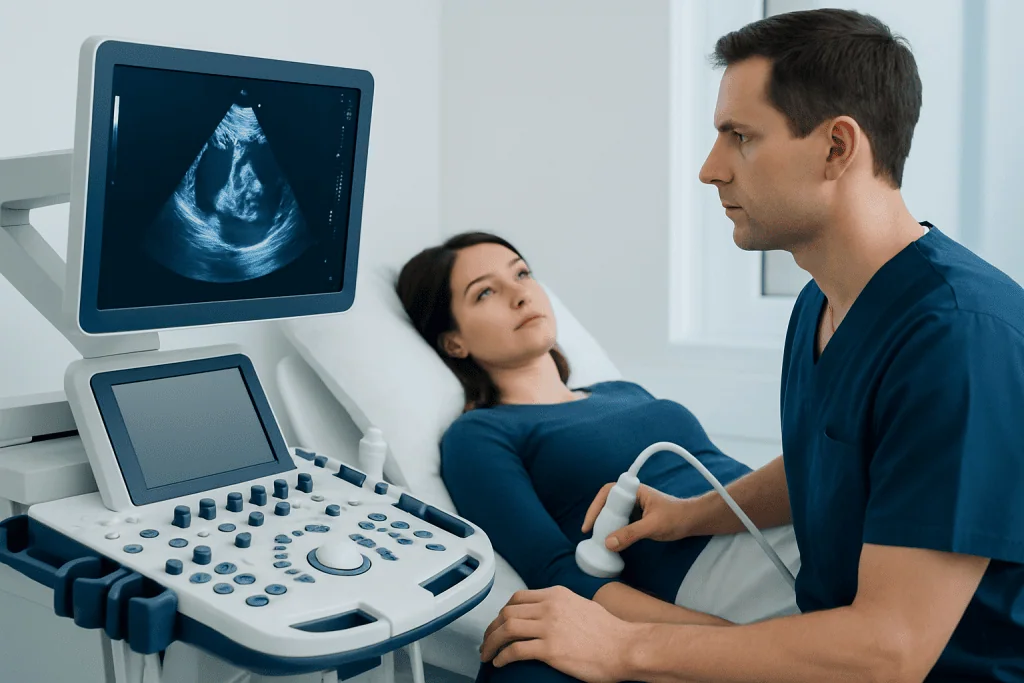
The diaphragm plays an essential role in breathing. When there is a defect in this muscle, the normal position of organs changes, and the lungs may be compressed. This often affects one side of the chest, most commonly the left side, though right-sided and bilateral cases can also occur.
The degree of lung underdevelopment can vary widely. Some babies have milder disease and respond well to routine breathing support. Others may have more significant lung hypoplasia and <a href="https://acibademinternational.com/diseases/pulmonary-hypertension/”>pulmonary hypertension, meaning the blood vessels in the lungs are tighter than expected, making oxygen transfer more difficult.
C D H can also occur along with other congenital conditions. These may involve the heart, digestive system, chromosomes, or other parts of the body. For this reason, doctors usually recommend a careful full-body evaluation rather than focusing only on the diaphragm.
Parents may also hear related terms during care planning, including diaphragmatic hernia and pulmonary hypertension. These terms help describe the anatomy and the effects the condition may have on breathing and circulation.
Symptoms Before and After Birth

During pregnancy, C D H may be suspected on a prenatal ultrasound. The scan may show abdominal organs in the chest, a shifted heart, or signs that one or both lungs are smaller than expected. In some cases, extra amniotic fluid can also be present. Doctors may recommend fetal MRI or specialized ultrasound to better understand the anatomy.
After birth, symptoms usually relate to breathing. A newborn with C D H may breathe rapidly, appear to struggle for air, have low oxygen levels, or develop a bluish color around the lips or skin. The chest may look uneven, and the abdomen may appear less full because some abdominal organs are located higher in the chest.
Not every case presents in the same way. Rarely, a smaller diaphragmatic defect may be recognized later in infancy or childhood, especially if symptoms are mild. In these situations, a child may have:
- Breathing problems or repeated chest infections
- Feeding difficulties or vomiting
- Poor weight gain
- Abdominal or chest discomfort
Because these signs can overlap with other conditions, medical assessment and imaging are important to confirm the cause.
Causes and Risk Factors
C D H develops early in pregnancy while the diaphragm is forming. In most cases, there is no single clear cause identified. It is usually considered a congenital condition that happens because of complex developmental factors rather than anything a parent did or did not do.
Some babies with C D H have associated genetic or chromosomal differences, while many do not. A family history of congenital anomalies may slightly raise concern in some situations, but most cases occur without a known inherited pattern. If the condition is diagnosed before birth, genetic counseling may help families understand whether additional testing is recommended.
Doctors also look for related structural conditions, especially heart abnormalities. This is one reason fetal echocardiography or newborn heart imaging may be part of the evaluation. A complete assessment helps guide treatment planning and gives families a clearer picture of the baby’s overall health needs.
How C D H Is Diagnosed
Prenatal diagnosis often begins with routine obstetric ultrasound. If C D H is suspected, the pregnancy may be referred to a fetal medicine team for more detailed imaging. Specialists often assess which organs have moved into the chest, how much the lungs appear affected, and whether other anomalies are present.
Additional tests may include fetal MRI, fetal echocardiography, and genetic testing when appropriate. These tools do not predict every outcome, but they can help estimate severity, prepare for delivery, and coordinate care at a center with neonatal intensive care and pediatric surgery expertise.
After birth, doctors usually confirm the diagnosis with a chest X-ray and clinical examination. Blood tests, oxygen monitoring, and heart ultrasound may be used to assess how the lungs and circulation are functioning. In some children diagnosed later, imaging may include ultrasound or CT depending on the situation and the need to clarify anatomy.
Some babies also need evaluation by pediatric heart specialists because circulation through the lungs is closely linked to recovery. In that context, pediatric cardiology care may be part of the broader treatment plan.
Treatment Options and Ongoing Care
Treatment for C D H usually begins with stabilization rather than immediate surgery. After birth, the first goal is to support breathing and circulation while avoiding unnecessary stress on the lungs. Many babies need care in a neonatal intensive care unit, with careful oxygen support, ventilator management, and monitoring for pulmonary hypertension.
Once the baby is stable enough, surgery is performed to return the abdominal organs to the abdomen and close the hole in the diaphragm. The exact method depends on the size and location of the defect. Some openings can be closed directly, while larger ones may require a patch. Families may hear about pediatric surgery as the key treatment involved in repair.
In selected cases, doctors may use additional advanced support. This can include medications for pulmonary hypertension, nutritional support, and careful follow-up for feeding or growth concerns. Some babies with severe respiratory compromise may require highly specialized intensive therapies before surgery can safely take place.
Recovery does not always end with the operation. Follow-up may involve breathing assessment, growth monitoring, reflux management, developmental review, and repeat imaging when needed. If the lungs remain significantly affected, some children may benefit from ongoing support through pediatric pulmonology services. At experienced centers, care is coordinated by a multidisciplinary team, and Acibadem International’s JCI-accredited hospitals provide diagnosis and treatment for international patients with complex pediatric conditions.
Long-Term Outlook, Daily Care, and Prevention
There is no known way to prevent most cases of congenital diaphragmatic hernia because it develops before birth and usually has no avoidable cause. What can help is early recognition, delivery planning in an appropriate center, and structured follow-up after treatment. This can reduce complications and support feeding, growth, and development.
The long-term outlook varies from child to child. Important factors include how well the lungs developed, whether pulmonary hypertension is present, the size of the diaphragmatic defect, and whether other congenital conditions exist. Many children do well with treatment, though some continue to need monitoring for breathing issues, gastroesophageal reflux, chest shape changes, or recurrence of the hernia.
At home, parents are usually advised to watch feeding tolerance, weight gain, breathing pattern, and overall energy. Keeping routine pediatric appointments is important. Some children may need input from specialists in nutrition, rehabilitation, or developmental care as they grow.
Families can support recovery by following postoperative instructions carefully, attending scheduled scans or clinic visits, and seeking help if symptoms change. If a child has related airway or chronic lung concerns, doctors may also assess for conditions that overlap with pulmonary hypertension or other respiratory issues.
When to Seek Medical Care
Medical care should be sought promptly if a newborn or child has trouble breathing, looks blue or pale, feeds poorly, vomits repeatedly, or seems unusually sleepy or distressed. These symptoms do not always mean C D H, but they need urgent medical evaluation, especially in a baby.
Parents of a child already treated for C D H should contact their doctor if they notice increasing breathing effort, persistent cough, poor growth, abdominal swelling, repeated vomiting, or signs of pain. These symptoms may suggest reflux, infection, or, less commonly, recurrence of the hernia.
During pregnancy, anyone told that a fetus may have C D H should ask for referral to a maternal-fetal medicine team and pediatric surgical center. Early specialist review can help families understand the diagnosis, prepare for delivery, and plan the first steps of newborn care in a calm, informed way.
Frequently asked questions
What does c d h stand for in medicine?
In this context, c d h usually stands for congenital diaphragmatic hernia. It is a birth defect in which part of the diaphragm does not form normally, allowing abdominal organs to move into the chest.
Is C D H always found during pregnancy?
No. Many cases are detected on prenatal ultrasound, but some are diagnosed only after birth when a baby has breathing problems. Rarely, milder cases may be discovered later in infancy or childhood.
Can a baby with C D H survive?
Many babies with C D H can be treated, but the outlook depends on how well the lungs developed and whether other medical conditions are present. Specialized neonatal and surgical care is important because severity can vary widely from one baby to another.
Why is surgery not always done immediately after birth?
Doctors often stabilize breathing and circulation first because the lungs may be fragile and underdeveloped. Surgery is usually safer once the baby is more stable and better supported.
Can C D H come back after repair?
In some children, the hernia can recur after surgery, especially if the original defect was large. Regular follow-up helps doctors check healing, breathing, growth, and any signs that further evaluation is needed.
Will a child need long-term follow-up after C D H treatment?
Often, yes. Follow-up may include monitoring of lung function, feeding, reflux, growth, and development. Some children recover with relatively limited follow-up, while others need longer-term specialist care.
References
- World Health Organization
- Centers for Disease Control and Prevention
- National Institute of Child Health and Human Development
- American Academy of Pediatrics
- MedlinePlus
This article is for general information only and is not a substitute for professional medical advice. Please consult a qualified doctor about your individual situation.
Persistent digestive symptoms? Get evaluated in Turkey
JCI-accredited · board-certified surgeons · reply within 24h
Add us as a Preferred Source to see more of our trusted health content across Google Search, AI Overviews and Discover.