Cal Peg Chemo: How It Works, Results and What to Expect

Cal peg chemo is not one universal regimen; the term may be used differently between cancer centers and should be clarified with the treating team. Pegfilgrastim helps lower the risk of febrile neutropenia after chemotherapy by stimulating white blood cell production.
Key Takeaways
- Cal peg chemo is not one universal regimen; the term may be used differently between cancer centers and should be clarified with the treating team.
- Pegfilgrastim helps lower the risk of febrile neutropenia after chemotherapy by stimulating white blood cell production.
- Chemotherapy can begin damaging sensitive cancer cells soon after treatment, but response is usually assessed over several weeks or treatment cycles.
- Blood tests, scans and symptom changes—not symptoms alone—help doctors determine whether treatment is working.
- Fever during chemotherapy may be urgent, especially when white blood cell counts are low.
Cal peg chemo commonly refers to a chemotherapy plan supported by pegfilgrastim, a medicine that helps the body rebuild infection-fighting white blood cells after treatment. The exact medicines, schedule and expected results vary by cancer type, so the oncology team tailors each plan and monitors response closely.
Overview: What Is Cal Peg Chemo?
“Cal peg chemo” is an informal term that can mean different things depending on the cancer center and diagnosis. In many settings, it refers to a chemotherapy treatment plan given alongside pegfilgrastim, a long-acting medicine that supports recovery of neutrophils, the white blood cells that help fight infection. A person should ask their oncologist to write down the exact drug names in their own regimen.
Cal peg chemotherapy is therefore best understood as a treatment approach rather than a single standard protocol. Chemotherapy medicines are selected according to the type, stage and biology of cancer, whether treatment is intended before or after surgery, and a person’s general health. Pegfilgrastim may be recommended when the chemotherapy regimen carries a meaningful risk of lowering neutrophil counts.
The goals of treatment may include curing cancer, reducing the chance of recurrence, shrinking a tumor before another treatment, controlling cancer growth, or easing cancer-related symptoms. The oncology team reviews the expected benefit, possible side effects and alternatives before treatment begins.
How Cal Peg Chemo Works
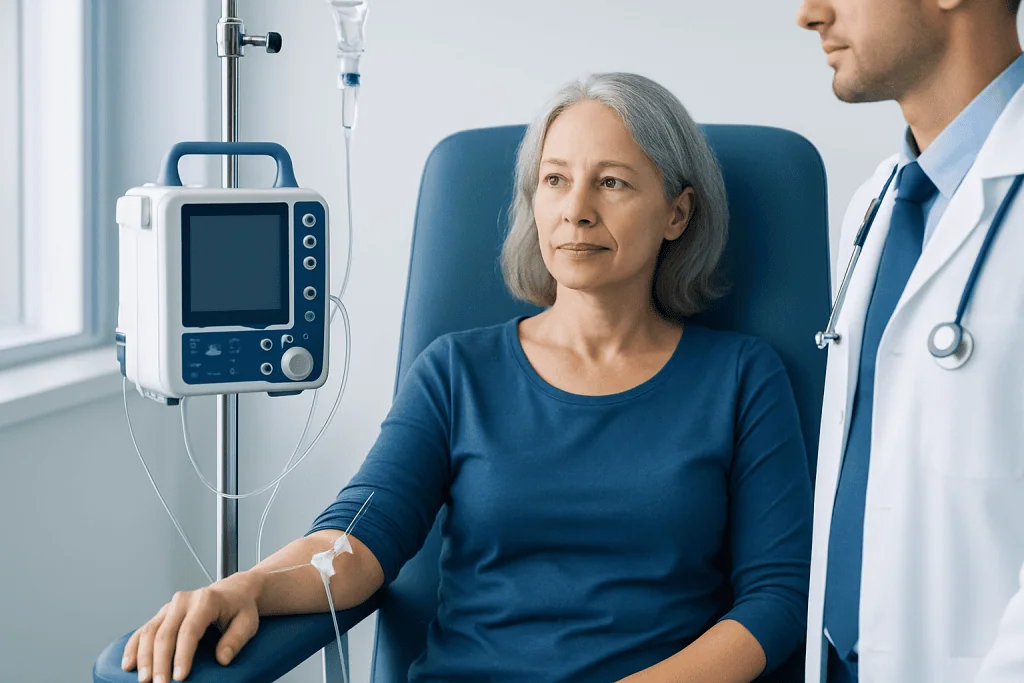
The cal peg mechanism of action has two parts. Chemotherapy acts on cancer through different pathways depending on the medicines used. Many chemotherapy drugs damage DNA, interfere with cell division, or block processes cancer cells need to grow. Because cancer cells often divide more rapidly than normal cells, they can be especially vulnerable to these treatments.
However, chemotherapy can also affect healthy fast-growing cells, including cells in the bone marrow. This can reduce neutrophil levels and increase the chance of infection. Pegfilgrastim is a granulocyte colony-stimulating factor (G-CSF). It signals the bone marrow to make and release more neutrophils after chemotherapy.
Pegfilgrastim does not treat cancer directly and is not a substitute for chemotherapy. Its role is supportive: it can reduce the duration of severe neutropenia and lower the risk of fever with low neutrophil counts in appropriate patients. It is generally scheduled after chemotherapy rather than before it, because timing matters for safety and effectiveness.
Who May Be a Candidate?

A person may be considered for chemotherapy with pegfilgrastim support when their cancer is likely to respond to systemic treatment and their planned regimen has a moderate or high risk of febrile neutropenia. The decision also considers age, previous chemotherapy or radiation, other medical conditions, nutritional status, disease burden and baseline blood counts.
Before treatment, the cancer team typically reviews pathology results, imaging, kidney and liver function, heart health when relevant, current medicines and prior reactions to treatment. Some people require dose changes, different drug choices, or closer monitoring because of organ function or other health concerns.
Cal peg versus peg can be confusing language. “Peg” usually refers to pegfilgrastim, while “cal” may be a local shorthand for a specific chemotherapy combination. It does not have one accepted meaning across oncology. The safest approach is to confirm the exact regimen, intended purpose and supportive medicines with the treating oncology team.
What Happens During Treatment?
Before each cycle, the oncology team may perform blood tests and ask about symptoms, medicines and any side effects from the previous cycle. Treatment is postponed or adjusted when blood counts have not recovered adequately, side effects are significant, or other health issues need attention. Some chemotherapy is given through a vein at an infusion center, while other medicines may be taken by mouth.
On treatment day, nurses check identity, vital signs and treatment details. Preventive medicines may be given to reduce nausea, allergic reactions or other expected side effects. Infusion times vary considerably by regimen. A person may receive chemotherapy through a peripheral intravenous line or a central venous access device, depending on the treatment plan.
Pegfilgrastim is commonly administered after chemotherapy, often as an injection or a wearable delivery device. The team provides specific instructions about when it will be delivered and what to do if a device loosens, leaks or does not appear to work. It should not be moved, removed or replaced without contacting the care team.
At the end of the visit, patients receive instructions about medicines at home, hydration, food safety, temperature monitoring when advised, and emergency contact information. Keeping a record of symptoms and temperatures can help the team respond promptly between appointments.
Benefits, Side Effects and Recovery Timeline
The main expected benefit of chemotherapy is control or elimination of cancer cells, depending on the treatment goal. Pegfilgrastim can help reduce the likelihood that low neutrophil counts will delay the next cycle or lead to infection-related hospitalization. It does not prevent all chemotherapy side effects, and it cannot guarantee that infection will not occur.
Cal peg chemo side effects depend mainly on the chemotherapy drugs used. Common effects may include fatigue, nausea, appetite changes, mouth soreness, bowel changes, hair loss, numbness or tingling, and changes in blood counts. Some effects occur shortly after treatment, while others may build gradually with repeated cycles. The oncology team can offer prevention and symptom-management strategies.
Pegfilgrastim commonly causes bone, muscle or joint aches, often in the back, hips, arms or legs. These symptoms are usually temporary, but severe pain should be reported. Rarely, pegfilgrastim can cause serious reactions, including allergic reactions, spleen enlargement or rupture, breathing problems, inflammation of the aorta, or kidney-related complications. Prompt medical review is important for concerning symptoms.
Recovery differs between individuals and regimens. Many people feel most tired in the first several days after chemotherapy, while white blood cell counts often reach their lowest point one to two weeks afterward. Counts generally recover before the next cycle, but this timing varies. Rest, regular fluids, gentle movement as tolerated and following the treatment team’s instructions can support recovery.
What Are Good Signs That Chemo Is Working?
Good signs that chemotherapy is working can include improvement in cancer-related symptoms, such as less pain, easier breathing, improved appetite, more energy, or a reduction in a visible or palpable lump. These changes can be encouraging, but they do not confirm response on their own. Some cancers cause few symptoms even when active, and symptoms may change for reasons unrelated to tumor size.
Doctors assess treatment response using scheduled scans, physical examinations, laboratory tests and, for some cancers, tumor markers. They compare results over time and consider whether the treatment is being tolerated safely. In certain situations, pathology findings after surgery offer the clearest measure of response.
Side effects are not a reliable sign that chemotherapy is effective. Having strong side effects does not necessarily mean the drugs are working better, and having few side effects does not mean treatment has failed. Patients should report symptoms honestly so that side effects can be treated and therapy can be adjusted safely when needed.
What Should I Avoid While Using Pegfilgrastim?
While using pegfilgrastim, patients should avoid changing the injection or wearable-device schedule without advice from their oncology team. Pegfilgrastim is generally not given too close to the next chemotherapy dose, and its timing after chemotherapy is planned carefully. Patients should also avoid taking new medicines, supplements or herbal products without checking first, as interactions or treatment-related risks may be relevant.
Because infection risk can still be present, practical precautions are important. People should avoid close contact with individuals who are ill, use careful hand hygiene, and follow their team’s guidance about food safety and activities that could cause cuts or injuries. There is no need to isolate completely, but sensible precautions may be appropriate during periods of low blood counts.
Patients should not ignore severe left upper abdominal or shoulder pain, trouble breathing, facial swelling, widespread rash, fainting, or a high fever. These symptoms require urgent medical advice. The cancer team can also advise on exercise, travel, dental care, vaccines and whether any specific activities should be limited during treatment.
What Week of Chemo Is the Hardest?
There is no single hardest week of chemotherapy for everyone. Many patients find that the first few days after an infusion are difficult because of fatigue, nausea, sleep changes or steroid-related effects. Others find days seven to fourteen more challenging, when blood counts may be lower and tiredness, mouth soreness or bowel symptoms can be more noticeable.
Later cycles can feel harder for some people because fatigue accumulates or certain side effects become more pronounced. For others, symptoms become easier to anticipate and manage after the first cycle. The chemotherapy drugs, dose schedule, use of pegfilgrastim, work and family demands, and pre-existing health conditions all influence the experience.
Rather than expecting one specific difficult week, patients can plan for flexible support throughout each cycle. A symptom diary can help identify patterns and allow the care team to adjust anti-nausea medicines, pain management, nutrition support or scheduling where appropriate.
How Long Does Chemo Take to Start Killing Cancer Cells?
Chemotherapy can begin damaging susceptible cancer cells soon after it reaches the bloodstream and tissues. However, cancer cells do not all divide at the same time, and the visible effect on a tumor may take longer. This is one reason chemotherapy is usually delivered in cycles: repeated treatment increases the chance of reaching cells at different points in their growth cycle.
Meaningful response is commonly evaluated after several weeks or a defined number of cycles, depending on the cancer and regimen. A scan may show shrinkage, stability or progression, while blood tests and symptom changes add useful context. Some cancers respond quickly, whereas others change more gradually.
Patients should continue attending planned assessments even if they feel well or do not notice an immediate change. The oncology team uses the full clinical picture to decide whether to continue, modify or change treatment.
When to Seek Medical Care
Patients receiving cal peg chemo should contact their cancer team urgently for a fever at or above the threshold they have been given, chills, new confusion, worsening shortness of breath, chest pain, persistent vomiting, inability to drink fluids, uncontrolled diarrhea, bleeding, or painful urination. During chemotherapy, fever may be the only early sign of a serious infection and should not be managed with self-treatment alone.
Urgent assessment is also needed for severe or persistent abdominal pain, pain in the left upper abdomen or left shoulder, sudden swelling, hives, wheezing, severe weakness, or signs that a wearable pegfilgrastim device has malfunctioned. For life-threatening symptoms, local emergency services should be contacted.
For international patients, Acibadem International’s multidisciplinary specialists and JCI-accredited hospitals provide cancer diagnosis, chemotherapy planning and supportive care. Regular communication with the oncology team remains essential throughout treatment, especially between cycles.
Frequently asked questions
Is cal peg chemo the same for every cancer?
No. The phrase is not a universally standardized regimen name and may be used differently by different clinics. The chemotherapy medicines and the reason for adding pegfilgrastim depend on the cancer type, stage, treatment goal and individual risk of low white blood cell counts.
Does pegfilgrastim make chemotherapy stronger?
Pegfilgrastim does not kill cancer cells or directly increase chemotherapy’s anti-cancer effect. It supports neutrophil recovery after chemotherapy and can help lower the risk of infection linked to low neutrophil counts. This support may help some patients stay on their planned treatment schedule.
Can I work while receiving cal peg chemotherapy?
Some people can continue working during treatment, sometimes with reduced hours or flexible arrangements. Energy levels, infection exposure, travel demands and the nature of the job should be discussed with the oncology team. Planning rest around treatment days can be helpful.
How can I tell whether pegfilgrastim is causing bone pain?
Pegfilgrastim-related pain often feels like aching in the back, hips, legs, arms or larger bones and may occur in the days after treatment. Other causes are possible, including cancer-related pain or treatment complications, so new, severe or persistent pain should be reported. The oncology team can recommend safe symptom relief options.
Should I take a pain reliever for pegfilgrastim bone pain?
Patients should ask their oncology team before taking any pain medicine. Certain medicines may be unsuitable depending on platelet counts, kidney function, stomach concerns, other prescriptions or the chemotherapy regimen. The team can suggest an option that fits the individual treatment plan.
Can chemotherapy be delayed if blood counts are low?
Yes. A treatment cycle may be delayed, adjusted or supported with additional care if blood counts have not recovered or side effects are unsafe. This is a common safety decision and does not automatically mean treatment is ineffective. The oncologist weighs the benefits of staying on schedule against the risks of proceeding too soon.
References
- National Cancer Institute
- American Cancer Society
- National Comprehensive Cancer Network
- U.S. Food and Drug Administration
- American Society of Clinical Oncology
This article is for general information only and is not a substitute for professional medical advice. Please consult a qualified doctor about your individual situation.
Oncology care in Turkey — second opinion and treatment plan
JCI-accredited · board-certified surgeons · reply within 24h
Add us as a Preferred Source to see more of our trusted health content across Google Search, AI Overviews and Discover.

More from the Health Library



Related Specialists

Assoc. Prof. Dr. Burak Özturan
Orthopedic Surgery & Traumatology
Dr. Meltem Yücebaş
Anesthesiology
Dr. Cezmi Karaca
General Surgery
İlayda Kurtuluş
Physical Medicine & Rehabilitation