Calamine Lotion: What Patients Need to Know
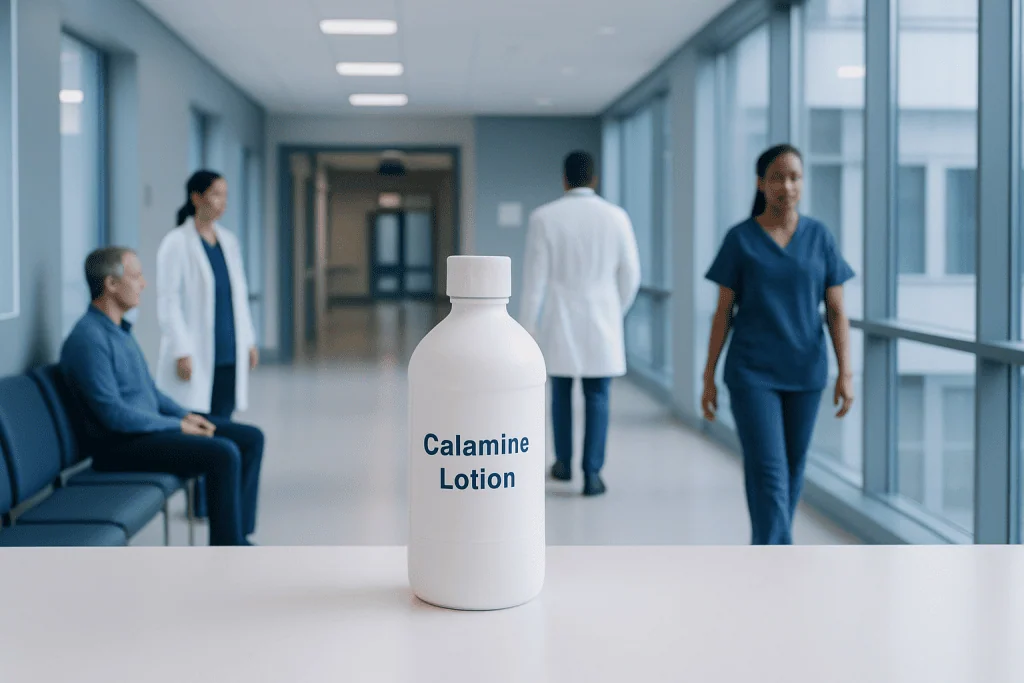
Calamine lotion is commonly used to relieve itching and mild skin irritation. It works mainly by cooling, soothing, and drying irritated skin.
Key Takeaways
- Calamine lotion is commonly used to relieve itching and mild skin irritation.
- It works mainly by cooling, soothing, and drying irritated skin.
- It may help with insect bites, poison ivy, chickenpox itching, and mild sunburn.
- It should not be applied to deep wounds, severely broken skin, or serious infections.
- Persistent, worsening, or unexplained rashes should be assessed by a doctor.
Calamine lotion is an over-the-counter skin product used to calm itching, dry mild oozing rashes, and soothe minor irritation. It can be helpful for insect bites, poison ivy, mild sunburn, and some simple rashes, but it is not the right treatment for every skin problem.
Overview: what calamine lotion is and what it does
Calamine lotion is a topical skin product used to relieve itching, minor irritation, and discomfort from a range of common skin problems. In practical terms, it is often chosen when skin feels itchy, inflamed, or mildly weepy, because it can create a cooling, protective layer on the surface. Many patients know it as the pink lotion used for bug bites, poison ivy, and mild sunburn.
Its ingredients typically include calamine, which is a combination of zinc oxide with a small amount of iron oxide that gives the lotion its pink color. Some formulations may also contain other soothing ingredients, such as pramoxine or mild stabilizers, but the classic product is mainly valued for its skin-protective and drying effects. Because product formulas vary, it is always sensible to read the label before use.
Calamine lotion is designed to ease symptoms rather than treat the root cause of every rash. It does not cure bacterial infections, fungal infections, eczema flares that need prescription therapy, or allergic reactions involving swelling or breathing difficulty. It is best thought of as a short-term comfort measure for mild, self-limited irritation.
Common uses and the symptoms it may relieve

Patients often use calamine lotion when they want quick relief from itching. It can help reduce the urge to scratch, which may lower the risk of further skin irritation. The cooling sensation can also make inflamed skin feel calmer for a period of time.
Common situations where it may be useful include:
- Insect bites and stings that cause mild itching or redness
- Poison ivy, poison oak, or poison sumac exposure
- Mild sunburn with irritation but no severe blistering
- Chickenpox itching, when a clinician has advised supportive skin care
- Minor rashes with some oozing or moisture that benefit from a drying lotion
It may also be used as part of general supportive care for irritated skin caused by friction, sweat, or contact with an irritating substance. However, symptoms such as intense pain, rapid swelling, pus, fever, or a widespread rash suggest something more than simple skin irritation. In those cases, calamine lotion alone is unlikely to be enough.
How calamine lotion works on the skin

Calamine lotion works mainly at the skin surface. It has a soothing effect that can lessen the sensation of itch, and its zinc oxide content may act as a mild skin protectant. On moist or oozing areas, it can also have a drying effect, which is one reason it is often used for poison ivy-type rashes.
The product does not act like an antibiotic, antifungal, or strong anti-inflammatory medicine. Instead, it supports comfort while the skin heals and while the underlying irritation settles. For some patients, this is enough. For others, especially if inflammation is stronger, a clinician may recommend a different topical treatment such as a medicated cream.
Because calamine lotion is not a one-size-fits-all remedy, it helps to match the product to the symptom. Itching from a simple bite may improve quickly, while a chronic itchy rash such as eczema may need a broader treatment plan. If the diagnosis is uncertain, medical advice is the safest approach.
How to use calamine lotion safely
Before applying calamine lotion, the skin should be gently cleaned and dried. The bottle usually needs to be shaken well, because the ingredients can settle. A thin layer can then be applied to the affected area with clean hands or a cotton pad, and allowed to dry on the skin.
General safe-use points include avoiding contact with the eyes, inside the mouth or nose, and the genital area unless a doctor specifically advises otherwise. It should not be used on deep cuts, severe burns, or heavily broken skin. If the skin becomes more irritated after application, the product should be washed off and use should be stopped.
Patients should follow the label instructions and avoid overapplying it simply because the itching continues. Ongoing symptoms may mean the rash needs a different diagnosis or treatment. In some cases, a clinician may suggest other options such as dermatology evaluation or prescription topical therapy if symptoms do not settle.
Side effects, precautions, and when it may not be enough
Calamine lotion is generally well tolerated when used on intact skin as directed. Most side effects are mild and local, such as dryness, tightness, or temporary irritation. Some people may find that repeated use makes the skin feel overly dry, especially if the product is applied often or to large areas.
Although uncommon, a person can develop sensitivity to one of the ingredients in the formula. Signs can include worsening redness, burning, increased itching, or a new rash where the lotion was applied. If this happens, it is best to stop using the product and seek medical advice.
Calamine lotion may not be enough if the rash is caused by infection, a significant allergic reaction, scabies, shingles, or an inflammatory skin disease that needs medical treatment. For example, if a doctor suspects psoriasis or another chronic skin condition, symptom relief alone will not address the underlying process. In those situations, a tailored treatment plan is more appropriate.
When to seek medical care
Many mild rashes improve with simple home care, but some skin symptoms deserve prompt medical assessment. Medical care is important if a rash spreads quickly, becomes very painful, shows pus or significant swelling, or is accompanied by fever. These features can suggest infection or a more serious inflammatory reaction.
Urgent care is also needed if itching or a rash follows a medication, if there is facial swelling, trouble breathing, wheezing, or dizziness, or if the skin reaction involves the eyes or extensive blistering. Calamine lotion is not an appropriate substitute in these situations. Children, older adults, pregnant patients, and people with weakened immune systems may need earlier medical review depending on the cause of the rash.
If symptoms are persistent or the diagnosis is unclear, a clinician may recommend further evaluation and treatment. Depending on the findings, this could include allergy testing or specialist skin care. Acibadem International’s multidisciplinary specialists in JCI-accredited hospitals evaluate and treat skin complaints for international patients when more detailed assessment is needed.
Self-care tips and practical guidance for patients
Calamine lotion works best as one part of a broader skin-care approach. Patients can often feel more comfortable by keeping the area cool, avoiding scratching, and wearing loose clothing over irritated skin. Cool compresses may be especially helpful for itchy bites, mild heat-related irritation, or allergic contact rashes.
It also helps to avoid the trigger when possible. This may mean washing skin after plant exposure, using fragrance-free products, avoiding harsh soaps, or protecting the skin from excess sun. When a rash follows a known exposure, removing the irritant can be just as important as soothing the skin afterward.
If symptoms recur often, seem to follow certain foods, medications, cosmetics, or environmental exposures, keeping a simple symptom diary may help a doctor identify the cause. For persistent skin problems, patients may benefit from specialist dermatology care rather than repeated self-treatment alone. The goal is not just comfort, but also a clear diagnosis and the right long-term management when needed.
Frequently asked questions
What is calamine lotion used for?
Calamine lotion is used to relieve itching, mild skin irritation, and some minor rashes. It is commonly applied for insect bites, poison ivy-type rashes, mild sunburn, and similar skin discomfort.
Does calamine lotion stop itching right away?
It may start to soothe itching fairly quickly, but the amount of relief varies from person to person. It usually helps as a comfort measure rather than removing the underlying cause of the itch.
Can calamine lotion be used on children?
Many calamine products are used in children for minor skin irritation, but the product label should always be checked first. If a child has a widespread rash, fever, severe itching, or broken skin, a doctor should guide treatment.
Is calamine lotion good for sunburn?
It can help soothe mild sunburn and may reduce discomfort from irritated skin. However, severe sunburn with extensive blistering, fever, dehydration, or significant pain needs medical assessment.
Can calamine lotion be used on the face?
It can sometimes be used on small facial areas if the product label allows it, but it should be kept away from the eyes, mouth, and inside the nose. Because facial skin is sensitive, any worsening irritation should prompt stopping the product and seeking advice.
What are the side effects of calamine lotion?
The most common side effects are dryness, mild irritation, or a feeling of tightness on the skin. Rarely, a person may react to an ingredient and notice worsening redness, itching, or burning.
When should someone not rely on calamine lotion alone?
It should not be relied on alone for infected rashes, severe allergic reactions, unexplained widespread rashes, or skin problems that keep returning. If symptoms are painful, spreading, accompanied by fever, or not improving, medical evaluation is important.
References
- American Academy of Dermatology
- U.S. Food and Drug Administration
- National Health Service
- MedlinePlus
- Mayo Clinic
This article is for general information only and is not a substitute for professional medical advice. Please consult a qualified doctor about your individual situation.
Explore treatments in Turkey — costs, top hospitals & a free quote
JCI-accredited · board-certified surgeons · reply within 24h
Add us as a Preferred Source to see more of our trusted health content across Google Search, AI Overviews and Discover.