Can Chemo Affect Eyesight: How It Works, Results and What to Expect
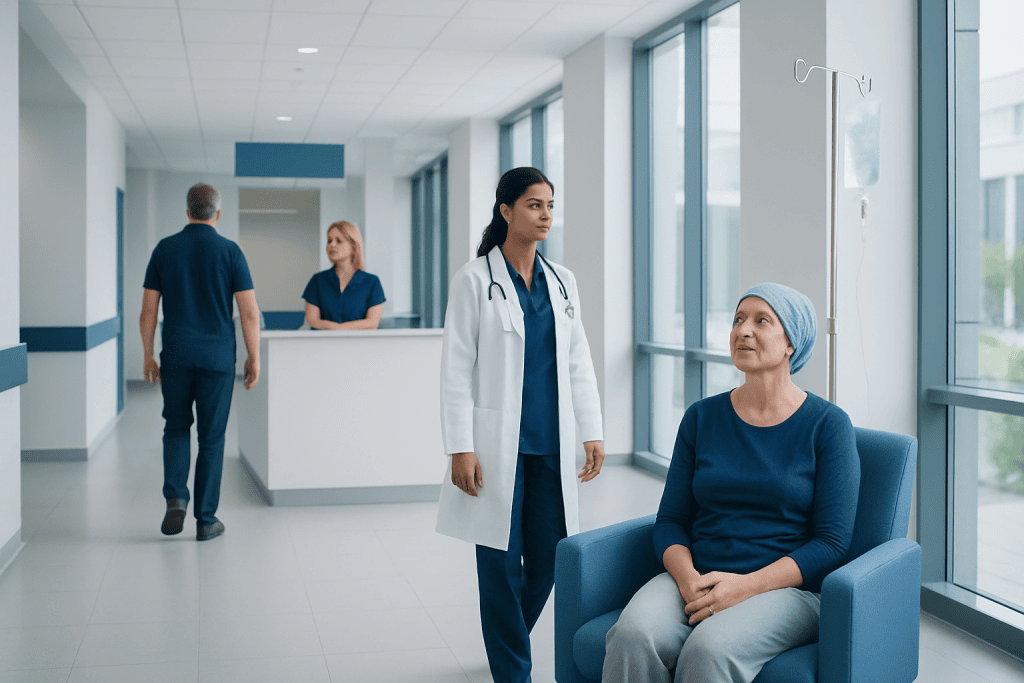
Chemotherapy-related vision symptoms are often temporary, but they should never be ignored. Dry eye, blurred vision, excessive tearing and light sensitivity are among the more common eye-related symptoms.
Key Takeaways
- Chemotherapy-related vision symptoms are often temporary, but they should never be ignored.
- Dry eye, blurred vision, excessive tearing and light sensitivity are among the more common eye-related symptoms.
- The risk depends on the medicines used, treatment duration, other medicines, existing eye conditions and overall health.
- An ophthalmology assessment can help identify whether symptoms are treatment-related or have another cause.
- Sudden vision loss, severe eye pain, new flashes or floaters, or a curtain-like shadow require urgent medical care.
Chemotherapy can affect eyesight in some people, most often through temporary dry eye, irritation, tearing, light sensitivity or blurred vision. Because vision changes may also signal an eye condition, infection, medication reaction or a cancer-related complication, they should be discussed promptly with the oncology team.
Overview: can chemo affect eyesight?
Can chemo affect eyesight? Yes. Some chemotherapy medicines and supportive treatments can cause eye symptoms such as blurred vision, dry or irritated eyes, excessive tearing, light sensitivity and difficulty focusing. These effects are commonly temporary, but any new or worsening change in vision should be reported to the oncology team because it may need assessment or treatment.
Chemotherapy-related eye symptoms do not always come directly from the chemotherapy drug. They can also be linked to dehydration, fatigue, anemia, steroid medicines, anti-nausea medicines, infection risk, hormonal changes, or pre-existing eye conditions such as cataracts, glaucoma or diabetic eye disease. A careful review helps distinguish a manageable treatment effect from a separate problem.
Vision changes during cancer treatment can feel unsettling, especially when they interfere with reading, driving or screen use. Most people can be supported with practical eye care, medication adjustments when clinically appropriate, and input from an ophthalmologist or optometrist. Treatment should not be stopped or changed without advice from the cancer care team.
How chemotherapy can affect the eyes and vision
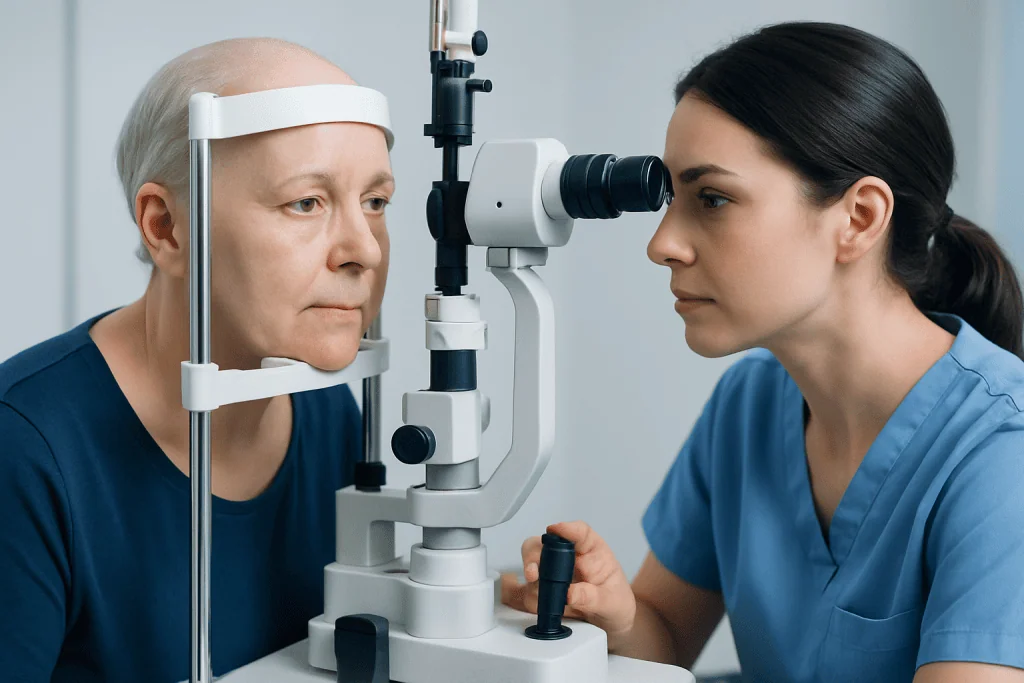
Chemotherapy works by targeting rapidly dividing cells. Although this helps control cancer, some healthy tissues may also be affected. The eyes and surrounding structures can become more sensitive when tear production changes, the surface of the eye becomes inflamed, or the eyelids and tear-drainage channels are irritated.
Some medicines may contribute to dry eye by reducing or altering tears. Others can cause watering eyes if the tear ducts become narrowed or inflamed. Blurred vision may result from an unstable tear film, eye-surface irritation, fatigue or temporary changes in focusing. Less commonly, certain treatments can affect the retina, optic nerve, lens or blood vessels of the eye and require specialist monitoring.
Cancer treatment often involves more than chemotherapy alone. Immunotherapy, targeted therapy, hormone therapy, radiation therapy and corticosteroids can each have different eye-related effects. For this reason, it is helpful for patients to bring an up-to-date list of all medicines and treatments to an eye appointment. Broader cancer care planning may include cancer treatment approaches selected according to the cancer type and individual circumstances.
Symptoms, risk factors and who may need closer monitoring

Possible symptoms include intermittent or persistent blurred vision, burning, grittiness, redness, itching, watery eyes, eye discharge, sensitivity to bright light, double vision, difficulty focusing, or changes in color perception. Symptoms may begin during treatment, shortly afterward, or occasionally later, depending on the medicine and the underlying cause.
People may need closer monitoring if they have diabetes, high blood pressure, autoimmune disease, glaucoma, cataracts, a history of retinal disease, previous eye surgery, contact lens use or significant dry eye before treatment. Older age and the use of multiple medicines can also increase the likelihood of eye symptoms.
Reduced immunity during chemotherapy deserves particular attention. A red, painful eye with discharge, swelling, fever or a decline in vision can be a sign of infection and should be assessed urgently. Contact lenses may worsen irritation or increase infection risk in some situations, so patients should ask their oncology and eye-care teams whether temporary changes in lens use are advisable.
- Keep a record of when symptoms began and whether they follow a treatment cycle.
- Note whether one or both eyes are affected and whether there is pain, redness or discharge.
- Tell clinicians about all prescription medicines, over-the-counter products and supplements.
Assessment and what to expect during an eye evaluation
New vision symptoms should first be shared with the oncology team. Depending on the symptom and its urgency, the team may arrange review by an ophthalmologist, optometrist or another appropriate specialist. Assessment aims to protect vision while allowing cancer treatment to continue safely whenever possible.
An eye evaluation may include a history of the symptoms and treatment schedule, a visual acuity test, examination of the eyelids and eye surface, measurement of eye pressure, and a dilated examination of the retina and optic nerve. Some patients may need photographs or scans of the back of the eye, tear testing, visual field testing, or blood tests to look for contributing issues such as anemia, diabetes or infection.
There is no single procedure for chemotherapy-related eyesight changes. Instead, care is individualized and follows a practical sequence: report symptoms, review medicines and medical history, examine the eyes, treat identified causes, and monitor response. The oncologist and eye specialist may communicate about whether treatment timing, supportive medicines or follow-up intervals need to be adjusted.
Does blurry vision from chemo go away?
Blurred vision from chemotherapy often improves when the underlying cause is temporary, such as dry eye, dehydration, fatigue, medication-related focusing difficulty or eye-surface irritation. Improvement may occur between treatment cycles or in the weeks to months after treatment ends, but the timeline varies according to the medication, total treatment exposure and the person’s eye health.
Blurred vision should not automatically be assumed to be harmless or temporary. Persistent symptoms, one-sided blurring, eye pain, marked redness, headache, double vision, flashes, floaters or a sudden loss of vision warrant timely assessment. Early evaluation can identify problems that benefit from specific treatment and can help prevent avoidable complications.
Simple measures, such as regular breaks from screens, good hydration when medically appropriate, avoiding smoke and wind exposure, and clinician-approved lubricating drops, may ease dry-eye-related blur. However, patients should not use leftover prescription eye drops or medicines recommended for someone else, as some products can worsen certain eye conditions.
Treatment, eye drops and recovery timeline
Treatment depends on the cause. For dry eye and mild irritation, clinicians may recommend preservative-free lubricating eye drops, lubricating gels or ointments, warm compresses, eyelid hygiene, and environmental adjustments. If there is inflammation, infection, blockage of the tear drainage system, elevated eye pressure or retinal involvement, a specialist may recommend a different treatment plan.
What are the best eye drops for chemo patients? There is no single best product for everyone. Preservative-free artificial tears are often a reasonable first option for dry-eye symptoms, but the most suitable choice depends on the symptoms, contact lens use, infection risk and other eye conditions. Drops marketed to “get the red out” may not treat dry eye and should not be used regularly without professional advice. Steroid, antibiotic and medicated drops should only be used when prescribed.
Recovery varies. Mild tear-film problems may improve within days or weeks with supportive care, while tear-duct inflammation or more significant eye-surface disease may take longer. Follow-up is particularly important when symptoms continue after chemotherapy, worsen over time or affect everyday tasks. Eye specialists may work alongside oncology teams as part of medical oncology care.
What are the major permanent side effects of chemotherapy? Most chemotherapy side effects improve after treatment, but some can persist or become long-term depending on the drugs used and the individual. Examples may include nerve damage causing numbness or pain, hearing changes, heart or lung effects, fertility changes, kidney impairment, cognitive symptoms, early menopause, and, less commonly, lasting eye or vision complications. The oncology team can explain the likely short- and long-term effects of a proposed regimen and the monitoring plan.
Does eyesight deteriorate after chemotherapy? Prevention and self-care
Does eyesight deteriorate after chemotherapy? Some people notice vision symptoms during or after chemotherapy, but ongoing deterioration is not expected for most patients. When vision continues to worsen, it is important to investigate for causes such as dry eye disease, cataracts, glaucoma, diabetic retinopathy, retinal problems, infection or treatment-related effects rather than assuming chemotherapy is the only explanation.
Patients can support eye comfort by attending scheduled eye checks, reporting symptoms early, resting the eyes during close work, using sunglasses outdoors if light sensitivity occurs, and following medical advice on hydration and nutrition. Smoking cessation, management of diabetes and blood pressure, and regular use of prescribed eye medicines can also support long-term eye health.
It is sensible to avoid driving, operating machinery or making important safety decisions when vision is blurred, doubled or otherwise unreliable. Contact lens wearers may need to reduce use during periods of significant dryness, redness or lowered immunity. An eye-care professional can offer individualized guidance and check whether glasses or contact lens prescriptions need updating.
When to seek medical care
Patients should contact their oncology team or an eye-care professional promptly for new blurred vision, persistent watering, significant dryness, redness, pain, light sensitivity, double vision, or a change that affects reading, walking or driving. Reporting symptoms early does not necessarily mean cancer treatment must be interrupted; it helps the care team identify the safest next step.
Urgent medical assessment is needed for sudden vision loss, a dark curtain or shadow in the visual field, new flashes of light or many floaters, severe eye pain, marked swelling, a painful red eye, or vision symptoms accompanied by severe headache, weakness, confusion or fever. These symptoms can have causes unrelated to chemotherapy that need rapid care.
Acibadem International’s multidisciplinary specialists and JCI-accredited hospitals can coordinate oncology and ophthalmology assessment for international patients who develop eye symptoms during cancer care. The priority is a clear diagnosis, symptom relief and a care plan tailored to the person’s cancer treatment and eye health.
Frequently asked questions
Can chemotherapy cause permanent eye damage?
Permanent eye damage from chemotherapy is uncommon, but some medicines and treatment-related complications can cause lasting effects in certain people. The risk depends on the treatment, dose exposure, other health conditions and whether symptoms are recognized early. Persistent or worsening vision changes should be assessed by an eye specialist.
Should patients tell their oncologist about dry eyes during chemotherapy?
Yes. Dry eye may be manageable, but it can also affect comfort, vision and contact lens safety. The oncology team can review possible medication causes and arrange eye-care input when needed.
Can chemotherapy cause watery eyes?
Yes. Chemotherapy may irritate the eye surface or affect the tear-drainage system, leading to excessive tearing. Watery eyes can also occur with dry eye, because irritation may trigger reflex tearing, so an evaluation can help identify the cause.
Is it safe to use over-the-counter eye drops during chemotherapy?
Preservative-free lubricating drops are often used for mild dry-eye symptoms, but patients should check with their care team before starting a new product. Avoid using antibiotic, steroid or redness-relief drops unless a clinician has recommended them. This is especially important if there is pain, discharge, severe redness or reduced vision.
Can steroids used with chemotherapy affect vision?
Yes. Steroid medicines can contribute to blurred vision and, with longer use in some people, may increase the risk of raised eye pressure or cataracts. Patients taking steroids who notice vision changes should inform their treating clinician and may need eye monitoring.
How soon should blurred vision during chemotherapy be checked?
New blurred vision should be reported as soon as possible, particularly if it persists, recurs or interferes with daily activities. Same-day urgent care is appropriate for sudden or severe vision loss, eye pain, flashes, floaters, a curtain-like shadow, or neurological symptoms. Early assessment helps identify causes that may need prompt treatment.
References
- American Cancer Society
- National Cancer Institute
- American Academy of Ophthalmology
- National Eye Institute
- Macmillan Cancer Support
This article is for general information only and is not a substitute for professional medical advice. Please consult a qualified doctor about your individual situation.
Oncology care in Turkey — second opinion and treatment plan
JCI-accredited · board-certified surgeons · reply within 24h
Add us as a Preferred Source to see more of our trusted health content across Google Search, AI Overviews and Discover.
Check your numbers in seconds
BMI, calories, due date, blood pressure and 30+ more clinical calculators — free, instant, doctor-reviewed ranges.