Can Chemo Affect Your Teeth: How It Works, Results and What to Expect

Chemotherapy does not usually directly damage tooth enamel, but dry mouth and oral infections can increase the risk of decay and gum disease. Mouth sores, bleeding gums, taste changes and jaw discomfort can occur, depending on the medicines used and blood cell counts.
Key Takeaways
- Chemotherapy does not usually directly damage tooth enamel, but dry mouth and oral infections can increase the risk of decay and gum disease.
- Mouth sores, bleeding gums, taste changes and jaw discomfort can occur, depending on the medicines used and blood cell counts.
- A dental assessment before chemotherapy can identify infections or teeth that may need treatment first.
- Gentle daily oral hygiene, fluoride protection, hydration and regular communication with the oncology team can help prevent complications.
- Dental procedures during chemotherapy may need to be timed around blood counts and should be discussed with the oncology team first.
Yes, chemotherapy can affect the teeth, gums and mouth, mainly by reducing saliva, irritating oral tissues and lowering infection-fighting blood cells. Most oral effects are temporary and manageable when cancer and dental teams coordinate care before, during and after treatment.
Can chemo affect your teeth?
Yes. Chemotherapy can affect the mouth, gums and teeth, although it does not usually directly weaken or dissolve tooth enamel. Its more common effects are indirect: cancer medicines may reduce saliva flow, irritate the lining of the mouth, alter the balance of oral bacteria and temporarily lower the body’s ability to fight infection.
These changes can make teeth more vulnerable to cavities and make existing gum disease or dental infections more difficult to manage. Some people experience few oral changes, while others develop dry mouth, painful ulcers, bleeding gums, taste changes or sensitivity. The likelihood depends on the chemotherapy medicines, treatment schedule, overall health, previous dental health and whether radiation to the head or neck is also being given.
Planning ahead is helpful. Ideally, a dentist familiar with cancer care and the oncology team review oral health before treatment begins. This allows active infections and urgent dental issues to be addressed safely, while also creating a practical plan for oral care during treatment.
How chemotherapy affects the mouth and teeth
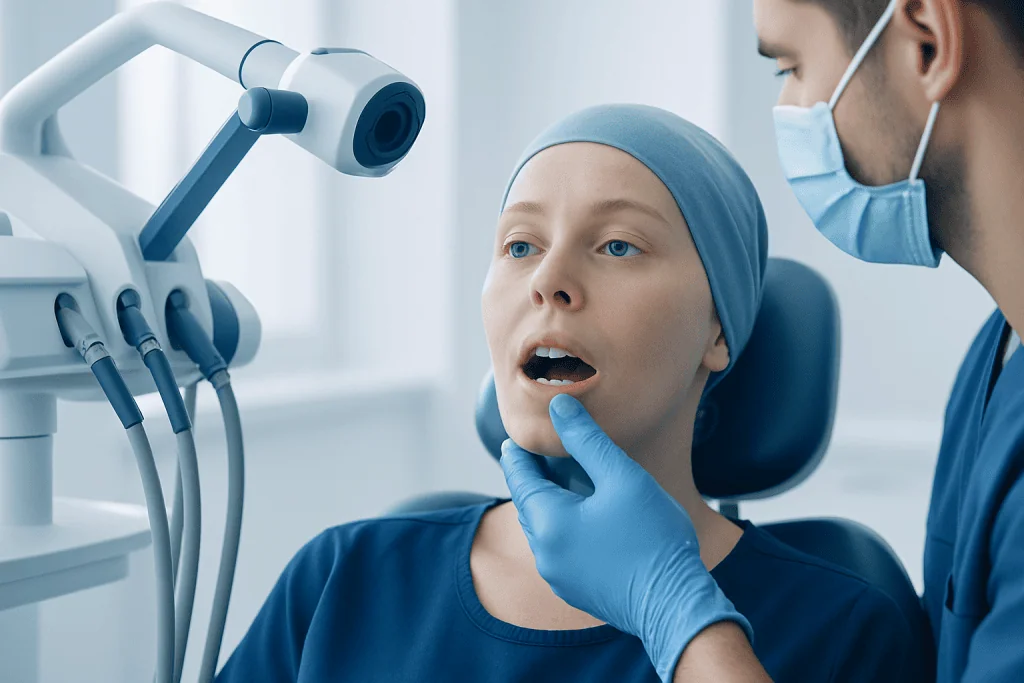
Chemotherapy works by targeting cells that divide quickly. Cancer cells often divide rapidly, but some healthy cells do as well, including cells lining the mouth and cells involved in saliva production. This is why chemotherapy can cause oral side effects even when the treatment is being used for a cancer outside the mouth.
Reduced saliva, known as dry mouth or xerostomia, is especially important for dental health. Saliva helps rinse away food, neutralize acids and protect enamel. When there is less saliva, plaque can build up more easily and the risk of tooth decay, gum inflammation and oral thrush may increase. Dry mouth can also make speaking, eating and wearing dentures less comfortable.
Some treatments temporarily reduce white blood cells, platelets or red blood cells. Low white blood cell counts can increase infection risk, while low platelets can make gums bleed more easily. These effects are not necessarily a sign that treatment is going badly, but they do mean that new mouth symptoms should be reported promptly.
- Oral mucositis: redness, tenderness or ulcers in the mouth
- Dry mouth and thicker saliva
- Changes in taste, sometimes including a metallic taste
- Gum swelling, bleeding or infection
- Higher risk of cavities, particularly with ongoing dry mouth
- Jaw stiffness or discomfort in some circumstances
What does chemo do to my teeth?
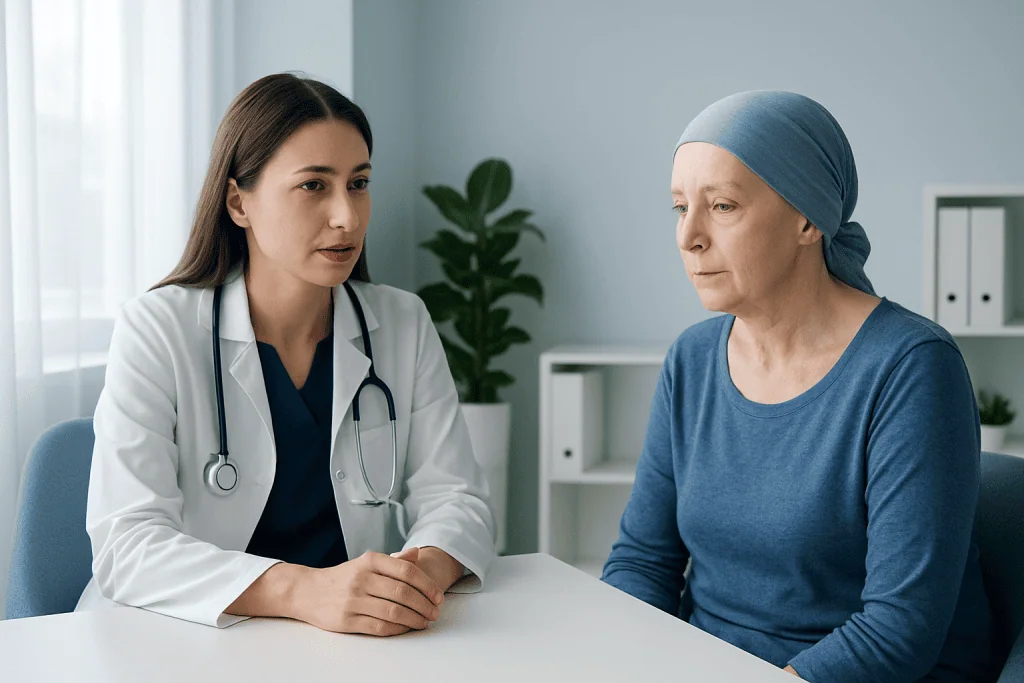
For most adults, chemotherapy does not directly cause teeth to fall out or permanently damage the hard outer enamel. However, the mouth changes associated with treatment can contribute to dental problems. For example, persistent dry mouth can increase cavity risk, and frequent sipping of sugary drinks, sucking sweets or reduced brushing because of sore gums can add to this risk.
Existing dental disease may become more noticeable during treatment. A small untreated cavity, loose filling or gum infection can become painful if oral tissues are irritated or immune defenses are lower. Dentures, braces and sharp tooth edges may also rub against delicate tissues and worsen mouth sores.
Children receiving chemotherapy need particular dental follow-up because developing teeth and jaws can be more sensitive to cancer treatment. Depending on age and medicines used, treatment may affect tooth development, enamel formation or root growth. A pediatric oncology and dental team can advise families about long-term monitoring.
People receiving chemotherapy together with head and neck radiation may have more significant long-term dental risks because radiation can affect salivary glands and jawbone. This situation requires individualized preventive dental care and close follow-up.
How can I protect my teeth during chemo?
Protecting oral health starts with a dental review before chemotherapy whenever time and the cancer treatment plan allow. The dentist can identify gum disease, abscesses, broken teeth or ill-fitting dental appliances that could create problems later. The oncology team should know about any proposed extraction, cleaning or invasive dental procedure so it can be scheduled appropriately around treatment and blood test results.
During chemotherapy, gentle but consistent care is usually best. Patients can brush with a soft toothbrush and fluoride toothpaste, clean between teeth only if their gums are not bleeding or very sore, and use alcohol-free mouth rinses if recommended. Fluoride rinses, gels or prescription-strength products may be appropriate for people with significant dry mouth, but the dentist should guide their use.
Frequent sips of water, sugar-free gum or sugar-free lozenges may help stimulate saliva when safe and comfortable. It is sensible to limit tobacco, alcohol-containing mouthwash, very spicy foods and frequent sugary snacks or drinks, as these can worsen soreness, dryness or decay risk. For mouth ulcers, bland rinses and soft, cool foods can be more tolerable; the oncology team can recommend pain relief or medicated rinses when needed.
Do not start over-the-counter supplements or herbal mouth products without checking with the cancer team. Some products can irritate oral tissues or interact with treatment. A coordinated approach between oncology and dental professionals is the safest way to protect teeth throughout chemotherapy.
Dental care during chemotherapy: timing, candidacy and steps
There is no single dental schedule that suits everyone receiving chemotherapy. Before treatment, people are generally candidates for routine dental assessment and necessary urgent care, provided this does not delay time-sensitive cancer treatment. The aim is to reduce the chance that an untreated infection will require emergency dental treatment when immunity is low.
For non-urgent procedures during chemotherapy, the dentist and oncologist consider the chemotherapy cycle, current symptoms and recent blood counts. Invasive treatment, such as an extraction or periodontal surgery, may be postponed when white blood cell or platelet counts are low. If urgent dental care is needed, the teams can make a plan that considers infection control, bleeding risk and the person’s cancer treatment schedule.
A typical approach includes an oral examination, review of symptoms and medicines, assessment of teeth and gums, and dental X-rays only when clinically needed. The dental team may provide preventive cleaning, smooth sharp edges, adjust dentures, recommend fluoride protection and explain how to manage dry mouth. Any antibiotics or pain medicines should be coordinated with the oncology team rather than self-started.
Recovery from a routine dental check or cleaning is usually immediate. Recovery after more invasive treatment varies, and healing should be monitored carefully. New swelling, fever, worsening pain, pus, prolonged bleeding or difficulty swallowing requires prompt medical advice.
What are the major permanent side effects of chemotherapy?
Many chemotherapy side effects improve after treatment ends because healthy tissues can recover. However, some medicines can cause lasting effects in some people. The type and likelihood of permanent effects depend on the specific drugs, total dose, age, other treatments and individual health factors.
Possible longer-term effects can include nerve damage causing persistent numbness or tingling, changes in fertility, early menopause, hearing changes, heart or lung effects, kidney problems, cognitive changes and an increased risk of certain later cancers. Not everyone experiences these effects, and cancer teams consider them carefully when selecting and monitoring treatment.
For the mouth, long-lasting concerns are most often linked to persistent dry mouth, particularly if chemotherapy is combined with radiation involving the head or neck. This can increase ongoing cavity risk and may require regular fluoride prevention and dental follow-up. It is important for patients to ask their oncology team which side effects are relevant to their own treatment plan rather than assuming all listed effects will occur.
What are good signs that chemo is working?
The most reliable signs that chemotherapy is working come from the cancer care team’s assessment, not from side effects alone. Depending on the cancer type, clinicians may use physical examinations, blood tests, tumor markers, scans and symptom changes to evaluate response. These checks are usually performed at planned points during treatment.
Some symptoms caused by cancer may improve, such as pain, cough, swelling, appetite problems or fatigue related to the disease. However, symptoms can fluctuate for many reasons, and improvement or worsening does not always show whether chemotherapy is affecting the tumor. Likewise, having strong side effects does not prove that treatment is working, and having few side effects does not mean it is ineffective.
Patients should attend scheduled reviews and ask when and how response will be measured. If treatment is not producing the intended response, the oncology team may discuss adjusting the plan, using another medicine or considering other treatments. Chemotherapy treatment planning is individualized according to cancer type, stage, treatment goals and overall health.
When to seek medical care
Patients should contact their oncology team promptly for a fever, chills, new mouth swelling, pus, worsening tooth pain, uncontrolled bleeding, or sores that make drinking difficult. These symptoms can sometimes signal infection or dehydration, which may need treatment quickly during chemotherapy. The oncology team can advise whether same-day assessment is needed.
Urgent medical help is also appropriate for trouble breathing or swallowing, severe facial swelling, confusion, fainting, or bleeding that does not stop with gentle pressure. Patients should not wait for a routine dental appointment if these symptoms occur.
For non-urgent concerns, such as mild dry mouth, taste changes, minor gum tenderness or a chipped tooth, patients can contact their oncology team and dentist for advice. Acibadem International’s multidisciplinary specialists and JCI-accredited hospitals support international patients with coordinated cancer and oral-health care when chemotherapy-related concerns arise.
Frequently asked questions
Can chemotherapy cause tooth loss?
Chemotherapy does not usually directly cause adult teeth to fall out. However, dry mouth, gum disease, cavities and oral infections can become more likely during treatment and may threaten teeth if they are not managed. Regular dental care and prompt attention to new symptoms can help reduce this risk.
Should a person see a dentist before starting chemotherapy?
Yes, when the treatment schedule allows, a dental check-up before chemotherapy is often recommended. The dentist can identify infections, gum disease, damaged teeth and denture problems that may need care before blood counts are affected. The dentist and oncology team should coordinate the timing of any treatment.
Is it safe to have a tooth pulled during chemotherapy?
It may be possible, but it requires coordination with the oncology team. White blood cell and platelet levels, the timing of chemotherapy and the urgency of the dental problem all affect safety. Non-urgent extractions are often delayed until blood counts and healing conditions are more favorable.
How long do mouth problems from chemotherapy last?
Mouth sores and taste changes often improve in the weeks after a treatment cycle or after chemotherapy ends, although timing varies. Dry mouth can also improve, but it may last longer for some people, especially when other cancer treatments affect the salivary glands. Persistent symptoms should be assessed by the care team.
Can a person use mouthwash during chemotherapy?
An alcohol-free mouthwash may be more comfortable because alcohol can sting and worsen dryness. Some people benefit from salt-and-baking-soda rinses or prescription rinses for mouth sores, but the oncology or dental team should recommend the most suitable option. Strong or irritating products should be avoided unless specifically advised.
Do chemo side effects show whether treatment is working?
No. Side effects mainly show that normal tissues are responding to the medicine; they do not reliably measure the effect on cancer. Blood tests, scans, examinations and other planned assessments are the best ways for the oncology team to determine whether chemotherapy is working.
References
- National Cancer Institute
- American Cancer Society
- American Dental Association
- National Institute of Dental and Craniofacial Research
This article is for general information only and is not a substitute for professional medical advice. Please consult a qualified doctor about your individual situation.
Oncology care in Turkey — second opinion and treatment plan
JCI-accredited · board-certified surgeons · reply within 24h
Add us as a Preferred Source to see more of our trusted health content across Google Search, AI Overviews and Discover.

More from the Health Library



Related Specialists

Prof. Dr. Ahmet Koç
Otorhinolaryngology
Prof. Dr. Ayça Erşen Danyeli
Pathology
Dyt. Pakize Gizem Akgül
Nutrition & Diet
Assoc. Prof. Dr. Gökhan Karademir
Orthopedic Surgery & Traumatology