

Can Chemotherapy Cause Blood Clots: How It Works, Results and What to Expect
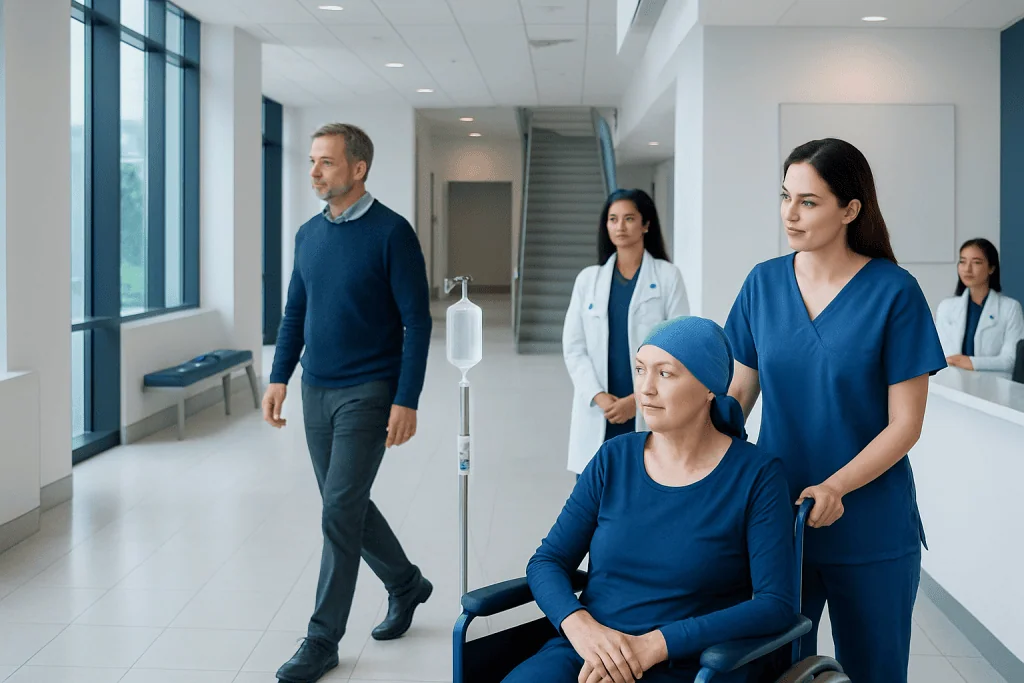
Cancer itself and some chemotherapy medicines can raise the risk of venous blood clots. A new swollen or painful limb, sudden shortness of breath, chest pain or coughing blood needs urgent medical assessment.
Key Takeaways
- Cancer itself and some chemotherapy medicines can raise the risk of venous blood clots.
- A new swollen or painful limb, sudden shortness of breath, chest pain or coughing blood needs urgent medical assessment.
- Clinicians assess clot risk before and throughout chemotherapy and may recommend preventive anticoagulant medicine for selected people.
- Remaining as active as safely possible, staying hydrated and following the treatment team’s advice may help lower risk.
- Blood-clot prevention should be individualized because blood-thinning medicines can also increase bleeding risk.
Yes, chemotherapy can contribute to blood clots, especially when combined with cancer-related changes in the body, reduced activity, surgery or central venous catheters. Most clots can be treated effectively, and knowing the warning signs helps patients seek care promptly.
Can chemotherapy cause blood clots?
Yes. Chemotherapy can cause blood clots indirectly by affecting blood vessels, inflammation and the body’s normal clotting balance. However, chemotherapy is only one part of the picture: cancer itself is a major reason that clot risk rises, and the risk varies widely according to the cancer type, its stage, treatment plan and a person’s overall health.
Most cancer-related clots form in a deep vein, commonly in the leg or pelvis. This is called deep vein thrombosis (DVT). A clot can sometimes travel to the lungs, causing a pulmonary embolism (PE), which requires urgent care. Blood clots are a recognized complication of cancer treatment, not a sign that a person has done anything wrong.
Before treatment begins, the oncology team considers individual risk factors and reviews symptoms that should be reported promptly. If a clot develops, cancer treatment can often continue with appropriate planning and anticoagulant treatment, sometimes called blood-thinning medicine.
How chemotherapy, cancer and treatment affect clotting
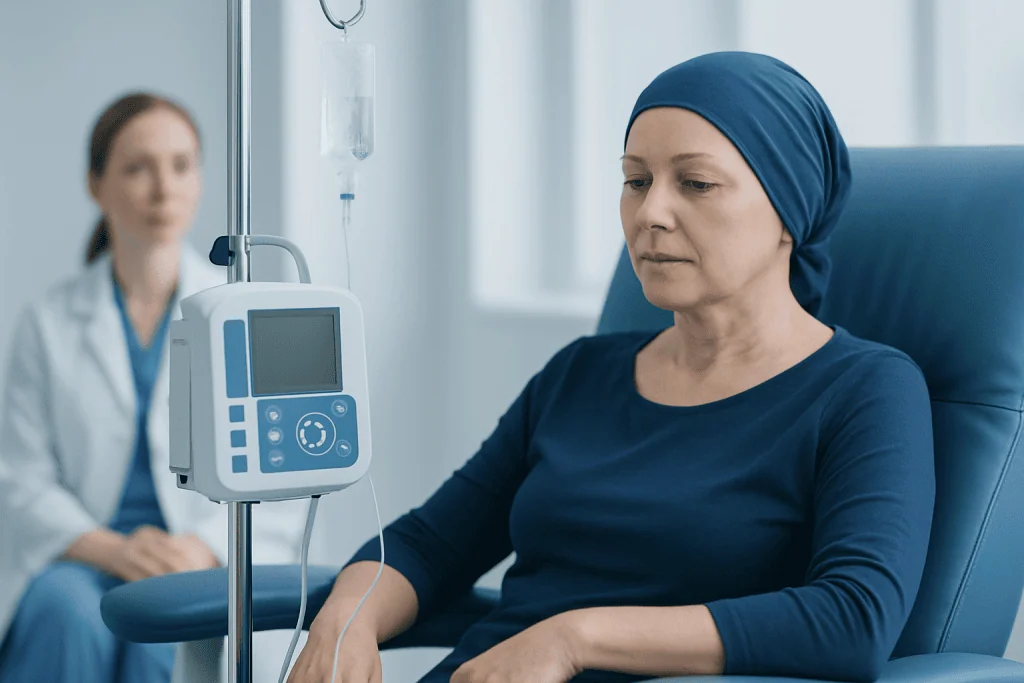
The body normally forms clots to stop bleeding after an injury. Cancer can make this system more active by releasing substances that promote clotting and by causing inflammation. Tumors may also press on veins and slow blood flow, particularly in the abdomen or pelvis. These effects can create a tendency toward cancer-associated thrombosis.
Some chemotherapy drugs can irritate the lining of blood vessels, increase inflammation or lower blood cell counts in ways that complicate clotting balance. Other cancer therapies, including some hormone treatments, targeted medicines and immunomodulating treatments, may also affect risk. The care team evaluates the complete treatment plan rather than attributing the risk to one medicine alone.
Practical factors during treatment can add to the risk. These include hospitalization, infection, dehydration, prolonged bed rest, recent surgery and a central venous catheter or port. A catheter is often valuable for giving treatment safely, but a clot can occasionally develop around it in an arm, shoulder or neck vein.
- Higher-risk cancers include pancreatic, stomach, lung, brain, ovarian and some blood cancers.
- A previous blood clot, inherited clotting tendency or strong family history may be relevant.
- Older age, obesity, limited mobility and certain long-term medical conditions can also contribute.
Who may need clot prevention during chemotherapy?

Not everyone receiving chemotherapy needs preventive anticoagulant medicine. For many people treated as outpatients, the bleeding risks of routine prevention may outweigh the potential benefit. Instead, clinicians use a structured assessment that considers cancer type, blood test results, planned treatment, medical history and personal bleeding risk.
Preventive anticoagulation may be considered for selected people at higher risk, particularly after major cancer surgery, during a hospital admission, or during certain high-risk treatment settings. The choice of medicine and duration are individualized. Kidney and liver function, platelet counts, drug interactions, active bleeding and the location of the cancer all affect whether a particular option is suitable.
Patients should tell their oncology team about prior clots, use of estrogen-containing medicines, pregnancy or plans for pregnancy, recent bleeding, stomach or bowel problems, and all prescription medicines, supplements and herbal products. This information helps the team make safer decisions about prevention and treatment.
What are the signs of blood clots caused by chemotherapy?
A DVT often causes swelling, pain, tenderness, warmth or redness in one leg, calf, thigh or arm. The symptoms may begin gradually and can be mild at first. A clot near a central line may cause new swelling of an arm, hand, neck or upper chest, sometimes with discomfort or visible enlarged veins.
A pulmonary embolism may cause sudden or unexplained shortness of breath, chest pain that may worsen with a deep breath, a fast heartbeat, fainting, dizziness or coughing blood. These symptoms can have other causes during cancer treatment, but they should never be self-diagnosed or ignored.
Patients should contact their oncology team urgently for new one-sided limb swelling or pain. They should seek emergency medical care immediately for sudden breathing difficulty, chest pain, fainting, coughing blood or severe weakness. Prompt evaluation can identify a clot and allow treatment to start quickly if needed.
How are blood clots diagnosed and treated during chemotherapy?
When a clot is suspected, a clinician reviews symptoms, treatment history and examination findings. Ultrasound is commonly used to look for DVT in an arm or leg. For suspected pulmonary embolism, clinicians may use specialized chest imaging. Blood tests can support the overall assessment, but imaging is usually needed to confirm or exclude a clot.
The main treatment is anticoagulation. These medicines reduce the blood’s ability to form new clots and help prevent an existing clot from getting larger or moving. Depending on the situation, treatment may involve an oral anticoagulant or an injected medicine. The oncology, hematology and pharmacy teams consider bleeding risk, interactions with anticancer medicines, kidney function and the person’s cancer type when selecting treatment.
Treatment commonly continues for at least several months and may continue longer while cancer is active or treatment is ongoing. Follow-up visits are important because doses or medicines may need adjustment as chemotherapy changes. Patients should not stop an anticoagulant on their own, even if symptoms improve.
Anticoagulants can increase bleeding risk. Patients should report unusual bruising, black or bloody stools, vomiting blood, persistent nosebleeds, heavy vaginal bleeding, severe headache or a fall or injury—especially a head injury. The care team can explain which symptoms require same-day advice or emergency assessment.
How to avoid blood clots during chemo?
Blood clots cannot always be prevented, but patients can reduce avoidable risks and follow the care plan closely. The most important step is to discuss personal clot risk before chemotherapy starts and at each significant change in treatment, health or mobility. Preventive medication should only be used when prescribed, because it is not appropriate or safe for everyone.
When medically able, regular gentle movement can support circulation. This may include short walks, ankle movements while sitting and avoiding long uninterrupted periods in bed or a chair. During long journeys, patients can ask their team for advice about breaks, movement, compression garments or other precautions that may be appropriate for their situation.
Maintaining fluid intake as advised by the treatment team may help prevent dehydration, particularly during vomiting or diarrhea. Patients should seek guidance early if they cannot keep fluids down, are confined to bed, develop an infection or are admitted to hospital. They should also avoid starting aspirin, anti-inflammatory medicines, supplements or herbal products for clot prevention without medical advice, as these can interact with treatment or raise bleeding risk.
For people who need specialist support, Acibadem International’s multidisciplinary specialists and JCI-accredited hospitals can assess and treat cancer-related blood-clot concerns for international patients.
Does your body ever fully recover from chemotherapy?
Many effects of chemotherapy improve after treatment ends, but recovery is individual. Blood counts often recover over weeks, while fatigue, appetite changes, taste changes and reduced stamina may take weeks to months to settle. The pace depends on the drugs used, treatment duration, nutrition, activity level, other treatments and the person’s health before chemotherapy.
Some side effects may last longer or occasionally become permanent, such as nerve symptoms in the hands and feet, hearing changes, fertility effects or changes in heart, lung or kidney function with particular treatments. Follow-up care is designed to monitor for these concerns and help manage them early. A clotting event also needs continued review, especially if anticoagulant treatment is still required.
Patients can support recovery by attending follow-up appointments, gradually rebuilding activity with their clinician’s approval, eating according to their care team’s advice and reporting persistent symptoms. Recovery does not always follow a straight line, and needing extra time or rehabilitation is common.
At what stage does cancer cause blood clots? When to seek medical care
Cancer can increase clot risk at any stage. The risk is often higher with advanced or metastatic cancer because of a greater tumor burden and more intensive treatment, but clots may occur at diagnosis, during treatment, after surgery or even before cancer is discovered. A blood clot alone does not determine the stage of cancer and should not be used to make assumptions about prognosis.
Medical advice should be sought urgently for new swelling, pain or warmth in one arm or leg; unexplained shortness of breath; chest pain; rapid heartbeat; dizziness; fainting; or coughing blood. Emergency services should be contacted immediately for severe or sudden symptoms, especially difficulty breathing, fainting or chest pain.
Patients taking an anticoagulant should also contact their care team for signs of significant bleeding, such as black stools, blood in urine, vomiting blood, prolonged bleeding or a severe headache. The oncology team should be told about any new symptom between appointments, even if it seems minor, because early assessment is the safest approach.
Frequently asked questions
Can chemotherapy cause blood clots even in early-stage cancer?
Yes. Blood clots can occur with cancer at any stage, including early-stage disease, although the level of risk differs from person to person. Chemotherapy, surgery, reduced mobility, infections and individual medical history can all influence risk.
Are blood clots common during chemotherapy?
Blood clots are a recognized complication of cancer and cancer treatment, but they do not occur in everyone receiving chemotherapy. The likelihood depends strongly on the cancer type, treatment, disease extent and personal risk factors.
What should a patient do if one leg becomes swollen during chemotherapy?
New swelling, pain, warmth or redness in one leg should be reported urgently to the oncology team or assessed promptly by a clinician. It may be caused by a clot or another condition, and an ultrasound may be needed to determine the cause.
Can a person continue chemotherapy while taking blood thinners?
Often, yes. The oncology team may adjust the treatment schedule or monitor more closely, depending on the clot, the anticoagulant used and bleeding risk. Patients should not change or stop either cancer medicine or anticoagulant medicine without medical guidance.
How long are blood thinners needed for a cancer-related clot?
Treatment is commonly needed for at least several months, and some people need it longer while cancer remains active or treatment continues. The duration is reviewed regularly because clotting and bleeding risks can change over time.
Can exercise prevent blood clots during chemotherapy?
Gentle, regular movement may help support circulation when it is safe for the individual, but it cannot fully prevent cancer-associated clots. The treatment team can recommend an activity plan based on energy levels, blood counts, surgical recovery and other health needs.
References
- American Society of Hematology
- National Cancer Institute
- American Cancer Society
- Centers for Disease Control and Prevention
- National Comprehensive Cancer Network
This article is for general information only and is not a substitute for professional medical advice. Please consult a qualified doctor about your individual situation.
Chemotherapy in Turkey — costs, top hospitals & a free quote
JCI-accredited · board-certified surgeons · reply within 24h
Add us as a Preferred Source to see more of our trusted health content across Google Search, AI Overviews and Discover.

Medical Oncology Department
Medical treatment of cancer with chemotherapy, immunotherapy and targeted therapies under a multidisciplinary tumor board.
60 specialists in this unitMore from the Health Library



Related Specialists

Prof. Dr. Ahmet Onur Odabaşı
Ear Nose & Throat
Fzt. Merve Güvendi
Physical Medicine & Rehabilitation
Dr. Tahsin Erdal Kabadere
Ophthalmology
Dr. Tülay Aslan Yayla
Neurosurgery