Can Depression Cause Memory Loss? Here Is What the Evidence Says

Depression can interfere with concentration, learning new information and recalling details. Memory concerns are often reversible or improve substantially with effective depression treatment and healthier routines.
Key Takeaways
- Depression can interfere with concentration, learning new information and recalling details.
- Memory concerns are often reversible or improve substantially with effective depression treatment and healthier routines.
- New, rapidly worsening or function-limiting memory changes should be medically assessed rather than assumed to be depression.
- Sleep problems, medications, alcohol or substance use, thyroid conditions and vitamin deficiencies can also affect memory.
- Urgent care is needed for sudden confusion, stroke-like symptoms, severe headache, head injury or thoughts of self-harm.
Yes, depression can cause memory difficulties, often described as forgetfulness, poor concentration or “brain fog.” These changes are commonly related to reduced attention, sleep disruption and low mood, and they may improve when depression and contributing health factors are addressed.
Can depression cause memory loss?
Yes. Depression can cause memory difficulties, especially trouble focusing, taking in new information and retrieving details later. Many people describe this as brain fog: they may lose track of conversations, forget appointments, misplace items or find it harder to make decisions. In many cases, these changes are not a sign of permanent memory damage and can improve as depression, sleep and daily functioning improve.
Memory concerns deserve attention, but they are not automatically a sign of dementia or another serious brain disorder. Depression can make the mind feel slowed or overloaded, so information may not be fully registered in the first place. That can look like forgetting, even when the main difficulty is attention.
It is still important not to self-diagnose. New, persistent or worsening memory problems can have more than one cause. A clinician can help distinguish depression-related cognitive symptoms from medication effects, sleep disorders, medical conditions and neurological causes.
How depression affects attention and memory
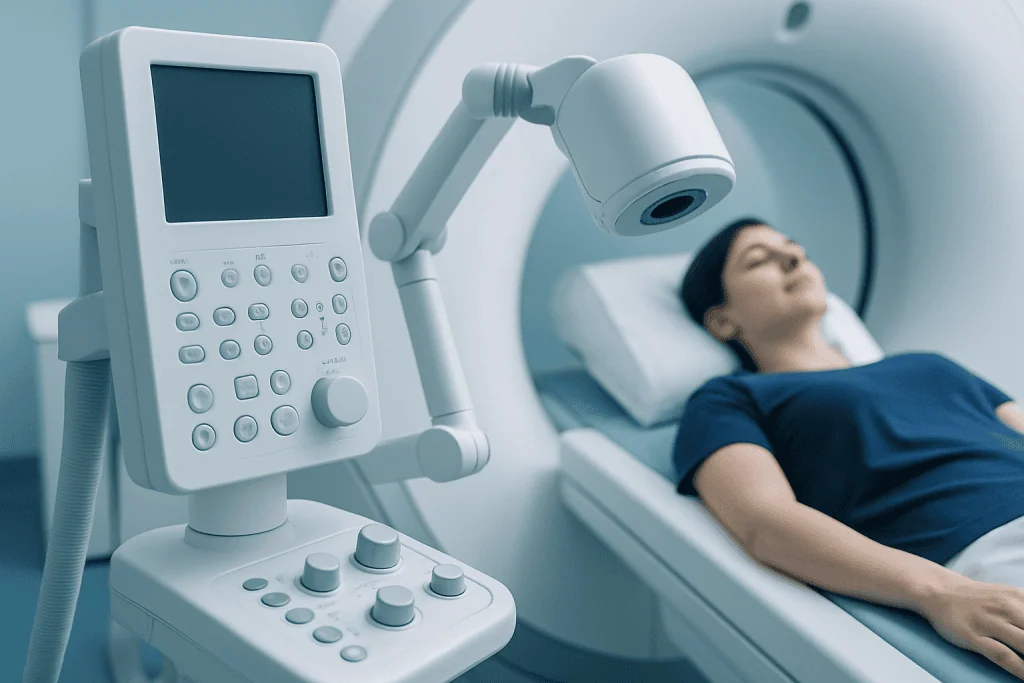
Memory involves several steps: paying attention to information, encoding it, storing it and later recalling it. Depression may affect the earliest steps. Low mood, worry, fatigue, slowed thinking and reduced motivation can make it difficult to concentrate long enough to absorb what someone has read, heard or planned.
Sleep disruption is also common in depression. Too little sleep, frequent waking or sleeping much more than usual may reduce alertness and impair thinking during the day. Depression can also affect executive functions, such as organizing tasks, switching between activities, planning and making decisions. These effects can make everyday forgetfulness feel more pronounced.
The pattern varies from person to person. Some notice primarily difficulty finding words or following a discussion, while others struggle with work tasks, schoolwork or managing household responsibilities. Memory complaints can occur in depression at any age, although assessment is particularly important when symptoms begin later in life or change quickly.
Memory problems that need medical review

Most gradual concentration and memory changes that occur alongside depression, stress or poor sleep are not emergencies. However, medical review is appropriate when symptoms persist, interfere with safety or independence, or are different from a person’s usual pattern. It is especially useful to seek assessment if close family members have noticed changes that the person has not recognized.
Red flags include sudden confusion; difficulty speaking or understanding speech; weakness, numbness, facial drooping or balance problems; a severe new headache; seizures; fainting; or memory changes after a head injury. These symptoms can signal an urgent neurological problem and should be assessed immediately by emergency services.
Prompt professional support is also important if depression includes thoughts of self-harm, suicide or harming others, or if a person cannot manage basic needs. In these situations, contacting local emergency services, a crisis line or a trusted healthcare professional is the safest step. Depression can be effectively treated, and seeking help early is a meaningful part of recovery.
Other possible causes of forgetfulness
Depression may be one contributor among several. Anxiety, prolonged stress and grief can all disrupt concentration. Sleep disorders, including obstructive sleep apnea, may cause daytime fatigue and cognitive difficulties. Alcohol, recreational drugs and some prescription or over-the-counter medicines may also affect alertness and memory, particularly when medications are combined.
Clinicians may consider physical causes such as thyroid disease, vitamin B12 deficiency, anemia, infections, dehydration and metabolic conditions. Hearing or vision loss can also make information harder to take in, which may be mistaken for forgetfulness. These possibilities are important because many are treatable.
Some neurological conditions, including mild cognitive impairment and dementia, can cause memory changes. Their pattern may differ from depression-related cognitive symptoms, but overlap is possible and no single symptom can provide a diagnosis. A careful evaluation is more reliable than trying to identify the cause based on memory concerns alone.
- Depression-related difficulties often include slowed thinking, low motivation and poor attention.
- Sleep and stress may make symptoms fluctuate from day to day.
- Progressive difficulty with familiar tasks, getting lost in known places or major changes in judgment warrants assessment.
How doctors assess depression and memory concerns
A doctor usually begins by asking when the symptoms started, how they have changed and how they affect everyday life. They may ask about mood, loss of interest, anxiety, sleep, appetite, energy, alcohol or substance use, recent stressors and medications. Information from a partner, family member or close friend can sometimes help clarify the pattern, with the patient’s permission.
The assessment may include a physical and neurological examination, a review of medicines and brief tests of attention, memory and thinking. Depending on the history, blood tests may be used to check for conditions that can contribute to fatigue or cognitive symptoms, such as thyroid problems or vitamin deficiencies. Further cognitive testing, imaging or referral to a neurologist or mental health professional may be considered when indicated.
There is no single test that proves depression is causing memory problems. Instead, clinicians look at the overall picture and rule out important alternatives. This approach helps create a treatment plan that addresses both emotional health and cognition.
Treatment and practical steps that can help
When depression is contributing to memory difficulties, treating depression is the central step. Options may include talking therapies, such as cognitive behavioral therapy, lifestyle support and, when appropriate, antidepressant medication prescribed and monitored by a qualified clinician. Medication choices should be individualized, especially if a person has concerns about side effects, other medicines or existing medical conditions.
Practical supports can reduce the day-to-day impact of brain fog while treatment takes effect. A consistent sleep schedule, regular meals, gentle physical activity where appropriate and limiting alcohol can support mood and concentration. Keeping a calendar, using phone reminders, writing short task lists and focusing on one task at a time can make information easier to manage.
It can help to set realistic expectations. Cognitive recovery may be gradual, and symptoms can linger even as mood improves. Follow-up appointments allow the care team to review progress, adjust treatment and investigate other causes if memory concerns do not improve. Psychiatric assessment and treatment can help coordinate care when depression and cognitive symptoms are affecting daily life.
When to seek medical care
A non-urgent appointment with a doctor is recommended for memory or concentration problems that last more than a few weeks, cause distress, affect work or study, create problems with finances or medicines, or occur alongside symptoms of depression. It is also sensible to seek advice before stopping, starting or changing any medication because of perceived memory effects.
Emergency assessment is needed for sudden confusion or memory loss, new stroke-like symptoms, a serious head injury, seizure, severe headache with neurological symptoms, or any immediate risk of self-harm. If someone is at risk of suicide, they should not remain alone and should contact emergency services or a local crisis resource without delay.
For international patients who need a comprehensive evaluation, Acibadem International’s multidisciplinary specialists and JCI-accredited hospitals diagnose and treat depression and related cognitive concerns. The appropriate starting point may be a primary care clinician, psychiatrist, psychologist or neurologist, depending on the symptoms and medical history.
Frequently asked questions
Can depression cause memory loss that feels like dementia?
Depression can cause substantial problems with concentration, processing speed and recall that may feel similar to dementia. This is sometimes called depressive cognitive impairment, but it should be assessed because depression and neurocognitive disorders can coexist. A clinician can review the symptom pattern and look for other possible causes.
Is depression-related memory loss permanent?
For many people, memory and concentration improve when depression is treated and sleep, stress and daily routines improve. Recovery can take time, and some cognitive symptoms may persist longer than low mood. Ongoing symptoms should be discussed with a clinician so treatment and other possible causes can be reviewed.
What kind of memory problems can depression cause?
Depression commonly affects attention and short-term recall, such as forgetting why someone entered a room, losing track of a conversation or struggling to remember recently read information. It can also make planning, decision-making and word retrieval feel more difficult. These problems may vary in severity from day to day.
Can antidepressants improve memory?
Antidepressants may improve memory indirectly by reducing depression, anxiety, sleep disturbance and poor concentration. However, responses vary, and some medicines can contribute to feelings of sedation or cognitive slowing in certain people. A prescriber can review benefits, side effects and alternatives if memory concerns arise.
How can someone tell whether forgetfulness is depression or dementia?
It is not always possible to tell without a clinical assessment. Depression often causes prominent low mood, loss of interest, fatigue and variable concentration, while dementia more often causes progressive decline in memory and daily functioning. Because the conditions can overlap, new or worsening symptoms should be evaluated by a healthcare professional.
When is memory loss an emergency?
Sudden memory loss or confusion, especially with facial drooping, weakness, numbness, speech difficulty, loss of balance, seizure or a severe headache, requires emergency medical care. Urgent help is also needed if depression includes thoughts of suicide or immediate self-harm. These symptoms should not be managed alone at home.
References
- National Institute of Mental Health
- American Psychiatric Association
- National Institute on Aging
- Mayo Clinic
- World Health Organization
This article is for general information only and is not a substitute for professional medical advice. Please consult a qualified doctor about your individual situation.
Depression in Turkey — costs, top hospitals & a free quote
JCI-accredited · board-certified surgeons · reply within 24h
Add us as a Preferred Source to see more of our trusted health content across Google Search, AI Overviews and Discover.