Can Humans Get a Dog Sick? Causes, Explanations, and Next Steps
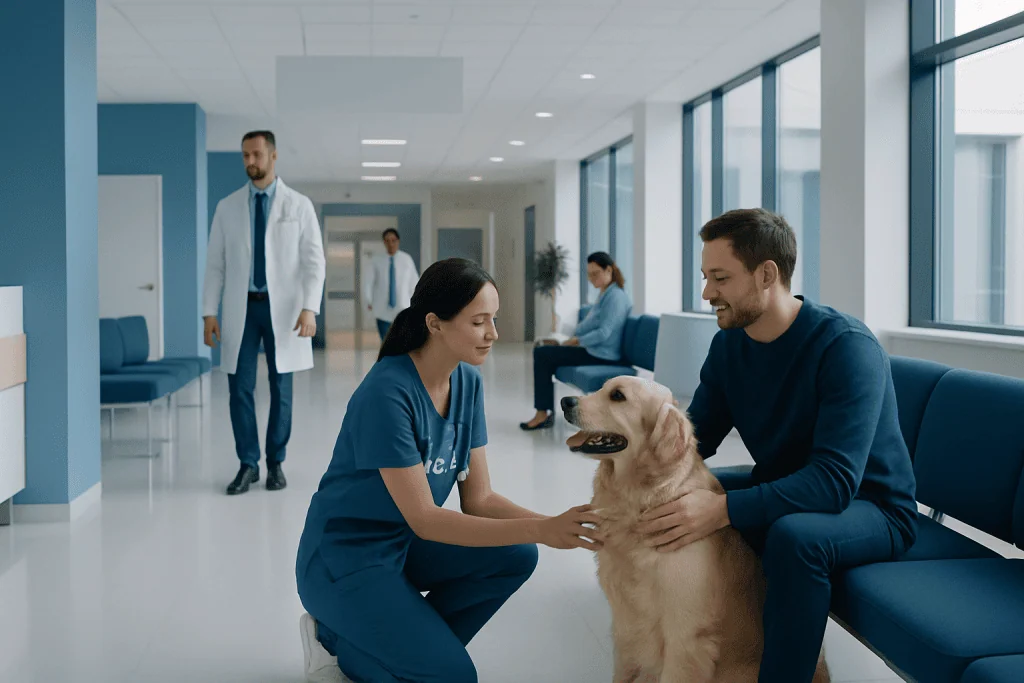
Most everyday human illnesses do not easily spread to dogs, but some infections can pass between species. Respiratory viruses, skin infections, stomach germs, and parasites may occasionally move from people to dogs.
Key Takeaways
- Most everyday human illnesses do not easily spread to dogs, but some infections can pass between species.
- Respiratory viruses, skin infections, stomach germs, and parasites may occasionally move from people to dogs.
- Human medications are a common and often preventable cause of illness in dogs.
- A dog that is vomiting, struggling to breathe, very tired, or not eating should be assessed by a veterinarian promptly.
- Good hand hygiene, careful medication storage, and limiting close contact during illness can reduce risk.
Yes, humans can sometimes make a dog sick, but it is not the most common reason a dog becomes ill. In many cases the risk is low, yet certain infections, skin conditions, close-contact behaviors, and accidental exposure to human medicines can cause problems and should be taken seriously.
Overview: Can humans get a dog sick?
Yes, humans can sometimes get a dog sick, but this is usually uncommon and often limited to certain infections or exposures. For most households, a dog becoming ill after contact with a person is not the most likely explanation, and many mild changes in appetite, energy, or digestion have other everyday causes.
That said, some human illnesses can spread to dogs under the right circumstances. Close face-to-face contact, shared bedding, coughing near a dog, poor hand hygiene, active skin infections, or contact with stool or vomit can increase the chance of transmission. In addition, people may unintentionally harm dogs through non-infectious routes, especially when a pet swallows human medication or is exposed to creams, nicotine products, alcohol, or cleaning agents.
The most helpful way to think about this topic is in three parts: what is usually harmless, what warning signs deserve attention, and what steps a clinician or veterinarian may take to find the cause. If a dog appears unwell after a person in the home has been sick, a veterinarian can help sort out whether the problem is likely related or whether another illness is more probable.
How illness can pass from people to dogs
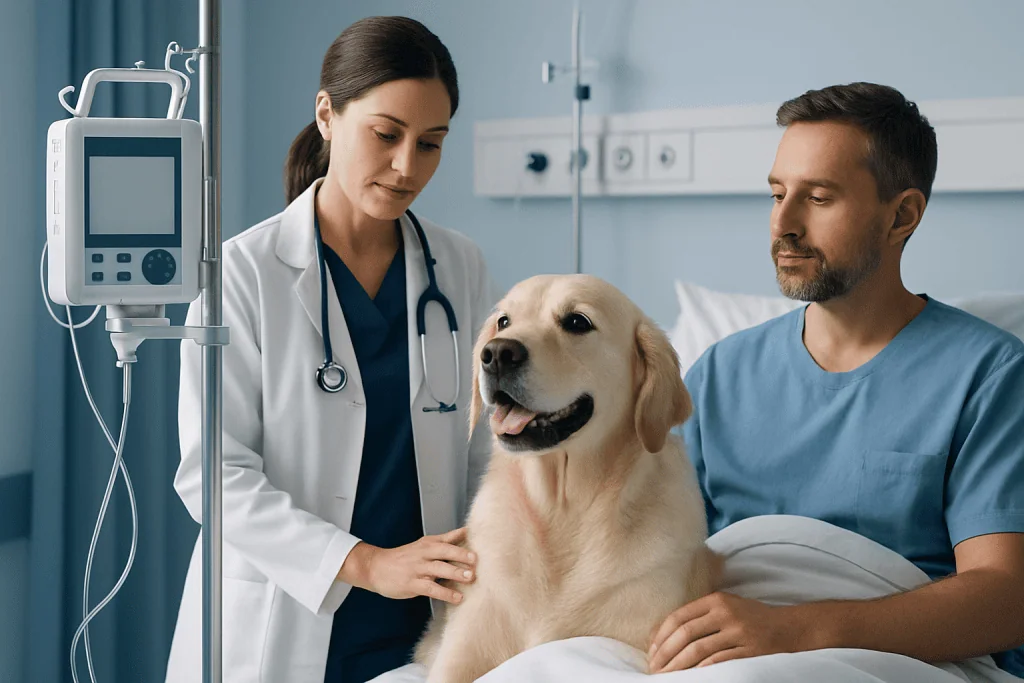
Some germs are species-specific, meaning they mainly infect humans or mainly infect dogs. Others are more flexible and can occasionally infect both. This kind of spread from a person to an animal is sometimes called reverse zoonosis. It is less widely discussed than infections passing from animals to humans, but it is a real medical and veterinary concern.
Respiratory infections are one possible route. A few viruses and bacteria that affect the human nose, throat, or lungs may also infect dogs in rare or limited situations. This does not mean that every cough or cold will make a dog ill, only that close exposure can occasionally matter. If there are persistent human respiratory symptoms, conditions related to pneumonia or other infections should be assessed by a doctor, especially if fever, chest pain, or shortness of breath are present.
Skin-to-skin spread can happen as well. Certain bacterial skin infections, fungal infections such as ringworm, and parasites can move between people and pets through touching, shared surfaces, or contaminated items like towels and bedding. Digestive illnesses are another possible route, especially when stool, vomit, or unwashed hands contaminate food bowls, floors, or the dog’s fur.
Finally, some of the biggest risks are not infections at all. Dogs may lick skin treated with medicated creams, chew dropped tablets, drink from a cup containing alcohol, or swallow nicotine gum or vaping liquids. These exposures can make a dog seriously ill and often require urgent veterinary care.
Which human illnesses or exposures are most relevant?
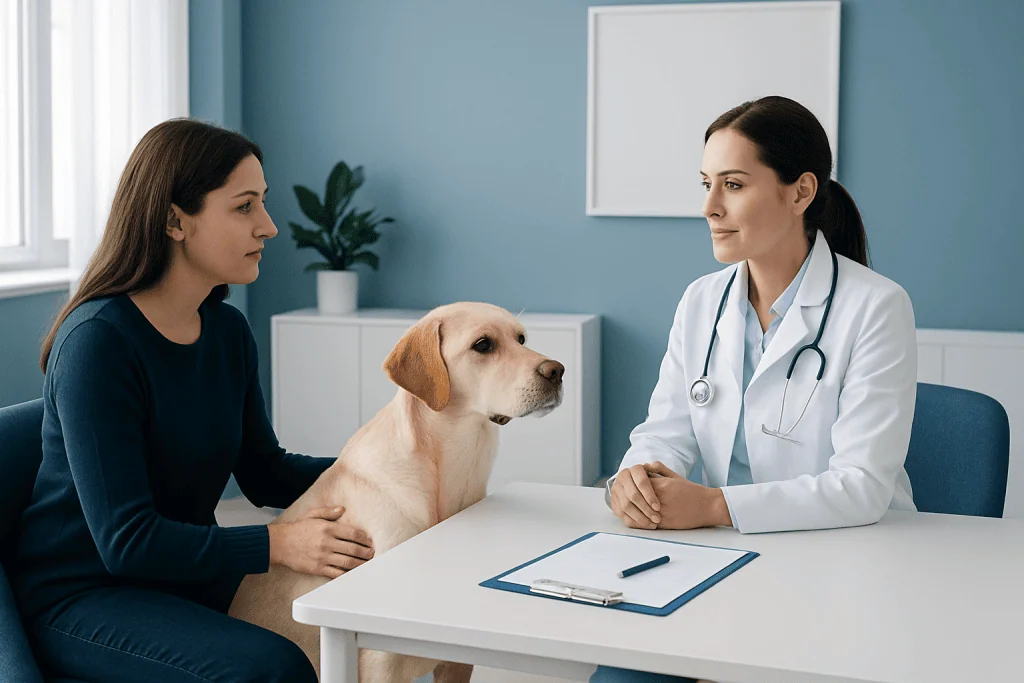
Upper respiratory illnesses receive a lot of attention, but the risk varies by germ. Dogs do not reliably catch the same viruses that cause the average human cold. However, some respiratory pathogens have been reported to move between humans and animals in specific settings. Close contact may be more relevant if a person has fever, significant coughing, or a confirmed contagious respiratory infection. If there is concern about a serious respiratory infection in a person, medical evaluation and, when appropriate, tests such as chest X-ray may be used to investigate symptoms.
Stomach and intestinal germs can also matter. Bacteria, viruses, and parasites that spread through poor hand hygiene or environmental contamination may occasionally affect both people and dogs. A dog that develops diarrhea after household members have had a stomach bug may need veterinary advice, especially if the dog is young, elderly, small, or already ill.
Skin problems are another important category. Ringworm, staph infections, and some mites can spread with close handling. Dogs may develop itching, flaky patches, redness, or hair loss. Human skin conditions are not always contagious, but when there is uncertainty, a doctor may help identify whether a rash could be infectious. Depending on the symptoms, assessment by dermatology specialists may be useful for the person involved.
Medication and household toxin exposure is especially important because it is common and preventable. Pain relievers, antidepressants, diabetes medicines, decongestants, topical hormone products, and sleep medications can all be dangerous to dogs. Even if the original question is whether a human infection caused the illness, a veterinarian will usually ask first about possible access to medications, foods, and chemicals.
Signs that may suggest a dog is sick after human contact
Symptoms in dogs are often non-specific, which means they do not point to one exact cause on their own. A dog may seem tired, eat less, vomit, have diarrhea, cough, sneeze, scratch more than usual, or develop a new rash or bald patch. These changes can happen with infection, stress, diet change, allergies, toxin exposure, or many unrelated illnesses.
Red flags matter more than any single symptom. Veterinary review should be arranged promptly if a dog has trouble breathing, repeated vomiting, bloody diarrhea, collapse, seizures, marked weakness, inability to keep water down, a swollen face, severe pain, or clear signs of dehydration. Puppies, older dogs, and dogs with chronic disease generally need earlier assessment because they can worsen faster.
If there has been a known exposure, details can help. Examples include a person in the home with a confirmed contagious infection, the dog licking a medicated skin cream, sleeping very close to someone who has been coughing, or chewing a pill bottle. Taking note of when symptoms started, what the dog may have contacted, and whether any people in the home have been unwell can make the veterinary visit more efficient.
- Possible mild signs: reduced appetite, mild cough, loose stool, itching
- More urgent signs: breathing difficulty, repeated vomiting, lethargy, neurologic symptoms
- Exposure clues: medications, creams, vomit or stool, skin lesions, intense respiratory contact
How doctors and veterinarians investigate the cause
If a dog becomes sick around the same time as a person, the first step is usually not to assume the illness passed from human to dog. Instead, clinicians look for the most likely explanation based on symptoms, timing, and known exposures. A veterinarian may ask about diet, vaccines, travel, boarding, walks in dog parks, access to trash, water intake, contact with other animals, and possible toxins at home.
If a person in the household is also ill, that person may need medical assessment too, especially with fever, rash, severe cough, worsening diarrhea, or signs of dehydration. Depending on symptoms, a doctor may evaluate for common infectious causes, skin disorders, or complications such as gastroenteritis. The goal is to clarify whether there is a contagious illness, a separate unrelated condition, or an exposure that could affect both person and pet.
Diagnostic testing depends on the situation. For the dog, a veterinarian may consider a physical examination, stool testing, skin scraping, fungal testing, blood work, or respiratory testing. For the person, a doctor may use history, examination, swabs, stool tests, or imaging when needed. If a skin source is suspected, identifying the exact cause can guide treatment and reduce repeat spread within the household.
In complex cases, a coordinated approach can help. Near the end of the care pathway, some families may benefit from multidisciplinary input. Acibadem International’s multidisciplinary specialists in JCI-accredited hospitals diagnose and treat infectious, skin, and respiratory conditions for international patients when human medical evaluation is needed.
What treatment and next steps may involve
Treatment depends entirely on the cause. If the issue is a mild, self-limited problem, a veterinarian may recommend monitoring, hydration, diet adjustment, or specific supportive care. If there is a skin infection, ringworm, or parasite, the dog may need targeted treatment and environmental cleaning. If accidental poisoning is suspected, urgent veterinary treatment is often needed right away.
For people in the household, treatment may range from simple self-care to medical evaluation for respiratory, digestive, or skin conditions. In some situations, doctors may use tests to clarify whether a bacterial infection is present and whether treatment is necessary. If there are symptoms suggesting a chest infection, a doctor may assess for complications and consider options linked to pneumonia treatment.
It is best not to give a dog any human medicine unless a veterinarian specifically instructs it. Even familiar over-the-counter drugs can be unsafe in pets. Likewise, people with rashes, draining skin lesions, severe cough, or stomach infection symptoms should avoid close face licking, shared bedding, and handling food bowls until the cause is clearer.
Cleaning can be part of treatment and prevention. Washing hands, laundering bedding, disinfecting contaminated surfaces, and safely storing medicines all lower the chance of ongoing transmission or accidental exposure. If either the person or dog is prescribed treatment, following the plan as directed helps reduce recurrence.
Prevention and self-care at home
Most households can reduce risk with simple habits. Handwashing after coughing, sneezing, using the bathroom, handling bandages, or applying medicated creams is one of the most effective steps. During any contagious illness, limiting kissing, face-to-face sleeping, and direct contact with a dog’s nose, mouth, and eyes is sensible.
Medication safety is equally important. Tablets, capsules, creams, patches, inhalers, and drops should be stored out of reach. Spilled pills should be picked up immediately, and topical medicines should be covered or allowed to absorb fully before close pet contact. Food items that are harmless to people may also be toxic to dogs, so sharing human snacks should be avoided unless a veterinarian says they are safe.
Environmental hygiene can help if a stomach bug or skin infection is in the home. Bowls, bedding, floors, and frequently touched surfaces should be cleaned regularly. People with suspected contagious rashes may need separate towels and careful laundry handling until they have medical advice. These steps are practical and reassuring rather than restrictive, and they are often enough to lower household risk.
When to seek medical care
A person should seek medical care if they have a high fever, worsening cough, chest pain, shortness of breath, severe vomiting or diarrhea, signs of dehydration, or a rash that is spreading, painful, or draining. Medical review is also important for infants, older adults, pregnant people, and anyone with a weakened immune system. Prompt care can help identify infections that may also have implications for household contacts, including pets.
A dog should see a veterinarian promptly if there is trouble breathing, repeated vomiting, persistent diarrhea, blood in stool, collapse, seizures, severe itching, widespread hair loss, or suspected exposure to human medication or toxins. If the concern is urgent poisoning, emergency veterinary advice is needed immediately. Bringing a list of the person’s recent illness, the dog’s symptoms, and any possible exposures can help both medical and veterinary teams.
Most of the time, the answer to can humans get a dog sick is that the risk is limited and manageable. Still, when red flags appear, early assessment is the safest next step for both the person and the pet.
Frequently asked questions
Can dogs catch a human cold?
Usually, the common viruses that cause human colds do not spread easily to dogs. However, some respiratory infections may occasionally affect both people and animals, so it is still wise to reduce close face-to-face contact if someone in the home is ill.
Can my dog get sick if I have the flu or another viral infection?
Some viruses have limited potential to spread between humans and animals, but this is not the usual outcome for most everyday infections. If a dog develops coughing, lethargy, poor appetite, or breathing changes after exposure to a sick person, a veterinarian should advise on the next steps.
What is more dangerous to dogs: infection from a person or human medication?
Human medication is often a more immediate and preventable danger. Many medicines that are safe for people can be toxic to dogs, even in small amounts, so any suspected ingestion should be treated as urgent.
Can skin infections spread from people to dogs?
Yes, some can. Ringworm, certain bacterial infections, and some parasites may pass through direct contact or contaminated bedding, towels, or surfaces, which is why hand hygiene and early treatment are important.
How can someone tell whether their dog got sick from them?
It is often hard to know without a proper assessment because many dog symptoms are non-specific. The timing of illness, the type of human infection, close-contact habits, and any medication or toxin exposure all help a veterinarian judge whether a link is likely.
Should a person isolate from their dog when sick?
Complete isolation is usually unnecessary, but sensible precautions can help. Good handwashing, avoiding kissing or face licking, not sharing bedding during active illness, and keeping medicines secured are practical steps until symptoms improve or a doctor gives guidance.
This article is for general information only and is not a substitute for professional medical advice. Please consult a qualified doctor about your individual situation.
Explore treatments in Turkey — costs, top hospitals & a free quote
JCI-accredited · board-certified surgeons · reply within 24h
Add us as a Preferred Source to see more of our trusted health content across Google Search, AI Overviews and Discover.

More from the Health Library

Is Sauerkraut Good for You? A Doctor-Reviewed Answer

Heartburn Symptoms: Possible Causes and When to Seek Care

How Long Does Lexapro Stay in Your System? Here Is What the Evidence Says

How Do You Get Rid of Black Elbows? Here Is What the Evidence Says

How to Delay Your Period by One Week Safely