How to Delay Your Period by One Week Safely

Clinician-prescribed hormonal options can postpone a period, but they are not suitable for everyone. Hormonal combined birth control can sometimes be used continuously to skip the withdrawal bleed.
Key Takeaways
- Clinician-prescribed hormonal options can postpone a period, but they are not suitable for everyone.
- Hormonal combined birth control can sometimes be used continuously to skip the withdrawal bleed.
- Norethisterone may be prescribed for short-term period delay in appropriate patients, but it is not contraception.
- Stress, illness, travel, weight changes and hormonal conditions can naturally make a period late.
- A pregnancy test and medical review are important when pregnancy is possible or bleeding patterns change unexpectedly.
A period can often be delayed by about one week using certain hormonal methods, but the safest option depends on whether the person already uses hormonal contraception and on their medical history. A one-off late or missed period is also commonly harmless, but pregnancy and other causes should be considered before attempting to change the cycle.
Can a Period Be Delayed by One Week?
For many people, it is possible to delay a period by approximately one week with a clinician-prescribed hormonal method. This is commonly considered for travel, sporting events, religious observance, special occasions, or simply for personal convenience. It is usually safe when the method is chosen after considering the person’s health history, current medicines, and likelihood of pregnancy.
The right approach differs depending on whether the person already uses hormonal contraception. Someone taking a combined oral contraceptive pill may often be able to take active pills continuously rather than having a pill-free or inactive-pill interval. For someone who does not use hormonal contraception, a doctor may consider a short course of a progestogen medicine such as norethisterone, where medically appropriate.
Period delay medicines should not be started without professional advice, particularly for people with a history of blood clots, certain migraines, liver disease, unexplained vaginal bleeding, or hormone-sensitive cancers. They also do not reliably protect against pregnancy unless they are being used as an approved contraceptive method.
Why a Period May Be Late Without Trying to Delay It
Menstrual cycles do not always follow an exact schedule. A period that arrives several days late is often not a sign of a serious problem, especially if it happens occasionally. The timing of bleeding can shift when ovulation occurs later than usual, and many everyday factors can influence ovulation.
Common reasons for a late period include emotional stress, acute illness, disrupted sleep, long-distance travel, major exercise changes, substantial weight loss or gain, and changes in eating patterns. Adolescence, the years before menopause, breastfeeding, and stopping hormonal contraception can also make cycles less predictable.
Pregnancy is an important possibility whenever vaginal sex has occurred and contraception was not used, was used inconsistently, or may have failed. Other possible contributors include thyroid disorders, polycystic ovary syndrome, elevated prolactin levels, and some medicines. Information about polycystic ovary syndrome (PCOS) may be helpful for people with persistently irregular periods alongside acne, excess facial or body hair, or weight-related concerns.
Medical Options for Delaying a Period

For people already using a combined hormonal pill, patch, or vaginal ring, a healthcare professional may advise using the active hormone phase continuously. This can prevent the hormone drop that normally triggers a withdrawal bleed. Specific instructions vary by product, so the package directions and clinician’s advice should be followed rather than assuming all contraceptives can be used in the same way.
A short-term progestogen, often norethisterone, may be prescribed to delay bleeding for people who are not using combined hormonal contraception. It is generally started before the expected period, and bleeding commonly begins within a few days after the medicine is stopped. This medicine is not suitable for all patients and should not be considered a contraceptive unless a clinician has specifically advised otherwise.
Breakthrough spotting can occur with any hormonal period-delay strategy, particularly when hormonal contraception is used continuously for the first time. Temporary effects such as breast tenderness, nausea, headache, bloating, acne, or mood changes may also occur. A clinician can explain the likely benefits, limitations, interactions, and risks of hormonal therapy in the context of the individual’s health.
- Do not borrow, share, or use leftover hormonal medicine.
- Do not rely on period-delay medicine as emergency contraception.
- Use a reliable contraceptive method if pregnancy prevention is needed.
- Seek advice before changing a contraceptive schedule or starting a new hormone medicine.
Who Should Speak With a Doctor Before Delaying a Period?
Anyone considering hormonal period delay should ideally consult a qualified doctor, gynecologist, sexual health clinician, or pharmacist with prescribing authority. This is especially important if pregnancy is possible, periods are currently very irregular, or there has been unexplained bleeding between periods or after sex.
Professional assessment is particularly important for people who have had a blood clot, stroke, heart disease, uncontrolled high blood pressure, certain types of migraine with aura, significant liver disease, or breast cancer. Smoking, especially at older reproductive ages, can also alter the balance of risks for some estrogen-containing contraceptives.
A clinician should also review other medicines and supplements, including some treatments for epilepsy, tuberculosis, HIV, and herbal products such as St John’s wort, because they can affect hormonal medicine effectiveness. Individual advice helps ensure that delaying a period does not obscure a health concern or create avoidable risks.
What a Doctor May Check for a Late or Missed Period
If a period is late unexpectedly, the first step is often a pregnancy test. Home urine tests are useful when used according to their instructions, although testing too early can lead to a false-negative result. If the result is negative but the period does not arrive, repeating the test after a few days or discussing the situation with a clinician is sensible.
During a consultation, a doctor may ask about usual cycle timing, recent stress or illness, weight or exercise changes, sexual activity, contraception, medicines, pregnancy symptoms, and associated concerns such as pelvic pain or unusual discharge. They may also ask about symptoms that suggest thyroid disease, PCOS, or menopause transition.
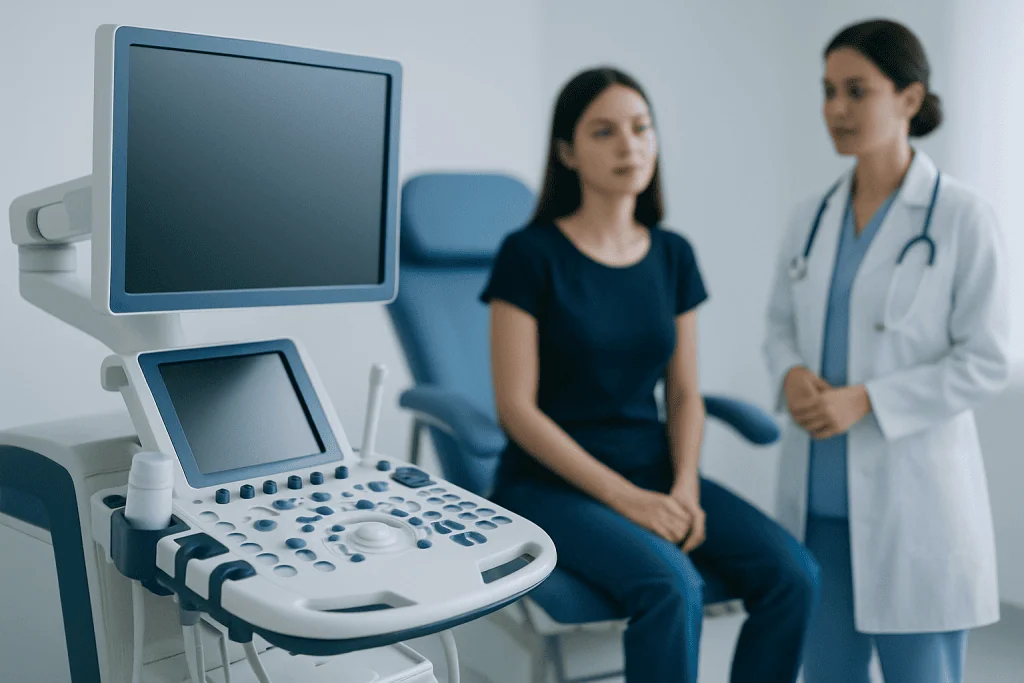
Depending on the history and examination, evaluation may include a pregnancy test, blood tests to assess hormone or thyroid function, screening for infection where appropriate, or pelvic ultrasound imaging. These tests are not needed for every late period; they are selected based on the person’s symptoms, age, cycle history, and examination findings.
Practical Steps Before and After a Planned Period Delay
Planning ahead offers the best chance of delaying a period successfully. A person should estimate when their next bleed is due, arrange medical advice early enough to begin any prescribed medicine at the correct time, and mention all existing medicines and relevant health conditions. It can help to track period dates and symptoms in a calendar or app for several months beforehand.
Natural methods, special foods, supplements, exercise routines, or home remedies have not been shown to reliably delay a period by one week. Some supplements may interact with medicines or cause side effects. A person should be cautious about online products that promise a quick period delay without a medical assessment.
After stopping a prescribed period-delay medicine, bleeding may begin within several days and can sometimes be slightly different from the person’s usual period. Keeping track of bleeding, pain, and any symptoms can be useful. If the person uses hormonal contraception, they should resume or continue it exactly as advised to maintain contraceptive protection.
When to Seek Medical Care
A late period is often temporary and harmless, but medical advice is appropriate if pregnancy is possible, if periods repeatedly become irregular, or if there is no period for three months without an expected reason such as pregnancy, breastfeeding, or menopause transition. A clinician can identify whether an underlying hormonal, gynecological, or general health issue needs attention.
Urgent medical assessment is needed for severe or worsening lower abdominal pain, fainting, dizziness, shoulder-tip pain, fever, or heavy vaginal bleeding. These symptoms can have several causes, including conditions that require prompt care. Heavy bleeding includes soaking through pads or tampons rapidly, passing large clots, or feeling weak or short of breath.
People who develop chest pain, sudden shortness of breath, coughing blood, painful leg swelling, sudden severe headache, vision changes, or weakness while taking hormonal medication should seek urgent medical care. Acibadem International’s multidisciplinary specialists and JCI-accredited hospitals provide evaluation and treatment for women’s health concerns for international patients.
Frequently asked questions
How can someone delay a period by one week?
A clinician may recommend continuous use of certain combined hormonal contraceptives for people already taking them, or prescribe a short-term progestogen for suitable patients. The safest choice depends on medical history, current contraception, and whether pregnancy is possible. It is best to seek advice before starting or changing hormonal medicine.
Can norethisterone delay a period for one week?
Norethisterone can be prescribed to postpone a period temporarily for some people. It generally needs to be started before the expected bleed, and the period usually starts a few days after it is stopped. It is not appropriate for everyone and does not provide reliable contraception.
Is it normal for a period to be one week late?
Yes, an occasional period that is one week late is common and is often related to later ovulation, stress, illness, travel, or routine changes. Pregnancy should be considered if there has been vaginal sex and pregnancy is possible. Ongoing irregularity or other concerning symptoms should be assessed by a healthcare professional.
Do home remedies delay a period?
There is no reliable evidence that foods, teas, vitamins, exercise, or other home remedies can safely delay a period by one week. Some supplements can interact with prescribed medicines or cause side effects. A medically supervised hormonal option is more predictable when a period delay is needed.
Will delaying a period affect future fertility?
A short-term, medically appropriate use of hormonal treatment to delay bleeding does not generally cause infertility. Fertility usually returns after stopping hormonal contraception, though the timing can vary by method and by the individual. A doctor can discuss personal fertility plans when choosing a period-delay approach.
When should a late period be checked by a doctor?
Medical advice is recommended if pregnancy is possible, if periods remain irregular, or if there is no period for three months without an expected explanation. Urgent assessment is needed for severe pelvic pain, fainting, very heavy bleeding, fever, or symptoms that could suggest a blood clot while using hormonal medication. A clinician can determine which tests, if any, are needed.
References
- American College of Obstetricians and Gynecologists
- National Health Service
- Mayo Clinic
- World Health Organization
- Centers for Disease Control and Prevention
This article is for general information only and is not a substitute for professional medical advice. Please consult a qualified doctor about your individual situation.
Explore treatments in Turkey — costs, top hospitals & a free quote
JCI-accredited · board-certified surgeons · reply within 24h
Add us as a Preferred Source to see more of our trusted health content across Google Search, AI Overviews and Discover.
Check your numbers in seconds
BMI, calories, due date, blood pressure and 30+ more clinical calculators — free, instant, doctor-reviewed ranges.