Can I Eat Eggs after Prostate Surgery: Procedure, Recovery and Results

Eggs are usually safe after prostate surgery and may help meet protein needs during healing. Constipation is common after surgery; fluids, fibre and gentle walking can help unless restricted by the care team.
Key Takeaways
- Eggs are usually safe after prostate surgery and may help meet protein needs during healing.
- Constipation is common after surgery; fluids, fibre and gentle walking can help unless restricted by the care team.
- Recovery at home varies, but many people gradually resume lighter daily activities over several weeks.
- A low but detectable PSA result after prostatectomy needs interpretation in the context of timing and repeat testing.
- Urinary control and erectile function can improve over months, especially when nerves can be preserved.
- Fever, worsening pain, inability to urinate, heavy bleeding or symptoms of a blood clot require prompt medical assessment.
Most people can eat eggs after prostate surgery, provided they are tolerated and their surgical team has not prescribed dietary restrictions. Eggs can be a convenient source of protein during recovery, alongside fluids, fibre-rich foods and a gradual return to a balanced diet.
Can I Eat Eggs After Prostate Surgery?
Yes. Most people can eat eggs after prostate surgery, including radical prostatectomy, once they are allowed to eat and drink normally. Eggs are soft, easy to prepare and provide protein, which the body uses to repair tissue and maintain muscle during recovery. Scrambled, poached or boiled eggs may be especially comfortable if appetite is reduced in the first few days.
The surgical team’s instructions always come first. Immediately after an operation, a person may start with clear fluids and progress to regular foods as nausea settles and bowel function returns. Eggs should be avoided only if there is an egg allergy, a specific medical reason to limit them, or an individual instruction from the surgeon or dietitian.
A recovery diet is more helpful when it is balanced rather than focused on one food. Alongside eggs, people can choose lean proteins, vegetables, fruit, whole grains and adequate fluids. Fibre and water are particularly important because anaesthesia, pain medicines and reduced movement can contribute to constipation.
How Prostate Surgery Works and Who May Need It
Prostate surgery describes several procedures performed for different conditions. A radical prostatectomy removes the prostate gland and nearby tissues to treat prostate cancer. Other operations, such as transurethral resection of the prostate (TURP) or laser procedures, remove or reduce prostate tissue that is blocking urine flow in benign prostate enlargement.
For prostate cancer, radical prostatectomy may be considered when the cancer appears confined to the prostate or when local treatment is appropriate based on the person’s overall health, cancer features, age and preferences. The decision is individualized after discussion of alternatives, which may include active surveillance, radiotherapy or other treatments.
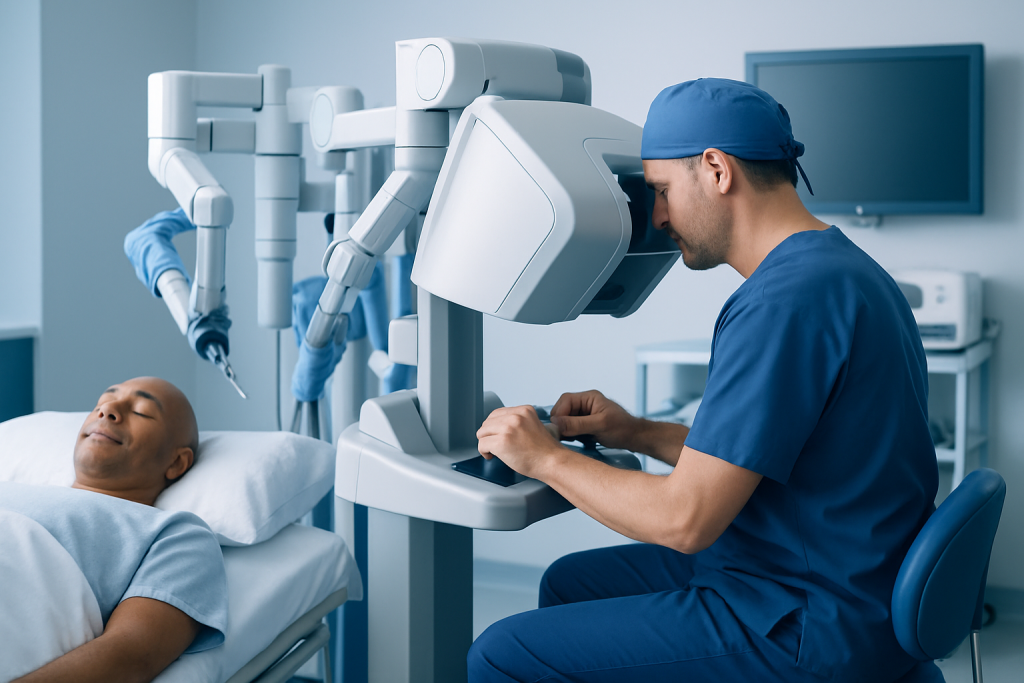
The operation may be performed through open surgery, laparoscopic surgery or robot-assisted laparoscopic surgery. In radical prostatectomy, the surgeon removes the prostate and reconnects the bladder to the urethra. When it is safe from a cancer-control perspective, surgeons may try to preserve the nerves involved in erections. People considering treatment can discuss the purpose and approach of prostate cancer treatment with their urology and oncology team.
What Happens During the Procedure?

Before surgery, patients usually have a pre-operative assessment, which may include blood tests, a review of medicines and anaesthetic planning. They are given instructions about fasting, smoking cessation, activity and medicines that may affect bleeding. The exact preparation differs according to the procedure and a person’s medical history.
During radical prostatectomy, the procedure is performed under general anaesthesia. The surgeon accesses the prostate through an incision or several small incisions, removes the gland, and may remove selected nearby lymph nodes when clinically indicated. The bladder is then joined to the urethra, and a urinary catheter is left in place while this connection heals.
After surgery, the patient is monitored for pain, nausea, bleeding and urine drainage. The catheter commonly remains for a period determined by the surgical technique and healing progress. Staff provide guidance on catheter care, wound care, movement, pain relief, pelvic-floor exercises and the safe progression of food and drink before discharge.
Recovery at Home: Food, Activity and Expected Progress
At home, eating small regular meals may be easier than having large meals, particularly if appetite is temporarily low. Eggs, yoghurt, fish, beans, poultry and other protein-containing foods can be included as tolerated. Limiting very greasy foods, excess alcohol and foods that clearly worsen nausea or bowel discomfort may be useful in the early recovery period.
Constipation should be addressed early because straining can be uncomfortable after pelvic surgery. Drinking enough water, eating fibre-containing foods and taking gentle walks can help. A clinician may recommend a stool-softening medicine for some patients. People should not use laxatives or supplements without checking their post-operative plan, particularly if they have kidney, bowel or heart conditions.
Short, frequent walks are generally encouraged to support circulation and bowel function, while heavy lifting, strenuous exercise and driving are usually delayed until the surgical team says they are safe. Healing is gradual. Fatigue, temporary urinary leakage and changes in sexual function can affect confidence, so practical support and open communication with clinicians are important parts of recovery.
- Choose protein-rich foods such as eggs, fish, poultry, legumes or dairy if tolerated.
- Drink fluids regularly unless fluid intake has been restricted.
- Increase fibre gradually to avoid bloating or discomfort.
- Follow individual instructions for catheter care, wound care and pelvic-floor exercises.
Benefits, Risks and Possible Long-Term Effects
For selected patients with prostate cancer, radical prostatectomy can remove the visible prostate cancer and provide detailed information about the tissue removed. For urinary obstruction caused by an enlarged prostate, procedures such as TURP can improve urine flow and reduce symptoms such as straining, incomplete emptying and recurrent retention.
All surgery carries potential risks. These may include bleeding, infection, blood clots, reactions to anaesthesia, urinary leakage, narrowing at the surgical connection, and temporary or persistent urinary symptoms. The likelihood and significance of complications depend on the procedure, the person’s health, the extent of disease and surgical factors.
After radical prostatectomy, urinary incontinence and erectile dysfunction are two of the most discussed longer-term effects. Some people regain control and erectile function sooner than others, and rehabilitation options are available. Treatment choices can include pelvic-floor physiotherapy, medications, vacuum devices, injections or other approaches recommended by a urologist. Related urinary concerns should be assessed rather than managed alone, especially when they suggest benign prostatic hyperplasia or another urological condition.
When to Seek Medical Care
Patients should contact their surgical team promptly if they develop a fever, chills, worsening redness or discharge from a wound, pain that is increasing rather than improving, persistent vomiting or inability to keep fluids down. New confusion, severe weakness or shortness of breath also needs urgent assessment.
Urgent medical care is needed for chest pain, sudden breathing difficulty, coughing blood, or one-sided leg pain and swelling, as these can be signs of a blood clot. People should also seek immediate advice if a catheter stops draining and the bladder becomes painful or distended, if there is heavy bleeding or large clots in the urine, or if they cannot pass urine after catheter removal.
Follow-up appointments are essential even when recovery seems to be going smoothly. They allow the clinical team to review healing, urinary control, sexual health, pathology findings where relevant, and PSA monitoring after cancer surgery. Acibadem International’s multidisciplinary specialists and JCI-accredited hospitals support diagnosis and treatment planning for international patients with prostate conditions.
Frequently asked questions
How long does it take to recover at home after prostate surgery?
Home recovery depends on the type of prostate surgery, the surgical approach and the individual’s general health. Many people can manage light daily activities within a few weeks, while full recovery from radical prostatectomy and return to strenuous activity may take several weeks or longer. Urinary control, energy levels and sexual function can continue to improve over months, so follow-up with the surgical team is important.
Is a PSA level of 0.06 after prostatectomy normal?
A PSA level of 0.06 ng/mL after prostatectomy is very low, but its meaning depends on when the test was taken, the laboratory method and whether the value changes over time. PSA is expected to fall to very low or undetectable levels after complete prostate removal, although highly sensitive tests can detect tiny amounts. The treating urologist or oncologist should interpret the result using repeat PSA tests and the person’s pathology findings.
What happens to men's life after prostate removal surgery?
Many men return to work, exercise, relationships and normal daily routines after recovery from prostate removal surgery. However, temporary or longer-lasting changes in urinary control and erections are possible, and orgasm is different because ejaculation no longer occurs after radical prostatectomy. Pelvic-floor rehabilitation, sexual-health support and regular medical follow-up can help people adapt and address treatable symptoms.
Is nerve damage common after prostate surgery?
The nerves responsible for erections run close to the prostate, so erectile function can be affected after radical prostatectomy even when surgery is carefully performed. Whether nerve-sparing surgery is possible depends mainly on the location and extent of cancer, because cancer control must remain the priority. Recovery of erections varies and may take months or longer; age, pre-operative erectile function and other health conditions also matter.
What foods should be avoided after prostate surgery?
There is usually no universal list of forbidden foods after prostate surgery. In the first days, it may be sensible to limit foods that trigger nausea, constipation, bloating or bladder irritation, such as very fatty meals, excess alcohol and large amounts of caffeine. The safest approach is to follow the discharge instructions and choose balanced meals with protein, fibre and fluids as tolerated.
Can eggs cause constipation after prostate surgery?
Eggs do not usually cause constipation on their own, but they contain little fibre. If eggs make up a large part of the diet while fruit, vegetables, whole grains and fluids are limited, constipation may be more likely. Pairing eggs with fibre-containing foods and staying hydrated can support regular bowel movements unless a clinician has advised otherwise.
References
- American Urological Association
- European Association of Urology
- National Cancer Institute
- National Health Service
- American Cancer Society
This article is for general information only and is not a substitute for professional medical advice. Please consult a qualified doctor about your individual situation.
Explore treatments in Turkey — costs, top hospitals & a free quote
JCI-accredited · board-certified surgeons · reply within 24h
Add us as a Preferred Source to see more of our trusted health content across Google Search, AI Overviews and Discover.

More from the Health Library



Related Specialists

Dr. Nilay Kayım
Functional Medicine
Prof. Dr. Abdullah Büyükçelik
Medical Oncology
Dr. Hüseyin Maçika
Anesthesiology
Dr. Osman Özdabakoğlu
Cardiology