Can Low Blood Pressure Cause Headaches? Here Is What the Evidence Says

Low blood pressure can contribute to headaches in some people, especially when blood flow to the brain temporarily drops. A headache alone does not usually prove hypotension; dizziness, faintness, blurred vision, nausea, or weakness make the link more likely.
Key Takeaways
- Low blood pressure can contribute to headaches in some people, especially when blood flow to the brain temporarily drops.
- A headache alone does not usually prove hypotension; dizziness, faintness, blurred vision, nausea, or weakness make the link more likely.
- Common triggers include dehydration, standing up quickly, illness, heat exposure, some medications, and prolonged bed rest.
- Doctors usually confirm the cause by checking blood pressure in different positions, reviewing symptoms and medicines, and looking for dehydration, anemia, heart problems, or endocrine causes.
- Urgent medical care is important if headache occurs with fainting, confusion, trouble breathing, chest pain, or signs of stroke.
Yes, low blood pressure can sometimes cause headaches, but it is not among the most common reasons for head pain. In many cases the cause is temporary and manageable, though headaches paired with fainting, chest pain, severe weakness, or confusion should be medically assessed.
Overview: can low blood pressure cause headaches?
Yes, low blood pressure can cause headaches in some situations, but it is not the most common explanation for head pain. Many headaches are related to tension, migraine, viral illness, poor sleep, eye strain, or dehydration itself rather than low blood pressure alone. When hypotension is involved, the headache often appears together with dizziness, lightheadedness, weakness, blurred vision, or a feeling that the person may faint.
For many people, a brief drop in blood pressure is harmless and improves with rest, fluids, food, or changing position more slowly. This is why the symptom is often not dangerous, especially if it happens only once and follows a clear trigger such as standing up quickly or being in a hot environment. Still, repeated episodes deserve attention because they can affect safety, daily life, and underlying health.
The key clinical point is that headaches linked to low blood pressure are usually part of a broader pattern rather than a stand-alone symptom. If a person has a persistent or severe headache, a doctor will also consider more common headache disorders as well as other medical causes. Careful assessment helps distinguish ordinary, self-limited symptoms from situations that need treatment.
How low blood pressure may trigger a headache
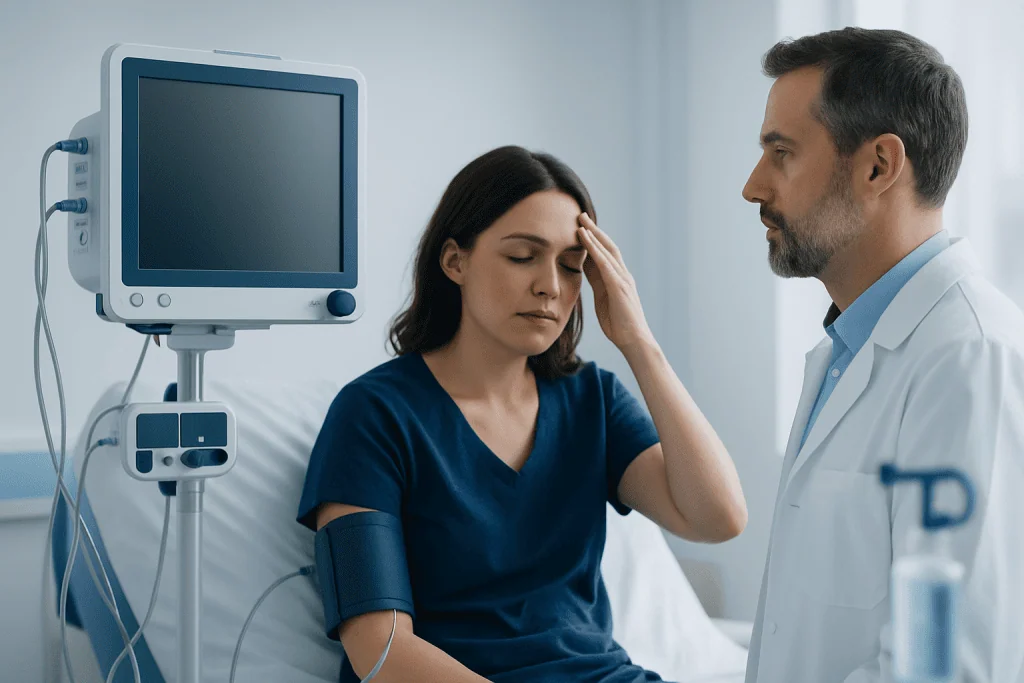
Blood pressure helps move oxygen-rich blood through the body, including to the brain. If blood pressure falls enough, or falls too suddenly, the brain may briefly receive less blood flow than usual. This can produce symptoms such as lightheadedness, dim vision, nausea, a sense of unsteadiness, and sometimes a dull or pressure-like headache.
This is more likely during positional changes, especially when moving from lying or sitting to standing. The body normally tightens blood vessels and slightly raises heart rate to maintain circulation. If that adjustment is delayed or reduced, the result can be orthostatic hypotension, a common reason people feel faint or headachy after standing up.
It is also important to separate low blood pressure from conditions that can mimic it. For example, dehydration may cause both hypotension and headache at the same time. In that case, the person may feel the headache is caused by low blood pressure, when both symptoms are actually being driven by fluid loss. This is one reason doctors look at the full picture rather than a single blood pressure reading.
Symptoms that make the connection more likely

A headache is more likely to be related to low blood pressure when it happens along with symptoms of reduced circulation or faintness. The headache may feel mild to moderate, sometimes dull rather than throbbing, and may improve after lying down, drinking fluids, or eating if low blood sugar or dehydration are contributing factors.
Symptoms that often occur with hypotension include:
- Dizziness or lightheadedness
- Feeling faint or actually fainting
- Blurred or dim vision
- Nausea
- Weakness or unusual fatigue
- Cold, clammy skin
- Poor concentration or a “foggy” feeling
On the other hand, some headache patterns point away from low blood pressure and toward other causes. A one-sided throbbing headache with sensitivity to light may fit migraine more closely. Facial pressure with nasal congestion may suggest sinus disease. A sudden, severe “worst headache” needs urgent care because it can signal a serious neurological problem.
People who often experience headache together with neck pain, visual changes, or neurological symptoms may also need evaluation for other disorders. In some cases, specialists assess whether symptoms are related to migraine or another primary headache disorder rather than hypotension alone.
Common causes and risk factors for low blood pressure
Low blood pressure may be temporary or part of an ongoing medical issue. A temporary drop can happen after not drinking enough fluids, spending too much time in the heat, vomiting, diarrhea, prolonged fasting, or getting up very quickly. Pregnancy, prolonged bed rest, and intense physical exertion can also contribute in some people.
Medications are another common factor. Drugs used for high blood pressure, heart disease, depression, anxiety, Parkinson’s disease, or erectile dysfunction may lower blood pressure too much in certain individuals. Diuretics can contribute by increasing fluid loss. This is why medication review is an essential part of evaluating headache with low blood pressure.
Underlying illnesses can also play a role. These include anemia, heart rhythm problems, endocrine disorders such as adrenal insufficiency or thyroid disease, infections, and autonomic nervous system conditions. In some patients, postural symptoms are related to hypotension itself as a recurring condition that needs ongoing management.
Risk factors for symptomatic low blood pressure include older age, chronic illness, poor oral intake, dehydration, and taking several medications at once. Even healthy people may notice symptoms when sleep-deprived, overheated, or standing for long periods.
What doctors do to find the cause
If someone asks, “can low blood pressure cause headaches,” the medical answer usually depends on context. Doctors do not rely only on one low reading. They ask when the headache starts, whether it follows standing, eating, exercise, illness, or heat exposure, and whether the person also has fainting, palpitations, chest symptoms, or neurological complaints.
The examination often includes blood pressure and pulse measured while lying down, sitting, and standing. This helps identify orthostatic hypotension. A clinician may also review hydration status, body temperature, heart and neurological findings, and all prescription or over-the-counter medicines.
Depending on the history, tests may include blood work to look for anemia, infection, dehydration, electrolyte imbalance, blood sugar problems, or hormone-related causes. An electrocardiogram may be used to assess heart rhythm. If symptoms suggest a heart problem, further cardiology evaluation may be advised.
If the headache pattern is unusual or warning signs are present, doctors may consider imaging or referral to a neurologist. In selected cases, patients benefit from neurology consultation to evaluate persistent headaches, fainting episodes, or symptoms that do not fit a simple low blood pressure pattern.
Treatment and self-care
Treatment depends on the cause. If symptoms are related to dehydration, poor intake, heat, or a mild viral illness, the first steps are usually rest, fluids, and correction of the trigger. Some people also feel better after eating a light meal or snack if symptoms happen after prolonged fasting. A doctor may recommend adjusting posture more gradually, especially when getting out of bed.
When medication is contributing, a clinician may review timing, dose, or the need for the drug. People should not stop prescribed medication on their own. If an underlying condition such as anemia, infection, endocrine disease, or heart disease is found, treating that condition usually improves the blood pressure symptoms and the associated headache.
Helpful self-care measures may include:
- Drinking enough fluids unless a doctor has advised restriction
- Standing up slowly from bed or a chair
- Avoiding prolonged standing in hot places
- Eating regular meals
- Limiting alcohol if it worsens symptoms
- Keeping a record of blood pressure readings and symptoms to share with a clinician
For some patients with recurrent positional symptoms, doctors may suggest broader assessment through internal medicine consultation to identify patterns, medication effects, or less obvious medical causes. The goal is to improve both symptom control and overall safety.
When to seek medical care
Medical review is a good idea if headaches happen repeatedly with low blood pressure symptoms, interfere with daily life, or occur without a clear trigger. It is also sensible to seek advice if there are repeated near-fainting episodes, frequent falls, marked fatigue, or a change after starting a new medicine. These situations are not always emergencies, but they do deserve evaluation.
Urgent care is needed if headache comes with fainting, chest pain, shortness of breath, confusion, severe weakness, blue lips, a very fast or very slow heartbeat, or signs of stroke such as facial drooping, trouble speaking, or one-sided numbness. A sudden severe headache, especially if it is the worst headache the person has ever felt, should also be treated as an emergency.
People who are pregnant, older adults, or those with heart disease, diabetes, kidney disease, or recent major illness should be especially careful. In these groups, blood pressure changes may have more than one cause and can be easier to overlook.
Near the end of evaluation and treatment planning, some patients may benefit from care that involves more than one specialty. Acibadem International’s multidisciplinary specialists in JCI-accredited hospitals diagnose and treat headache and blood pressure-related conditions for international patients when coordinated assessment is needed.
Frequently asked questions
Can a mild drop in blood pressure really cause a headache?
It can, but not everyone with mild low blood pressure develops head pain. A headache is more likely when the drop happens suddenly or is accompanied by dizziness, weakness, or faintness. Many mild episodes improve with hydration, rest, and slower position changes.
What does a low blood pressure headache feel like?
There is no single pattern, but some people describe it as a dull, pressure-like headache rather than a classic throbbing migraine. It may come with lightheadedness, blurry vision, or nausea and may improve after lying down or drinking fluids. The overall symptom combination is often more informative than the headache alone.
Is dehydration the same thing as low blood pressure?
No, but dehydration can lead to low blood pressure. It can also directly cause headache, fatigue, and dizziness, so the two are often linked. That is why doctors look for fluid loss, illness, and heat exposure when assessing symptoms.
Should someone check blood pressure during a headache?
If low blood pressure is suspected, checking blood pressure can be useful, especially when symptoms happen after standing. Readings are most helpful when combined with symptom timing and repeated measurements rather than interpreted in isolation. A healthcare professional can explain whether the numbers are meaningful for that person.
When is headache with low blood pressure an emergency?
It needs urgent care if it occurs with fainting, confusion, chest pain, trouble breathing, severe weakness, or stroke-like symptoms. A sudden severe headache also deserves emergency evaluation. These features suggest that something more serious than simple positional hypotension may be happening.
Can medications cause both low blood pressure and headaches?
Yes. Some heart medicines, blood pressure drugs, diuretics, and other medications can lower blood pressure too much in certain people, while some medicines may also trigger headache separately. A doctor can review whether a medicine, its dose, or a drug combination may be contributing.
This article is for general information only and is not a substitute for professional medical advice. Please consult a qualified doctor about your individual situation.
Explore treatments in Turkey — costs, top hospitals & a free quote
JCI-accredited · board-certified surgeons · reply within 24h
Add us as a Preferred Source to see more of our trusted health content across Google Search, AI Overviews and Discover.
Check your numbers in seconds
BMI, calories, due date, blood pressure and 30+ more clinical calculators — free, instant, doctor-reviewed ranges.

More from the Health Library
Head Pain After Crying: Common Causes, Related Conditions, and When to See a Doctor

How Long Does It Take to Get Into Ketosis? Causes, Explanations, and Next Steps

Svt vs Vtach: Key Differences and How Doctors Tell Them Apart

How Much Food Should I Eat a Day? Here Is What the Evidence Says
How to Stop Sweating So Much? Here Is What the Evidence Says