When Will the Placenta Form? A Doctor-Reviewed Answer

The placenta starts to develop soon after the fertilized egg implants in the uterus. Placental hormone production increases in the first trimester and the placenta gradually takes over key support functions from the corpus luteum.
Key Takeaways
- The placenta starts to develop soon after the fertilized egg implants in the uterus.
- Placental hormone production increases in the first trimester and the placenta gradually takes over key support functions from the corpus luteum.
- Most questions about when the placenta forms are part of normal early pregnancy curiosity and are not a sign of a problem.
- Ultrasound is the main way doctors assess pregnancy location, growth, and placental position later in pregnancy.
- Heavy bleeding, strong abdominal pain, dizziness, or signs of ectopic pregnancy need urgent medical assessment.
The placenta begins forming very early in pregnancy, shortly after implantation, and becomes well established by the end of the first trimester. In most pregnancies, questions about placenta timing are harmless, but bleeding, severe pain, or concerning scan findings should be reviewed by a doctor.
Overview: when the placenta forms
If a person is wondering when will the placenta form, the short answer is that it starts developing very early—soon after the embryo implants into the lining of the uterus. Although it begins forming in the first weeks of pregnancy, it continues maturing over the first trimester and is generally considered fully established by around 10 to 12 weeks.
For most people, this timeline is a normal part of pregnancy and not something to worry about. Questions about placental development often come up after a positive pregnancy test, mild cramping, light spotting, or an early ultrasound, and in many cases these are routine early pregnancy experiences.
The placenta is a temporary organ that connects the pregnant person and the developing baby through the umbilical cord. It helps deliver oxygen and nutrients, removes waste, and produces hormones that support pregnancy. Because it forms gradually, doctors usually discuss placental development as a process rather than a single moment.
How the placenta develops in early pregnancy
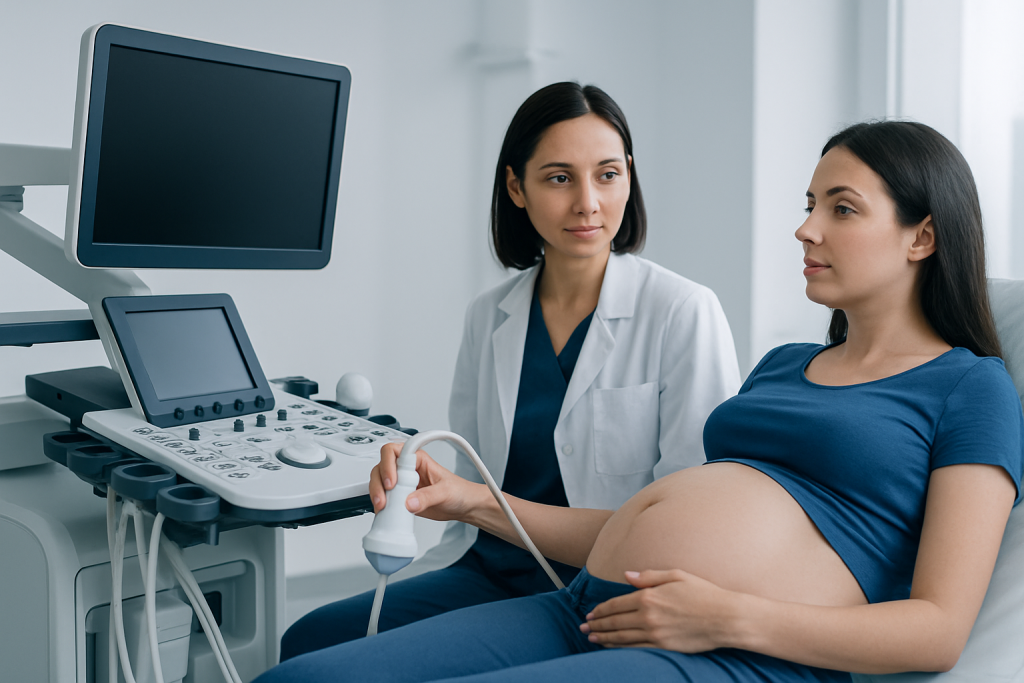
Placental development begins after fertilization, once the embryo reaches the uterus and implants into the uterine lining. Specialized cells called trophoblasts attach to and grow into the lining of the uterus. These cells are the foundation of the placenta.
In the earliest weeks, the pregnancy is initially supported by the corpus luteum, a structure in the ovary that produces progesterone. As the placenta grows, it takes over more of the hormone production needed to maintain the pregnancy. This transition is often referred to as the placenta “taking over,” and it generally happens during the late first trimester.
Small finger-like structures called chorionic villi develop as part of this process. They help create the exchange surface between the mother’s blood supply and the baby’s circulation. Over time, this structure becomes more efficient at supporting fetal growth.
It is important to know that the exact timing can vary slightly from one pregnancy to another. A doctor usually interprets placental development alongside gestational age, symptoms, pregnancy hormone levels, and ultrasound findings rather than using one fixed date alone.
What is normal, and what symptoms may need review

In early pregnancy, mild cramping, breast tenderness, fatigue, nausea, and even a small amount of spotting can occur while implantation and early placental development are taking place. On their own, these symptoms do not usually mean there is a placental problem.
However, symptoms should be reviewed if they are more intense or do not seem typical. Heavy bleeding, severe one-sided pelvic pain, shoulder pain, fainting, fever, or persistent strong abdominal pain are not considered normal signs of placenta formation. These symptoms can point to other conditions that require prompt evaluation, including miscarriage or ectopic pregnancy.
Later in pregnancy, placental concerns are usually different from those in the first trimester. Issues such as the placenta being low in the uterus may only become clear on a routine scan. A low-lying placenta or placenta previa does not mean the placenta formed too late, but it can affect pregnancy monitoring and delivery planning.
- Usually harmless: mild cramping, early nausea, fatigue, light spotting
- Needs medical advice: repeated bleeding, worsening pain, fever, unusual discharge
- Needs urgent assessment: heavy bleeding, fainting, severe pain, dizziness, shoulder pain
What can affect placental development
Most placentas develop normally without any action needed from the pregnant person. Placental formation is driven by implantation, healthy uterine blood supply, and the normal progression of pregnancy. Many people who ask when will the placenta form are simply looking for reassurance that the pregnancy is following a typical timeline.
That said, some factors can affect placental health later in pregnancy. These may include smoking, uncontrolled high blood pressure, certain autoimmune conditions, diabetes, uterine abnormalities, and multiple pregnancy. These factors do not always cause problems, but they may lead to closer follow-up.
Doctors also pay attention to pregnancy location and early growth. If implantation occurs outside the uterus, the placenta cannot develop normally. If there is bleeding or pain, a doctor may investigate the health of the pregnancy rather than focusing only on the placenta itself.
Placental position, attachment, and blood flow are also important as pregnancy continues. In some cases, specialist care is needed if scans suggest problems with placental placement or growth. Supportive care from obstetric teams, fetal medicine specialists, and fertility and IVF specialists may also be relevant for people with complex reproductive histories.
How doctors check the placenta and pregnancy early on
If there are symptoms or uncertainty about dates, a doctor usually starts with a clinical history and examination. Questions often include the first day of the last menstrual period, the amount of bleeding, the type of pain, prior pregnancies, and any risk factors for complications.
Blood tests may be used to measure pregnancy hormone levels, especially in very early pregnancy when ultrasound findings are not yet clear. These tests do not show the placenta directly, but they can help doctors understand whether the pregnancy is developing as expected.
Ultrasound is the main imaging tool used to assess early pregnancy. In the first weeks, the scan looks for the gestational sac, yolk sac, embryo, and heartbeat when appropriate for gestational age. The placenta itself is not always the focus on the earliest scans because it is still developing, but its future location and the overall health of the pregnancy can become clearer over time.
Later in pregnancy, ultrasound can assess placental position, appearance, and blood flow in more detail. If a pregnancy needs closer review, a doctor may recommend repeat scans or additional ultrasound assessment as part of regular prenatal care.
Treatment and monitoring if there is a concern
There is no treatment needed simply because the placenta is still forming in early pregnancy. This is a normal biological process. What doctors treat are the underlying problems that may be causing symptoms, such as threatened miscarriage, ectopic pregnancy, infection, or later placental complications.
Management depends on the specific diagnosis. Some people only need reassurance, rest guidance, and follow-up. Others may need emergency care if there is significant bleeding or signs of a pregnancy outside the uterus. If a condition is suspected, the safest next step is always individualized medical assessment rather than self-diagnosis.
Later in pregnancy, treatment may focus on monitoring placental position and fetal growth. For example, people with a low-lying placenta may need repeat imaging and changes to delivery planning. In more complex pregnancies, care may involve obstetricians, maternal-fetal medicine specialists, and imaging teams.
In selected cases, advanced pregnancy evaluation and pregnancy follow-up and delivery care help doctors track maternal and fetal well-being over time. Near the end of care, Acibadem International’s multidisciplinary specialists and JCI-accredited hospitals also diagnose and treat pregnancy-related conditions for international patients when coordinated specialist support is needed.
Self-care and when to seek medical care
Most early pregnancies benefit from simple supportive habits: attending prenatal appointments, taking prenatal vitamins as advised, avoiding smoking and alcohol, staying hydrated, and discussing any medications with a qualified doctor. These steps support general pregnancy health, although they do not directly control exactly when the placenta forms.
It is also helpful to remember that early symptoms can vary widely from person to person. Some people feel many symptoms, while others feel very few. Neither pattern, by itself, reliably shows how well the placenta is developing.
Medical care should be sought promptly for heavy vaginal bleeding, severe or worsening pelvic pain, fainting, dizziness, shoulder pain, fever, or if pregnancy symptoms suddenly change in a concerning way. A doctor should also be contacted if an ultrasound shows an unexpected finding or if there is worry about a prior placental condition in an earlier pregnancy.
Routine prenatal follow-up remains the best way to monitor pregnancy progress. If concerns arise, referral for perinatology care may help provide detailed assessment and tailored monitoring for mother and baby.
Frequently asked questions
When will the placenta form in pregnancy?
The placenta starts to form shortly after the embryo implants in the uterus, which happens very early in pregnancy. It continues developing through the first trimester and is usually well established by about 10 to 12 weeks.
When does the placenta take over from the corpus luteum?
The transition happens gradually rather than all at once. In general, the placenta takes over much of the hormone production needed to support pregnancy during the late first trimester.
Can an ultrasound show the placenta in very early pregnancy?
Very early scans focus more on confirming the pregnancy location and checking whether the pregnancy is developing as expected. As the pregnancy progresses, the placenta becomes easier to identify and evaluate on ultrasound.
Is cramping or light spotting a sign that the placenta is forming?
Mild cramping or light spotting can happen in early pregnancy and may be related to implantation or normal uterine changes. However, these symptoms are not specific to placental development, so persistent or heavy bleeding should be checked by a doctor.
What symptoms mean I should seek urgent medical care?
Heavy bleeding, severe pelvic or abdominal pain, fainting, dizziness, shoulder pain, or fever need urgent medical review. These symptoms may point to conditions that are more serious than normal early placental development.
Can the placenta form too late?
The placenta develops over time, so doctors usually look at whether the pregnancy is progressing normally rather than whether the placenta formed on a single exact day. If there are symptoms or unclear scan findings, follow-up testing helps determine whether the pregnancy is healthy.
References
- American College of Obstetricians and Gynecologists
- National Institute for Health and Care Excellence
- Royal College of Obstetricians and Gynaecologists
- Mayo Clinic
- MedlinePlus
This article is for general information only and is not a substitute for professional medical advice. Please consult a qualified doctor about your individual situation.
Explore treatments in Turkey — costs, top hospitals & a free quote
JCI-accredited · board-certified surgeons · reply within 24h
Add us as a Preferred Source to see more of our trusted health content across Google Search, AI Overviews and Discover.
Check your numbers in seconds
BMI, calories, due date, blood pressure and 30+ more clinical calculators — free, instant, doctor-reviewed ranges.