Head Pain After Crying: Common Causes, Related Conditions, and When to See a Doctor

Head pain after crying is common and is often temporary rather than dangerous. Tension, dehydration, sinus congestion, and migraine susceptibility are frequent reasons for pain after crying.
Key Takeaways
- Head pain after crying is common and is often temporary rather than dangerous.
- Tension, dehydration, sinus congestion, and migraine susceptibility are frequent reasons for pain after crying.
- The pattern of symptoms matters: pressure, throbbing, one-sided pain, and light sensitivity can suggest different causes.
- Self-care such as hydration, quiet rest, and gentle relaxation may help mild symptoms.
- Medical advice is important if the pain is severe, sudden, frequent, or comes with neurological symptoms.
Head pain after crying is usually caused by a mix of muscle tension, changes in breathing, sinus pressure, and dehydration. In many cases it improves with rest and fluids, but recurring, severe, or unusual symptoms may point to an underlying headache disorder or another medical condition.
Overview: Why crying can lead to head pain
Head pain after crying is a common experience. For many people, crying can trigger a short-lived headache or a feeling of pressure in the head and face because the body is under emotional and physical stress at the same time. Tears, facial muscle tightening, changes in breathing, and nasal congestion can all contribute.
Crying also activates the body’s stress response. Muscles in the scalp, forehead, jaw, neck, and shoulders may tighten without a person noticing. This tension can create an aching or band-like discomfort, especially if the crying episode is intense or prolonged.
In some people, crying does not directly cause the pain but acts as a trigger for an existing headache tendency, such as migraine or a tension-type headache. The meaning of the symptom often depends on the pattern: whether the pain is mild or severe, brief or persistent, and whether it comes with nausea, visual symptoms, or sensitivity to light.
How head pain after crying may feel
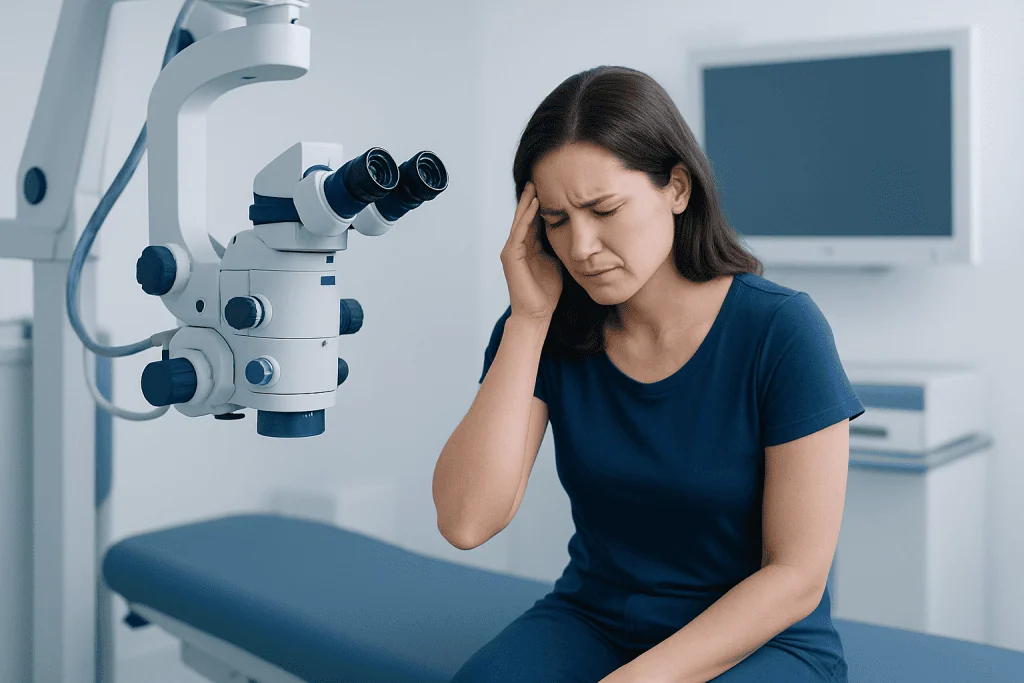
The sensation can vary from person to person. Some feel a dull, tight ache across the forehead or around the back of the head, while others notice pressure behind the eyes or in the cheeks. People who are prone to migraine may describe a throbbing or pulsing pain, sometimes on one side of the head.
Associated symptoms can give useful clues. Puffy eyes, a stuffy nose, and facial heaviness may suggest sinus and nasal swelling after crying. Tightness in the jaw, neck, or shoulders can point more toward muscle tension. Nausea, light sensitivity, sound sensitivity, or worsening pain with activity may be more typical of migraine.
Head pain may begin during crying, immediately afterward, or later once emotional stress settles. It may last only a few minutes, but in some cases it can continue for several hours. Tracking when the pain starts, what it feels like, and what helps it improve can be useful if medical evaluation is needed.
Common causes and related conditions

One of the most common reasons for head pain after crying is muscle tension. During emotional distress, the face, scalp, and neck often tense up. This can lead to a tension-type headache, which usually feels like pressure, tightness, or a band around the head rather than a sharp or throbbing pain.
Dehydration can also play a role. Crying may happen during periods of poor sleep, stress, missed meals, or low fluid intake, all of which can make a headache more likely. Hyperventilation or irregular breathing during sobbing may cause lightheadedness or discomfort that adds to the sensation of head pain.
Another frequent factor is nasal and sinus congestion. Tears drain into the nasal passages, and crying can temporarily increase swelling inside the nose. This can produce fullness or pressure around the eyes, forehead, and cheeks, especially in people who already have allergies, a cold, or sinusitis.
For people with an underlying headache condition, crying can work as a trigger rather than the sole cause. Emotional stress is a recognized trigger for migraine, and the let-down period afterward can sometimes bring on symptoms. Less commonly, crying may worsen symptoms related to jaw clenching, poor sleep, anxiety, or other chronic pain conditions. If headaches are frequent or disabling, a doctor may evaluate for headache disorders or related neurological causes.
How doctors think about the symptom
Doctors usually assess head pain after crying by looking at the whole picture rather than the crying episode alone. Important details include where the pain is located, how strong it is, how long it lasts, whether it happens every time someone cries, and whether there are warning signs such as weakness, fever, confusion, or sudden severe onset.
A medical history often helps distinguish between tension headache, migraine, sinus-related pressure, and other causes. A doctor may ask about stress, sleep, medications, hydration, caffeine use, allergies, vision problems, recent infections, and any personal or family history of migraine. If the symptom is new or changing, they may also ask about blood pressure, injury, or neurological symptoms.
Many people do not need tests when the history clearly fits a common headache pattern and the examination is otherwise normal. However, persistent, unusual, or severe symptoms may need further assessment. Depending on the situation, a doctor may recommend neurological evaluation, imaging, or other tests to rule out less common but more serious causes. If ongoing headaches are difficult to control, specialist input such as neurology care may be appropriate.
Ways to relieve mild head pain after crying
If the pain is mild and there are no concerning symptoms, simple self-care is often enough. Resting in a quiet, dim room, sipping water, and allowing breathing to slow and settle may help. Gentle stretching of the neck and shoulders can reduce tension that built up while crying.
Some people feel better with a cool compress over the eyes or forehead, especially if there is facial puffiness or pressure. If nasal congestion is part of the problem, steam inhalation, saline nasal spray, or avoiding known allergy triggers may help ease the sensation of fullness.
General headache habits can also make a difference over time. These include regular meals, enough sleep, good hydration, managing stress, and noticing personal triggers such as lack of sleep or emotional overload. If a healthcare professional advises it, over-the-counter pain relief may be used occasionally, but frequent use should be discussed because it can sometimes worsen headache patterns.
When crying episodes are frequent and linked to significant emotional strain, addressing overall mental well-being matters too. Support from a qualified mental health professional can help with stress regulation, coping strategies, and sleep, all of which may reduce recurrent headache symptoms.
When to seek medical care
Head pain after crying should be assessed by a doctor if it is severe, keeps returning, or does not fit a person’s usual pattern. New headaches in adulthood, headaches that wake someone from sleep, or pain that steadily becomes more frequent deserve medical attention.
Urgent evaluation is important if the headache comes on suddenly and intensely, or if it is accompanied by symptoms such as weakness, numbness, trouble speaking, fainting, confusion, fever, stiff neck, vision loss, or a seizure. These symptoms can signal a condition that needs prompt medical care rather than a routine stress-related headache.
Medical review is also wise if head pain follows a head injury, occurs with uncontrolled high blood pressure, or is associated with ongoing sinus symptoms, repeated vomiting, or significant changes in vision. Depending on the cause, doctors may involve specialists in brain and nerve care or other fields when needed.
Treatment depends on the underlying cause
There is no single treatment for head pain after crying because the symptom can come from different mechanisms. If the pattern is most consistent with tension-type headache, treatment usually focuses on reducing muscle tension, improving sleep, managing stress, and using appropriate pain relief when recommended by a doctor.
If the episodes are actually migraines triggered by emotional stress, a more structured plan may be helpful. This can include identifying triggers, using prescribed migraine medicines when needed, and considering preventive treatment for frequent attacks. In people with nasal blockage, allergies, or sinus inflammation, care may focus on treating the underlying nose or sinus problem.
Care is especially important when headaches are recurrent or affect quality of life. A clinician may recommend keeping a headache diary, checking for medication overuse, and looking for related factors such as jaw clenching, anxiety, sleep disorders, or eye strain. When appropriate, evaluation by ear, nose, and throat specialists or other disciplines may help clarify the cause.
Near the end of the care pathway, some people benefit from multidisciplinary assessment, especially when symptoms are complex or overlap across more than one system. Acibadem International’s multidisciplinary specialists in JCI-accredited hospitals evaluate and treat headache-related symptoms for international patients using neurology, ENT, imaging, and supportive care when appropriate.
Frequently asked questions
Is head pain after crying normal?
Yes, it is common and often happens because crying can cause muscle tension, dehydration, and temporary nasal congestion. In many people, the pain improves with rest, fluids, and time. If it is severe, unusual, or frequent, a doctor should assess it.
Can crying trigger a migraine?
Yes, crying can trigger a migraine in some people, especially if emotional stress is already a known trigger. The pain may be throbbing and may come with nausea, light sensitivity, or sound sensitivity. A consistent pattern should be discussed with a healthcare professional.
Why does the pain feel like pressure behind the eyes after crying?
Pressure behind the eyes can happen because crying increases tears and can temporarily irritate or congest the nasal passages and sinuses. Puffy tissues around the eyes can add to the feeling of fullness. This is often temporary, but persistent pressure may need evaluation.
How can someone relieve a headache after crying at home?
Helpful steps often include drinking water, resting in a calm setting, and relaxing the neck and shoulder muscles. A cool compress may help if there is facial puffiness or pressure. If symptoms keep returning, it is best to seek medical advice rather than relying on repeated self-treatment.
When is head pain after crying a warning sign?
It should be treated as a warning sign if it is sudden and extremely severe, or if it comes with weakness, numbness, confusion, fainting, fever, stiff neck, or vision changes. A headache after head injury also needs medical review. These features are not typical of a simple stress-related headache.
Can dehydration make head pain after crying worse?
Yes, dehydration can make headaches more likely and may intensify pain that follows crying. This is especially true if the person has also missed meals, slept poorly, or been under stress. Rehydration may help, but recurring headaches still deserve medical attention.
References
- American Migraine Foundation
- National Institute of Neurological Disorders and Stroke
- Mayo Clinic
- Cleveland Clinic
- MedlinePlus
This article is for general information only and is not a substitute for professional medical advice. Please consult a qualified doctor about your individual situation.
Hair transplant in Turkey — costs, graft counts & a free assessment
JCI-accredited · board-certified surgeons · reply within 24h
Add us as a Preferred Source to see more of our trusted health content across Google Search, AI Overviews and Discover.
Check your numbers in seconds
BMI, calories, due date, blood pressure and 30+ more clinical calculators — free, instant, doctor-reviewed ranges.