Can Low Iron Cause Headaches? Here Is What the Evidence Says
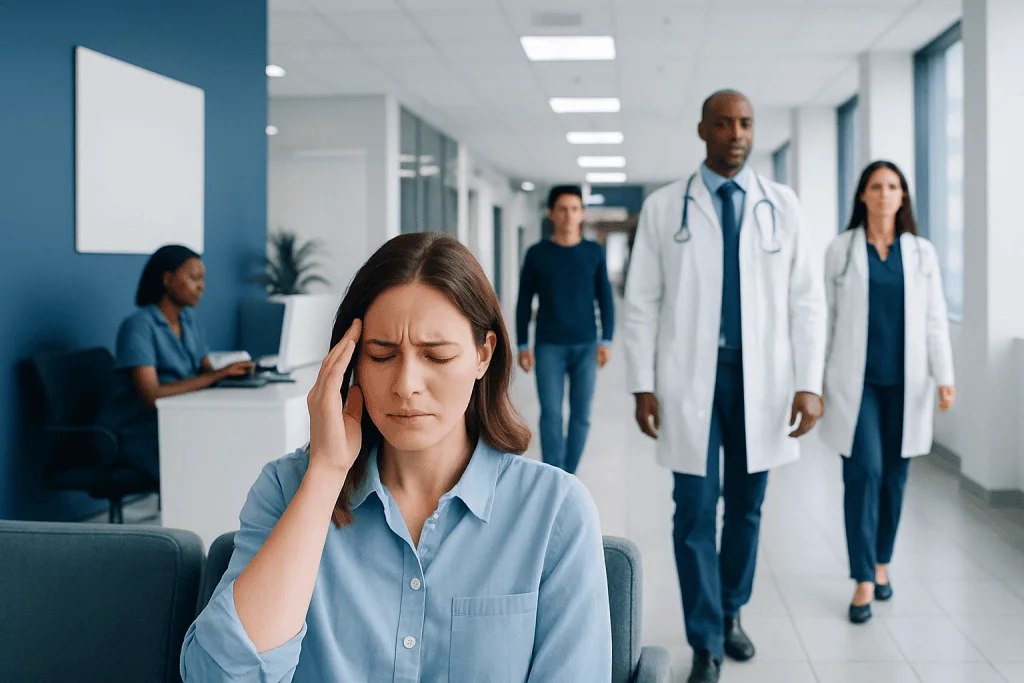
Low iron can cause or worsen headaches, especially if it leads to iron deficiency anemia. Headaches linked to low iron often occur alongside fatigue, weakness, dizziness, poor concentration, or shortness of breath.
Key Takeaways
- Low iron can cause or worsen headaches, especially if it leads to iron deficiency anemia.
- Headaches linked to low iron often occur alongside fatigue, weakness, dizziness, poor concentration, or shortness of breath.
- A doctor usually confirms iron deficiency with blood tests such as a complete blood count and iron studies.
- Treatment focuses on finding the cause of low iron and safely restoring iron levels.
- Sudden severe headaches or headaches with neurological symptoms need prompt medical assessment.
Yes. Low iron can contribute to headaches, particularly when iron deficiency becomes significant enough to affect oxygen delivery and overall energy levels. Many headaches are not caused by iron problems, but persistent headaches along with fatigue, paleness, shortness of breath, or heavy periods are reasonable reasons to seek medical advice.
Overview: Can low iron cause headaches?
Yes, low iron can cause headaches in some people. This is most likely when iron deficiency becomes significant enough to reduce the body’s ability to make healthy red blood cells, a condition called anemia. In that setting, less oxygen may reach tissues as efficiently as usual, which can contribute to headache, fatigue, and a general sense of low energy.
That said, headaches are very common and often have other explanations, such as tension-type headache, migraine, dehydration, poor sleep, eye strain, or illness. In many cases, a headache is harmless and short-lived. The key is to look at the whole pattern: if headaches happen together with symptoms such as unusual tiredness, pale skin, dizziness, shortness of breath, or heavy menstrual bleeding, low iron becomes a more relevant possibility.
It is also helpful to distinguish between “low iron” and “iron deficiency anemia.” A person can have low iron stores before anemia develops, and some people in that earlier stage may still notice headaches, reduced exercise tolerance, or difficulty concentrating. However, symptoms often become more noticeable once anemia is present.
How low iron may lead to headaches
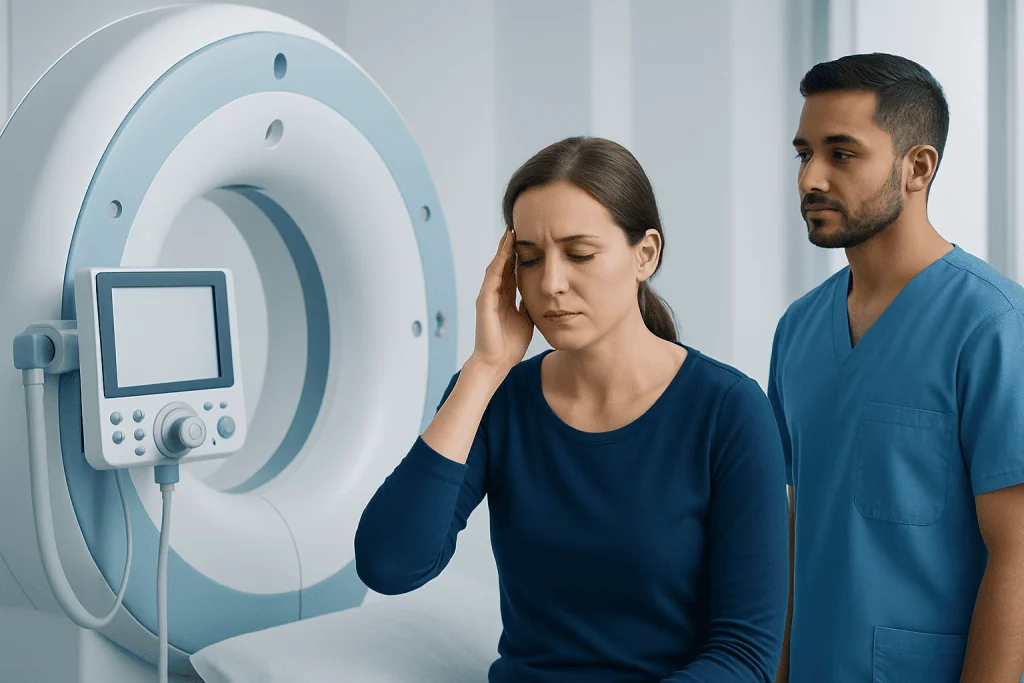
Iron is needed to make hemoglobin, the protein in red blood cells that carries oxygen around the body. When iron levels fall, the blood may carry oxygen less effectively. The brain is very sensitive to changes in oxygen delivery and blood flow, so this may help explain why some people with iron deficiency develop headaches.
Low iron may also contribute indirectly. People with iron deficiency often feel run down, sleep poorly, become less physically resilient, or notice dizziness when standing. These stresses can make a person more prone to headaches or can worsen headaches that already exist, such as migraine or tension-type headaches.
The link is supported by clinical observation and by the fact that some patients improve after the iron deficiency is treated. Still, not every headache in a person with low iron is caused by low iron, and not every person with iron deficiency gets headaches. A doctor considers iron status as one part of a broader assessment rather than assuming it is the only explanation.
Symptoms that may suggest iron deficiency

A headache related to low iron does not have one single pattern. It may feel dull, pressure-like, frequent, or simply harder to shake than usual. Some people describe brain fog or poor concentration rather than a classic severe headache. Because the symptom is non-specific, associated signs are often more helpful than the headache itself.
Symptoms that can occur with iron deficiency include:
- Unusual fatigue or reduced stamina
- Weakness or feeling faint
- Dizziness, especially on standing
- Pale skin or pale inner eyelids
- Shortness of breath with activity
- Rapid heartbeat or awareness of the heartbeat
- Cold hands and feet
- Difficulty concentrating
- Brittle nails or hair shedding
- Cravings for non-food substances such as ice, clay, or starch
These symptoms do not prove that iron deficiency is present, but they make it more worth checking. In children, teens, pregnant people, and those with heavy menstrual bleeding, iron deficiency can be especially common. People with digestive conditions that reduce absorption may also be at higher risk.
Common causes and risk factors for low iron
Low iron usually happens for one of three broad reasons: the body is losing blood, not getting enough iron, or not absorbing iron well. In adults, blood loss is a particularly important cause to investigate. Heavy periods are a common reason in women of reproductive age, while bleeding from the digestive tract can become a concern in both men and women, especially later in life.
Common causes and risk factors include:
- Heavy menstrual bleeding
- Pregnancy, due to increased iron needs
- Low dietary iron intake
- Bleeding from the stomach or intestines
- Frequent blood donation
- Recent surgery or injury
- Conditions that affect absorption, such as celiac disease or inflammatory bowel disease
- Use of medicines that can irritate the stomach or increase bleeding risk
Diet alone is not always the whole story. A person may eat reasonably well and still become iron deficient because of ongoing blood loss or poor absorption. That is why persistent headaches combined with possible iron deficiency symptoms should not be managed with supplements alone without understanding the underlying cause.
How doctors diagnose the cause of the headache
If someone asks, “can low iron cause headaches?” a doctor will usually begin by looking at the broader picture rather than focusing on the iron level alone. The medical history often covers the timing of the headaches, their severity, associated symptoms, menstrual history, diet, medicines, pregnancy status, and any signs of bleeding such as black stools or blood in the stool.
Blood tests are commonly used to confirm or rule out iron deficiency. These may include a complete blood count, ferritin, serum iron, transferrin saturation, and other iron studies. Ferritin is especially useful because it reflects iron stores, although it can sometimes be affected by inflammation or illness. If anemia is present, the doctor may then look for the reason it developed.
Depending on the person’s age, symptoms, and risk factors, further evaluation may be needed to identify the source of iron loss. This can include assessment for heavy periods, gynecologic review, stool testing, or digestive evaluation. If the headache pattern suggests a primary headache disorder or a neurological problem, the doctor may also consider a separate neurology evaluation or imaging when appropriate.
Treatment: improving iron levels and headache symptoms
Treatment depends on the cause and severity of the deficiency. If iron deficiency is confirmed, a doctor may recommend dietary changes, oral iron supplements, or in some cases intravenous iron. The best approach depends on how low the iron level is, whether anemia is present, how well the person tolerates tablets, and whether there is a problem with absorption.
Just as important as replacing iron is finding out why the iron became low. For example, heavy menstrual bleeding may need assessment through gynecology care, while suspected bleeding in the digestive tract may require input from gastroenterology specialists. Treating the source helps prevent the problem from returning.
Headaches often improve as iron levels recover, but this may take time. A person should not take iron supplements indefinitely without guidance, because too much iron can be harmful and self-treatment may delay the diagnosis of another condition. If symptoms are severe, worsening, or not improving as expected, the treatment plan should be reviewed by a qualified doctor.
Self-care and prevention
Helpful self-care starts with supporting overall health while waiting for medical advice or treatment to work. Regular meals, good hydration, adequate sleep, and avoiding skipped meals can reduce the burden of common headache triggers. It can also help to keep a simple symptom diary noting headaches, menstrual bleeding, tiredness, and any factors that make symptoms better or worse.
Dietary sources of iron include red meat, poultry, fish, beans, lentils, chickpeas, tofu, dark leafy greens, nuts, seeds, and iron-fortified cereals. Vitamin C can improve iron absorption, so pairing iron-rich foods with citrus fruits, berries, tomatoes, or peppers may be useful. Some people are advised to avoid taking iron at the same time as substances that reduce absorption, such as tea, coffee, or calcium-rich products, but the exact plan should follow medical advice.
Prevention is especially important for people with known risk factors, such as heavy periods, pregnancy, recent childbirth, restrictive diets, or digestive disorders. In these situations, regular follow-up and occasional blood tests may be recommended. Near the end of the care pathway, patients seeking coordinated assessment may find that Acibadem International’s multidisciplinary specialists and JCI-accredited hospitals diagnose and treat iron deficiency and related causes for international patients.
When to seek medical care
Many headaches are not serious, and a mild occasional headache does not necessarily mean there is an iron problem. Still, medical review is sensible if headaches are persistent, more frequent than usual, or occur together with fatigue, shortness of breath, paleness, dizziness, heavy periods, or signs of blood loss. It is also important to seek advice before starting long-term iron supplements, because treatment should be based on the cause, not only the symptom.
Urgent medical attention is needed for red flags such as a sudden severe “worst headache,” headache after head injury, confusion, fainting, new weakness or numbness, difficulty speaking, seizure, fever with neck stiffness, or vision loss. These features are not typical of simple iron deficiency and may point to another condition that needs prompt evaluation.
If the diagnosis remains uncertain or symptoms are complex, a broader headache workup may be needed to rule out other causes, including migraine or other neurological conditions. Getting assessed early is reassuring for many people and helps ensure that treatable problems are not missed.
Frequently asked questions
What does an iron deficiency headache feel like?
There is no single headache pattern that proves iron deficiency. Some people notice a dull, persistent ache, while others describe pressure, lightheadedness, or mental fog. The headache is more suggestive of low iron when it appears alongside fatigue, weakness, paleness, or shortness of breath.
Can low iron cause headaches without anemia?
It can in some cases. Low iron stores may cause symptoms before anemia is fully developed, especially tiredness, reduced stamina, and difficulty concentrating. However, headaches are usually easier to connect to iron deficiency once blood tests show clearer evidence of deficiency or anemia.
Will iron supplements make the headaches go away?
They may help if iron deficiency is truly part of the cause. Improvement is often gradual rather than immediate, and headaches can still have other triggers at the same time. It is safest to take iron under medical guidance, because the cause of the deficiency also needs attention.
Who is most likely to get headaches from low iron?
People with heavy menstrual bleeding, pregnancy, low dietary iron intake, digestive absorption problems, or ongoing blood loss may be more likely to develop iron deficiency symptoms. Children, adolescents, and frequent blood donors can also be at risk. The headache itself is not unique, so blood tests are often needed to confirm the link.
Can low ferritin alone cause headaches?
Low ferritin means iron stores are low, and some people with low ferritin do report headaches, fatigue, or poor concentration even before anemia appears. Still, ferritin should be interpreted in context because it can change with inflammation or illness. A doctor usually looks at ferritin together with other blood results and symptoms.
When should a headache be checked urgently?
A sudden severe headache, a headache with weakness, trouble speaking, confusion, seizure, neck stiffness, or vision changes should be assessed urgently. These symptoms are not typical of simple iron deficiency. They may point to a different condition that needs prompt medical care.
References
- World Health Organization
- National Heart, Lung, and Blood Institute
- Centers for Disease Control and Prevention
- National Institute of Neurological Disorders and Stroke
- American Society of Hematology
This article is for general information only and is not a substitute for professional medical advice. Please consult a qualified doctor about your individual situation.
Explore treatments in Turkey — costs, top hospitals & a free quote
JCI-accredited · board-certified surgeons · reply within 24h
Add us as a Preferred Source to see more of our trusted health content across Google Search, AI Overviews and Discover.