

Can Neuromuscular Disease Be Cured? Treatment Goals and Realistic Outcomes

Neuromuscular disease includes many different disorders, so treatment and prognosis vary widely. Some neuromuscular conditions can improve or stabilize with treatment, but many are managed rather than cured.
Key Takeaways
- Neuromuscular disease includes many different disorders, so treatment and prognosis vary widely.
- Some neuromuscular conditions can improve or stabilize with treatment, but many are managed rather than cured.
- Treatment goals often include slowing progression, reducing symptoms, preventing complications, and maintaining independence.
- Early diagnosis can help patients access supportive therapies, respiratory care, and rehabilitation sooner.
- A multidisciplinary care plan is often the most effective approach for long-term management.
Neuromuscular disease is a broad term for conditions that affect nerves, muscles, or the connection between them. While some causes are treatable and a few are reversible, many conditions are managed with long-term care focused on preserving strength, mobility, breathing, and quality of life.
Overview: Can Neuromuscular Disease Be Cured?
Neuromuscular disease refers to a group of disorders that affect the muscles, the nerves that control them, or the junction where nerves communicate with muscles. These conditions can lead to weakness, muscle wasting, cramps, fatigue, swallowing problems, or breathing difficulties. Because the term covers many different diseases, there is no single answer to whether neuromuscular disease can be cured.
In some cases, the underlying cause is treatable. For example, certain inflammatory, autoimmune, infectious, metabolic, or toxin-related neuromuscular disorders may improve significantly when the cause is identified and treated early. Other conditions, especially inherited or progressive degenerative disorders, usually cannot be fully cured with current medicine, but they can often be managed effectively.
For many patients, the main treatment goals are to slow disease progression when possible, ease symptoms, maintain movement and breathing, support nutrition, and preserve independence for as long as possible. Realistic outcomes depend on the exact diagnosis, the stage of disease, the patient’s age and overall health, and how quickly treatment begins.
A clear diagnosis is important because neuromuscular diseases differ greatly. Examples include muscular dystrophies, peripheral neuropathies, myasthenia gravis, inflammatory myopathies, and motor neuron diseases. Some may respond to medication or immune treatment, while others rely more on rehabilitation, assistive devices, and careful supportive care.
Common Symptoms and How They Affect Daily Life
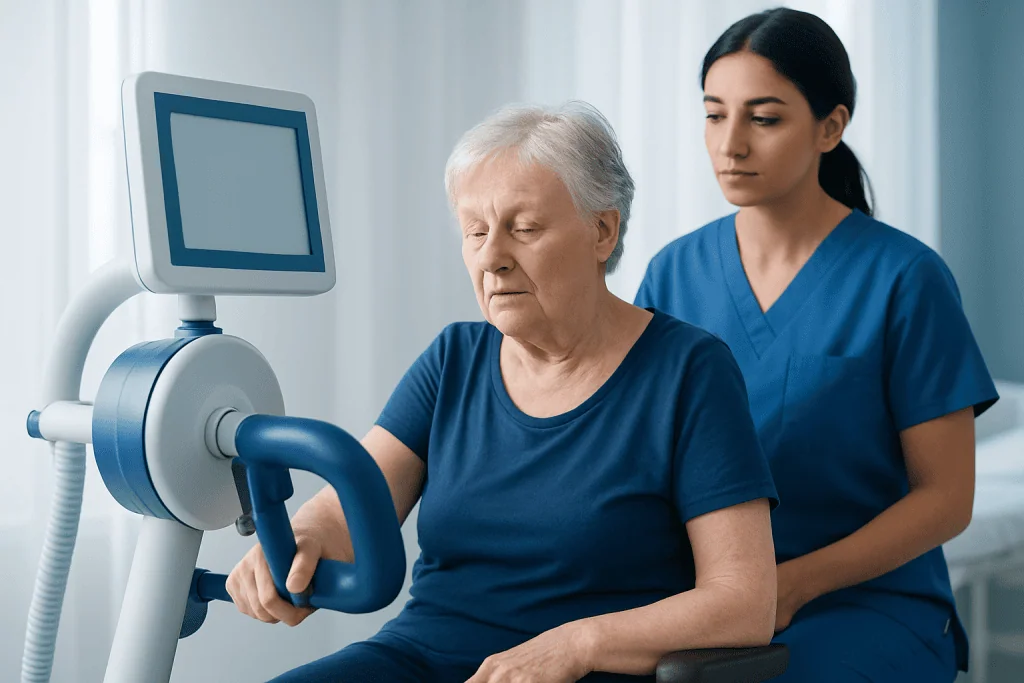
Symptoms of neuromuscular disease often begin gradually, although some conditions can appear more suddenly. The most common feature is muscle weakness. This may affect the legs, arms, hands, face, eye muscles, throat, or breathing muscles. A person may notice trouble climbing stairs, lifting objects, standing up from a chair, holding the head up, or keeping balance while walking.
Some people also experience muscle cramps, twitching, stiffness, numbness, tingling, or unusual fatigue. In disorders that affect the connection between nerves and muscles, weakness may worsen with activity and improve with rest. In others, symptoms may steadily progress over time or fluctuate in episodes.
Daily activities can become harder as symptoms increase. Tasks such as dressing, bathing, writing, swallowing, speaking clearly, or walking long distances may require more effort. If respiratory muscles are involved, even sleep quality and energy levels can be affected. Emotional health also matters, as adapting to a chronic condition can be stressful for patients and families.
- Difficulty walking or frequent falls
- Weak grip or trouble lifting the arms
- Drooping eyelids or double vision
- Problems with swallowing or speech
- Shortness of breath, especially when lying down
- Muscle pain, fatigue, or wasting
Causes, Types, and Risk Factors
Neuromuscular diseases can have many different causes. Some are genetic and may appear in childhood or adulthood. Others develop because of autoimmune activity, infections, inflammation, medication side effects, metabolic disorders, nutritional deficiencies, or damage to peripheral nerves. In some patients, the exact cause remains unclear even after extensive testing.
Doctors often classify these disorders by the part of the body they affect most. Muscle diseases include muscular dystrophies and inflammatory myopathies. Nerve disorders include peripheral neuropathies and some inherited neuropathies. Disorders of the neuromuscular junction include conditions such as myasthenia gravis. Motor neuron disorders affect the nerve cells that control voluntary movement and may include progressive conditions such as ALS.
Risk factors depend on the specific condition. A family history may increase the likelihood of inherited disease. Autoimmune disorders are more common in some age groups and may be associated with other immune conditions. Diabetes, alcohol misuse, vitamin deficiencies, exposure to toxins, and certain medications can contribute to nerve or muscle damage in some patients.
Understanding the cause helps shape treatment expectations. A reversible deficiency or inflammatory disorder may improve with targeted care, while an inherited degenerative condition often requires long-term symptom management. This is why specialists usually focus first on finding the most precise diagnosis possible rather than giving a general prognosis too early.
How Neuromuscular Disease Is Diagnosed
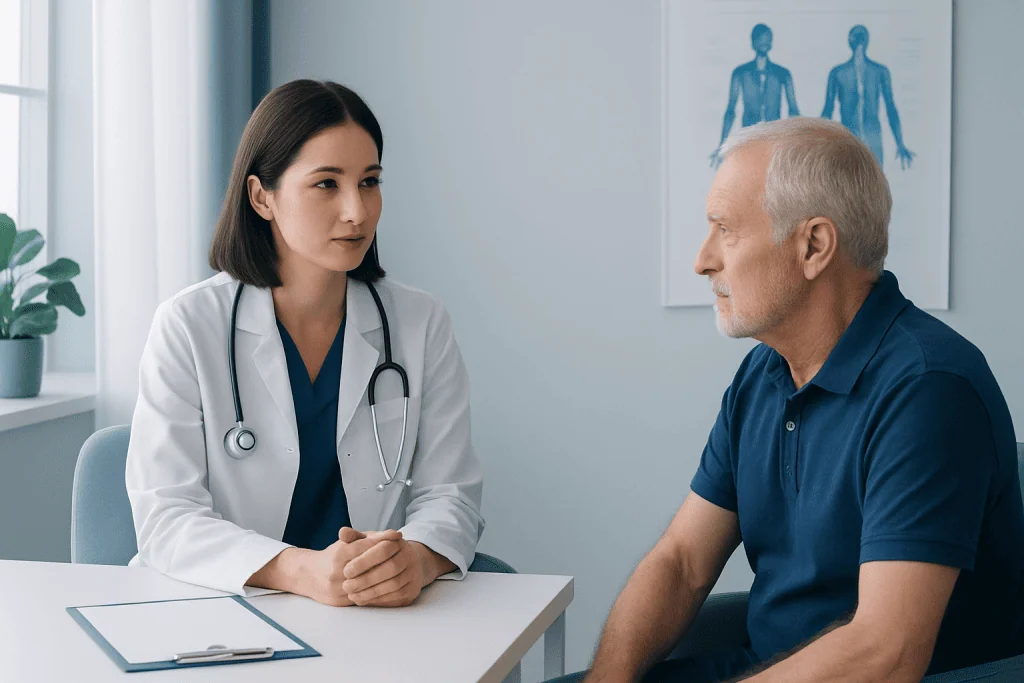
Diagnosis usually begins with a detailed medical history and neurological examination. The doctor will ask when symptoms started, whether they fluctuate, whether there is a family history, and how weakness affects daily activities. During the examination, muscle strength, reflexes, coordination, sensation, gait, eye movements, swallowing, and breathing may all be assessed.
Several tests may help identify the exact disorder. Blood tests can look for muscle injury markers, inflammation, autoimmune antibodies, vitamin deficiencies, thyroid problems, or genetic clues. Electromyography and nerve conduction studies can show whether the problem is mainly in the muscle, the nerve, or the nerve-muscle connection. Imaging and pulmonary function tests may also be needed in some patients.
In selected cases, doctors may recommend genetic testing, muscle MRI, or a muscle or nerve biopsy. These tests can help confirm rare or inherited conditions. Sleep studies or swallowing assessments may be useful when breathing or nutrition is affected. The process can take time, but it is important because treatment differs significantly from one neuromuscular disease to another.
Specialist assessment often involves neurology, rehabilitation, respiratory medicine, nutrition, physical therapy, and sometimes cardiology or genetics. This team approach can improve both diagnosis and long-term planning, especially in complex or progressive conditions.
Treatment Goals and Realistic Outcomes
Treatment depends on the exact diagnosis, but the goals are often similar: treat any reversible cause, control disease activity when possible, reduce symptoms, prevent complications, and help the patient stay active and independent. For some autoimmune or inflammatory disorders, medications can reduce abnormal immune activity and lead to meaningful improvement. For inherited conditions, treatment may focus more on supportive care and function.
Common treatment approaches may include medications, respiratory support, nutrition support, pain management, and rehabilitation. Physical and occupational therapy can help maintain strength, flexibility, posture, and daily function. Speech and swallowing therapy may help patients who have difficulty eating or communicating. In some cases, targeted interventions such as physical therapy and rehabilitation or neurology care are central to long-term management.
Realistic outcomes vary. Some patients improve noticeably, especially when the condition is diagnosed early and the cause is treatable. Others may remain stable for long periods with regular monitoring and supportive care. In progressive disorders, treatment may not stop the disease completely, but it can still make a meaningful difference in comfort, mobility, safety, and quality of life.
Breathing and swallowing support are especially important in advanced disease. Patients who develop respiratory muscle weakness may benefit from monitoring and timely use of supportive treatments. Mobility aids, braces, and home adjustments may also reduce falls and conserve energy. Even when a cure is not available, these measures can help patients continue many valued daily activities.
Long-Term Management, Rehabilitation, and Self-Care
Living with neuromuscular disease often involves ongoing care rather than a single treatment. Rehabilitation can help patients adapt to changing symptoms, protect joints, reduce contractures, and maintain endurance safely. Exercise plans should usually be personalized, since overexertion may worsen fatigue in some conditions, while complete inactivity can lead to deconditioning.
Good self-care also includes attention to nutrition, sleep, emotional wellbeing, and infection prevention. Swallowing problems may require diet changes or supervised eating strategies to reduce choking risk. If breathing muscles are affected, doctors may recommend respiratory exercises, vaccinations, and regular monitoring. Patients should avoid starting supplements or strenuous exercise programs without medical guidance.
Supportive devices can be an important part of treatment rather than a sign of failure. Braces, walking aids, wheelchairs, communication tools, or breathing support may improve safety and independence. Home modifications such as grab bars, ramps, and seating adjustments can make daily life easier and reduce the risk of falls.
Near the later stages of care planning, some patients choose evaluation in centers with multidisciplinary expertise. Acibadem International’s specialists in neurology, rehabilitation, respiratory care, and supportive services in JCI-accredited hospitals diagnose and treat neuromuscular conditions for international patients when coordinated assessment is needed.
When to See a Doctor
A person should seek medical evaluation for unexplained muscle weakness, repeated falls, persistent numbness, trouble swallowing, new double vision, or increasing fatigue that affects daily life. Early assessment is especially important if symptoms are progressive or involve several parts of the body. Prompt evaluation can help identify conditions that are more treatable in their earlier stages.
Urgent medical care is needed if a patient develops shortness of breath, choking, inability to swallow liquids, sudden worsening weakness, or signs of severe infection. These symptoms can indicate serious complications and should not be ignored. Respiratory symptoms are particularly important in neuromuscular disease because breathing muscles may weaken gradually.
Regular follow-up is also important after diagnosis, even when symptoms seem stable. Monitoring helps adjust treatment, check for complications, and support changes in mobility, nutrition, or breathing. Family members and caregivers can play a helpful role by noticing subtle changes and helping communicate concerns to the care team.
Although the question of cure is understandable, many patients benefit most from asking a broader question: what can treatment achieve now? With the right plan, patients may gain better symptom control, safer swallowing and breathing, improved mobility, and a more predictable path forward.
Frequently asked questions
Can neuromuscular disease be cured completely?
Some neuromuscular disorders can improve greatly if the underlying cause is reversible, such as certain inflammatory, toxic, metabolic, or deficiency-related conditions. However, many inherited or progressive neuromuscular diseases cannot currently be cured completely and are managed with long-term treatment and supportive care.
Does treatment still help if there is no cure?
Yes. Treatment can reduce symptoms, improve mobility, support breathing and swallowing, prevent complications, and help patients stay independent for longer. Even when a disease cannot be reversed, symptom control and rehabilitation can make a meaningful difference in quality of life.
What doctor treats neuromuscular disease?
Neuromuscular disease is usually managed by a neurologist, often with additional support from rehabilitation specialists, physical therapists, respiratory physicians, nutrition experts, and speech therapists. A multidisciplinary team is especially helpful for complex or progressive conditions.
Are all neuromuscular diseases progressive?
No. Some are slowly progressive, some remain relatively stable, and some may improve with treatment. The course depends on the exact diagnosis, the underlying cause, and how early effective treatment begins.
Can exercise help neuromuscular disease?
In many patients, guided exercise and rehabilitation can help maintain flexibility, endurance, posture, and function. However, exercise should usually be tailored to the specific disease and the patient’s strength level, because overexertion may worsen symptoms in some conditions.
When is neuromuscular disease an emergency?
It can become urgent if breathing becomes difficult, swallowing is unsafe, weakness worsens suddenly, or the person cannot clear secretions. These signs may indicate a serious complication and should be assessed immediately by a doctor or emergency service.
References
- World Health Organization
- National Institute of Neurological Disorders and Stroke
- Muscular Dystrophy Association
- National Institute of Arthritis and Musculoskeletal and Skin Diseases
- American Academy of Neurology
This article is for general information only and is not a substitute for professional medical advice. Please consult a qualified doctor about your individual situation.
Explore treatments in Turkey — costs, top hospitals & a free quote
JCI-accredited · board-certified surgeons · reply within 24h
Add us as a Preferred Source to see more of our trusted health content across Google Search, AI Overviews and Discover.






