Can Pepto Bismol Make Your Stool Dark? Causes, Explanations, and Next Steps

Pepto-Bismol commonly causes dark or black stool because bismuth reacts with sulfur in the digestive tract. This color change is usually temporary and should fade after the medicine is stopped.
Key Takeaways
- Pepto-Bismol commonly causes dark or black stool because bismuth reacts with sulfur in the digestive tract.
- This color change is usually temporary and should fade after the medicine is stopped.
- Dark stool with dizziness, weakness, severe pain, vomiting blood, or a tar-like appearance needs prompt medical review.
- Doctors usually assess recent medicines, symptoms, and stool appearance before deciding whether tests are needed.
- Iron supplements, certain foods, and bleeding in the digestive tract can also darken stool.
Yes, Pepto-Bismol can make stool look dark or black, and this is often a harmless, temporary side effect. The main concern is knowing when dark stool is simply related to the medicine and when it could suggest bleeding or another digestive problem that needs medical attention.
Overview: Why Pepto-Bismol Can Change Stool Color
Yes, Pepto-Bismol can make stool look dark, grayish-black, or black. In many people, this is a harmless and short-lived effect of the medicine itself rather than a sign of disease. The change usually improves after the medication is stopped and the body clears it.
The active ingredient in Pepto-Bismol is bismuth subsalicylate. When bismuth mixes with small amounts of sulfur in saliva and in the digestive tract, it can form a dark-colored substance. This can temporarily darken the stool and sometimes the tongue as well.
Even though this side effect is common, not every black stool should be assumed to be from medication. Stool that is shiny, sticky, tar-like, or accompanied by symptoms such as faintness, abdominal pain, or vomiting may point to bleeding higher up in the digestive tract. That distinction is important, especially for people with ulcers, gastritis, or a history of digestive disease such as stomach ulcer.
What Dark Stool From Pepto-Bismol Usually Looks Like
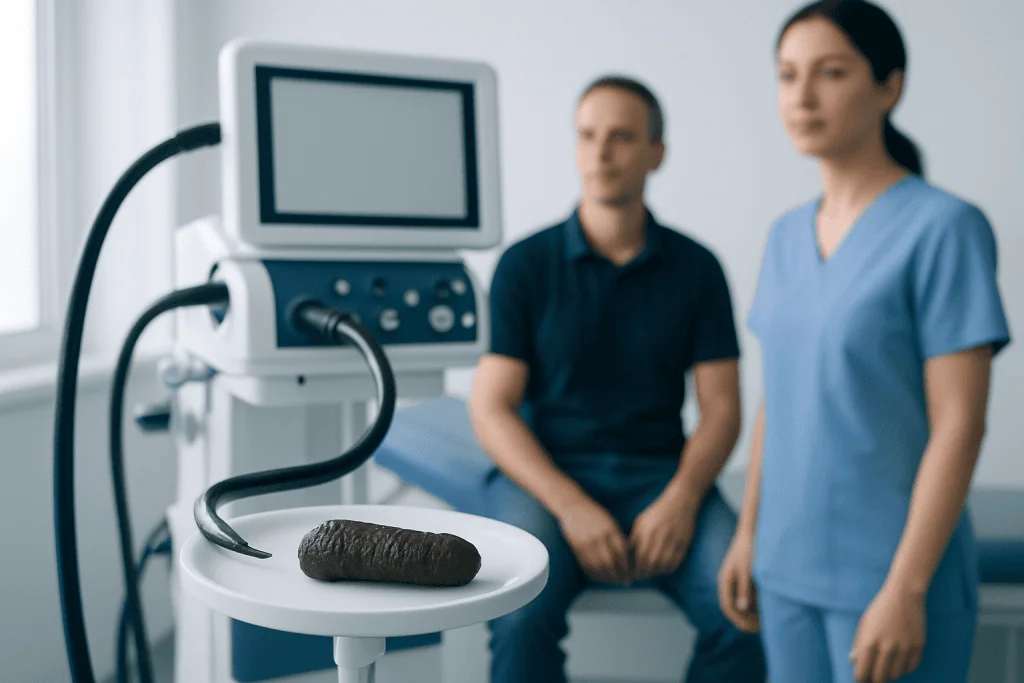
When Pepto-Bismol affects stool color, the stool may appear darker than usual, charcoal-colored, or black. Many people notice the change within a day or two of taking the medicine. It may also happen after only a few doses, depending on the person and how much was taken.
This type of dark stool often happens without other worrying symptoms. A person may otherwise feel the same as before, aside from the upset stomach, indigestion, nausea, or diarrhea that led them to use the medication. The stool may be dark, but it is not necessarily sticky or tarry.
By contrast, stool caused by bleeding in the upper digestive tract is often described as tar-like, very foul-smelling, or unusually shiny. The difference is not always easy to judge at home, so the overall picture matters. Recent medication use, diet, other symptoms, and a person’s medical history all help determine whether the color change is likely harmless or needs further evaluation.
Other Causes of Black or Dark Stool

Pepto-Bismol is only one possible reason for dark stool. Iron supplements are another common cause, and some multivitamins can have the same effect. Certain foods can also make stool appear darker, including black licorice, blueberries, dark chocolate, and foods made with dark coloring.
Sometimes dark stool is related to bleeding somewhere in the digestive system. This may happen with ulcers, inflammation of the stomach lining, esophageal irritation, or bleeding from other parts of the gut. Conditions involving the stomach or intestines, including gastritis, may sometimes lead to symptoms that overlap with medication side effects.
Less commonly, dark stool may be linked to other medicines or to changes in digestion after procedures or illness. Because the causes range from harmless to more serious, a recent timeline is useful: what was eaten, what medicines were taken, when the color change started, and whether the person has any new symptoms.
- Common non-serious causes: Pepto-Bismol, iron, dark foods
- Possible medical causes: ulcers, gastritis, bleeding in the upper gastrointestinal tract
- Important clues: dizziness, weakness, abdominal pain, vomiting, or persistent black stool
Red Flags: When Dark Stool May Need Urgent Attention
Although dark stool after Pepto-Bismol is often harmless, some symptoms should not be ignored. Medical review is more important if the stool is jet black and tar-like, or if it continues after the medicine has been stopped for several days. Concern is also higher if there is no clear medication or food explanation.
People should seek prompt medical attention if dark stool occurs with vomiting blood, material that looks like coffee grounds, severe or worsening abdominal pain, dizziness, fainting, shortness of breath, unusual weakness, or a racing heartbeat. These may suggest significant bleeding and should be assessed quickly.
Extra caution is sensible for people who take blood thinners, regularly use anti-inflammatory pain medicines, have known ulcers, heavy alcohol use, liver disease, or a history of gastrointestinal bleeding. Older adults and anyone with ongoing symptoms should also avoid assuming the color change is only a medication effect.
How Doctors Tell the Difference
If a person is unsure whether Pepto-Bismol is the cause, a doctor will usually begin with a careful history. They may ask when the stool color changed, how much Pepto-Bismol was taken, whether iron or other medicines are being used, and whether there are associated symptoms such as pain, vomiting, fatigue, or lightheadedness.
The next step may include a physical examination and, if needed, tests to look for signs of bleeding or anemia. These can include blood tests, stool testing, and sometimes evaluation by a digestive specialist. If bleeding from the upper digestive tract is suspected, the doctor may recommend an endoscopy to examine the esophagus, stomach, and first part of the small intestine.
In some cases, especially when the main symptom is persistent diarrhea or ongoing bowel changes rather than clear upper digestive symptoms, other tests may be considered. Depending on the person’s symptoms and age, doctors may sometimes use a colonoscopy to evaluate the lower digestive tract. The right test depends on the likely cause rather than the stool color alone.
What to Do at Home and What Treatment May Involve
If dark stool begins soon after taking Pepto-Bismol and there are no red-flag symptoms, it is often reasonable to stop the medication and monitor for improvement. The stool color usually returns to normal over the next few days. Reading the package instructions and avoiding more than the recommended amount is also important.
It can help to make a simple note of when the medicine was taken, when the color change began, and whether there are any new symptoms. This timeline is useful if medical advice is needed. People should also review other possible causes, such as iron supplements or unusually dark foods eaten in the previous day or two.
If a doctor finds that the dark stool is related to irritation, ulcer disease, or another gastrointestinal condition, treatment will focus on the underlying cause. Depending on the diagnosis, care may involve medicines to reduce stomach acid, treatment for infection, hydration, or follow-up testing. In selected cases of severe diarrhea or complications, doctors may consider supportive care and specialized options such as treatment for diarrhea based on the overall condition.
When to Seek Medical Care
A person should contact a doctor if black or very dark stool does not improve after stopping Pepto-Bismol, keeps recurring, or is accompanied by other symptoms. Medical advice is also a good idea for anyone with a history of ulcers, digestive bleeding, chronic stomach pain, or unexplained weight loss.
Urgent care is appropriate if there is fainting, chest discomfort, severe weakness, vomiting blood, or severe abdominal pain. These symptoms can signal more than a simple medication side effect. Anyone who is pregnant, has significant ongoing illness, or takes blood thinners should be especially cautious and seek professional guidance sooner.
For international patients who need digestive evaluation, Acibadem International’s multidisciplinary specialists in JCI-accredited hospitals diagnose and treat gastrointestinal conditions using appropriate imaging, laboratory testing, and endoscopic procedures. A timely assessment can clarify whether dark stool is a harmless medicine effect or a sign of a condition that needs treatment.
Frequently asked questions
How long does black stool last after taking Pepto-Bismol?
It usually lasts only a short time and often improves within a few days after stopping the medicine. The exact timing can vary based on how much was taken and a person's digestion.
Is black stool from Pepto-Bismol dangerous?
Often, it is not dangerous and is a known side effect of bismuth subsalicylate. However, black stool should be assessed if it is tar-like or comes with dizziness, weakness, pain, or vomiting.
Can Pepto-Bismol also make the tongue dark?
Yes. The same chemical reaction that darkens stool can also temporarily darken the tongue. This is usually harmless and fades after the medication is stopped.
How can someone tell if black stool is from bleeding instead of Pepto-Bismol?
Bleeding-related stool is often described as tarry, sticky, and unusually foul-smelling, and it may come with fatigue, dizziness, abdominal pain, or vomiting blood. Because the difference is not always obvious, a doctor may need to evaluate the symptoms and medication history.
Should someone stop taking Pepto-Bismol if their stool turns black?
If black stool appears and there are no warning signs, stopping the medicine and watching for the color to return to normal is often reasonable. A doctor or pharmacist can help if there is uncertainty, especially if symptoms continue.
What medicines or foods besides Pepto-Bismol can darken stool?
Iron supplements are a common cause. Dark foods such as black licorice, blueberries, and some heavily colored foods can also change stool color temporarily.
This article is for general information only and is not a substitute for professional medical advice. Please consult a qualified doctor about your individual situation.
Explore treatments in Turkey — costs, top hospitals & a free quote
JCI-accredited · board-certified surgeons · reply within 24h
Add us as a Preferred Source to see more of our trusted health content across Google Search, AI Overviews and Discover.

More from the Health Library

Chest Congestion and Cough Explained: Common Triggers and Red Flags

Can You Overdose on Vitamin C? Causes, Explanations, and Next Steps

Is Hydrogen Peroxide Safe for Teeth? A Doctor-Reviewed Answer

High BP with Dizziness Explained: Common Triggers and Red Flags

Can You Take Sudafed While Breastfeeding?

Linger cough after cold: Common Causes, Warning Signs, and When to Worry
Gastroenterology Specialists at Acibadem

Prof. Dr. Nesliar Eser Kutsal
Gastroenterology
Prof. Dr. Oya Yönal
Gastroenterology
Prof. Dr. Sabahattin Kaymakoğlu
Gastroenterology
Prof. Dr. Şafak Kızıltaş
Gastroenterology