Can Sleep Apnea Cause Neurological Symptoms?

Sleep apnea can contribute to neurological symptoms by interrupting sleep and lowering oxygen levels. Common effects include morning headaches, fatigue, difficulty concentrating, memory problems, and mood changes.
Key Takeaways
- Sleep apnea can contribute to neurological symptoms by interrupting sleep and lowering oxygen levels.
- Common effects include morning headaches, fatigue, difficulty concentrating, memory problems, and mood changes.
- Diagnosis often involves a sleep study and a review of symptoms, medical history, and risk factors.
- Treatment can improve both sleep quality and many brain-related symptoms over time.
- New or severe neurological symptoms should be assessed by a doctor to rule out other conditions.
Sleep apnea can affect the brain and nervous system as well as breathing during sleep. Repeated pauses in breathing may lead to headaches, daytime sleepiness, poor concentration, memory changes, and mood symptoms, especially when the condition is untreated.
Overview: How Sleep Apnea Can Affect the Nervous System
Sleep apnea is a sleep-related breathing disorder in which breathing repeatedly slows or stops during sleep. The most common type is obstructive sleep apnea, which happens when the upper airway becomes blocked. These breathing pauses can occur many times a night, often without the person fully realizing it.
Although sleep apnea is often associated with loud snoring and daytime tiredness, it can also affect the brain and nervous system. Each breathing pause may briefly reduce oxygen delivery and trigger a partial awakening. Over time, this pattern can disrupt normal sleep architecture, interfere with brain recovery during sleep, and contribute to neurological symptoms.
For many people, the effects are subtle at first. They may notice brain fog, forgetfulness, slower thinking, or headaches rather than obvious breathing problems. In some cases, untreated sleep apnea may worsen symptoms in people who already have neurological conditions, or increase concern for problems such as stroke and cognitive decline.
What Neurological Symptoms Can Sleep Apnea Cause?
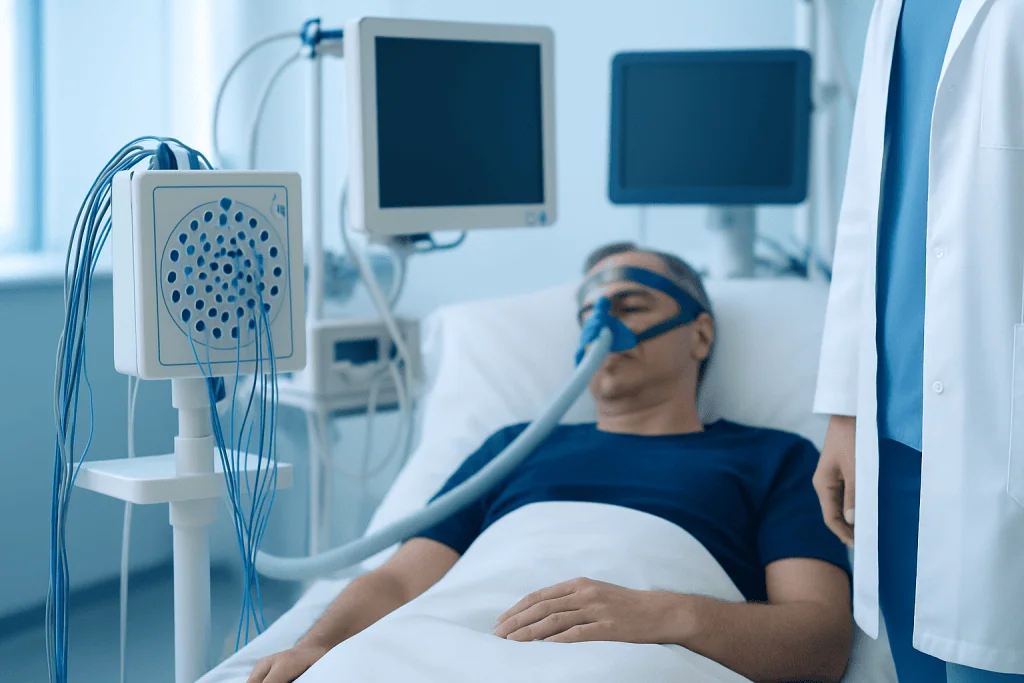
Sleep apnea can cause a range of symptoms that involve brain function, alertness, mood, and even balance in some people. These symptoms are usually related to poor-quality sleep, repeated oxygen drops, and stress on the nervous system. Not every person will have the same symptoms, and severity can vary widely.
Common neurological and neurocognitive symptoms include morning headaches, excessive daytime sleepiness, poor attention, reduced concentration, forgetfulness, slower mental processing, irritability, and mood changes. Some people describe this as feeling mentally “foggy” or less sharp than usual. Others may have trouble learning new information, staying focused at work, or reacting quickly while driving.
Sleep apnea may also be linked with symptoms that overlap with other neurological concerns, such as dizziness, non-restorative sleep, reduced motivation, and decreased executive function. In children, the pattern may look different and can include behavioral changes, poor school performance, and hyperactivity rather than obvious sleepiness.
- Morning headaches
- Daytime sleepiness and fatigue
- Memory and concentration problems
- Mood changes, anxiety, or irritability
- Slower reaction time
- Reduced mental clarity
Why These Symptoms Happen

The neurological effects of sleep apnea are mainly driven by two factors: fragmented sleep and intermittent low oxygen levels. Healthy sleep includes structured cycles that support memory, emotional regulation, and physical restoration. When breathing interruptions repeatedly disturb these cycles, the brain may not get enough deep and restorative sleep.
At the same time, repeated drops in oxygen can place stress on blood vessels and nerve cells. The body responds by activating stress hormones and increasing inflammation. Over time, this may affect attention, memory, mood, and overall cognitive performance. In some people, sleep apnea may also contribute to high blood pressure and vascular strain, which can further affect brain health.
These effects do not necessarily mean permanent damage in every case. Many people experience meaningful improvement once sleep apnea is recognized and treated. However, untreated symptoms should not be ignored, especially when they are affecting daily function, work performance, or safety.
Causes, Types, and Risk Factors
Obstructive sleep apnea is the most common form and happens when the throat muscles relax during sleep, narrowing or blocking the airway. A less common form, central sleep apnea, occurs when the brain does not consistently send the right signals to the muscles that control breathing. Some people have a mixed pattern involving both mechanisms.
Several factors can increase the risk of sleep apnea. These include excess body weight, older age, a naturally narrow airway, enlarged tonsils, nasal blockage, alcohol use near bedtime, smoking, and certain sedative medications. Men are affected more often, but women can also develop sleep apnea, especially after menopause. Family history may also play a role.
Sleep apnea may coexist with other medical conditions that influence the brain and nervous system, including cardiovascular disease, diabetes, and some mood disorders. It can also overlap with conditions that affect sleep quality, such as insomnia or restless leg syndrome, making symptoms harder to recognize without a proper assessment.
How Doctors Diagnose Sleep Apnea When Neurological Symptoms Are Present
Diagnosis starts with a detailed history of sleep habits, daytime symptoms, snoring, witnessed breathing pauses, medications, and medical conditions. A doctor may also ask about headaches, memory problems, concentration difficulties, mood symptoms, and any safety concerns such as drowsy driving. Bed partners can often provide helpful observations.
The main test for sleep apnea is a sleep study, also called polysomnography. This may be done in a sleep laboratory or, in selected cases, through home sleep apnea testing. These tests track breathing, oxygen levels, heart rate, airflow, and other signals during sleep. They help determine whether sleep apnea is present and how severe it is.
When neurological symptoms are prominent, doctors may also consider other causes such as migraine, seizure disorders, medication effects, thyroid problems, depression, or neurodegenerative disease. If symptoms suggest another condition, additional evaluation may be needed. This can include laboratory testing, cognitive screening, or brain imaging such as MRI scanning when clinically appropriate.
Treatment Options and Whether Symptoms Improve
Treatment depends on the type and severity of sleep apnea, the person’s anatomy, and their overall health. Continuous positive airway pressure, commonly called CPAP, is a standard treatment for many people with obstructive sleep apnea. It helps keep the airway open during sleep and can improve sleep quality, daytime alertness, and many cognitive symptoms when used consistently.
Other options may include weight management, positional therapy, oral appliances fitted by trained dental professionals, treatment of nasal obstruction, or surgery in selected cases. Some people benefit from a broader evaluation at a dedicated sleep disorders center to tailor treatment and follow-up. In people with central sleep apnea, treatment focuses on the underlying cause and the most suitable breathing support strategy.
Neurological symptoms often improve after effective treatment, but the timeline varies. Morning headaches and daytime sleepiness may improve relatively quickly, while memory, concentration, and mood symptoms may take longer. If symptoms continue despite treatment, doctors may look for other contributing factors such as medication side effects, depression, insufficient sleep time, or another neurological diagnosis.
In some cases, people with overlap symptoms may need support from several specialties, including sleep medicine, neurology, cardiology, or ENT. Near the end of the care pathway, some patients may seek multidisciplinary assessment through services such as neurology care or ENT evaluation when anatomy or associated neurological concerns need closer review.
Prevention and Self-care
Not all cases of sleep apnea can be prevented, but certain habits can lower risk and support treatment. Maintaining a healthy body weight, avoiding alcohol close to bedtime, sleeping on the side if advised, stopping smoking, and keeping regular sleep hours may all help reduce symptoms in some people. Managing allergies or chronic nasal congestion can also improve airflow.
Good sleep hygiene supports brain health even though it does not replace medical treatment for sleep apnea. This includes limiting heavy meals late at night, reducing screen use before bedtime, and creating a quiet, dark sleep environment. People who use CPAP or another prescribed device should use it regularly and report mask discomfort or dryness so adjustments can be made.
Because neurological symptoms can affect driving, work performance, and quality of life, it is important not to dismiss them as simple stress or aging. If treatment feels difficult, follow-up matters. Acibadem International’s multidisciplinary specialists in JCI-accredited hospitals evaluate and treat sleep-related conditions for international patients, with care plans tailored to individual needs.
When to See a Doctor
A medical review is important if a person has loud snoring, witnessed pauses in breathing, choking or gasping during sleep, morning headaches, persistent daytime tiredness, or unexplained problems with focus and memory. These symptoms are especially relevant when they affect daily activities, school, work, or driving safety.
Urgent medical attention is needed for sudden neurological symptoms such as new weakness, facial drooping, trouble speaking, confusion, fainting, or a severe unusual headache. These are not typical signs to simply monitor at home and may indicate another serious condition that needs immediate assessment.
Even when symptoms seem mild, early evaluation can be helpful. Proper diagnosis can identify whether sleep apnea is the main cause, one contributing factor among several, or a separate issue from another neurological disorder. A qualified doctor can guide safe next steps and recommend the most appropriate testing and treatment.
Frequently asked questions
Can sleep apnea really cause neurological symptoms?
Yes. Sleep apnea can contribute to neurological symptoms because it repeatedly disrupts sleep and may lower oxygen levels during the night. This can affect attention, memory, mood, alertness, and morning headaches.
Are memory problems from sleep apnea reversible?
They can improve in many people once sleep apnea is treated effectively, especially if the condition is recognized early. Improvement may take time, and some people also have other causes of memory difficulty that should be assessed by a doctor.
Can sleep apnea cause headaches every morning?
Morning headaches are a common symptom of sleep apnea. They are thought to be related to poor sleep quality and changes in oxygen and carbon dioxide levels during the night, but other headache causes should also be considered.
Is sleep apnea linked to stroke or other serious brain problems?
Untreated sleep apnea is associated with increased cardiovascular and cerebrovascular risk, including stroke. It does not mean everyone with sleep apnea will have a stroke, but proper diagnosis and treatment are important for long-term health.
How is sleep apnea confirmed if symptoms seem neurological?
Doctors usually confirm sleep apnea with a sleep study that measures breathing, oxygen levels, and sleep patterns. If symptoms suggest another neurological issue, additional tests may be recommended to look for other explanations.
Will CPAP help with brain fog and concentration?
Many people notice better alertness, less daytime sleepiness, and clearer thinking after using CPAP consistently. The degree of improvement depends on how severe the sleep apnea is, how regularly treatment is used, and whether other conditions are also present.
References
- American Academy of Sleep Medicine
- National Heart, Lung, and Blood Institute
- National Institute of Neurological Disorders and Stroke
- Mayo Clinic
- American Academy of Neurology
This article is for general information only and is not a substitute for professional medical advice. Please consult a qualified doctor about your individual situation.
Sleep Apnea in Turkey — costs, top hospitals & a free quote
JCI-accredited · board-certified surgeons · reply within 24h
Add us as a Preferred Source to see more of our trusted health content across Google Search, AI Overviews and Discover.
Check your numbers in seconds
BMI, calories, due date, blood pressure and 30+ more clinical calculators — free, instant, doctor-reviewed ranges.

Otorhinolaryngology (ENT)
Care for ear, nose, throat and head-and-neck conditions, including hearing and balance disorders.
126 specialists in this unit