Can Sleep Paralysis Kill You? A Doctor-Reviewed Answer

Sleep paralysis is generally not fatal and most episodes end on their own within seconds to minutes. It happens when a person becomes aware before the normal muscle paralysis of REM sleep has fully passed.
Key Takeaways
- Sleep paralysis is generally not fatal and most episodes end on their own within seconds to minutes.
- It happens when a person becomes aware before the normal muscle paralysis of REM sleep has fully passed.
- Common triggers include sleep deprivation, irregular sleep schedules, stress, and sleeping on the back.
- Medical review is important if episodes are frequent, cause major distress, involve daytime sleepiness, or suggest another sleep disorder such as narcolepsy.
- Diagnosis is often based on symptom history, but some people may need a sleep evaluation.
Sleep paralysis is usually frightening but not deadly. In most cases, the answer to “can sleep paralysis kill you” is no, though repeated episodes, significant sleep disruption, or symptoms that suggest another sleep or medical problem should be evaluated by a doctor.
Overview: Can Sleep Paralysis Kill You?
In most cases, sleep paralysis does not kill a person. Although it can feel intense and alarming, it is usually a short-lived, harmless event that happens during the transition into sleep or on waking. The person may be awake and aware but unable to move or speak for a brief time.
Many people also experience a sense of pressure on the chest, fear, or vivid dream-like hallucinations during an episode. These sensations can make it seem as though something dangerous is happening, but they are usually part of the same temporary sleep-state mismatch rather than a sign of death or permanent harm.
The more practical question is not whether sleep paralysis is fatal, but whether it points to an underlying problem that needs attention. If episodes happen often, interfere with daily life, or occur alongside other symptoms such as extreme daytime sleepiness, a doctor may look for an associated sleep disorder or another medical cause.
What Sleep Paralysis Feels Like
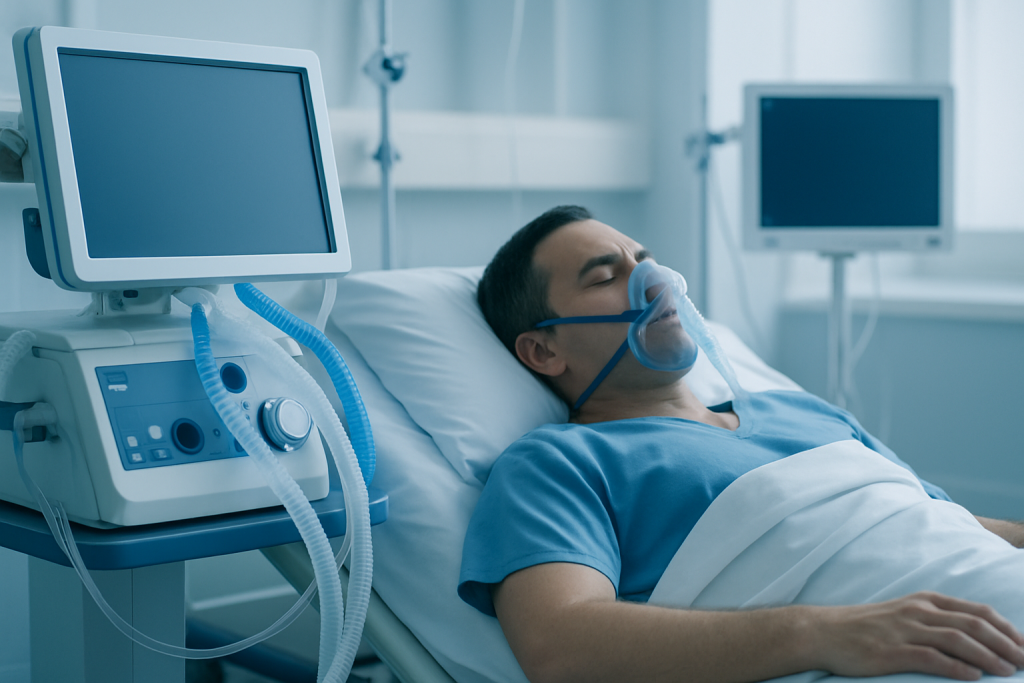
Sleep paralysis occurs when the brain wakes up before the body has fully come out of REM sleep. During REM sleep, the body naturally relaxes and most muscles are temporarily inactive. This is normal and helps prevent acting out dreams. In sleep paralysis, that normal muscle inactivity lingers briefly while awareness returns.
A person may feel unable to move the arms, legs, head, or speak. Breathing continues automatically, but because chest muscles feel restricted and fear rises quickly, many people feel as though they cannot breathe properly. This sensation is frightening, yet it usually resolves on its own within a short period.
Some episodes include visual, auditory, or sensory hallucinations, such as hearing footsteps, seeing a figure in the room, or feeling a presence nearby. These experiences are not uncommon in sleep paralysis and do not necessarily mean a psychiatric illness. They are best understood as dream elements carrying over into wakefulness.
- Brief inability to move or speak
- Awareness of surroundings
- Chest pressure or a sense of breathlessness
- Fear or panic during the episode
- Vivid hallucinations or a feeling of presence
Why It Happens and Who Is More Likely to Experience It

Sleep paralysis is linked to disrupted sleep-wake transitions, especially involving REM sleep. It can happen in healthy people from time to time, particularly during periods of sleep deprivation, emotional stress, jet lag, or irregular sleep schedules. Sleeping on the back is also commonly reported as a trigger.
Episodes are more likely when sleep is fragmented or insufficient. Students, shift workers, frequent travelers, and people under psychological stress may notice it more often. Some people have only one or two episodes in a lifetime, while others experience recurrent sleep paralysis.
In some cases, sleep paralysis may be associated with an underlying sleep disorder. Doctors may consider conditions such as narcolepsy if there is excessive daytime sleepiness, sudden muscle weakness triggered by emotions, or very frequent episodes. Less commonly, doctors may also review whether symptoms fit with other conditions that disturb sleep, including sleep apnea.
Is It Dangerous? Usual Harmlessness and Important Red Flags
For most people, sleep paralysis itself is not dangerous. It does not usually stop the heart, permanently stop breathing, or cause brain damage. The event can feel severe because the body is still in a REM-related state of muscle inhibition while the mind is alert, but that mismatch generally passes quickly without lasting physical harm.
Still, the experience should not be dismissed if it is recurring or accompanied by other symptoms. The main concern is often not the paralysis itself, but what may be contributing to it. Frequent episodes can worsen anxiety around sleep and may lead to insomnia, fatigue, and reduced quality of life.
Medical review is sensible when there are red flags such as repeated episodes, injuries from unusual nighttime behaviors, major daytime sleepiness, or symptoms suggesting another condition. Episodes that are mistaken for seizures, panic attacks, or other neurological problems may need evaluation by a qualified clinician, sometimes with support from neurology care or a sleep study.
How Doctors Evaluate Sleep Paralysis
Doctors usually begin with a detailed history. They ask what the episodes feel like, how long they last, whether hallucinations occur, how often they happen, and whether the person has symptoms such as snoring, choking during sleep, insomnia, or daytime sleepiness. Sleep schedule, stress levels, medications, and use of alcohol or stimulants may also be discussed.
In many cases, a careful interview is enough to identify isolated sleep paralysis. The pattern is often recognizable, especially when episodes happen during falling asleep or waking and resolve completely. A doctor may also ask whether there is a family history of sleep problems or symptoms suggestive of mood or anxiety disorders.
Further testing is not needed for everyone, but it may be recommended if symptoms are frequent, unclear, or suggest another disorder. This can include electroencephalography (EEG) in selected cases where seizure-like events are a concern, or referral for sleep medicine evaluation when narcolepsy or sleep-disordered breathing is suspected.
Treatment and Ways to Reduce Episodes
Treatment depends on how often sleep paralysis occurs and whether another condition is contributing. For isolated episodes, the main approach is reassurance and improving sleep habits. Understanding that the event is usually brief and not life-threatening can reduce fear and help a person recover more calmly if it happens again.
Doctors often recommend practical steps such as keeping a consistent sleep schedule, getting enough sleep, limiting sleep deprivation, and managing stress. Some people also benefit from avoiding sleeping flat on the back if this position seems to trigger episodes. Addressing anxiety, insomnia, or disrupted routines can reduce recurrence.
If sleep paralysis is linked to another condition, treatment focuses on that underlying issue. For example, care may involve assessment and treatment of disturbed breathing during sleep, management of narcolepsy, or support for mental health symptoms where relevant. At Acibadem International, multidisciplinary specialists in JCI-accredited hospitals evaluate sleep-related symptoms for international patients and tailor treatment to the individual cause.
When to Seek Medical Care
A person should consider medical advice if sleep paralysis happens often, causes marked fear about sleeping, or leads to tiredness and difficulty functioning during the day. Even when it is not dangerous, repeated episodes can affect well-being and may deserve treatment or further evaluation.
Prompt review is also important if there are symptoms that point to another disorder. These include loud snoring, witnessed pauses in breathing, waking with choking, sudden episodes of muscle weakness triggered by emotion, fainting, confusion after episodes, or unusual movements during sleep. These features are not typical of simple isolated sleep paralysis.
Emergency care is not usually needed for classic sleep paralysis that resolves quickly and fully. However, urgent assessment may be appropriate if a person has chest pain, severe shortness of breath that does not pass, prolonged confusion, new neurological symptoms, or events that could reflect a different acute medical problem.
Frequently asked questions
Can sleep paralysis kill you in your sleep?
Usually no. Sleep paralysis is generally a brief and harmless event related to REM sleep, not a condition that typically causes death. It can feel frightening, but the episode usually passes on its own.
Why does it feel hard to breathe during sleep paralysis?
Breathing continues automatically, but chest pressure and the lingering muscle relaxation of REM sleep can create a sensation of restricted breathing. Fear can intensify that feeling. If breathing problems continue after the episode ends, a doctor should assess it.
Are hallucinations during sleep paralysis normal?
They are relatively common and can include seeing shapes, hearing sounds, or feeling a presence in the room. These experiences are usually part of the sleep paralysis episode rather than a sign of losing touch with reality. If hallucinations also occur fully awake during the day, medical review is important.
How long does sleep paralysis last?
Most episodes last seconds to a few minutes. They often feel longer because they are distressing. Full recovery is expected once the episode ends.
When should someone worry about sleep paralysis?
A person should seek medical advice if episodes are frequent, very distressing, or associated with excessive daytime sleepiness, snoring, choking during sleep, or sudden muscle weakness. These features may suggest another sleep disorder. A doctor can help determine whether testing is needed.
Can sleep paralysis be prevented?
Episodes may become less frequent with regular sleep, stress management, and avoiding sleep deprivation. Some people also notice fewer events when they avoid sleeping on their back. Prevention focuses on improving sleep habits and treating any underlying sleep problem.
References
- American Academy of Sleep Medicine
- National Institute of Neurological Disorders and Stroke
- National Heart, Lung, and Blood Institute
- Mayo Clinic
- Cleveland Clinic
This article is for general information only and is not a substitute for professional medical advice. Please consult a qualified doctor about your individual situation.
Explore treatments in Turkey — costs, top hospitals & a free quote
JCI-accredited · board-certified surgeons · reply within 24h
Add us as a Preferred Source to see more of our trusted health content across Google Search, AI Overviews and Discover.

More from the Health Library



Related Specialists

Dr. Harika Bodur Öztürk
Gynecology & Obstetrics
Dr. Nihat Ağar
General Surgery
Dr. Ayfer Pepekal Kükrer
Gynecology & Obstetrics
Asst. Prof. Dr. Kemal Ünal
Gastrointestinal Oncology Unit Clinical Service