

Can You Be Constipated and Still Poop? A Doctor-Reviewed Answer

Passing stool every day does not always mean the bowel is emptying comfortably or completely. Hard, dry stools, straining, pain, and a sensation of incomplete emptying can all indicate constipation.
Key Takeaways
- Passing stool every day does not always mean the bowel is emptying comfortably or completely.
- Hard, dry stools, straining, pain, and a sensation of incomplete emptying can all indicate constipation.
- Constipation is often temporary and improves with fluids, fiber, activity, and a consistent toileting routine.
- New or persistent constipation should be assessed, especially when it occurs with bleeding, weight loss, severe pain, vomiting, or a major change in bowel habits.
- A clinician can identify contributing medicines, medical conditions, pelvic floor problems, or less common bowel disorders.
Yes, a person can be constipated and still poop. Constipation is defined not only by how often someone has a bowel movement, but also by hard stools, straining, pain, or a feeling that the bowel has not emptied completely.
Can You Be Constipated and Still Poop?
Yes. A person can be constipated and still poop, including having bowel movements every day. Constipation does not simply mean going several days without stool. It can also mean that stool is hard or lumpy, difficult or painful to pass, requires straining, or leaves a persistent feeling that the rectum has not emptied fully.
This is common and is often temporary. Travel, changes in routine, low fluid intake, reduced activity, dietary changes, stress, and certain medicines can slow the movement of stool through the colon. The longer stool remains in the colon, the more water may be absorbed from it, making it firmer and harder to pass.
For many people, occasional constipation improves with practical self-care. However, a new, ongoing, or worsening change in bowel habits deserves medical attention, particularly if it is accompanied by warning signs such as rectal bleeding, severe abdominal pain, vomiting, unexplained weight loss, fever, or inability to pass gas.
What Constipation Can Feel Like Even When Stool Is Passing
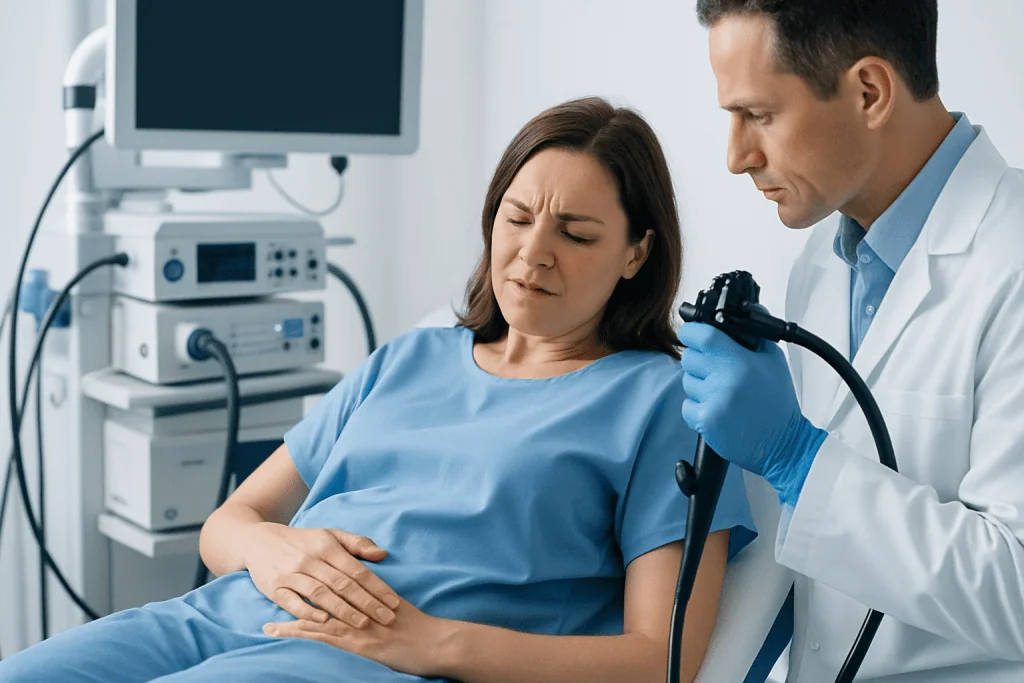
Bowel habits vary widely. Some healthy people pass stool more than once daily, while others go every other day. Rather than focusing only on frequency, clinicians consider the effort involved and the character of the stool. Passing a small amount of stool does not necessarily mean that all stool has moved through normally.
Symptoms that may suggest constipation include stools that are dry, hard, pellet-like, or unusually large; straining; a need to press around the rectum or vagina to help stool pass; discomfort during bowel movements; bloating; or lower abdominal fullness. Some people feel they need to go again soon after using the toilet.
In more significant constipation, liquid stool can occasionally leak around a large amount of retained stool. This may be mistaken for diarrhea, but it can signal fecal impaction and should be assessed promptly, especially in older adults, people with reduced mobility, or those taking medicines that slow the bowel.
- Hard or lumpy stools
- Straining or pain while passing stool
- A feeling of blockage or incomplete emptying
- Fewer bowel movements than is usual for the individual
- Abdominal bloating or discomfort
Why Constipation Happens

Constipation usually develops when stool moves too slowly through the large intestine or when the bowel absorbs too much water from it. A low-fiber diet, not drinking enough fluids, delaying the urge to use the toilet, and a sedentary routine can contribute. Temporary changes, such as travel, illness, pregnancy, or a change in work schedule, may also disrupt regular bowel function.
Medicines are another common factor. Some pain medicines, iron supplements, antacids containing calcium or aluminum, certain antidepressants, and medications used for bladder symptoms or blood pressure can contribute to constipation. A person should not stop a prescribed medicine without speaking with the clinician who prescribed it.
Less commonly, constipation may be related to conditions affecting hormones, metabolism, nerves, muscles, or the structure of the bowel. Examples include underactive thyroid function, diabetes, Parkinson’s disease, pelvic floor dysfunction, and narrowing of the bowel. Ongoing symptoms may overlap with irritable bowel syndrome, particularly when constipation occurs with recurrent abdominal pain and changing stool patterns.
Some people have difficulty relaxing the muscles needed for a bowel movement. This is sometimes called a defecation or pelvic floor coordination disorder. In these cases, stool may be present and the urge may be strong, yet evacuation remains difficult despite frequent attempts.
When to Seek Medical Care
Most brief episodes of constipation are not dangerous, but medical review is important when symptoms are new, persistent, or meaningfully different from a person’s usual pattern. This is particularly important for adults with a new bowel habit change later in life, people with a personal or family history of colorectal cancer, or anyone whose symptoms do not improve with reasonable self-care.
Urgent medical care is needed for severe or worsening abdominal pain, a swollen abdomen, repeated vomiting, inability to pass stool or gas, black stools, or significant rectal bleeding. These symptoms can indicate a problem that needs prompt assessment rather than home treatment.
A doctor should also be consulted for unexplained weight loss, ongoing fatigue, fever, anemia, persistent pencil-thin stools, constipation lasting several weeks, or a sudden change in bowel habits. These symptoms do not always indicate a serious condition, but they should be evaluated carefully.
How a Doctor Evaluates Constipation
A clinician will usually begin by asking about stool frequency and appearance, how long symptoms have been present, dietary and fluid habits, activity level, recent illness or travel, and all medicines and supplements. It can be helpful to note symptoms for one to two weeks before an appointment, including bowel movements, straining, food intake, and any bleeding or pain.
The physical examination may include an abdominal examination and, when appropriate, a rectal examination. This can help identify retained stool, tenderness, fissures, hemorrhoids, or signs that the pelvic floor muscles are not coordinating normally. Blood tests may be used to check for anemia, thyroid abnormalities, changes in calcium levels, or other possible contributors.
Not everyone needs imaging or endoscopy. A colonoscopy or other test may be considered if there are alarm symptoms, a relevant family history, abnormal test results, or a need for routine colorectal cancer screening. Testing may also be used when constipation does not respond to initial treatment or when a structural bowel problem is suspected.
For people with suspected pelvic floor dysfunction, specialized tests can assess how the rectum and pelvic muscles work during defecation. The goal is to identify the cause of symptoms and choose treatment that matches the individual rather than relying on a single approach for everyone.
Treatment and Self-Care Options
Management depends on the cause, severity, and duration of symptoms. For uncomplicated constipation, clinicians commonly recommend gradually increasing dietary fiber, drinking adequate fluids, staying physically active when possible, and allowing unhurried time for bowel movements. Responding to the natural urge to go, rather than routinely delaying it, may also help.
Fiber is best increased slowly because a rapid increase can cause gas or bloating. Fruits, vegetables, legumes, whole grains, nuts, and seeds are common sources. Some people benefit from a fiber supplement, but it is important to take it with sufficient fluid and to discuss its use with a clinician if there is significant bloating, swallowing difficulty, or concern about bowel narrowing.
Short-term use of an over-the-counter laxative may be appropriate for some people, but the best choice depends on symptoms and medical history. Osmotic agents, stool-softening approaches, stimulant laxatives, suppositories, and enemas have different roles and potential risks. A pharmacist or doctor can help select a safe option, especially during pregnancy, in older age, or when kidney, heart, or bowel conditions are present.
If pelvic floor coordination is contributing, targeted pelvic floor therapy and biofeedback can be helpful. When a medicine or underlying condition is involved, treatment may include adjusting the contributing factor under medical supervision. Colonoscopy may be recommended when a clinician needs to examine the colon for a cause of persistent or concerning symptoms.
Supporting Regular Bowel Habits
Small, consistent habits are often more useful than dramatic changes. A regular meal pattern, gradual fiber intake, adequate hydration, and daily movement can support normal bowel function. Many people find it helpful to sit on the toilet after breakfast or another meal, when the natural reflexes of the bowel are more active.
Comfortable positioning can reduce straining. Keeping the feet supported on a low stool so that the knees are slightly higher than the hips may make passage easier for some people. It is best to avoid prolonged straining or sitting on the toilet for extended periods, as this can worsen discomfort and hemorrhoid symptoms.
People with recurrent constipation should review their routine with a healthcare professional rather than repeatedly relying on self-treatment. Acibadem International’s multidisciplinary specialists and JCI-accredited hospitals assess and treat digestive concerns for international patients, including persistent constipation and related bowel symptoms.
Regular screening and routine medical care remain important, particularly for adults who are eligible for colorectal cancer screening. Constipation itself is common, but a sustained change from a person’s normal bowel pattern should not be ignored.
Frequently asked questions
Can you be constipated if you poop every day?
Yes. Daily bowel movements do not rule out constipation. A person may still be constipated if stool is hard, difficult to pass, painful, or accompanied by straining or an incomplete-emptying sensation.
Why do I feel constipated after I poop?
This can happen when stool remains in the rectum or colon, when bowel movement muscles do not coordinate well, or when stool is difficult to pass completely. It may also occur with irritable bowel syndrome or temporary changes in diet, activity, hydration, or routine.
What does incomplete bowel emptying mean?
It is the feeling that stool remains in the rectum after a bowel movement. It can occur with constipation, pelvic floor dysfunction, hemorrhoids, rectal inflammation, or other conditions, so persistent symptoms should be discussed with a doctor.
Can constipation cause loose stool or diarrhea?
Yes, in some cases. Liquid stool can pass around retained hard stool, which may look like diarrhea. This is more concerning if there is abdominal swelling, pain, vomiting, or difficulty passing gas and should be medically assessed.
How long is it safe to manage constipation at home?
A brief, mild episode without warning signs can often be managed with hydration, gradual fiber, activity, and an appropriate over-the-counter option if advised. Medical advice is recommended if symptoms last more than a few weeks, recur often, worsen, or do not improve with self-care.
When is constipation an emergency?
Seek urgent care for severe or worsening abdominal pain, vomiting, marked abdominal swelling, inability to pass stool or gas, black stools, or substantial rectal bleeding. These symptoms may indicate an obstruction, bleeding, or another condition requiring prompt evaluation.
References
- National Institute of Diabetes and Digestive and Kidney Diseases
- American College of Gastroenterology
- Mayo Clinic
- National Health Service
- World Gastroenterology Organisation
This article is for general information only and is not a substitute for professional medical advice. Please consult a qualified doctor about your individual situation.
Persistent digestive symptoms? Get evaluated in Turkey
JCI-accredited · board-certified surgeons · reply within 24h
Add us as a Preferred Source to see more of our trusted health content across Google Search, AI Overviews and Discover.
Check your numbers in seconds
BMI, calories, due date, blood pressure and 30+ more clinical calculators — free, instant, doctor-reviewed ranges.

More from the Health Library



Related Specialists

Dr. Sedef Başgönül
Infectious Diseases & Clinical Microbiology
Dr. Ulaş Can
Radiology
Assoc. Prof. Dr. Bedriye Koyuncu Sökmen
Gastrointestinal Oncology Unit Clinical Service
Dr. Hülya Yolaçan
Pulmonary Medicine