Can You Get Pregnant Right Before Your Period? Here Is What the Evidence Says

Pregnancy right before a period is possible because ovulation timing can vary from cycle to cycle. The chance is usually lower if a person truly is one to two days away from their period and ovulation happened earlier as expected.
Key Takeaways
- Pregnancy right before a period is possible because ovulation timing can vary from cycle to cycle.
- The chance is usually lower if a person truly is one to two days away from their period and ovulation happened earlier as expected.
- Irregular cycles, late ovulation, and sperm survival for up to several days can increase the chance of pregnancy.
- A missed period, unusual bleeding, pelvic pain, or pregnancy symptoms are reasons to take a pregnancy test and seek medical advice if needed.
- Doctors assess cycle history, symptoms, pregnancy testing, and sometimes hormone evaluation or ultrasound when timing is unclear.
Yes, it is possible to get pregnant right before a period, but in many cases the chance is lower than at other times in the cycle. The key reason is that ovulation does not always happen exactly when expected, especially in people with irregular cycles, recent stress, illness, or cycle changes.
Overview: the short answer
Yes, a person can get pregnant right before their period, but the likelihood is often lower than during the most fertile days of the cycle. In many situations this turns out to be harmless confusion about cycle timing rather than a sign that anything is wrong. The important point is that pregnancy depends on when ovulation actually happens, not only on when a person expects their next period.
Many people assume there is a completely “safe” time in the menstrual cycle. In reality, cycles can vary, even in people who usually feel regular. If ovulation happens later than expected, intercourse that seems close to a period may still fall within the fertile window.
This question matters most when the cycle is shorter, longer, or less predictable than usual. It also matters after stopping contraception, during times of stress, after illness, in the months after pregnancy, or around the perimenopausal years, when ovulation may shift. Understanding how timing works can help a person judge risk more accurately and know when testing or medical advice is appropriate.
How pregnancy can happen near a period
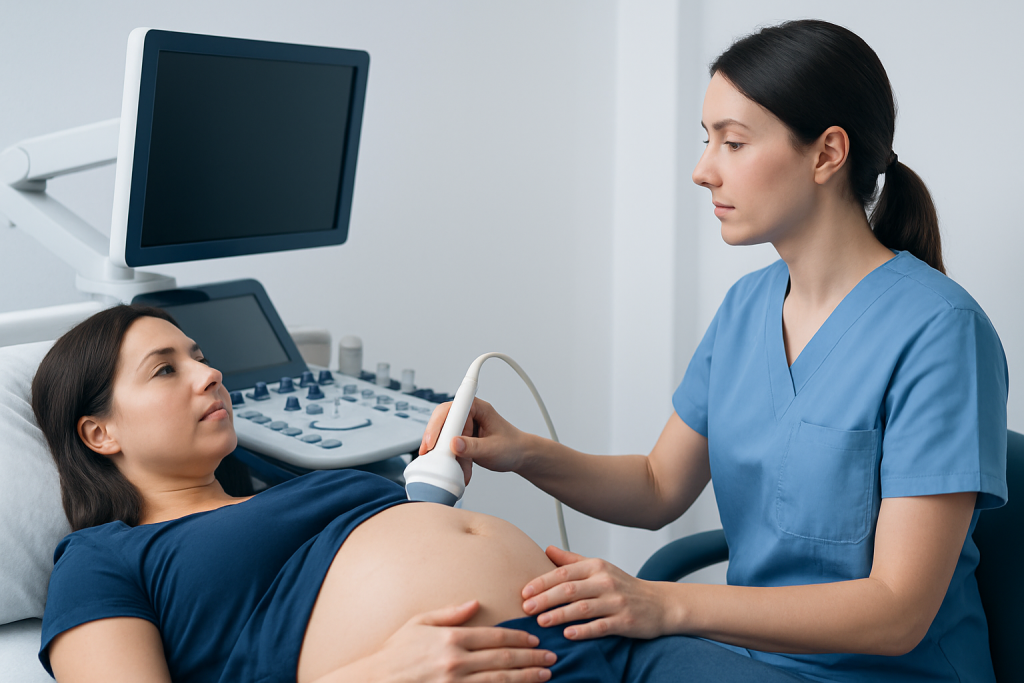
Pregnancy happens when sperm meets an egg after ovulation. An egg survives for about 12 to 24 hours after release, but sperm can live in the female reproductive tract for up to five days. This means pregnancy can result from intercourse that happened several days before ovulation.
If someone truly is one or two days away from a normal period, pregnancy is less likely because ovulation has usually already happened well before that time. However, many people are not actually as close to their period as they think. Spotting may be mistaken for a period, the cycle date may have been counted incorrectly, or ovulation may have occurred later than usual.
For example, a person who expects a 28-day cycle may assume day 26 or 27 is “right before the period.” But if ovulation was delayed by a few days, that same timing could still overlap with the fertile window. This is why calendar counting alone is not a fully reliable way to prevent pregnancy.
Cycle unpredictability is also common in people with polycystic ovary syndrome or other conditions that affect ovulation. In these cases, fertility awareness is more difficult, and pregnancy risk may be hard to estimate based on dates alone.
What affects the chance of pregnancy
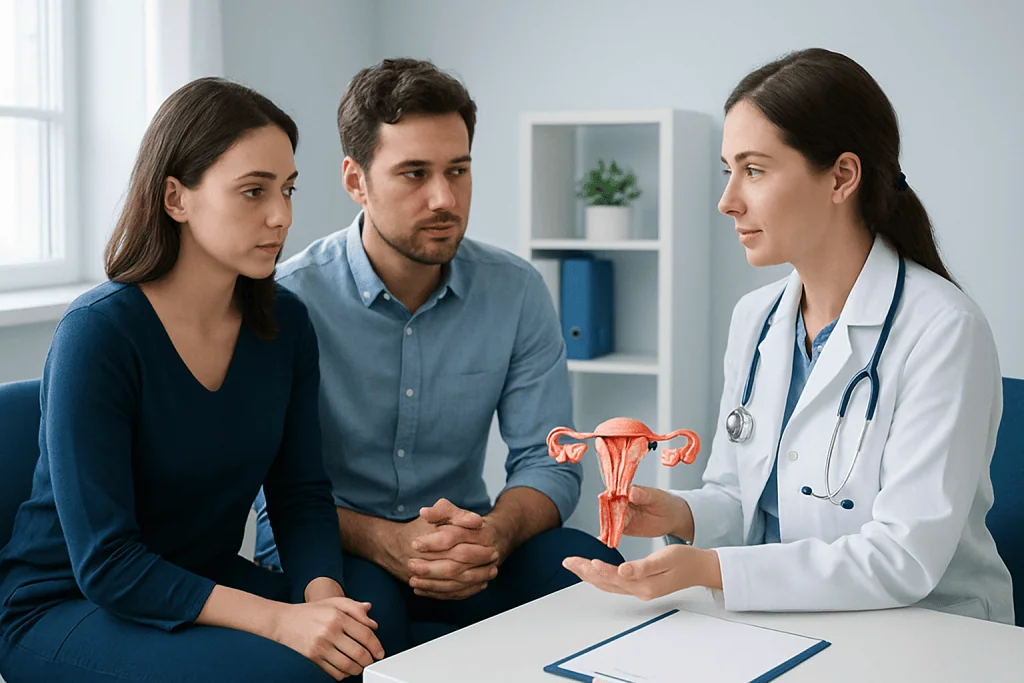
The chance of pregnancy right before a period depends mainly on ovulation timing. In a regular cycle, ovulation usually occurs about 14 days before the next period, not always on day 14. That means the fertile window can shift depending on the total cycle length and whether the cycle changes from month to month.
Several factors can make ovulation less predictable. These include stress, travel, sleep disruption, significant weight change, intense exercise, recent illness, thyroid problems, breastfeeding, and approaching menopause. Stopping hormonal birth control can also temporarily change cycle timing while the body readjusts.
Short cycles can increase the chance that bleeding and ovulation are closer together. Irregular cycles can make it hard to know whether bleeding is a true period or unexpected spotting. Some people may also experience mid-cycle bleeding, implantation bleeding, or bleeding linked to hormonal fluctuation, which can create confusion about whether a period is actually due.
When avoiding pregnancy, it is safest not to rely only on cycle timing. Barrier methods and other contraceptive options offer more reliable protection. People who need guidance may discuss options such as fertility care and reproductive planning with a qualified specialist, especially if they are also trying to conceive or have ovulation concerns.
Common signs, confusion, and what is usually harmless
It is common to notice cramps, breast tenderness, bloating, mood changes, or light spotting before a period and wonder whether these symptoms mean pregnancy. In most cases, these symptoms are not specific enough to tell the difference. Premenstrual symptoms and early pregnancy symptoms often overlap because both are linked to hormone changes.
What is usually harmless is simple cycle variation. A period may arrive a few days early or late without any serious cause. Ovulation can also shift occasionally even in otherwise healthy people. One unusual cycle does not necessarily mean there is a medical problem.
Still, some situations deserve closer attention. A missed period after unprotected sex, repeated irregular bleeding, unusually heavy bleeding, severe pelvic pain, or dizziness should not be ignored. These symptoms do not automatically mean something dangerous, but they do justify a pregnancy test and medical review.
If someone is trying to become pregnant, timing intercourse around the fertile window may be more useful than focusing on the days right before a period. If pregnancy does not happen after several months of trying, an evaluation for ovulation or reproductive health may help, including review by a specialist in infertility treatment when appropriate.
How doctors evaluate timing and pregnancy risk
If there is uncertainty about whether pregnancy is possible, a doctor usually begins with a careful history. This includes the date of the last menstrual period, typical cycle length, whether cycles are regular, the timing of intercourse, contraceptive use, recent stress or illness, and symptoms such as pain, spotting, nausea, or breast changes.
The next step is often a urine or blood pregnancy test. Home urine tests can be useful, but they are most accurate after a missed period or at least about two weeks after ovulation. If the result is negative but the period still does not come, repeating the test a few days later may be advised.
If the cycle pattern is frequently irregular, a doctor may look for causes of ovulation changes. Depending on the situation, this may include hormone testing, thyroid evaluation, or pelvic ultrasound. Imaging can help assess the uterus and ovaries and may be part of care when conditions such as endometriosis or ovarian cysts are suspected.
When symptoms suggest pregnancy complications, early ultrasound and blood tests may be needed promptly. The goal is not only to confirm pregnancy, but also to make sure it is developing in the uterus and to investigate pain or bleeding that may have another explanation.
What to do after unprotected sex or a late period
If unprotected sex happened and pregnancy is not desired, timely medical advice matters. Emergency contraception may help reduce the chance of pregnancy if used within the recommended time window after intercourse. A pharmacist or doctor can explain which option may be suitable based on timing and individual health factors.
If a period is late, taking a home pregnancy test is a practical first step. If the result is positive, arranging medical follow-up helps confirm the pregnancy and discuss next steps. If the result is negative but there is still no period, repeating the test in a few days is reasonable, especially if ovulation may have happened later than expected.
Some people track basal body temperature, cervical mucus, or ovulation predictor kits to understand cycle timing better. These tools can be helpful, but they are not perfect, especially when cycles are irregular. They should not be viewed as guaranteed protection against pregnancy.
For people planning a pregnancy, general preconception care is important. This includes reviewing medications, managing chronic conditions, avoiding smoking, and starting folic acid if advised by a doctor. In some cases, consultation about future fertility planning such as egg freezing may also be relevant.
When to seek medical care
Medical care is recommended if there is a missed period after unprotected sex, persistent cycle irregularity, or repeated uncertainty about ovulation timing. While many cases are simply due to normal variation, professional guidance can clarify what is happening and whether testing is needed.
More urgent assessment is important for severe lower abdominal pain, pain on one side, heavy bleeding, fainting, shoulder pain, or a positive pregnancy test with pain or bleeding. These symptoms can have several causes, including ectopic pregnancy, and should be evaluated without delay.
People should also seek care if they have very heavy periods, bleeding between periods, signs of anemia such as unusual fatigue, or symptoms of hormonal imbalance such as acne, excess hair growth, or long gaps between periods. A doctor can look for ovulation disorders, thyroid problems, or other reproductive health conditions.
Near the end of the care pathway, it may be helpful to know that Acibadem International’s multidisciplinary specialists and JCI-accredited hospitals evaluate menstrual concerns, pregnancy questions, and reproductive conditions for international patients using appropriate testing and follow-up.
Frequently asked questions
Can someone get pregnant one day before their period starts?
Yes, it is possible, but the chance is usually low if the period is truly due the next day and ovulation happened at the usual time. The reason it can still happen is that ovulation may occur later than expected, or bleeding may be mistaken for a true period.
Is it safe to have unprotected sex right before a period?
It is not a reliable way to avoid pregnancy. Cycle timing can change, sperm can survive for several days, and many people are not exactly where they think they are in the cycle.
How soon should a pregnancy test be taken after sex near a period?
A home pregnancy test is usually most accurate after a missed period. If testing is done too early and the result is negative, repeating it a few days later may give a clearer answer.
Do irregular periods increase the chance of pregnancy at unexpected times?
Yes. Irregular cycles make it harder to predict ovulation, which means fertile days may occur earlier or later than expected. This can increase the chance of pregnancy outside the dates a person assumes are safe.
Can spotting be confused with a period?
Yes, and this is a common source of confusion. Spotting can happen for several reasons, including hormonal fluctuation, ovulation, implantation, or other gynecologic causes, and it may not mark the start of a true menstrual period.
When should pelvic pain or bleeding be checked by a doctor?
Medical review is important if pain is severe, one-sided, or accompanied by heavy bleeding, fainting, or a positive pregnancy test. These symptoms need prompt evaluation to rule out urgent causes such as ectopic pregnancy.
References
- American College of Obstetricians and Gynecologists
- Centers for Disease Control and Prevention
- National Health Service
- Mayo Clinic
- Office on Women's Health
This article is for general information only and is not a substitute for professional medical advice. Please consult a qualified doctor about your individual situation.
IVF & fertility treatment in Turkey — success rates and costs
JCI-accredited · board-certified surgeons · reply within 24h
Add us as a Preferred Source to see more of our trusted health content across Google Search, AI Overviews and Discover.
Check your numbers in seconds
BMI, calories, due date, blood pressure and 30+ more clinical calculators — free, instant, doctor-reviewed ranges.