Can You Get Pregnant While Pregnant? A Doctor-Reviewed Answer

In most pregnancies, a person cannot get pregnant again because ovulation usually stops after conception. A very rare phenomenon called superfetation refers to a second conception during an ongoing pregnancy.
Key Takeaways
- In most pregnancies, a person cannot get pregnant again because ovulation usually stops after conception.
- A very rare phenomenon called superfetation refers to a second conception during an ongoing pregnancy.
- Symptoms such as a larger-than-expected abdomen, spotting, or changing pregnancy symptoms usually have more common explanations than a second pregnancy.
- Doctors use history, pelvic examination, blood tests, and ultrasound to clarify what is happening.
- Urgent assessment is important for severe pain, heavy bleeding, fainting, or signs of possible ectopic pregnancy.
Usually, no. Once pregnancy begins, the body’s hormonal changes typically stop ovulation and make another conception very unlikely, although a very rare event called superfetation has been described. Most situations that make people ask this question are harmless symptom changes or dating differences, but some signs need medical review.
Overview: the short answer
Usually, the answer is no. After conception, rising pregnancy hormones normally prevent further ovulation, change cervical mucus, and make the uterine lining less receptive to a new embryo. Together, these changes make a second conception during an existing pregnancy extremely unlikely.
There is, however, a very rare event called superfetation. This term is used when a new pregnancy begins after another pregnancy has already started. Only a small number of cases have been described in medical literature, and many involve unusual circumstances or fertility treatment. For most people, it is not a realistic day-to-day concern.
More often, this question comes up because symptoms feel unusual, scan dates seem confusing, or bleeding occurs after a positive test. In many cases, the explanation is harmless or manageable, but certain symptoms should still be checked by a doctor to rule out problems such as ectopic pregnancy or early pregnancy complications.
Why the body usually prevents a second pregnancy
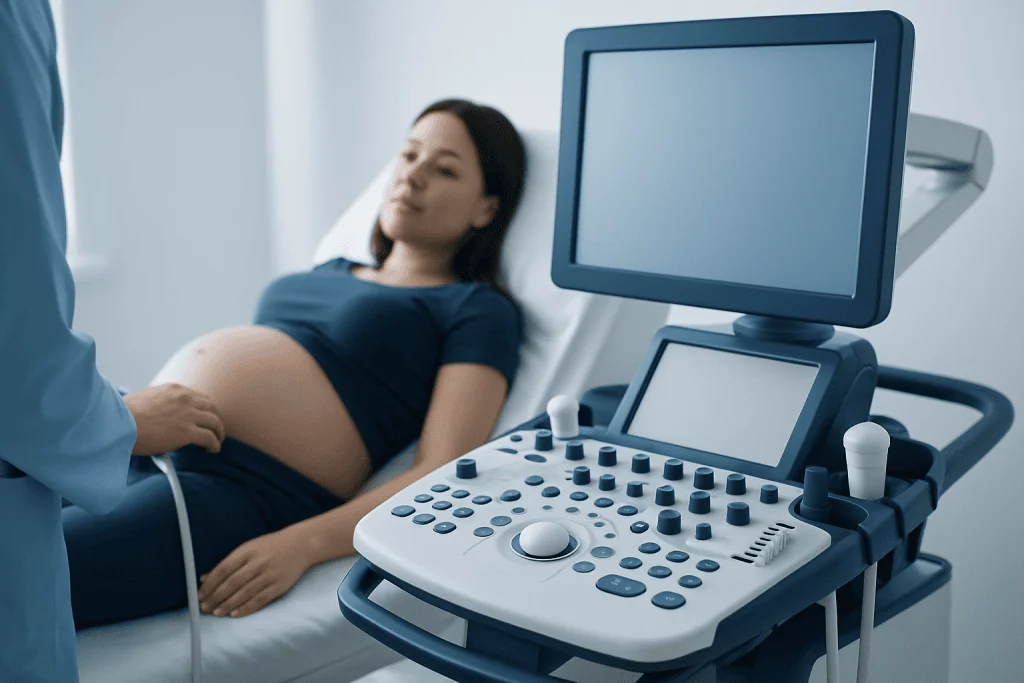
In a typical menstrual cycle, ovulation releases an egg that can be fertilized. Once pregnancy begins, the hormone human chorionic gonadotropin, along with progesterone and estrogen, signals the ovaries and brain to stop the normal cycle. This is one of the main reasons another egg is generally not released.
The body also creates additional barriers. Cervical mucus becomes thicker, which can make it harder for sperm to move through the cervix. At the same time, the uterine environment shifts to support the existing pregnancy rather than prepare for a new implantation.
Because several protective mechanisms act at once, a second conception during pregnancy is extraordinarily rare. This is why doctors usually look for more common explanations first when a pregnant person has unexpected symptoms or when fetal measurements do not seem to match expected dates.
What superfetation means, and why it is so rare
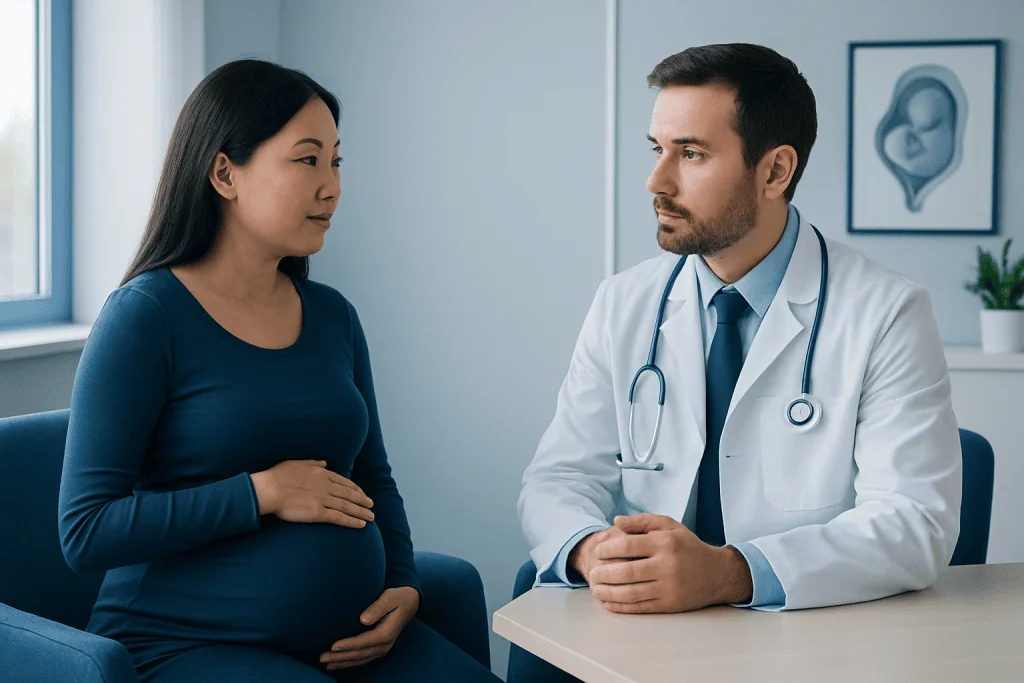
Superfetation means conceiving again after an earlier pregnancy has already started. If it truly happens, the two embryos or fetuses are at different developmental stages because they were conceived days or weeks apart. This is different from twins, which usually result from one pregnancy event and are typically the same gestational age.
True superfetation can be difficult to confirm. Differences in fetal size are much more commonly explained by natural variation in growth, uncertainty about ovulation dates, or one twin growing more slowly than the other. For that reason, doctors are cautious about using the term unless the timing is very clear.
Reports of superfetation are uncommon and may be more likely to be discussed in the setting of assisted reproduction. In practical terms, most people who worry they may be “pregnant while pregnant” are experiencing something far more common, such as normal pregnancy symptoms, spotting, dating uncertainty, or another pregnancy-related condition that needs evaluation.
Common reasons people ask this question
A person may wonder about a second pregnancy if they continue to have nausea, feel suddenly more bloated, notice ongoing breast tenderness, or develop spotting after already learning they are pregnant. These symptoms can be unsettling, but they do not usually mean a new conception has occurred.
One common reason is dating uncertainty. If ovulation happened later than expected, the pregnancy may appear younger or older than the last menstrual period suggests. Ultrasound often helps sort this out. In twin pregnancies, one baby may also measure differently from the other, which can create confusion without indicating a separate conception.
Bleeding in early pregnancy is another reason people seek answers. Light spotting can occur for several reasons, including cervical sensitivity or implantation-related timing in very early pregnancy. However, bleeding should not be ignored if it is heavy, painful, or accompanied by dizziness.
Doctors also think about other explanations, including miscarriage, subchorionic bleeding, hormonal changes, or ovarian cyst symptoms. In some cases, pelvic pain or bleeding raises concern for an ectopic pregnancy, which needs prompt medical assessment.
Red flags that warrant medical review
Most changes during pregnancy are not dangerous, and many symptoms have straightforward explanations. Still, some signs should be reviewed by a clinician because they may point to a complication rather than a second pregnancy.
Medical care should be sought promptly for:
- Heavy vaginal bleeding or bleeding with clots
- Moderate to severe abdominal or pelvic pain
- One-sided pelvic pain
- Shoulder pain, fainting, or marked dizziness
- Fever or signs of infection
- Severe vomiting with dehydration
- Sudden worsening of symptoms after a positive pregnancy test
These symptoms do not automatically mean something serious is happening, but they deserve careful evaluation. The goal is not to cause alarm. It is to identify concerns early, especially when the symptoms could fit an ectopic pregnancy, threatened miscarriage, or another condition that benefits from timely treatment.
How doctors evaluate the situation
When someone asks, “can you get pregnant while pregnant,” the doctor’s first step is usually to clarify the timeline. They may ask about the date of the last menstrual period, prior pregnancy tests, fertility treatment, bleeding patterns, pain, and any recent ultrasound findings. This history often points toward the most likely explanation.
A physical or pelvic examination may be recommended depending on symptoms. Blood tests can help, especially when the diagnosis is uncertain in early pregnancy. Measuring pregnancy hormone levels over time may show whether the pregnancy appears to be developing as expected.
Ultrasound is usually the most helpful test. It can confirm whether the pregnancy is in the uterus, estimate gestational age, check whether there is one fetus or more than one, and look for causes of pain or bleeding. If there is concern about a complication, a doctor may also discuss related care such as fertility treatment history review or assessment by specialists in gynecology care.
In many cases, the evaluation is reassuring. The findings may simply show a normal pregnancy, a minor dating difference, or a common cause of spotting. The key is that diagnosis should come from a qualified clinician rather than assumptions based on symptoms alone.
Treatment and next steps
Treatment depends entirely on the underlying cause. If the pregnancy is normal and the symptoms are within the expected range, no specific treatment may be needed beyond routine prenatal care, symptom monitoring, and follow-up scans when appropriate.
If doctors identify a complication, care is directed at that problem. For example, treatment may differ for bleeding from the cervix, a miscarriage in progress, an ectopic pregnancy, or an ovarian cyst. Management may involve observation, medication, or procedure-based care, depending on the diagnosis and the person’s symptoms.
When a rare case of suspected superfetation is considered, care focuses on careful monitoring of fetal growth and timing. Since this is so unusual, management is individualized and guided by obstetric specialists. If a patient needs advanced assessment, teams experienced in pregnancy follow-up and delivery can coordinate imaging, monitoring, and delivery planning.
Near the end of the care pathway, some patients may choose evaluation at centers with multidisciplinary women’s health services. Acibadem International’s specialists, working in JCI-accredited hospitals, diagnose and treat pregnancy-related conditions for international patients when more complex review is needed.
When to seek medical care
If a person has a positive pregnancy test and wonders whether they could be pregnant again, it is reasonable to mention it at a routine prenatal visit, especially if dates seem unclear or symptoms have changed. A doctor can usually provide reassurance after reviewing the history and, if needed, arranging an ultrasound.
Same-day or urgent medical care is more appropriate if there is strong pain, heavy bleeding, fainting, shoulder pain, or signs of dehydration. These symptoms are not typical signs of a second conception; instead, they may indicate a complication that should be evaluated promptly.
Even when symptoms seem mild, it is sensible to seek advice if something feels different from the expected course of pregnancy. Early assessment can reassure the patient, clarify the diagnosis, and support safer next steps for both parent and baby.
Frequently asked questions
Can you really get pregnant while already pregnant?
Usually no. Once pregnancy begins, hormones normally stop ovulation and make another conception extremely unlikely. A very rare event called superfetation has been described, but it is not the usual explanation for new or changing pregnancy symptoms.
Is superfetation the same as having twins?
No. Twins usually begin during the same pregnancy event and are generally the same gestational age. Superfetation refers to conceptions that happen at different times, so the embryos or fetuses would be at different developmental stages.
Why do people think they might be pregnant again during pregnancy?
Common reasons include bleeding, cramping, severe nausea, a change in belly size, or confusion about due dates. These symptoms are much more often linked to normal pregnancy changes, twin pregnancy, dating uncertainty, or a condition that needs medical review.
How would a doctor tell the difference?
A doctor will review the timing of symptoms, menstrual history, and any prior test results. Blood tests and ultrasound are usually the most useful tools to confirm where the pregnancy is, estimate gestational age, and check for complications.
Does bleeding in pregnancy mean a second pregnancy happened?
No. Bleeding in pregnancy is not a typical sign of a new conception. Light spotting can have several causes, but heavy bleeding, pain, or dizziness should be assessed quickly because they can signal a complication.
When should someone seek urgent care?
Urgent care is important for heavy bleeding, one-sided pelvic pain, severe abdominal pain, fainting, shoulder pain, fever, or signs of dehydration. These symptoms may suggest an ectopic pregnancy or another urgent condition rather than superfetation.
References
- American College of Obstetricians and Gynecologists
- National Health Service
- Mayo Clinic
- Merck Manual Consumer Version
This article is for general information only and is not a substitute for professional medical advice. Please consult a qualified doctor about your individual situation.
IVF & fertility treatment in Turkey — success rates and costs
JCI-accredited · board-certified surgeons · reply within 24h
Add us as a Preferred Source to see more of our trusted health content across Google Search, AI Overviews and Discover.
Check your numbers in seconds
BMI, calories, due date, blood pressure and 30+ more clinical calculators — free, instant, doctor-reviewed ranges.