Can You Live With One Lung? Daily Life, Recovery, and Safety
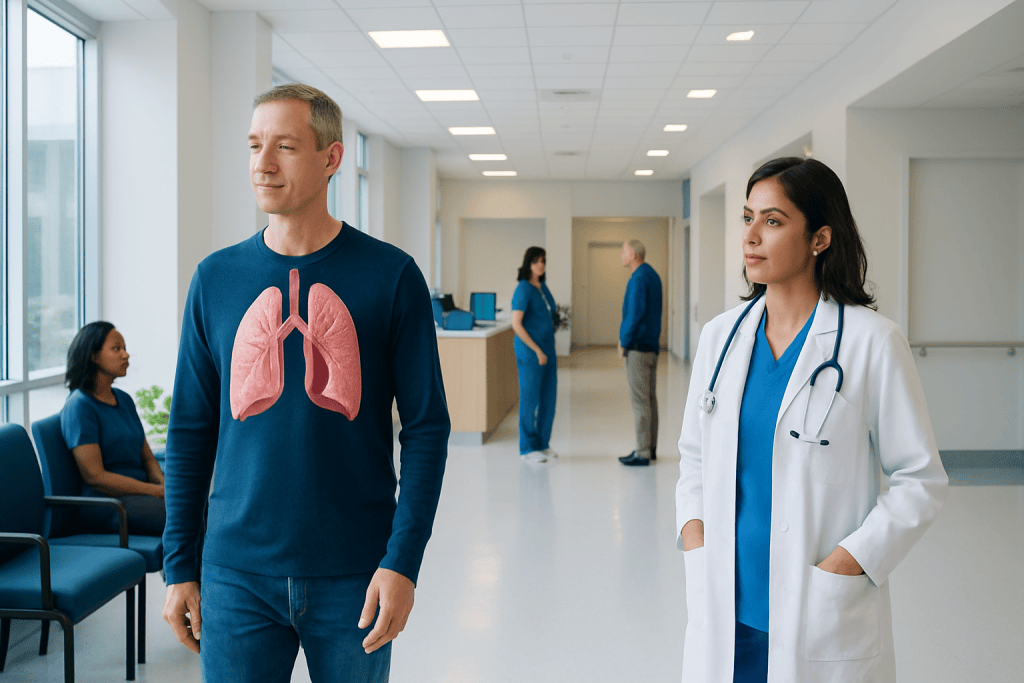
Many people adapt well to living with one lung, although exercise tolerance may be lower than before. Recovery is gradual and often improves with breathing exercises, pulmonary rehabilitation, and regular follow-up.
Key Takeaways
- Many people adapt well to living with one lung, although exercise tolerance may be lower than before.
- Recovery is gradual and often improves with breathing exercises, pulmonary rehabilitation, and regular follow-up.
- Avoiding smoking, preventing infections, and staying physically active are important for long-term lung health.
- Shortness of breath can be common at first, but sudden or worsening symptoms need prompt medical attention.
- A doctor can help assess safety for work, exercise, flying, and other daily activities based on individual lung function.
Yes, many people can live with one lung and continue daily activities, work, and travel. Recovery depends on overall health, the reason for lung removal or loss of function, and long-term support such as pulmonary rehabilitation and healthy lifestyle habits.
Overview: Can a Person Live With One Lung?
Yes, a person can live with one lung. The body can often adapt when one lung is removed or no longer works well, and the remaining lung may expand somewhat and take on more of the work of breathing. Many people return to normal self-care, social activities, and in some cases work and travel, although they may notice lower stamina than before.
People may have one lung for different reasons. Some are born with only one functioning lung, but more often it happens after surgery to remove a diseased lung, called a pneumonectomy, or after severe damage from infection, trauma, or other lung conditions. The experience is not the same for everyone, because age, heart health, physical fitness, and the condition of the remaining lung all affect recovery.
Living with one lung usually means adjusting expectations rather than giving up independence. Daily activities may take more planning, especially in the first months. With medical guidance, breathing rehabilitation, and healthy habits, many people build a safe and active routine.
Why Someone May Have One Lung
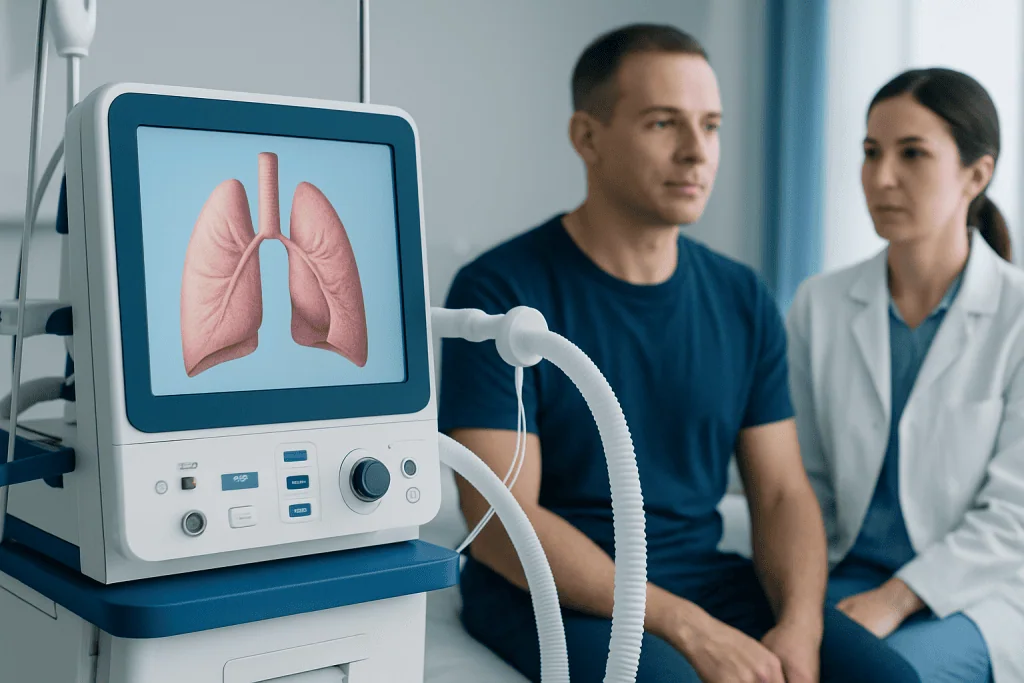
One common reason for living with one lung is surgery. A lung may be removed to treat lung cancer, severe infection, major injury, or advanced structural lung disease. In selected cases, removing a badly damaged lung can improve symptoms by reducing infection risk or severe breathing imbalance.
Some people effectively live with one functioning lung because the other lung is present but does not work well. This can happen after scarring, repeated infections, or airway blockage. In these situations, symptoms and treatment planning may resemble life with one lung, even though the nonworking lung has not been removed.
Doctors carefully evaluate whether a person can tolerate lung removal before surgery. This usually includes lung function tests, imaging, and heart assessment. If surgery is being considered for a serious lung condition such as lung cancer, the team will also look at the person’s physical reserve and expected quality of life after treatment.
What Daily Life May Feel Like
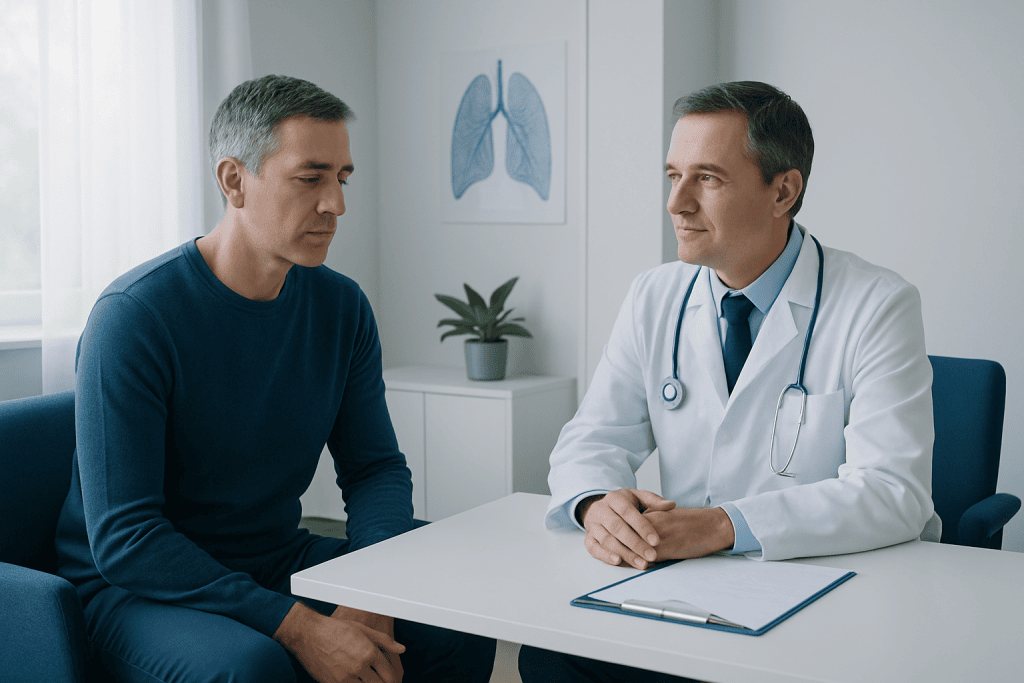
After losing a lung or having one lung removed, it is common to feel short of breath with activity, especially early in recovery. Walking upstairs, carrying groceries, or rushing may feel harder than before. Over time, many people learn how to pace themselves, use energy wisely, and build endurance gradually.
Most routine activities remain possible. People can usually talk normally, eat regular meals, do light household tasks, and go out independently once they recover. Some return to desk-based work sooner than those with physically demanding jobs. The ability to drive, travel, and exercise depends on symptoms, oxygen levels, and the doctor’s advice.
Emotional adjustment is also part of daily life. It is normal to feel anxious about breathing, physical limits, or the future. Structured support, realistic goals, and professional follow-up often help people feel more confident. Pulmonary rehabilitation may be recommended to improve breathing efficiency and stamina after pneumonectomy.
- Common temporary challenges include fatigue, breathlessness on exertion, and reduced exercise tolerance.
- Helpful adaptations include slower pacing, rest breaks, and regular breathing exercises.
- Many people notice gradual improvement over weeks to months rather than overnight recovery.
Recovery After Lung Removal or Lung Loss
Recovery usually happens in stages. In the hospital, the main goals are pain control, deep breathing, coughing to clear mucus, early walking, and preventing complications such as infection or blood clots. Once at home, healing continues as strength and lung capacity slowly improve.
The first weeks can feel tiring, and shortness of breath may still be noticeable. This does not always mean something is wrong. The body is adjusting to a new breathing pattern, and the chest wall and surgical area may still be healing. However, follow-up visits are important so the doctor can monitor oxygen levels, chest imaging, wound healing, and any symptoms that suggest complications.
Breathing rehabilitation plays a major role in recovery. This may include guided exercises, posture training, and a supervised walking or conditioning program. Some people also need treatment for the condition that led to lung loss, such as thoracic surgery follow-up care or ongoing management of COPD if the remaining lung has underlying disease.
Recovery time varies widely. Younger and fitter people with a healthy remaining lung often adapt more easily, while those with heart disease, chronic lung disease, or a history of smoking may need a longer rehabilitation period. The goal is not necessarily to return to the exact previous level, but to achieve the safest and best possible function.
Possible Risks and Warning Signs
Living with one lung is possible, but it does leave less breathing reserve if a new illness or complication develops. A chest infection, fluid around the lung, a blood clot, or a problem affecting the remaining lung may cause symptoms more quickly than in someone with two healthy lungs. That is why early medical evaluation matters if breathing suddenly changes.
Warning signs include rapidly worsening shortness of breath, chest pain, fever, coughing up blood, bluish lips, confusion, fainting, or swelling in the legs. These symptoms do not always mean a severe emergency, but they should not be ignored. Prompt assessment helps doctors find the cause and start treatment sooner.
There are also longer-term issues to monitor. Some people develop chronic breathlessness, reduced exercise tolerance, or repeated infections. In selected cases, oxygen therapy, inhaled medicines, or specialist review may be needed. If surgery was done because of mesothelioma or another serious disease, ongoing surveillance may also be part of care.
How Doctors Assess Safety for Exercise, Work, and Travel
Doctors do not rely on symptoms alone to judge what is safe after lung loss. They may use breathing tests, walking tests, oxygen measurements, chest imaging, and heart evaluation. These assessments help determine whether a person can safely increase exercise, return to work, or travel by air.
Exercise is often encouraged because it supports cardiovascular health, muscle strength, and breathing efficiency. The key is to start gradually and build up under professional advice. Walking, stationary cycling, and guided strength work are often suitable, while intense or high-risk activities may need individual review.
Flying may be possible for many people with one lung, but cabin pressure can affect oxygen levels. Some travelers need pre-flight testing or supplemental oxygen arrangements. People should also ask about altitude, diving, and strenuous trekking, as these place extra demands on the remaining lung. If needed, evaluation by a specialist in pulmonary rehabilitation or respiratory medicine can help create a practical plan.
Protecting the Remaining Lung
Prevention and self-care are especially important when there is only one working lung. Not smoking is the single most important step. Avoiding secondhand smoke, dust, fumes, and poorly ventilated environments can also reduce irritation and help preserve lung function over time.
Vaccination and infection prevention matter as well. Doctors commonly advise staying up to date with recommended vaccines, such as influenza and pneumococcal vaccines, depending on age and health status. Hand hygiene, good sleep, regular movement, and early treatment of respiratory infections may lower the risk of complications.
Physical activity, nutrition, and weight management support better breathing. Gentle but regular exercise can improve endurance, while a balanced diet helps recovery and muscle strength. Breathing exercises, upright posture, and pacing during exertion may make everyday tasks easier. Near the end of long-term follow-up, some patients may choose care through centers such as Acibadem International, where multidisciplinary specialists in JCI-accredited hospitals diagnose and treat complex lung conditions for international patients.
When to See a Doctor
Regular follow-up is important even when a person feels well. Checkups help monitor the remaining lung, review symptoms, update vaccinations, and adjust medications or rehabilitation if needed. Follow-up is particularly important after cancer treatment, major chest surgery, or severe lung infection.
A doctor should be contacted if breathlessness limits usual activities more than before, if there is a new cough, wheezing, fever, chest discomfort, or unexplained fatigue. These symptoms may be treatable, but it is safer not to assume they are part of normal recovery. Early review often prevents small problems from becoming more serious.
Emergency care is needed for severe shortness of breath, sudden chest pain, fainting, blue discoloration of the lips, or coughing up significant blood. Because one lung provides less reserve, fast assessment is especially important in urgent situations.
Frequently asked questions
Can you live a normal life with one lung?
Many people can live an active and independent life with one lung. Daily life may require some adjustments, especially for strenuous activity, but routine tasks, work, and travel are often still possible with medical guidance.
Is it harder to breathe with one lung?
It can be, especially during exercise or early recovery after surgery. The remaining lung often adapts over time, and breathing may become easier with rehabilitation, exercise training, and treatment of any underlying lung disease.
How long does it take to recover after a lung is removed?
Recovery varies from person to person and depends on age, general health, and the condition of the remaining lung. Initial healing may take weeks, while improvement in stamina and breathing can continue for several months.
Can a person with one lung exercise?
Yes, exercise is often encouraged because it helps improve endurance and overall health. A doctor or rehabilitation specialist can suggest a safe plan, usually starting with low-impact activities and gradual progression.
Is flying safe with one lung?
Many people with one lung can fly, but some need an assessment first because cabin pressure may lower oxygen levels. A doctor may recommend oxygen testing before travel or help arrange extra oxygen if needed.
What should be avoided when living with one lung?
Smoking and secondhand smoke should be avoided, as well as exposure to dust, fumes, and respiratory infections when possible. It is also important not to ignore new breathing symptoms or overexert too quickly during recovery.
References
- National Heart, Lung, and Blood Institute
- American Lung Association
- National Health Service
- American Thoracic Society
- European Respiratory Society
This article is for general information only and is not a substitute for professional medical advice. Please consult a qualified doctor about your individual situation.
Explore treatments in Turkey — costs, top hospitals & a free quote
JCI-accredited · board-certified surgeons · reply within 24h
Add us as a Preferred Source to see more of our trusted health content across Google Search, AI Overviews and Discover.