Can You Prevent Osteoarthritis? What Weight, Exercise, and Injuries Have to Do With It

Osteoarthritis develops when joint cartilage and surrounding tissues gradually wear down over time. A healthy body weight helps reduce stress on weight-bearing joints such as the knees, hips, and spine.
Key Takeaways
- Osteoarthritis develops when joint cartilage and surrounding tissues gradually wear down over time.
- A healthy body weight helps reduce stress on weight-bearing joints such as the knees, hips, and spine.
- Regular low-impact exercise supports joint movement, muscle strength, balance, and overall joint function.
- Past joint injuries can raise the risk of osteoarthritis, so prompt treatment and rehabilitation matter.
- Early medical advice for ongoing joint pain, stiffness, or swelling may help slow progression and improve quality of life.
Osteoarthritis cannot always be fully prevented, but many people can lower their risk and delay joint damage through healthy habits. Weight management, regular exercise, and injury prevention all play an important role in protecting joints over time.
Overview: Can Osteoarthritis Be Prevented?
Osteoarthritis is the most common form of arthritis. It happens when the protective cartilage within a joint gradually breaks down, and the surrounding bone, ligaments, and soft tissues also change over time. This process can lead to pain, stiffness, reduced flexibility, and difficulty with everyday activities.
It is not always possible to completely prevent osteoarthritis. Age, genetics, joint shape, and certain medical conditions can all influence risk. Still, many modifiable factors affect how much stress joints experience throughout life. This means that prevention often focuses on lowering risk, protecting joint function, and slowing changes before symptoms become more limiting.
Three of the most important areas are body weight, physical activity, and joint injuries. Excess weight increases pressure on certain joints, inactivity can weaken the muscles that support them, and injuries may damage cartilage or alter how a joint moves. Addressing these factors early can make a meaningful difference.
How Osteoarthritis Develops
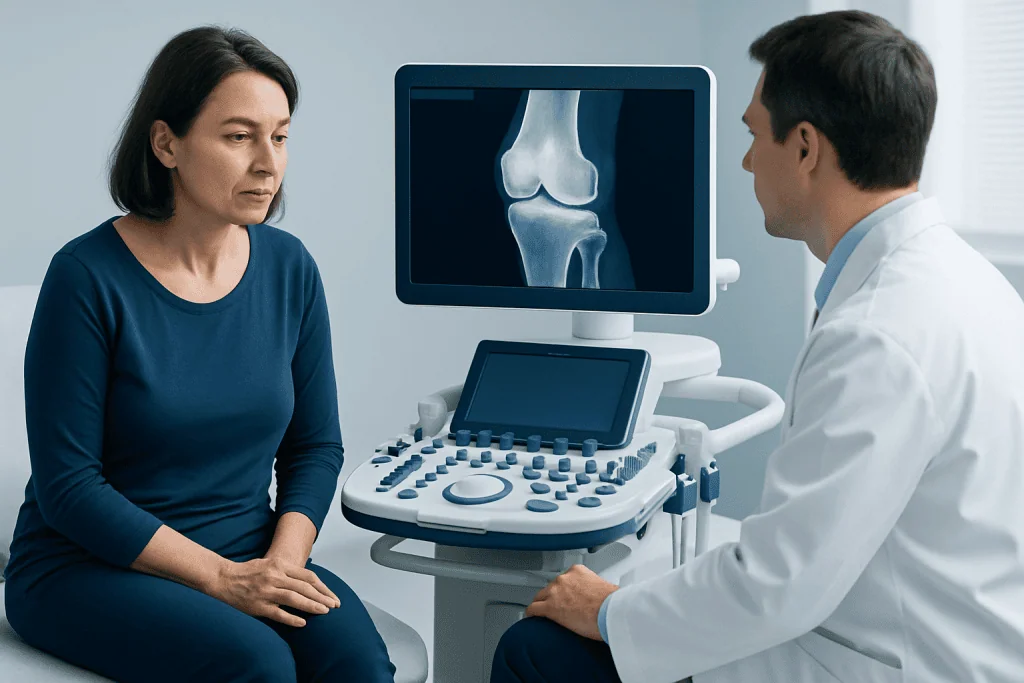
Healthy joints are covered with smooth cartilage that helps bones glide against each other. The joint also contains fluid for lubrication and tissues that provide stability. In osteoarthritis, cartilage becomes thinner and rougher, and the joint may gradually lose its normal cushioning and movement.
This wear does not happen for just one reason. It usually reflects a combination of mechanical stress, aging-related tissue changes, inflammation at a low level, genetics, and past injuries. Over time, the body may form bony growths called osteophytes, and muscles around the joint may become weaker.
Osteoarthritis often affects the knees, hips, hands, spine, and feet. Some people have mild symptoms for years, while others notice increasing stiffness and pain. Prevention aims to reduce avoidable stress on these vulnerable joints and support the tissues that keep them functioning well.
What Weight Has to Do With Osteoarthritis

Body weight has a direct effect on joint loading, especially in the knees, hips, lower back, and feet. Every extra kilogram places more force across weight-bearing joints during walking, climbing stairs, and standing. Over many years, this added pressure can contribute to cartilage breakdown and changes in the joint.
Weight may also affect osteoarthritis in another way. Fat tissue is metabolically active and can produce substances linked to inflammation. This may help explain why excess weight is associated not only with knee and hip osteoarthritis but also with problems in other joints.
Even modest weight loss can be helpful for people who are overweight. Reducing body weight may lower joint stress, improve mobility, and decrease pain in people who already have symptoms. A balanced eating pattern, regular movement, and realistic long-term goals are usually more helpful than short-term restrictive plans.
For some people, osteoarthritis and weight gain can create a cycle: pain makes activity harder, and lower activity can contribute to further weight gain. Breaking that cycle with medical guidance, gentle exercise, and nutrition support can protect joint health and improve daily comfort.
How Exercise Helps Protect Joints
Many people worry that exercise will wear joints out. In fact, appropriate exercise is one of the most useful ways to help prevent osteoarthritis and manage early symptoms. Movement nourishes cartilage, strengthens the muscles that support joints, improves balance, and helps maintain a healthy weight.
The best approach is usually regular, low-impact activity. Walking, cycling, swimming, water exercise, and using an elliptical trainer are often easier on the joints than high-impact sports. Strength training is also important because stronger muscles reduce the load placed directly on joints and improve stability during daily activities.
Flexibility and balance exercises add further protection. Gentle stretching can improve range of motion, while yoga, tai chi, or balance exercises may reduce falls and awkward movements that could lead to injury. The goal is not intense performance, but consistent, joint-friendly activity.
Helpful exercise habits include:
- Starting slowly and increasing activity gradually
- Choosing supportive footwear and proper technique
- Warming up before exercise and cooling down after
- Including strength, aerobic, and flexibility work during the week
- Stopping and seeking advice if pain is sharp, severe, or persistent after activity
Why Injuries Increase the Risk
Joint injuries are a well-recognized risk factor for later osteoarthritis. Damage to cartilage, menisci, ligaments, or the joint surface can change how force is distributed across the joint. Even after healing, the joint may not move exactly as it did before, which can speed up wear over time.
This is especially common after knee injuries, such as anterior cruciate ligament tears, meniscus injuries, or fractures involving the joint. Repeated overuse injuries can also matter. Occupations or sports that involve frequent kneeling, squatting, twisting, heavy lifting, or repetitive impact may place ongoing stress on certain joints.
Preventing injury is therefore an important part of osteoarthritis prevention. Proper sports training, protective equipment, conditioning, good technique, and adequate recovery all help. When an injury does happen, early assessment and complete rehabilitation are important. Returning to activity too soon can increase the chance of long-term joint problems.
If a person develops persistent pain or instability after an injury, medical evaluation may be needed to assess whether there is structural damage. In some situations, rehabilitation, physical therapy and rehabilitation, or orthopedic care may help restore safer movement patterns and reduce future joint strain.
Other Risk Factors and Daily Prevention Steps
Weight, exercise, and injuries are major factors, but they are not the only ones. Age is one of the strongest influences because joint tissues naturally change over time. Family history may affect cartilage quality, bone shape, or how the body responds to stress. Some people are also born with joint alignment differences that increase wear in specific areas.
Certain health conditions can contribute as well. Diabetes, metabolic syndrome, inflammatory joint disease, and previous joint infections may affect joint health directly or indirectly. Jobs that require repetitive joint loading and prolonged awkward positions can increase risk, particularly when rest and recovery are limited.
Practical prevention steps include maintaining a healthy weight, staying physically active, strengthening key muscle groups, and managing injuries carefully. Good posture, ergonomic work habits, and supportive footwear can also help. People who spend long hours at a desk or doing repetitive tasks may benefit from regular movement breaks and attention to body mechanics.
Some people with persistent joint symptoms may eventually need evaluation for related conditions such as osteoarthritis or knee pain. The earlier joint concerns are recognized, the easier it may be to adjust habits and start supportive treatment.
Diagnosis and Treatment if Symptoms Begin
Prevention is important, but symptoms can still develop. Common signs of osteoarthritis include joint pain during or after activity, stiffness after rest, reduced flexibility, swelling, grinding sensations, and difficulty using the joint normally. Symptoms often begin gradually and may come and go at first.
Doctors diagnose osteoarthritis by reviewing symptoms, medical history, activity level, and past injuries, followed by a physical examination. Imaging such as X-rays may show narrowing of joint space, bone changes, or other features. In some cases, additional tests are used to rule out other causes of joint pain.
Treatment usually focuses on relieving symptoms, improving function, and slowing further stress on the joint. Common options include exercise therapy, weight management, pain-relief strategies, supportive braces or footwear, and guidance on activity modification. Some people may benefit from orthopedic evaluation or a tailored rehabilitation plan.
When osteoarthritis becomes advanced and daily life is significantly affected, procedures may be considered. Depending on the joint and the person’s needs, options can range from injections to surgery, including knee replacement for severe knee damage. Near the end of the care pathway, Acibadem International’s multidisciplinary specialists in JCI-accredited hospitals diagnose and treat osteoarthritis for international patients when expert assessment is needed.
When to See a Doctor
It is sensible to seek medical advice if joint pain, stiffness, or swelling lasts more than a few weeks, keeps returning, or limits usual activities. Assessment is also important if a joint feels unstable, locks, gives way, or becomes difficult to fully bend or straighten.
After an injury, medical review is especially important when there is major swelling, inability to bear weight, deformity, significant loss of motion, or ongoing symptoms that do not improve with rest. Early care can identify problems that may otherwise contribute to long-term joint damage.
People with risk factors such as excess weight, previous sports injuries, heavy physical work, or a family history of joint disease may benefit from earlier guidance on prevention. A doctor or physiotherapist can recommend safe exercise, weight management support, and strategies to protect vulnerable joints.
Prompt evaluation does not always mean serious disease. Often, it simply helps a person understand what is causing symptoms and what practical steps may reduce pain, preserve function, and support long-term joint health.
Frequently asked questions
Can osteoarthritis really be prevented?
Osteoarthritis cannot always be completely prevented because age, genetics, and natural joint changes also play a role. However, many people can reduce their risk or delay symptoms by maintaining a healthy weight, exercising regularly, and avoiding or properly treating joint injuries.
Does being overweight increase the risk of osteoarthritis?
Yes. Extra body weight increases pressure on weight-bearing joints such as the knees, hips, and lower back. It may also contribute to inflammation in the body, which can further affect joint health.
Is exercise bad for joints if someone wants to prevent osteoarthritis?
No, appropriate exercise is usually helpful rather than harmful. Low-impact aerobic activity, strength training, and flexibility exercises support joint function, improve muscle support, and help with weight control. It is best to build up gradually and choose activities that do not cause ongoing pain.
Can a past sports injury lead to osteoarthritis later in life?
Yes, it can. Injuries that affect cartilage, ligaments, menisci, or the joint surface may change how the joint moves and carries weight. Good rehabilitation and follow-up care after an injury may help reduce this long-term risk.
Which joints are most commonly affected by osteoarthritis?
Osteoarthritis commonly affects the knees, hips, hands, spine, and feet. These joints either bear weight regularly or perform repetitive movements over many years. Symptoms and risk factors can vary depending on the joint involved.
When should someone seek medical advice for joint symptoms?
A doctor should be consulted if joint pain, stiffness, or swelling lasts for several weeks, keeps returning, or interferes with daily life. Medical advice is also important after an injury if there is major swelling, instability, or difficulty bearing weight.
References
- World Health Organization
- Centers for Disease Control and Prevention
- National Institute of Arthritis and Musculoskeletal and Skin Diseases
- American Academy of Orthopaedic Surgeons
- Arthritis Foundation
This article is for general information only and is not a substitute for professional medical advice. Please consult a qualified doctor about your individual situation.
Osteoarthritis in Turkey — costs, top hospitals & a free quote
JCI-accredited · board-certified surgeons · reply within 24h
Add us as a Preferred Source to see more of our trusted health content across Google Search, AI Overviews and Discover.

Physical Medicine & Rehabilitation
Restoring movement and function after injury, surgery or neurological conditions.
150 specialists in this unitMore from the Health Library



Related Specialists

Asst. Prof. Dr. Mustafa Sungur
Orthopedic Surgery & Traumatology
Dt. Müge Tiralı Türkkan
Oral & Dental Health
Dr. Meftun Zerbızade
Neurosurgery
Dr. G. Pınar Özeren
Gynecology & Obstetrics