Can You Sneeze in Your Sleep? Causes, Explanations, and Next Steps

True sneezing during deep sleep is uncommon because the sneeze reflex is reduced while the brain is fully asleep. Most nighttime sneezing happens during brief arousals, light sleep, or just as a person is falling asleep or waking up.
Key Takeaways
- True sneezing during deep sleep is uncommon because the sneeze reflex is reduced while the brain is fully asleep.
- Most nighttime sneezing happens during brief arousals, light sleep, or just as a person is falling asleep or waking up.
- Common triggers include allergies, colds, dry air, dust, pet dander, and nasal irritation.
- Occasional nighttime sneezing is often harmless, but persistent symptoms may point to rhinitis, sinus problems, or another treatable condition.
- Medical review is sensible if sneezing comes with breathing pauses, wheezing, fever, facial pain, nosebleeds, or poor sleep quality.
Yes—but usually not during deep, uninterrupted sleep. In most cases, sneezing at night happens when a person briefly wakes, shifts into lighter sleep, or has nasal irritation from allergies, infection, or the sleeping environment.
Overview: Can a Person Sneeze While Asleep?
Yes, a person can appear to sneeze in their sleep, but in most cases the body is not fully asleep at that exact moment. Sneezing is a protective reflex that helps clear the nose and upper airway. During deeper stages of sleep, the brain becomes less responsive to many outside irritants, so the sneeze reflex is usually dampened.
That is why many episodes of “sleep sneezing” actually happen during a brief arousal, in light sleep, or in the moments between sleep and wakefulness. A person may not remember waking at all, yet the brain may have become alert enough for the reflex to happen. This can make it feel as though the sneeze occurred entirely during sleep.
Most of the time, occasional sneezing at night is harmless and related to common triggers such as dust, dry air, seasonal allergies, or a mild viral illness. Still, repeated episodes that disrupt rest or come with other symptoms can be worth discussing with a doctor, especially if nasal congestion, snoring, breathing difficulty, or facial pressure are also present.
Why Sneezing Usually Stops During Deep Sleep
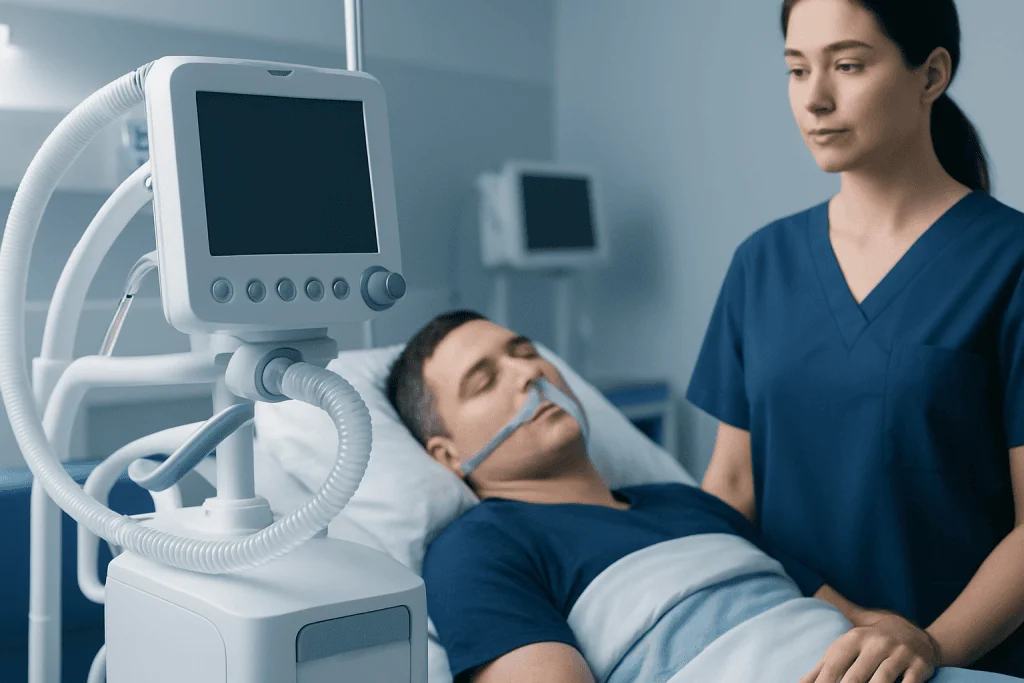
Sneezing begins when nerve endings in the nose are irritated by particles, inflammation, or sudden changes in the environment. These signals travel through the nervous system to coordinate a forceful reflex involving the nose, throat, chest, and diaphragm. While awake, this system responds quickly to protect the airways.
During sleep, especially deeper non-REM sleep, sensory processing changes. The sleeping brain tends to filter incoming signals, and reflexes that depend on strong awareness of irritation may become less active. This helps explain why a small amount of dust or a mild tickle in the nose may not trigger a sneeze until the person shifts into lighter sleep or briefly wakes.
Sleep position can also matter. Lying down may allow mucus to pool, the nose to feel more blocked, or allergens in bedding to stay close to the face. If irritation builds enough to cause an arousal, sneezing may then occur. In other words, sleep often suppresses the reflex, but it does not always prevent the conditions that lead to it.
Common Causes of Nighttime Sneezing

The most common explanation is irritation inside the nose. Allergic rhinitis is a frequent cause, especially when symptoms are worse around pillows, blankets, carpets, or pets. Dust mites, mold, pollen carried indoors, fragrance, cleaning products, and cigarette smoke can all trigger nasal inflammation and sneezing at night. When helpful, a doctor may evaluate for allergic rhinitis if sneezing is recurrent and linked to congestion or itchy eyes.
Upper respiratory infections are another common reason. A cold can make the nasal lining swollen and sensitive, leading to sneezing, drainage, and a blocked nose that feels worse when lying flat. Sinus inflammation may also contribute, especially if there is facial pressure, thick mucus, or reduced sense of smell. In some people, chronic or repeated symptoms may overlap with sinusitis.
Nonallergic triggers can also play a role. Dry indoor air, air conditioning, temperature shifts, strong odors, and even reflux-related throat irritation may make the nose more reactive. Structural nasal issues such as a deviated septum do not directly cause sneezing in everyone, but they can worsen congestion and irritation that make nighttime symptoms more noticeable.
Less commonly, nighttime sneezing may occur along with poor sleep from snoring or disrupted breathing. Although sneezing is not a classic symptom of sleep apnea, blocked nasal passages can contribute to restless sleep and repeated awakenings. If snoring, gasping, or daytime tiredness are present too, a broader sleep evaluation may be useful.
What Symptoms May Happen Alongside It
Sneezing at night often comes with other nose and throat symptoms that help point to the cause. Common examples include a runny or stuffy nose, postnasal drip, itchy nose, itchy eyes, throat clearing, or coughing after lying down. These features often suggest allergy, irritation, or a mild infection rather than a more serious problem.
If the problem is triggered by the sleep environment, symptoms may be worse in the bedroom and improve outside it. For example, a person may notice sneezing after getting into bed, waking with a blocked nose, or feeling worse around pets, old bedding, or dusty rooms. This pattern can be useful when discussing symptoms with a doctor.
Certain associated symptoms deserve more attention. Fever, one-sided facial pain, recurrent nosebleeds, wheezing, chest tightness, or breathing pauses during sleep are not typical of simple nasal irritation alone. When these occur, medical review can help rule out infection, asthma, structural problems, or sleep-disordered breathing.
How a Doctor Finds the Cause
Doctors usually begin with a careful symptom history. They may ask when the sneezing happens, whether it occurs only at night, how often it happens, and whether there are allergy symptoms, viral symptoms, snoring, reflux, or exposure to dust, pets, smoke, or strong scents. A symptom pattern often gives important clues.
A physical examination may include looking inside the nose for swelling, mucus, dryness, polyps, or signs of irritation. The doctor may also examine the throat, ears, and sinuses and ask about medications or home conditions that could affect the nasal passages. If symptoms are persistent, allergy testing may be considered.
Additional tests are not always needed, but they can help in selected cases. Nasal endoscopy, imaging, or other ENT assessment may be useful when symptoms suggest chronic sinus disease, structural blockage, or nasal polyps. If symptoms raise concern about a sleep problem rather than nasal irritation alone, a sleep study such as polysomnography may be recommended to look for disrupted breathing or repeated arousals.
Treatment and Practical Next Steps
Treatment depends on the cause. If allergies are responsible, reducing exposure to triggers is usually a key step. Washing bedding regularly, using mattress and pillow covers, managing indoor humidity, vacuuming with good filtration, and keeping pets out of the bedroom may help. Some people also benefit from saline nasal rinses or doctor-recommended allergy medicines.
If a cold or sinus irritation is the issue, care usually focuses on relieving congestion and supporting healing. Humidified air, adequate fluids, saline spray, and rest may ease symptoms. Persistent sinus symptoms, marked facial pressure, or repeated infections may need further evaluation, and in selected cases imaging such as MRI can help clarify related concerns when a clinician feels it is appropriate.
When structural nasal blockage contributes to poor airflow and irritation, an ENT specialist may discuss options ranging from medical treatment to procedures. If sleep-disordered breathing is suspected, treatment may focus on improving the airway during sleep. In some cases, doctors may consider care pathways related to snoring or sleep apnea treatment after proper evaluation.
Near the end of the diagnostic process, multidisciplinary input can be helpful when symptoms involve both sleep and ENT concerns. Acibadem International’s specialists in JCI-accredited hospitals diagnose and treat nasal, sinus, and sleep-related conditions for international patients using coordinated evaluation when needed.
Self-Care and Prevention at Home
Simple changes in the bedroom can reduce nighttime sneezing for many people. Keeping the sleeping area clean, washing sheets in hot water, replacing old pillows, and limiting dust-collecting items such as heavy curtains or stuffed toys may lower allergen exposure. If pollen is a trigger, showering before bed and keeping windows closed during high-pollen periods may help.
Managing indoor air can also make a difference. Air that is too dry may irritate the nose, while too much humidity may encourage mold growth. A balanced indoor environment, along with avoiding perfumes, smoke, and harsh cleaning sprays in the bedroom, may reduce nasal sensitivity. Saline nasal spray can help moisturize and rinse the nasal lining without medication.
It is also helpful to notice patterns. Keeping a brief diary of symptoms, sleep quality, bedroom exposures, and seasonal changes can make the cause easier to identify. If over-the-counter remedies are used, they should be taken according to package directions, and persistent symptoms should still be reviewed by a qualified clinician rather than self-treated indefinitely.
When to Seek Medical Care
Occasional nighttime sneezing on its own is usually not an emergency. Medical attention is more important when symptoms are frequent, worsening, or interfering with sleep quality. A doctor should also be consulted if sneezing lasts for weeks, keeps coming back, or does not improve after avoiding common triggers.
More urgent review is sensible if sneezing comes with high fever, severe facial pain, thick discolored mucus lasting beyond a typical cold, wheezing, shortness of breath, chest tightness, repeated nosebleeds, or swelling around the eyes. These features may point to infection, asthma, significant inflammation, or another condition that needs treatment.
Evaluation is also worthwhile if the person snores loudly, gasps in sleep, wakes unrefreshed, or is very sleepy during the day. In those cases, sneezing may be only one part of a broader problem affecting sleep and breathing. A doctor can help decide whether ENT assessment, allergy testing, or sleep testing is the best next step.
Frequently asked questions
Can people actually sneeze while fully asleep?
Usually, deep sleep suppresses the sneeze reflex, so true sneezing during fully sustained sleep is uncommon. Most episodes happen during light sleep, a brief awakening, or the transition between sleeping and waking.
Why do I only sneeze at night in bed?
Nighttime sneezing in bed often points to bedroom-related triggers such as dust mites, pet dander, mold, fragrance, or dry air. It can also happen when lying down makes congestion or postnasal drip more noticeable.
Is sneezing in your sleep a sign of sleep apnea?
Sneezing is not a classic sign of sleep apnea by itself. However, if it happens along with loud snoring, choking, gasping, or daytime sleepiness, it is reasonable to ask a doctor whether a sleep evaluation is needed.
Can allergies cause sneezing during sleep?
Yes, allergies are one of the most common reasons for nighttime sneezing. Bedding, carpets, and indoor allergens can irritate the nose enough to trigger symptoms during light sleep or brief arousals.
How can a person reduce sneezing at night?
Helpful steps include washing bedding regularly, reducing bedroom dust, keeping pets out of the sleeping area, and using saline spray to keep the nose moist. If symptoms continue, a clinician can advise whether allergy treatment or ENT assessment would help.
When should nighttime sneezing be checked by a doctor?
A doctor should assess symptoms that are frequent, persistent, or disruptive to sleep. Review is especially important if sneezing comes with fever, facial pain, wheezing, shortness of breath, repeated nosebleeds, or signs of poor sleep quality.
This article is for general information only and is not a substitute for professional medical advice. Please consult a qualified doctor about your individual situation.
Explore treatments in Turkey — costs, top hospitals & a free quote
JCI-accredited · board-certified surgeons · reply within 24h
Add us as a Preferred Source to see more of our trusted health content across Google Search, AI Overviews and Discover.

More from the Health Library

How to Get Rid of Back Acne? Here Is What the Evidence Says

Tingling: Common Causes, Warning Signs, and When to Worry

Insulin vs Glucagon: Key Differences and How Doctors Tell Them Apart

Does Sprite Help with Nausea? A Doctor-Reviewed Answer

Is Milk Good for You? Causes, Explanations, and Next Steps