Cancer Acupuncture Treatment: How It Works, Results and What to Expect
Acupuncture may support symptom relief during or after cancer treatment, especially for chemotherapy-related nausea and some pain conditions. It does not shrink tumors, replace surgery, chemotherapy, radiotherapy, immunotherapy or other cancer-directed treatments.
Key Takeaways
- Acupuncture may support symptom relief during or after cancer treatment, especially for chemotherapy-related nausea and some pain conditions.
- It does not shrink tumors, replace surgery, chemotherapy, radiotherapy, immunotherapy or other cancer-directed treatments.
- Cancer patients need an individualized safety review because low blood counts, bleeding risk, infection risk and lymphedema can affect where and when needling is appropriate.
- A licensed, experienced acupuncture practitioner should communicate with the treating oncology team.
- Benefits may be noticed after one session for some symptoms, while other concerns may require several sessions and regular review.
Cancer acupuncture treatment is a supportive, integrative therapy that may help some people manage treatment-related symptoms such as nausea, pain, fatigue, dry mouth, hot flashes, anxiety and sleep difficulties. It is not a cure for cancer and should be coordinated with the oncology team rather than used instead of evidence-based cancer treatment.
Overview: What Is Cancer Acupuncture Treatment?
Cancer acupuncture treatment involves inserting very thin, sterile needles at selected points on the body to help manage symptoms related to cancer or its treatment. It is most often offered as part of integrative oncology, alongside medical cancer care. Research supports acupuncture for certain symptoms in selected patients, particularly nausea and vomiting related to chemotherapy, and it may also help with pain, anxiety, sleep problems, hot flashes, dry mouth and some forms of fatigue.
Acupuncture does not treat the cancer itself. It has not been shown to eliminate cancer cells, reduce a tumor reliably or replace treatments such as surgery, chemotherapy, radiation therapy, targeted therapy, hormone therapy or immunotherapy. Its role is supportive: helping a person feel more comfortable and better able to continue recommended cancer care.
For safety, acupuncture should be discussed with the oncology team before treatment begins. Timing and needle locations may need to be adjusted around chemotherapy cycles, surgery, radiation therapy, blood test results and medical devices such as ports. A coordinated plan helps ensure that supportive care complements the person’s overall cancer treatment plan.
How Acupuncture May Work and Who May Be a Candidate
Traditional acupuncture is based on a system of points and pathways used in East Asian medicine. From a biomedical perspective, needling may influence pain-signaling pathways, local tissue responses and the nervous system. It may also affect mechanisms involved in nausea, stress and sleep. These possible effects are still being studied, and results vary between individuals and symptoms.
A person may consider acupuncture when they have a persistent treatment-related symptom despite standard supportive measures, or when they would like an additional non-drug option. It may be particularly relevant for people experiencing chemotherapy-related nausea, peripheral neuropathy symptoms, musculoskeletal pain, aromatase inhibitor-associated joint pain, hot flashes, dry mouth after head and neck radiation, or emotional and sleep concerns.
Not everyone should receive acupuncture at every stage of treatment. The practitioner and oncology team should review platelet and white blood cell counts, use of blood-thinning medicines, active infection, skin changes from radiation, recent surgery and the presence of swelling or lymphedema. Needles are generally avoided in areas of infection, open wounds, tumors, radiation injury or compromised skin. Extra precautions are needed after lymph node surgery or radiation, especially in an affected arm or leg.
- Appropriate candidates are medically stable and able to discuss symptoms and treatment history.
- Care should be delivered by a licensed practitioner with experience working with cancer patients.
- The oncology team should know about all complementary therapies, herbs and supplements being used.
What Happens During Cancer Acupuncture Treatment?
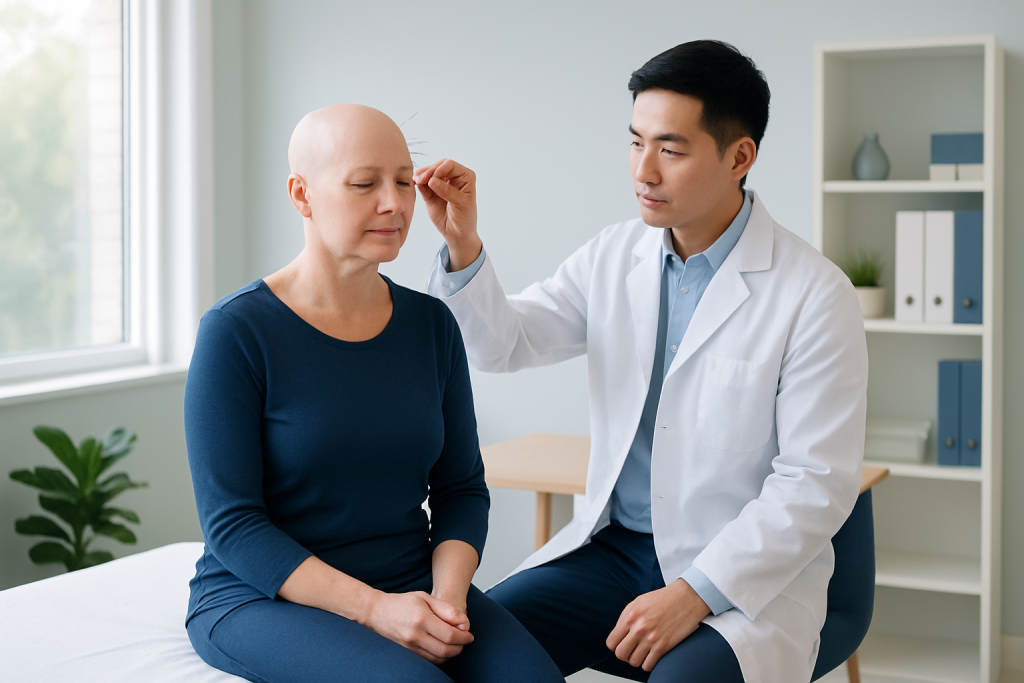
The first appointment usually begins with a detailed assessment. The practitioner asks about the cancer diagnosis, treatments received or planned, medicines, symptoms, medical devices, blood count concerns and relevant surgical history. They may also ask about sleep, appetite, bowel habits, energy and emotional wellbeing. This information helps determine whether acupuncture is suitable and which areas should be avoided.
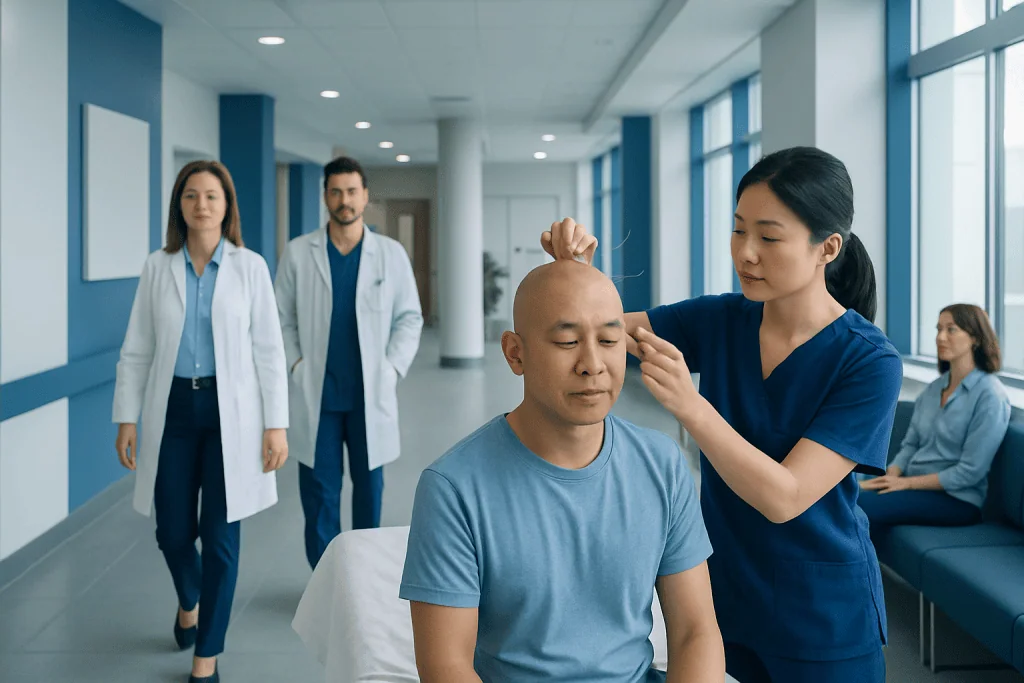
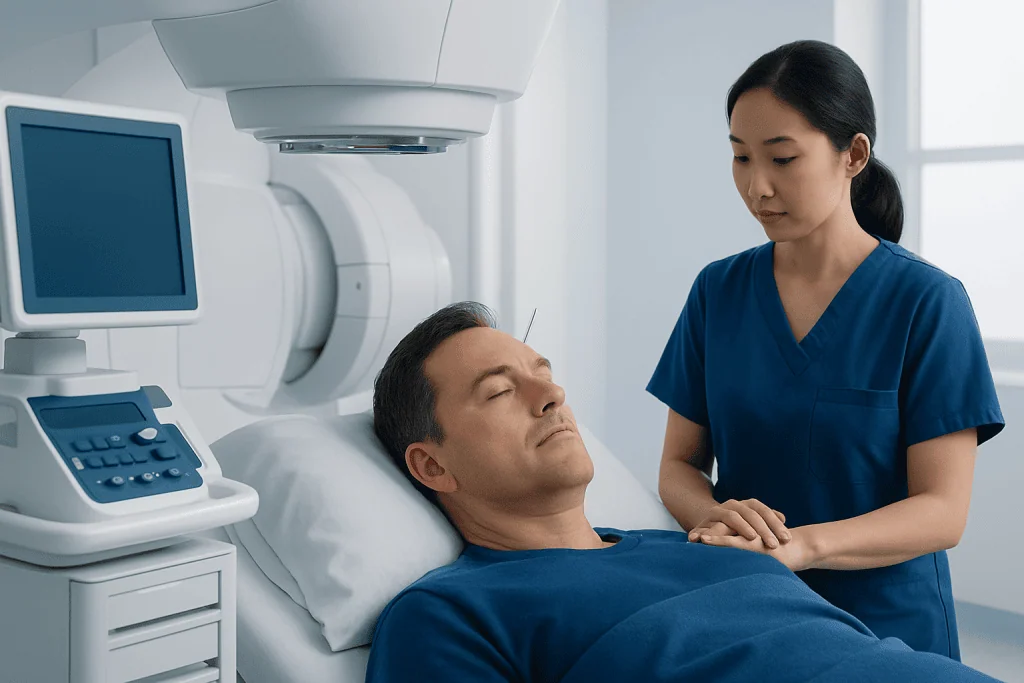
During treatment, the patient is positioned comfortably, usually lying down or reclining. Single-use sterile needles are placed gently into selected points, often in the arms, legs, scalp, ears or torso depending on the symptom and medical considerations. People commonly feel little more than a brief pinch, pressure, warmth, tingling or a dull, heavy sensation. The needles generally remain in place for a short period while the patient rests.
Practitioners may use non-needle methods when needling is not appropriate or when a patient prefers them. These can include acupressure, ear seeds or relaxation strategies. Electrical stimulation through acupuncture needles, heat-based techniques and vigorous massage are not suitable for every person with cancer, so their use requires individual clinical judgment.
At the end of the visit, the practitioner reviews how the person felt, notes any reactions and discusses the next steps. The number and frequency of sessions depend on the symptom, cancer treatment schedule, response and goals. A short course may be used for an acute concern such as nausea, while ongoing symptoms may be reviewed over several appointments.
How Long After Acupuncture Does It Start to Work?
Some people notice a change in symptoms on the day of their first session, such as feeling calmer, less tense or more able to rest. For nausea, anxiety or short-term pain flares, the response may sometimes be relatively prompt. However, a rapid response is not guaranteed, and it does not determine whether acupuncture will be useful over time.
Symptoms that have developed gradually, including chronic pain, sleep disturbance, fatigue or neuropathy, often require several sessions before a clear pattern can be assessed. The care team may recommend tracking symptom severity, sleep quality, medication use and daily function over a set period. This creates a more reliable picture than judging treatment by one appointment alone.
If there is no meaningful benefit after an agreed trial, the plan should be reconsidered. The person may need a different supportive approach, an adjustment in cancer symptom medicines, rehabilitation, psychological support or further medical assessment. New, severe or rapidly worsening symptoms should never be attributed to a lack of acupuncture response and should be reported to the oncology team promptly.
How Do You Know if Your Acupuncture Is Working?
Acupuncture is considered helpful when it produces a meaningful improvement in the symptom that matters to the patient. This may mean fewer episodes of nausea, lower pain intensity, improved sleep, less reliance on rescue symptom medication, better ability to eat or move, or greater comfort during treatment. The goal is practical improvement in quality of life, not a particular sensation during needling.
Keeping a simple symptom record can be useful. Before beginning, the patient can identify one or two goals, such as sleeping through the night more often, reducing nausea after chemotherapy or being able to walk more comfortably. They can then rate symptoms consistently and share this information with both the acupuncturist and oncology team.
A lack of pain during the procedure does not necessarily indicate success, and stronger sensations do not mean better results. Likewise, feeling relaxed after a session can be valuable, but should not be interpreted as evidence that the cancer is responding. Cancer response is assessed through appropriate medical follow-up, such as clinical examinations, imaging and laboratory tests ordered by the oncology team.
Benefits, Risks and Recovery After a Session
Potential benefits depend on the symptom being treated. Acupuncture is commonly used as an addition to standard anti-nausea medicines, pain management and supportive care rather than as a replacement. Some patients appreciate that sessions are individualized and may provide a period of rest and focused symptom support during a demanding treatment schedule.
Most people can return to ordinary activities immediately after acupuncture. It is common to feel relaxed, slightly tired or temporarily lightheaded. Drinking fluids, eating normally if permitted and taking a few moments to stand up slowly may help. Mild soreness, minor bruising or a small amount of bleeding at a needle site can occur and usually settles quickly.
Serious complications are uncommon when sterile, single-use needles are used by a qualified practitioner, but infection, significant bleeding, fainting and injury from improper needle placement are possible. Cancer patients can have higher risks when immunity is suppressed or platelet counts are low. The practitioner should be told about fever, new infection, easy bruising, anticoagulant medicines, severe weakness or changes in blood counts before each visit.
After the first acupuncture treatment, the person may feel no change, may notice temporary relaxation or may experience a gradual change over the following days. Occasionally, symptoms such as soreness or fatigue briefly increase before settling. Any persistent or concerning reaction should be discussed with the practitioner and oncology team.
What Is the Most Promising Treatment for Cancer?
The most promising treatment for cancer depends on the specific cancer type, stage, tumor biology, overall health and treatment goals. Evidence-based cancer treatment is individualized and may include surgery, chemotherapy, radiation therapy, immunotherapy, targeted therapy, hormone therapy, cellular therapies, stem cell transplantation or carefully selected combinations. Some people may also be eligible for clinical trials.
The oncology team uses pathology findings, imaging, genetic or molecular testing when appropriate, and the person’s preferences to recommend treatment. There is no single best therapy for every cancer or every patient. A treatment that is highly effective for one cancer may have no role in another.
Acupuncture can be part of supportive care, but it should not delay or substitute for cancer-directed therapy. Patients who are considering any complementary treatment should discuss it openly with their oncologist. This allows the team to identify possible safety issues and build a plan that addresses both cancer control and quality of life.
Acibadem International’s multidisciplinary specialists and JCI-accredited hospitals can coordinate oncology and supportive-care services for international patients, with treatment decisions guided by the individual diagnosis and clinical needs.
When to Seek Medical Care
Patients should contact their oncology team promptly for fever, chills, new or worsening shortness of breath, chest pain, uncontrolled vomiting, inability to keep fluids down, sudden severe pain, new confusion, unusual bleeding, rapidly increasing swelling or signs of infection. These symptoms need medical assessment and should not be managed with acupuncture alone.
Medical advice is also important before starting acupuncture if the patient has very low blood counts, is taking anticoagulants, has a central venous access device, has recently had surgery, has lymphedema, or has had lymph nodes removed or treated with radiation. The oncology team can advise on the safest timing and any areas that should be avoided.
For ongoing nausea, pain, insomnia, anxiety, fatigue or neuropathy, patients should ask their cancer team about a comprehensive symptom-management plan. This may include medication review, nutrition support, physical rehabilitation, counseling, palliative care and carefully selected complementary therapies such as acupuncture. Regular communication helps ensure symptoms are investigated rather than simply endured.
Frequently asked questions
Can acupuncture cure cancer?
No. Acupuncture has not been shown to cure cancer, shrink tumors reliably or replace cancer-directed treatments. It may be used as supportive care to help manage certain symptoms related to cancer or its treatment.
Is acupuncture safe during chemotherapy?
It can be safe for some people during chemotherapy when coordinated with the oncology team and provided by a qualified practitioner. Timing may need to change based on blood counts, infection risk, bleeding risk, treatment days and how the person is feeling.
How long after acupuncture does it start to work?
Some people notice relaxation or short-term symptom relief on the day of treatment, while others need several sessions. The timing depends on the symptom, its cause, the person’s health and the treatment plan. A symptom diary can help assess whether there is a meaningful benefit over time.
How do you know if your acupuncture is working?
It is working when the targeted symptom improves in a meaningful way, such as less nausea, lower pain, better sleep or improved daily function. Feeling a needle sensation is not a measure of success. Cancer response itself must be assessed by the oncology team using medical follow-up.
What is the most promising treatment for cancer?
There is no single most promising treatment for all cancers. The best approach depends on the cancer type, stage, molecular features and the person’s overall health, and may involve surgery, systemic treatment, radiotherapy or a combination. An oncology team can explain the evidence-based options for an individual diagnosis.
What happens after the first acupuncture treatment?
Many people return to normal activities right away, although some feel relaxed or temporarily tired. Mild soreness, a small bruise or lightheadedness can occur and usually resolves quickly. The practitioner will review the response and may suggest a follow-up schedule based on symptoms and cancer treatment timing.
References
- National Cancer Institute
- American Society of Clinical Oncology
- Society for Integrative Oncology
- National Center for Complementary and Integrative Health
- World Health Organization
This article is for general information only and is not a substitute for professional medical advice. Please consult a qualified doctor about your individual situation.
Persistent digestive symptoms? Get evaluated in Turkey
JCI-accredited · board-certified surgeons · reply within 24h
Add us as a Preferred Source to see more of our trusted health content across Google Search, AI Overviews and Discover.