Cancer Biopsy: Types, Accuracy, and What Results Can Show
A biopsy can confirm whether cells are benign, precancerous, or malignant and may identify the exact cancer type. Different biopsy methods are used depending on the location, size, and appearance of the suspicious area.
Key Takeaways
- A biopsy can confirm whether cells are benign, precancerous, or malignant and may identify the exact cancer type.
- Different biopsy methods are used depending on the location, size, and appearance of the suspicious area.
- Biopsy accuracy is generally high, but results depend on correct sampling, imaging guidance, pathology review, and sometimes additional molecular testing.
- A pathology report may include tumor type, grade, margins, receptor status, genetic changes, and other features that help guide treatment.
- Patients should ask how the biopsy will be performed, what risks to expect, and when results are likely to be available.
A cancer biopsy is a procedure that removes a small sample of tissue or cells so specialists can examine it under a microscope and perform additional tests. It is often the most reliable way to confirm whether a suspicious lump, lesion, or imaging finding is cancer and to guide the next steps in care.
Overview: What Is a Cancer Biopsy?
A cancer biopsy is a medical procedure in which a doctor removes a small amount of tissue, cells, or fluid from a suspicious area of the body. The sample is sent to a pathology laboratory, where a pathologist examines it under a microscope and may perform special stains, immunohistochemistry, or molecular tests. In many situations, biopsy is the key test that confirms whether cancer is present.
Imaging tests such as ultrasound, mammography, CT, MRI, or PET scans can show a mass or abnormal area, but they cannot always prove what it is made of. A biopsy provides direct information about the cells. This helps distinguish cancer from non-cancerous conditions such as cysts, inflammation, infection, benign tumors, scar tissue, or overgrowth of normal cells.
Biopsy results also help doctors understand the biology of a tumor. For example, the report may show the cancer type, how abnormal the cells look, whether cancer cells are growing quickly, and whether certain receptors or gene changes are present. These details are important because modern cancer treatment is increasingly personalized to the tumor’s characteristics.
Why a Biopsy May Be Recommended
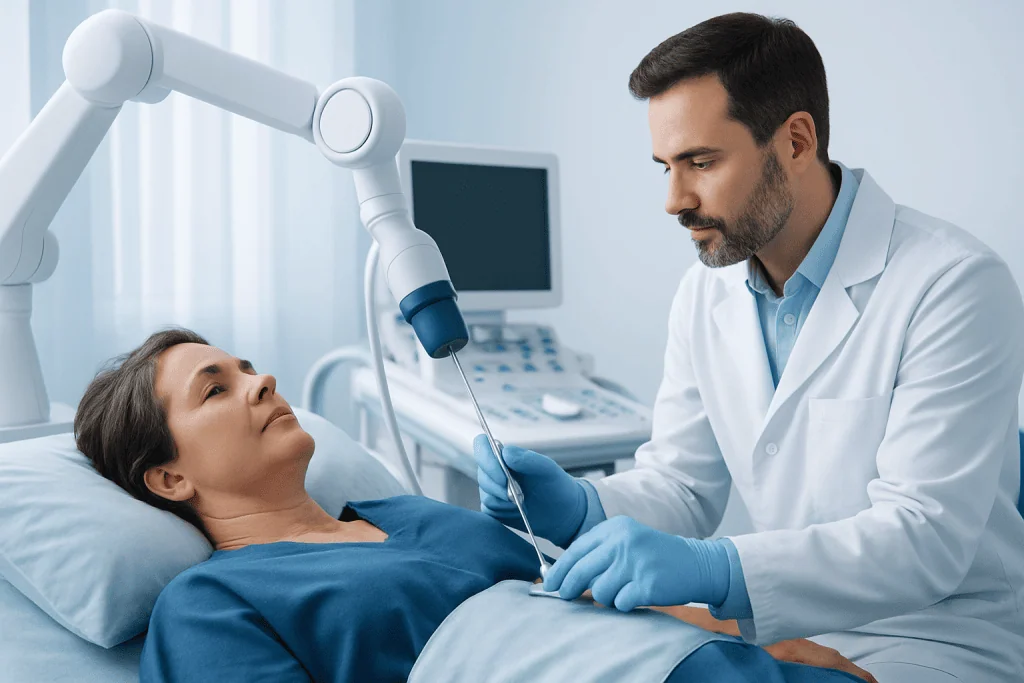
A doctor may recommend a biopsy when a physical examination, screening test, blood test, endoscopy, or imaging scan finds something that needs a closer look. Examples include a breast lump, an enlarged lymph node, a skin lesion that has changed, a lung nodule, an abnormal area in the colon, or a mass seen in the liver, kidney, thyroid, prostate, or another organ.
A biopsy may be done to diagnose a new suspicious finding, but it can also be used after cancer has already been diagnosed. In that setting, it may help determine whether cancer has spread, whether a new lesion is the same cancer or a different condition, or whether the tumor has developed new molecular features that could affect treatment choices.
Common reasons for performing a biopsy include:
- Confirming or ruling out cancer after an abnormal test result.
- Identifying the exact type and subtype of cancer.
- Assessing tumor grade and other features linked to behavior.
- Testing for biomarkers that may guide targeted therapy, immunotherapy, or hormone therapy.
- Checking whether a suspicious area is infection, inflammation, or another non-cancerous condition.
Main Types of Cancer Biopsy
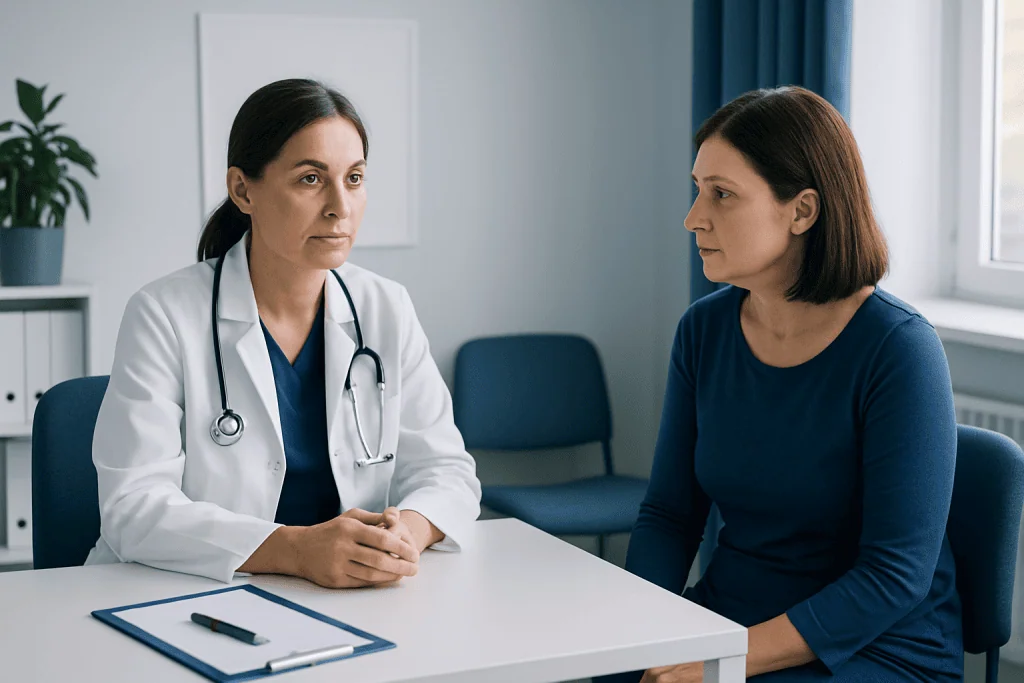
The best biopsy method depends on where the suspicious area is located, how large it is, whether it can be felt, and whether imaging guidance is needed. Doctors choose the technique that is most likely to provide enough tissue while keeping the procedure as safe and comfortable as possible. Local anesthesia, sedation, or general anesthesia may be used depending on the site and complexity.
A fine needle aspiration biopsy uses a very thin needle to withdraw cells or fluid. It is often used for thyroid nodules, enlarged lymph nodes, or superficial lumps. A core needle biopsy uses a slightly larger hollow needle to remove small cylinders of tissue, which often provide more structural detail than individual cells. Core biopsies are commonly used for breast, prostate, liver, kidney, lung, and soft tissue lesions.
An excisional biopsy removes the entire abnormal area, while an incisional biopsy removes only part of it. These approaches may be used for certain skin lesions, lymph nodes, or tumors where a larger sample is needed. Endoscopic biopsy is performed during procedures such as colonoscopy, bronchoscopy, cystoscopy, or upper endoscopy, allowing doctors to take samples from the digestive tract, airways, bladder, or other internal surfaces.
Some biopsies are guided by imaging. Ultrasound, CT, mammography, MRI, or fluoroscopy may help the doctor place the needle accurately. Bone marrow biopsy is a specific procedure used to evaluate blood cancers and marrow disorders. In selected situations, a liquid biopsy, which tests blood for tumor-related DNA or cells, may provide useful information, but it usually does not replace tissue biopsy for the first diagnosis of most cancers.
How Accurate Is a Cancer Biopsy?
A properly performed biopsy is generally considered the most definitive method for diagnosing cancer. However, accuracy is influenced by several factors, including the location of the lesion, the amount of tissue collected, whether the sample came from the most representative area, and the tests performed by the pathology laboratory. Imaging guidance and good communication between the treating doctor, radiologist, surgeon, and pathologist can improve the quality of the result.
A false-negative result means the biopsy does not show cancer even though cancer is present. This can happen if the needle misses the abnormal area, if the suspicious region is very small or uneven, or if the sample contains mostly dead tissue, inflammation, or normal cells. If the biopsy result does not match imaging findings or clinical concern, the doctor may recommend repeat biopsy, a different biopsy method, close follow-up, or additional imaging.
False-positive biopsy results, where cancer is diagnosed when it is not present, are uncommon because pathology diagnosis involves careful microscopic evaluation and, when needed, additional tests. Some cases are complex, especially when cells are borderline, precancerous, or very unusual. In these situations, a second pathology opinion or review by a subspecialty pathologist may be helpful.
Accuracy also depends on what question the biopsy is being asked to answer. A small biopsy may confirm cancer type but may not always show the full tumor grade or extent. Some features, such as surgical margins, can only be assessed after a larger surgical specimen is removed. For this reason, biopsy results are interpreted together with imaging, physical examination, laboratory tests, and the patient’s medical history.
What Biopsy Results Can Show
The pathology report is the written medical document that describes what was found in the biopsy sample. It usually states whether the tissue is benign, precancerous, suspicious, or malignant. If cancer is present, the report identifies the cancer type, such as carcinoma, sarcoma, melanoma, lymphoma, leukemia, or another category, and may describe the organ or tissue of origin.
The report may include tumor grade, which describes how abnormal the cancer cells look compared with normal cells. In general, low-grade cancers look more like normal tissue and may grow more slowly, while high-grade cancers look more abnormal and may behave more aggressively. Grade is different from stage. Stage describes how far the cancer has spread in the body and usually requires information from imaging, examination, surgery, or additional tests.
Many biopsy reports include biomarker results. These may include hormone receptors in breast cancer, HER2 status, mismatch repair or microsatellite instability testing, PD-L1 expression, or specific gene mutations and fusions depending on the cancer type. Biomarkers can help doctors decide whether treatments such as hormone therapy, targeted therapy, immunotherapy, chemotherapy, surgery, or radiation therapy may be appropriate.
Sometimes the report may mention margins, lymphovascular invasion, perineural invasion, necrosis, or the presence of cancer in nearby lymph tissue. Not every biopsy report contains all of these elements because the information depends on the type of sample. Patients should ask their doctor to explain the report in plain language, including what is certain, what is uncertain, and whether more testing is needed.
What to Expect Before, During, and After the Procedure
Before a biopsy, the care team reviews the patient’s medical history, allergies, medications, bleeding risk, and relevant imaging. Patients may be asked about blood thinners, aspirin, anti-inflammatory medicines, supplements, or conditions that affect clotting. Some biopsies require fasting or temporary medication adjustments, but patients should only change medicines when instructed by their doctor.
During the procedure, the area is usually cleaned carefully and numbed with local anesthetic. For needle biopsies, patients may feel pressure, pushing, or brief discomfort, but sharp pain is usually minimized. For deeper or more complex biopsies, sedation or anesthesia may be used. The doctor may use imaging to guide the needle and may take several samples to improve the chance of obtaining enough tissue.
After the biopsy, mild soreness, bruising, or a small amount of bleeding can occur, depending on the biopsy site. The care team provides instructions about wound care, activity restrictions, bathing, and when normal routines can resume. Results may take several days or longer if special stains, genetic testing, or expert review are needed.
Patients should contact their healthcare team if they develop increasing pain, fever, redness, swelling, persistent bleeding, shortness of breath after a chest biopsy, or any symptom the team specifically warned them about. Serious complications are uncommon, but early communication helps the care team respond appropriately.
After the Results: Next Steps and Questions to Ask
Once the pathology report is available, the doctor will explain what it means and how it fits with the patient’s imaging and overall health. If the result is benign and matches the clinical picture, no further treatment may be needed, although follow-up may still be recommended. If the result is cancer, additional tests may be ordered to determine the stage and to plan treatment.
Helpful questions include: What type of biopsy was performed? Was the sample adequate? Is the diagnosis definite or are more tests needed? What type and grade of cancer was found? Were any biomarkers tested? Does the result explain the imaging findings? What are the next recommended steps, and how soon should they happen?
If results are unclear, patients can ask whether the tissue can be reviewed again, whether additional pathology tests are possible on the existing sample, or whether another biopsy is recommended. A second opinion may be useful when the diagnosis is rare, complex, or likely to significantly affect treatment choices.
Patients traveling for care may benefit from bringing imaging files, laboratory results, prior pathology reports, and if possible, biopsy slides or tissue blocks. Acibadem International’s multidisciplinary specialists and JCI-accredited hospitals diagnose and treat many cancer types for international patients, with care coordinated across pathology, radiology, surgery, medical oncology, and radiation oncology when needed.
Frequently asked questions
Is a biopsy always necessary to diagnose cancer?
In many cases, a biopsy is needed because it provides direct evidence from cells or tissue. Imaging and blood tests can strongly suggest cancer, but they often cannot confirm the exact diagnosis on their own. There are a few exceptions in specific cancers or clinical situations, so the decision should be made by a qualified specialist.
Can a biopsy cause cancer to spread?
For most biopsy procedures, the risk of cancer spreading because of the biopsy is considered very low. Doctors use established techniques to minimize risks, and the benefits of obtaining an accurate diagnosis usually outweigh this concern. Patients can ask their doctor about the specific risk for their biopsy site and cancer type.
How long do cancer biopsy results take?
Some preliminary results may be available within a few days, but timing varies by hospital, biopsy type, and the tests required. Special stains, molecular tests, or second pathology review can take longer. The care team should provide an estimated timeframe and explain who will communicate the results.
What does it mean if a biopsy is inconclusive?
An inconclusive result means the sample did not provide enough clear information to make a definite diagnosis. This may happen if there was too little tissue, the target was difficult to sample, or the cells were borderline. The doctor may recommend repeat biopsy, additional imaging, laboratory tests, or close follow-up.
What is the difference between biopsy grade and cancer stage?
Grade describes how abnormal the cancer cells look under the microscope and can give clues about how the tumor may behave. Stage describes the extent of cancer in the body, including tumor size, lymph node involvement, and spread to distant organs. Both grade and stage can influence treatment planning.
Can one biopsy determine the best cancer treatment?
A biopsy can provide essential information, including cancer type and biomarkers that may guide treatment. However, treatment decisions usually also depend on stage, imaging results, general health, preferences, and whether surgery, radiation, medicines, or a combination is appropriate. In some cases, additional tests or another biopsy may be needed.
References
- National Cancer Institute
- American Cancer Society
- College of American Pathologists
- European Society for Medical Oncology
- World Health Organization
This article is for general information only and is not a substitute for professional medical advice. Please consult a qualified doctor about your individual situation.
Oncology care in Turkey — second opinion and treatment plan
JCI-accredited · board-certified surgeons · reply within 24h
Add us as a Preferred Source to see more of our trusted health content across Google Search, AI Overviews and Discover.

Medical Oncology Department
Medical treatment of cancer with chemotherapy, immunotherapy and targeted therapies under a multidisciplinary tumor board.
60 specialists in this unitMore from the Health Library


Related Specialists

Prof. Dr. Tuğçin Bora Polat
Pediatric Cardiology
Dt. Beyhan Kasapoğlu
Oral & Dental Health
Prof. Dr. Haldun Akgöz
Cardiology
Dr. Ömercan Yağız Öksüz
Aesthetic Plastic & Reconstructive Surgery