Cancer Causes: Symptoms, Causes, and Treatment Options

Cancer is not one disease; it is a group of diseases that begin when abnormal cells grow without normal controls. Many cancers have more than one cause, and having a risk factor does not mean a person will develop cancer.
Key Takeaways
- Cancer is not one disease; it is a group of diseases that begin when abnormal cells grow without normal controls.
- Many cancers have more than one cause, and having a risk factor does not mean a person will develop cancer.
- Tobacco use, alcohol, ultraviolet light, some infections, and avoidable workplace exposures are important modifiable cancer risks.
- Persistent or unexplained symptoms should be assessed, but most symptoms are caused by conditions other than cancer.
- Screening, vaccination, healthy lifestyle choices, and timely medical care can help prevent some cancers or find them earlier.
Cancer causes are complex: cancer develops when changes in a cell’s DNA allow it to grow and spread out of control. Some changes occur with aging or are inherited, while others are linked to exposures such as tobacco, alcohol, certain infections, ultraviolet radiation, and excess body weight.
Cancer Causes: How Cancer Begins
Cancer causes include a combination of genetic changes within cells, the natural effects of aging, inherited traits, and certain environmental or lifestyle exposures. Cancer begins when DNA changes, also called mutations, affect genes that normally control cell growth, repair damaged DNA, or remove cells that are no longer functioning properly. Over time, these altered cells may multiply, form a tumor, invade nearby tissue, or spread to other parts of the body.
Not every cancer forms a solid tumor. Cancers of the blood and bone marrow, such as leukemia, develop differently. Cancer is therefore not a single illness with one explanation or one treatment. The causes, behavior, symptoms, testing, and care plan depend on the type of cancer and where it starts.
It is usually not possible to identify one exact cause for an individual person’s cancer. A person may have no known risk factors, while another person with several risk factors may never develop cancer. Understanding risk factors is still useful because some can be reduced and some can guide appropriate screening and medical follow-up.
Why DNA Changes Happen
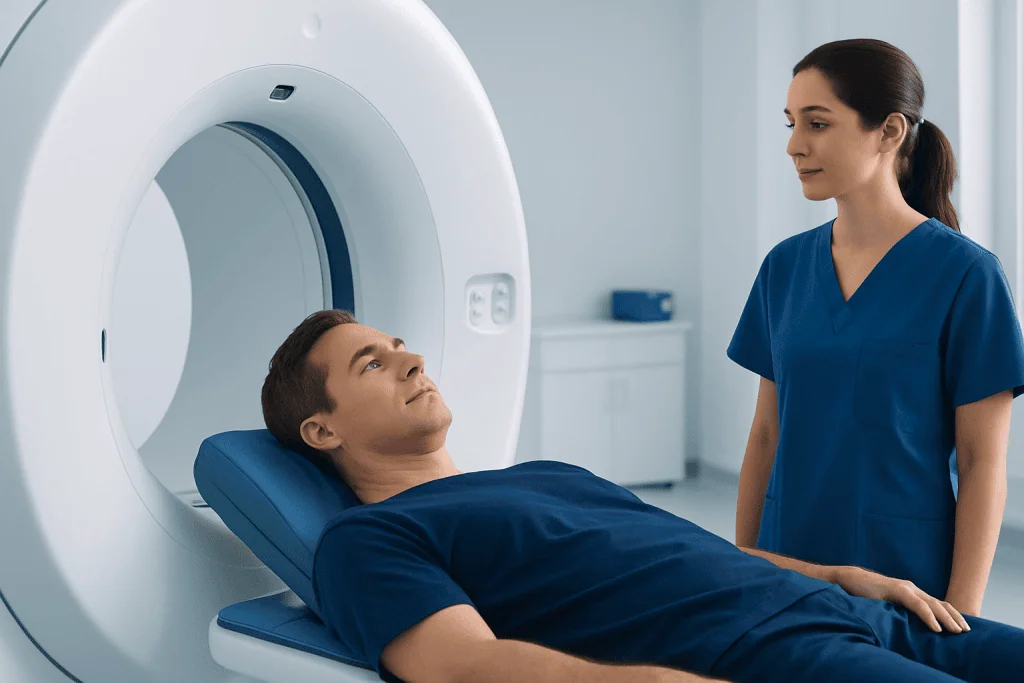
Cells regularly divide and copy their DNA. Small copying errors can occur during this process, and the body has repair systems that correct many of them. However, some changes remain. As people age, cells have had more time to accumulate DNA changes, which is one reason cancer becomes more common with increasing age.
Some DNA changes are acquired during life. They can result from tobacco chemicals, ultraviolet radiation from sunlight or tanning devices, ionizing radiation, chronic inflammation, certain infections, or exposure to cancer-causing substances at work or in the environment. These changes are called somatic mutations and are generally not passed from parent to child.
A smaller proportion of cancers are related to inherited gene variants passed through families. An inherited variant does not mean a person has cancer; it means their lifetime risk of one or more cancers may be higher than average. A clinician or genetic counselor may suggest genetic counseling when there is a strong family pattern of cancer, cancer occurring at an unusually young age, or particular combinations of cancers in relatives.
Common Cancer Risk Factors
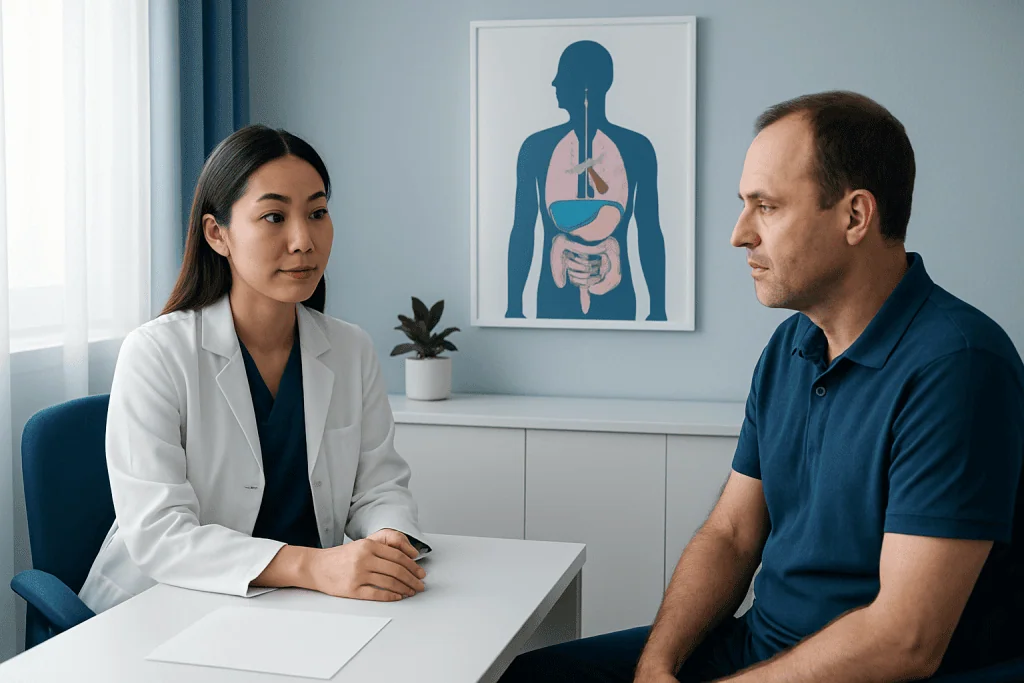
Risk factors are characteristics or exposures associated with a greater chance of developing cancer. The most important preventable risk factor is tobacco use, including cigarettes and other smoked or smokeless tobacco products. Tobacco can contribute to cancers in many areas of the body, not only the lungs. Avoiding tobacco and seeking support to stop using it are meaningful steps for cancer prevention at any age.
Alcohol can increase the risk of several cancers, particularly when intake is frequent or high. Excess body weight, physical inactivity, and dietary patterns may also affect the risk of certain cancers. A diet emphasizing vegetables, fruit, whole grains, beans, and other minimally processed foods can support overall health, although no single food or supplement can prevent cancer.
Other established risks include ultraviolet radiation, which can damage skin cells; some workplace exposures, such as asbestos or certain industrial chemicals; and air pollution. Infections can also play a role. Human papillomavirus can cause several cancers, hepatitis B and hepatitis C can increase liver cancer risk, and Helicobacter pylori infection can raise the risk of stomach cancer. Vaccination and appropriate testing or treatment for infections can reduce risk in relevant situations.
- Older age and biological sex can influence the risk of particular cancers.
- A personal history of cancer or certain noncancerous conditions may require closer follow-up.
- Family history may indicate an inherited susceptibility, but most cancers are not inherited.
- Radiation treatment received for another condition can rarely contribute to a later cancer risk, while its expected benefits may still be important.
Symptoms That May Need Assessment
Cancer symptoms vary greatly depending on the organ involved and the stage of disease. Early cancer may not cause any noticeable symptoms, which is why recommended screening can be valuable. When symptoms do occur, they are often caused by common noncancerous conditions, such as infections, digestive problems, hormonal changes, or injuries.
Symptoms worth discussing with a healthcare professional include a new lump or swelling; unexplained bleeding; a persistent cough or voice change; a sore that does not heal; changes in bowel or bladder habits; difficulty swallowing; ongoing indigestion; a changing mole or skin lesion; and unexplained weight loss. Persistent tiredness, recurring fever, pain that does not improve, or a lasting change in appetite may also need evaluation, especially when they are new or worsening.
Symptoms alone cannot diagnose cancer. Their significance depends on factors such as a person’s age, medical history, family history, duration of symptoms, and physical examination. Seeking assessment is a practical step toward finding the cause and receiving appropriate care, whether the explanation is cancer or another condition.
How Doctors Diagnose Cancer
When cancer is suspected, a doctor starts by asking about symptoms, medical history, medications, lifestyle factors, and family history. A physical examination may identify changes such as a lump, enlarged lymph nodes, changes in the skin, or signs involving a specific body system. The next tests are selected according to the symptoms and the suspected site of disease.
Testing may include blood tests, urine or stool tests, imaging studies, or endoscopic procedures that allow a doctor to view the inside of certain organs. Imaging can help identify an abnormal area and show its size or location, but it usually cannot confirm cancer on its own. In many cases, a biopsy is needed. During a biopsy, a small tissue or cell sample is collected and examined by a pathologist.
If cancer is confirmed, further tests may determine its type, grade, stage, and molecular features. Staging describes the size of the cancer and whether it has spread. Molecular testing may identify specific changes in tumor cells that help guide treatment. These details allow the care team to discuss the most suitable options for the individual.
Cancer Treatment Options
Cancer treatment is personalized according to the cancer type, location, stage, tumor biology, a person’s general health, and their preferences. Some people need one treatment, while others benefit from a planned combination. The main aims may include curing the cancer, reducing the chance of recurrence, controlling its growth, relieving symptoms, or supporting quality of life.
Common treatment options include surgery to remove a tumor; radiation therapy to target cancer cells with high-energy radiation; and systemic treatments that travel through the bloodstream. Systemic approaches include chemotherapy, hormone therapy, targeted therapy, immunotherapy, and, for some blood cancers, cellular therapies or stem cell transplantation. Each approach has possible benefits and side effects that should be discussed carefully with the treating team.
Supportive and palliative care can be provided at any stage alongside cancer-directed treatment. It may help manage pain, fatigue, nausea, emotional stress, nutritional concerns, and other symptoms. At Acibadem International, multidisciplinary specialists in JCI-accredited hospitals evaluate cancer diagnosis and treatment needs for international patients, coordinating care across relevant medical fields.
Prevention, Screening, and Everyday Health
Not all cancers can be prevented, particularly those linked to aging or inherited genetic changes. However, many people can lower their risk by avoiding tobacco, limiting alcohol, protecting skin from excessive ultraviolet exposure, maintaining a weight that is healthy for them, staying physically active, and choosing a balanced eating pattern. These actions also support heart health, metabolic health, and general wellbeing.
Vaccines can prevent some infection-related cancers. Human papillomavirus vaccination helps protect against HPV-related cancers, and hepatitis B vaccination helps prevent chronic hepatitis B infection, which can lead to liver cancer. Eligibility depends on age, health history, country recommendations, and prior vaccination, so it is best discussed with a healthcare professional.
Screening looks for selected cancers before symptoms develop. Depending on local guidelines and individual risk, this may include screening for breast, cervical, colorectal, lung, or prostate cancer. Screening is not appropriate for every person or every cancer. A doctor can help determine which tests, if any, are suitable based on age, sex, family history, smoking history, and other risk factors.
When to Seek Medical Care
A person should arrange a medical appointment for a symptom that persists for several weeks, returns repeatedly, becomes worse, or has no clear explanation. This includes a new or enlarging lump, unusual bleeding, a long-lasting cough, unexplained weight loss, a significant change in a mole, or changes in bowel or bladder habits. It is particularly important to seek advice if there is a personal or strong family history of cancer.
Urgent medical assessment is appropriate for severe symptoms such as coughing up blood, heavy unexplained bleeding, sudden severe weakness, new confusion, severe shortness of breath, or intense pain that cannot be managed. These symptoms can have many causes, but prompt evaluation is important.
People without symptoms should still keep routine health appointments and ask about recommended screening and vaccinations. Discussing concerns early does not mean cancer is likely; it helps ensure that treatable conditions are identified and managed without unnecessary delay.
Frequently asked questions
What is the main cause of cancer?
There is no single main cause of cancer. Cancer develops when DNA changes build up in cells and disrupt normal controls on growth and repair. These changes can occur with aging, be inherited, or result from exposures such as tobacco, ultraviolet light, infections, and certain chemicals.
Can stress cause cancer?
Stress has not been proven to directly cause cancer. Long-term stress may affect sleep, physical activity, smoking, alcohol use, and other behaviors that influence overall health. Support for stress management can be valuable, but people should not blame themselves for developing cancer.
Are most cancers inherited?
No. Most cancers arise from DNA changes acquired during a person’s lifetime rather than inherited genetic variants. However, a notable family pattern, early-onset cancer, or certain related cancers in relatives may warrant discussion of genetic counseling and testing.
Can a healthy lifestyle prevent all cancers?
A healthy lifestyle cannot prevent every cancer because aging, chance DNA changes, and inherited factors also matter. It can lower the risk of several cancers by avoiding tobacco, limiting alcohol, staying active, protecting skin from ultraviolet radiation, and following recommended vaccines and screening.
What are the earliest warning signs of cancer?
Early cancer may have no symptoms. Possible warning signs include a persistent lump, unusual bleeding, a changing skin lesion, unexplained weight loss, prolonged cough, or lasting changes in bowel or bladder habits. These signs often have noncancerous causes, but a clinician should assess symptoms that persist or worsen.
Does having a cancer risk factor mean someone will get cancer?
No. A risk factor increases the chance of cancer but does not predict that cancer will develop. Likewise, people without known risk factors can still develop cancer, which is why attention to symptoms and recommended screening remains important.
References
- World Health Organization
- International Agency for Research on Cancer
- National Cancer Institute
- American Cancer Society
- Centers for Disease Control and Prevention
This article is for general information only and is not a substitute for professional medical advice. Please consult a qualified doctor about your individual situation.
Oncology care in Turkey — second opinion and treatment plan
JCI-accredited · board-certified surgeons · reply within 24h
Add us as a Preferred Source to see more of our trusted health content across Google Search, AI Overviews and Discover.

More from the Health Library



Related Specialists

Prof. Dr. Yaşar Çolak
Gastroenterology
Dr. Sevda Arık Tekin
Ophthalmology
Prof. Dr. Meltem Vural
Physical Medicine & Rehabilitation
Psk. Oğuzhan Gürdoğan
Psychology