Cancer Definition: What Doctors Mean by Benign, Malignant, and Metastatic

Benign tumors are not cancer, although some may still need monitoring or treatment depending on their size and location. Malignant tumors are cancerous because they can invade nearby tissues and may spread.
Key Takeaways
- Benign tumors are not cancer, although some may still need monitoring or treatment depending on their size and location.
- Malignant tumors are cancerous because they can invade nearby tissues and may spread.
- Metastatic cancer means cancer cells have spread from the original site to another part of the body.
- A biopsy and imaging tests often help doctors confirm whether a growth is benign or malignant.
- Treatment depends on the type of tumor, where it started, whether it has spread, and the person's overall health.
Doctors use terms like benign, malignant, and metastatic to describe how abnormal cells behave. Understanding this cancer definition can help patients make sense of test results, diagnosis discussions, and treatment planning.
Overview: what doctors mean by cancer, benign, malignant, and metastatic
A clear cancer definition starts with how cells normally behave. Healthy cells grow, divide, and die in an orderly way. Cancer develops when some cells begin to grow out of control, avoid the usual signals that stop growth, and sometimes invade nearby tissues or spread to distant parts of the body.
Not every lump, mass, or tumor is cancer. The word tumor simply means an abnormal growth of tissue. Tumors may be benign or malignant. A benign tumor is noncancerous and does not invade surrounding tissues in the same way cancer does. A malignant tumor is cancerous, which means it can grow into nearby structures and may spread.
Doctors also use the term metastatic when cancer has moved from where it first started to another organ or tissue. For example, cancer that begins in the breast and later spreads to the bone is still called breast cancer, but it is metastatic breast cancer. These terms are important because they guide diagnosis, treatment decisions, and discussions about prognosis.
Benign tumors: what they are and what they are not
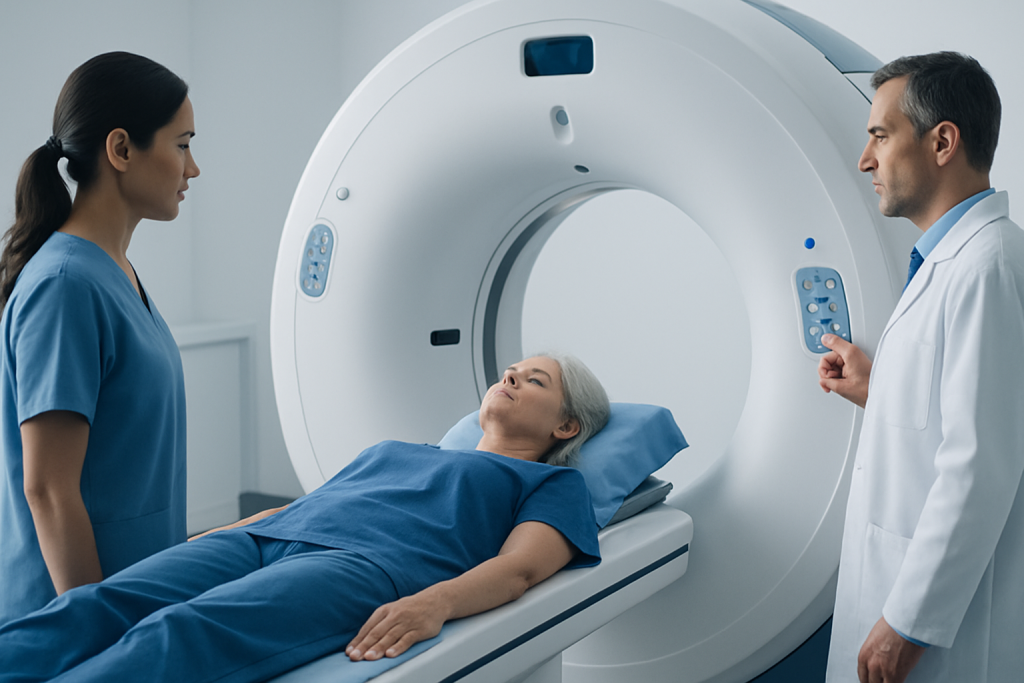
Benign tumors are made of abnormal cells, but they are not considered cancer. They usually grow more slowly than malignant tumors and tend to remain localized rather than invade nearby tissues or spread through the blood or lymphatic system. In many cases, they can be removed surgically and may not return, although this depends on the tumor type and location.
Even though benign tumors are noncancerous, they are not always harmless. A benign growth can still cause symptoms if it presses on nerves, blood vessels, the brain, the bowel, or another sensitive structure. Some benign tumors may also affect hormone production or interfere with normal organ function.
Examples of benign conditions include many cysts, lipomas, and some types of polyps or fibroids. Doctors may recommend watchful waiting, imaging follow-up, medication, or removal depending on symptoms and the possibility of complications. A diagnosis of benign generally offers reassurance, but follow-up may still be important.
Malignant tumors: how cancer behaves

Malignant tumors are cancerous. Their cells can grow more aggressively, invade nearby tissues, and sometimes enter the bloodstream or lymphatic system. This ability to invade and spread is what separates malignant tumors from benign ones.
Different cancers behave in different ways. Some grow slowly, while others progress more quickly. A malignant tumor’s behavior depends on its cell type, grade, genetic features, and where it began. This is why two people with cancers in the same organ may still have different treatment plans.
Doctors may describe malignant tumors by their tissue of origin, such as carcinoma, sarcoma, lymphoma, leukemia, or melanoma. They also look at how abnormal the cells appear under the microscope. In general, the more disorganized and abnormal the cells look, the more likely the tumor is to behave aggressively, although this is only one part of the overall picture.
It can also help to understand that cancer is not a single disease. It is a broad term covering many conditions, including cancer that starts in organs, blood, bone, skin, or lymphatic tissue. Accurate classification helps doctors choose among options such as chemotherapy, surgery, radiation therapy, targeted treatment, or a combination.
What metastatic cancer means
Metastatic cancer means cancer has spread from the primary site, where it first began, to another part of the body. This spread can happen when cancer cells break away from the original tumor, travel through the blood or lymphatic system, and settle in a new location. There, they may begin to form new tumors.
The most common sites of metastasis vary by cancer type, but they often include the liver, lungs, bones, and brain. Even after cancer spreads, doctors name it according to where it started. For example, if colon cancer spreads to the liver, it is metastatic colon cancer, not liver cancer.
Metastatic disease matters because it can change staging, symptoms, treatment goals, and the kinds of specialists involved in care. However, a metastatic diagnosis does not automatically mean there are no treatment options. Many people benefit from systemic therapies, symptom control, and carefully planned supportive care, and some metastatic cancers can be controlled for long periods.
Symptoms and warning signs to take seriously
Benign and malignant tumors can both cause symptoms, but some warning signs deserve prompt medical attention. Symptoms depend on the tumor’s size, location, and whether it affects nearby organs or tissues. Some cancers cause no symptoms at first and are found during routine screening or imaging done for another reason.
Possible signs that should be discussed with a doctor include:
- A new lump or swelling that does not go away
- Unexplained weight loss or loss of appetite
- Persistent fatigue
- Ongoing pain without a clear cause
- Changes in bowel or bladder habits
- Unusual bleeding or discharge
- A cough, hoarseness, or difficulty swallowing that lasts
- A sore or skin change that does not heal
These symptoms do not always mean cancer. Many are caused by common, noncancerous conditions. Still, evaluation is important, especially if symptoms are persistent, worsening, or unexplained.
How doctors diagnose and classify a tumor
Doctors begin with a medical history and physical examination. They ask about symptoms, family history, smoking, occupational exposures, infections, and other risk factors. If a tumor or cancer is suspected, the next step may include blood tests, endoscopy, or imaging such as ultrasound, CT, MRI, PET, or mammography, depending on the body area involved.
A biopsy is often the key test for diagnosis. In a biopsy, a doctor removes a small sample of tissue so a pathologist can examine the cells under a microscope. This helps confirm whether a growth is benign or malignant and may also identify the exact tumor type, grade, and important molecular features.
Once cancer is confirmed, doctors usually determine the stage. Staging describes how large the cancer is, whether lymph nodes are involved, and whether it has spread to distant organs. This step helps guide treatment and may involve further imaging or procedures. In some cases, PET-CT or other advanced scans can help assess spread, while tissue analysis may support choices such as immunotherapy for selected cancers.
Patients may hear several terms during this process, including primary tumor, grade, stage, margins, and metastasis. Asking for plain-language explanations can be helpful. Clear communication is an important part of high-quality cancer care.
Treatment options and how they differ
Treatment depends on whether the tumor is benign or malignant, where it is located, how large it is, whether it has spread, and the person’s general health. Benign tumors may only need monitoring if they are small and not causing symptoms. Others may be removed if they create pain, pressure, bleeding, or a risk of complications.
Malignant tumors often require one or more cancer treatments. Surgery may be used to remove the tumor when possible. Radiation therapy uses high-energy beams to destroy cancer cells in a targeted area. Systemic treatments, which travel through the body, include chemotherapy, hormone therapy, targeted therapy, and immunotherapy.
If cancer is metastatic, treatment usually focuses on controlling disease throughout the body, relieving symptoms, and preserving quality of life. Some people receive local treatment for specific areas in addition to systemic therapy. In selected cases, options such as radiotherapy can reduce pain or control a particular metastatic site.
Cancer care is often multidisciplinary. Surgeons, medical oncologists, radiation oncologists, pathologists, radiologists, and supportive care teams work together to build an individualized plan. Near the end of the care pathway, some international patients choose centers such as Acibadem International, where multidisciplinary specialists in JCI-accredited hospitals diagnose and treat cancer using coordinated care.
Prevention, self-care, and when to see a doctor
Not all cancers can be prevented, but some risk can be reduced. Avoiding tobacco, limiting alcohol, maintaining a healthy weight, staying physically active, protecting the skin from excessive sun exposure, and keeping up with recommended vaccines and screening tests can all help support long-term health. Screening is especially important because some cancers are easier to treat when found early.
Self-care also matters during evaluation and treatment. Patients can benefit from keeping a symptom diary, bringing a list of medications to appointments, and asking a trusted relative or friend to attend visits when possible. Good nutrition, rest, hydration, and emotional support can make a meaningful difference.
A doctor should be consulted if a new lump appears, symptoms persist for several weeks, or there is any unexplained bleeding, weight loss, or ongoing pain. Immediate medical attention may be needed for severe shortness of breath, heavy bleeding, seizures, sudden confusion, or severe weakness. Early assessment does not mean the problem is cancer, but it is the safest way to get the right answer.
Frequently asked questions
Does benign mean there is nothing to worry about?
Benign means noncancerous, which is generally reassuring. However, a benign tumor can still cause problems if it grows, presses on nearby structures, bleeds, or affects organ function. A doctor can advise whether monitoring or treatment is needed.
Is every tumor cancer?
No. A tumor is any abnormal mass of tissue, and tumors can be benign or malignant. Only malignant tumors are cancerous.
What is the difference between malignant and metastatic?
Malignant means a tumor is cancerous and has the ability to invade nearby tissues. Metastatic means that cancer has spread from its original site to another part of the body. A cancer can be malignant without being metastatic.
How do doctors know if a lump is benign or malignant?
Doctors often start with an examination and imaging tests, but a biopsy is commonly needed for a definite answer. In a biopsy, a small tissue sample is examined under a microscope to identify the type of cells present.
Can metastatic cancer still be treated?
Yes. Treatment may include systemic therapies, local treatments for certain areas, and supportive care to manage symptoms and maintain quality of life. The best approach depends on the cancer type, where it has spread, and the person's overall health.
If cancer spreads to another organ, is it renamed?
No. Cancer is still named after the place where it first started. For example, breast cancer that spreads to the liver is still called breast cancer, not liver cancer.
References
- World Health Organization
- National Cancer Institute
- American Cancer Society
- Mayo Clinic
- National Health Service
This article is for general information only and is not a substitute for professional medical advice. Please consult a qualified doctor about your individual situation.
Oncology care in Turkey — second opinion and treatment plan
JCI-accredited · board-certified surgeons · reply within 24h
Add us as a Preferred Source to see more of our trusted health content across Google Search, AI Overviews and Discover.