Cancer Hyperthermia Treatment: How It Works, Results and What to Expect
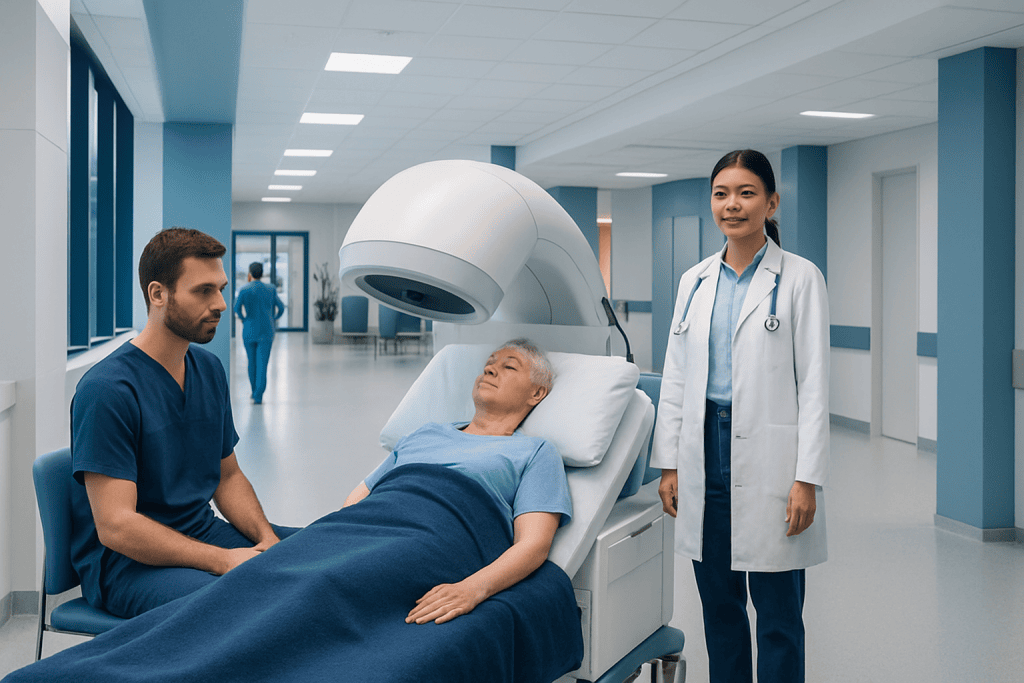
Cancer hyperthermia treatment applies controlled heat to cancer tissue or a targeted body area, most often as an addition to radiation therapy or chemotherapy. Heat may make cancer cells more vulnerable to treatment, partly by affecting proteins, blood flow, oxygenation, and cellular repair processes.
Key Takeaways
- Cancer hyperthermia treatment applies controlled heat to cancer tissue or a targeted body area, most often as an addition to radiation therapy or chemotherapy.
- Heat may make cancer cells more vulnerable to treatment, partly by affecting proteins, blood flow, oxygenation, and cellular repair processes.
- The potential benefit depends on the cancer type, location, stage, treatment goal, and the ability to deliver heat safely.
- Most side effects are local and temporary, such as warmth, discomfort, skin redness, or fatigue, but burns and tissue injury are possible.
- Malignant hyperthermia is a separate emergency reaction to certain anesthetic medicines and is not treated with cancer hyperthermia.
- Costs vary widely according to the treatment method, number of sessions, location, insurance arrangements, and accompanying cancer care.
Cancer hyperthermia treatment is a carefully controlled method of raising the temperature of a tumor area, or sometimes a larger body region, usually alongside radiation therapy, chemotherapy, or surgery. It is not a replacement for standard cancer treatment, but it may be considered for selected tumors in specialist oncology centers.
Overview: What Is Cancer Hyperthermia Treatment?
Cancer hyperthermia treatment, also called thermal therapy or hyperthermia therapy, uses carefully controlled heat to raise the temperature of a tumor or a selected area of the body. It is generally used alongside established cancer treatments, particularly radiation therapy and chemotherapy, rather than as a stand-alone cure. The aim is to make cancer cells more susceptible to these treatments while limiting harm to nearby healthy tissue.
Hyperthermia may be delivered locally to a small tumor area, regionally to a larger part of the body, or throughout the body in rare and highly specialized situations. The technique, temperature range, duration, and treatment schedule are individualized. A multidisciplinary cancer team considers the tumor site, cancer stage, previous treatments, overall health, and treatment goals before recommending it.
Not every cancer center offers hyperthermia, and not every person with cancer is a suitable candidate. When it is used, it should be planned and monitored by clinicians with expertise in oncology, radiation oncology, medical physics, anesthesia, surgery, and supportive care as appropriate.
How Hyperthermia Works in Cancer Care
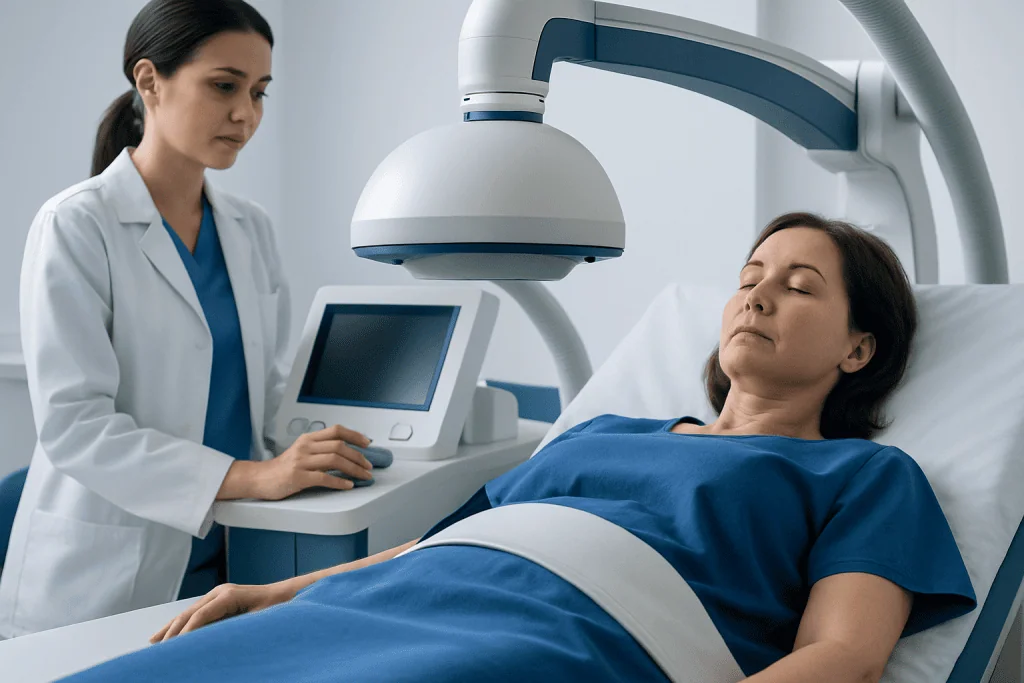
Heat can affect cancer cells in several ways. Compared with healthy cells, some cancer cells may have more difficulty repairing heat-related damage, especially in parts of tumors with poor blood supply or low oxygen levels. Heating may disrupt cell proteins and membranes, interfere with DNA repair, and increase cellular stress. These effects can make tumor cells more responsive to radiation or certain anticancer medicines.
Hyperthermia may also improve blood flow and oxygen delivery in some tumors. Better oxygenation can make radiation therapy more effective because oxygen helps radiation create damage within cancer cells. The response is not identical in every tumor, however, and the biological effect depends on the temperature achieved, the length of heating, and where the heat is delivered.
Different technologies may be used, including external applicators that deliver radiofrequency, microwave, or ultrasound energy; probes placed into or near a tumor; or warmed fluids used during selected surgical procedures. Treatment teams use imaging, temperature sensors, and clinical monitoring to help direct heat to the planned area. In appropriate settings, hyperthermia can complement comprehensive cancer treatment planning.
Who May Be a Candidate?

Suitability for cancer hyperthermia treatment is assessed individually. It may be considered for selected localized or recurrent cancers, including some tumors of the breast, cervix, head and neck, bladder, prostate, rectum, skin, soft tissue, or other sites. The best-supported uses differ by cancer type and by the specific hyperthermia technique available.
A clinician may consider hyperthermia when standard treatment is planned but the tumor has features that could make combined treatment useful, such as a local recurrence, a difficult-to-treat area, or a need to improve local tumor control. It may also be explored in clinical trials. Evidence is stronger for some clinical situations than for others, so patients should ask what evidence supports its use for their individual diagnosis.
Factors that may limit eligibility include an inability to safely position or access the treatment area, implanted devices that could be affected by energy delivery, serious circulation problems, fragile skin or tissue, certain metal implants, active infection, or poor overall health. Pregnancy, prior radiation exposure, and previous surgery may also affect planning. A detailed review helps the team balance possible benefit against potential harm.
What Happens During the Procedure and Recovery?
Before treatment, the oncology team reviews scans, pathology results, treatment history, and general health. The patient may have imaging or treatment planning to map the tumor and protect nearby organs. Depending on the method, hyperthermia may be given on the same day as radiation therapy or chemotherapy, or timed closely with those treatments. Some approaches require sedation, anesthesia, surgery, or a hospital stay, while external treatments are often outpatient procedures.
During external hyperthermia, the patient typically lies comfortably on a treatment table while an applicator is positioned over the planned area. The team gradually delivers heat and monitors comfort, skin condition, temperature, and vital signs. A session commonly lasts around an hour, although preparation and observation can make the visit longer. Patients should tell the team promptly about pain, intense heat, dizziness, pressure, or burning sensations.
After an outpatient session, many people return home the same day. Mild warmth, temporary skin redness, tenderness, swelling, or tiredness can occur. Recovery after invasive or surgical approaches depends more on the procedure performed and any accompanying treatment. The care team provides tailored instructions about wound care, activity, medicines, hydration, and follow-up appointments.
Imaging and clinical assessments are used over time to evaluate the response to the overall cancer treatment plan. A tumor response cannot be judged immediately after a single session, and follow-up timing varies according to cancer type and the other treatments being received.
Benefits, Limitations and Possible Risks
The main potential benefit of hyperthermia is improved effectiveness of another treatment, rather than heat alone eliminating cancer. In selected clinical settings, combining carefully delivered heat with radiation therapy or chemotherapy may improve local tumor response or local control. However, outcomes vary substantially, and hyperthermia is not appropriate for all cancers or all stages of disease.
Possible short-term effects include discomfort from heat, skin redness, swelling, pain, fatigue, and local tenderness. Depending on the treated site and technique, more significant complications can include burns, blistering, nerve irritation, bleeding, infection, blood clots, or injury to nearby organs or tissues. Invasive techniques and whole-body approaches carry additional risks related to anesthesia, surgery, fluid balance, or cardiovascular strain.
Safety depends on accurate treatment planning, reliable temperature monitoring, and communication during each session. Patients should report new or worsening symptoms, particularly severe pain, blistering, fever, shortness of breath, chest pain, confusion, heavy bleeding, or signs of infection. The oncology team can explain the expected risks for the planned technique and the specific body area being treated.
What Is the Success Rate of Hyperthermia in Cancer Treatment?
There is no single success rate for cancer hyperthermia treatment. Results depend on the cancer type, size and location of the tumor, whether the cancer is new or recurrent, the heat-delivery method, and which treatment it is combined with. Studies may measure different outcomes, such as tumor shrinkage, local control, symptom relief, progression-free survival, or overall survival, so percentages cannot be applied reliably across all situations.
For selected cancers, evidence suggests that adding hyperthermia to radiation therapy or chemotherapy can improve local treatment response compared with the standard treatment alone. This does not mean it improves outcomes for every patient, and it may not affect long-term survival in all settings. A cancer specialist can discuss whether evidence supports hyperthermia for the person’s specific tumor and treatment aim.
It is helpful to ask whether the recommendation is based on established clinical guidance, specialist experience, or a clinical trial. Patients can also ask how success will be assessed and what alternative standard treatments are available. Shared decision-making is especially important when evidence is evolving or the expected benefit is uncertain.
Is Hyperthermia an Effective Treatment for Prostate Cancer?
Hyperthermia may be used in selected prostate cancer settings, but it is not a routine first-line treatment for most people. Standard options for prostate cancer may include active surveillance, surgery, radiation therapy, hormone therapy, chemotherapy, targeted treatment, or other systemic therapies, depending on cancer risk group, stage, symptoms, age, and overall health.
Some studies have evaluated regional or local hyperthermia combined with radiation therapy or other treatments for prostate cancer, particularly when local control is a concern. Research is ongoing, and availability and clinical practice differ between centers. A patient should not assume that hyperthermia is appropriate solely because a prostate cancer diagnosis is present.
For an individualized discussion, the care team may review biopsy findings, PSA results, imaging, prior treatment, urinary function, sexual health concerns, and the location of disease. Information about prostate cancer can help patients understand the broader diagnostic and treatment pathway before considering additional techniques such as hyperthermia.
What Is the Treatment for Malignant Hyperthermia?
Malignant hyperthermia is not the same as cancer hyperthermia treatment. It is a rare, inherited, life-threatening reaction that can occur in susceptible people after exposure to certain general anesthetic medicines. It can cause a rapid rise in carbon dioxide, muscle rigidity, fast heart rate, dangerously high body temperature, and severe metabolic complications.
Malignant hyperthermia requires immediate emergency treatment in a hospital. The triggering anesthetic is stopped, the antidote medicine dantrolene is given promptly, and the patient receives intensive monitoring and supportive treatment such as cooling, oxygen, intravenous fluids, and management of electrolyte abnormalities. Rapid recognition and treatment are essential.
People with a personal or family history of malignant hyperthermia should tell every surgical and anesthesia team before a procedure. Genetic counseling, testing, or specialist assessment may be appropriate in some families. This anesthesia emergency should not be confused with the planned, monitored application of heat used in oncology.
How Much Does Hyperthermia Cancer Treatment Cost?
The cost of hyperthermia cancer treatment varies considerably. Important factors include the country and hospital, the type of hyperthermia used, the number of sessions, whether treatment is outpatient or inpatient, the need for anesthesia or surgery, imaging and laboratory testing, and the costs of radiation therapy, chemotherapy, or other care given at the same time.
Insurance or public health coverage differs by policy, region, cancer type, and whether hyperthermia is considered standard care or an investigational service. Before starting treatment, patients can request a written estimate that separates professional fees, hospital charges, anesthesia, imaging, medicines, pathology, and follow-up care. They should also ask what is included if complications or additional sessions are needed.
Cost should be considered alongside evidence of likely benefit, availability of standard options, travel needs, and practical support during treatment. A financial counselor or international patient coordinator may help explain the expected care pathway and administrative arrangements, but clinical decisions should remain guided by oncology advice.
When to Seek Medical Care
Anyone with a new cancer diagnosis, a suspected recurrence, or questions about treatment options should speak with an oncologist rather than pursuing heat-based therapies independently. Hyperthermia must be delivered with specialized equipment and monitoring; heating pads, saunas, hot baths, or unregulated devices do not treat cancer and can cause burns, dehydration, or delays in appropriate care.
During or after planned hyperthermia, urgent medical advice is needed for severe or worsening pain, blistering or skin breakdown, fever, fainting, breathing difficulty, chest pain, confusion, uncontrolled vomiting, heavy bleeding, or signs of infection. Patients should also contact their care team for symptoms that interfere with eating, drinking, mobility, sleep, or daily activities.
Acibadem International’s multidisciplinary specialists and JCI-accredited hospitals assess and treat cancer for international patients, coordinating treatment recommendations with the person’s diagnosis, goals, and overall health. A consultation can clarify whether hyperthermia has a supported role within an individualized oncology plan.
Frequently asked questions
Is cancer hyperthermia treatment painful?
Many people feel warmth, pressure, or temporary discomfort during treatment, but the procedure should not cause severe pain. The team monitors comfort throughout the session and can adjust treatment if there is burning, pain, dizziness, or other concerning symptoms. Sedation or anesthesia may be used for some invasive approaches.
Can hyperthermia cure cancer on its own?
Hyperthermia is usually used as an addition to established cancer treatments rather than as a cure on its own. Its purpose is often to increase the sensitivity of cancer cells to radiation therapy, chemotherapy, or other treatments. Whether it is useful depends on the specific cancer and treatment plan.
How long does a hyperthermia treatment session take?
The heating phase often lasts about an hour, but the total appointment can be longer because of preparation, positioning, monitoring, and recovery. The timing varies according to the technology used, the treatment area, and whether it is combined with radiation, chemotherapy, surgery, or anesthesia.
Does hyperthermia have side effects?
Possible effects include temporary skin redness, warmth, tenderness, swelling, fatigue, or discomfort in the treated area. More serious complications, such as burns or injury to nearby tissue, are uncommon but possible and depend on the technique and body site. The treatment team explains individual risks before treatment begins.
Is hyperthermia the same as fever?
No. Fever is a natural rise in body temperature, often related to infection or inflammation. Cancer hyperthermia treatment is a planned medical procedure that applies controlled heat to a targeted area or, in rare situations, a larger body region under close supervision.
Can a patient have hyperthermia after previous radiation therapy?
Sometimes, but prior radiation can affect the safety of treating the same area again. The oncology team reviews previous radiation dose, tissue condition, tumor location, and possible alternatives before making a recommendation. Careful planning is important to reduce the risk of damage to normal tissues.
References
- National Cancer Institute
- American Cancer Society
- European Society for Medical Oncology
- American Society of Clinical Oncology
- Malignant Hyperthermia Association of the United States
This article is for general information only and is not a substitute for professional medical advice. Please consult a qualified doctor about your individual situation.
Oncology care in Turkey — second opinion and treatment plan
JCI-accredited · board-certified surgeons · reply within 24h
Add us as a Preferred Source to see more of our trusted health content across Google Search, AI Overviews and Discover.