Cancer Myths and Facts: Common Beliefs Patients Should Question
Not everything described as a cause, cure, or warning sign of cancer is supported by medical evidence. Cancer is not one single disease, so risks, symptoms, and treatments vary widely by type and stage.
Key Takeaways
- Not everything described as a cause, cure, or warning sign of cancer is supported by medical evidence.
- Cancer is not one single disease, so risks, symptoms, and treatments vary widely by type and stage.
- Early diagnosis and medically guided treatment usually offer the best chance for effective care.
- Reliable information should come from qualified healthcare professionals and recognized medical organizations.
- Patients should discuss supplements, diets, and complementary therapies with their doctor before trying them.
Many people hear strong opinions about cancer from friends, social media, or popular culture. Understanding cancer myths and facts can help patients make safer, more informed decisions and focus on evidence-based care.
Overview: Why Cancer Myths Matter
Cancer is a word that often brings fear, uncertainty, and urgent questions. In that setting, myths can spread quickly. Some are based on misunderstandings, some come from outdated information, and others are repeated so often that they begin to sound true. Learning the difference between cancer myths and facts can help patients and families make clearer decisions.
Misleading beliefs may affect when someone seeks medical care, whether they agree to screening, or how they view treatment. For example, a person who believes cancer always causes pain may ignore early warning signs. Another person may delay treatment because they have heard that all cancer therapy is worse than the disease itself.
It is also important to remember that cancer is not a single condition. It is a broad group of diseases in which abnormal cells grow in an uncontrolled way. Different cancers begin in different organs, behave differently, and respond to different treatments. Because of this, a statement that seems true for one situation may be false in another.
Trusted guidance from oncologists, surgeons, radiologists, pathologists, and other specialists is the safest way to understand an individual diagnosis. Evidence-based information can reduce confusion, support realistic expectations, and help patients feel more prepared for the next steps.
Common Myth: Cancer Always Has Clear Early Symptoms
One of the most common beliefs is that cancer always causes obvious symptoms from the beginning. In reality, many cancers can develop silently for a long time. Early-stage disease may cause no symptoms at all, which is one reason screening tests are so important for certain age groups and risk profiles.
When symptoms do appear, they can be vague and easy to dismiss. Fatigue, changes in bowel habits, unexplained weight loss, a persistent cough, abnormal bleeding, or a lump may be related to cancer, but they can also have many non-cancer causes. Symptoms alone cannot confirm a diagnosis.
This does not mean every new symptom is a reason for alarm. It does mean persistent, unexplained, or worsening changes should be assessed by a doctor. Early evaluation can either identify a problem sooner or provide reassurance when cancer is not the cause.
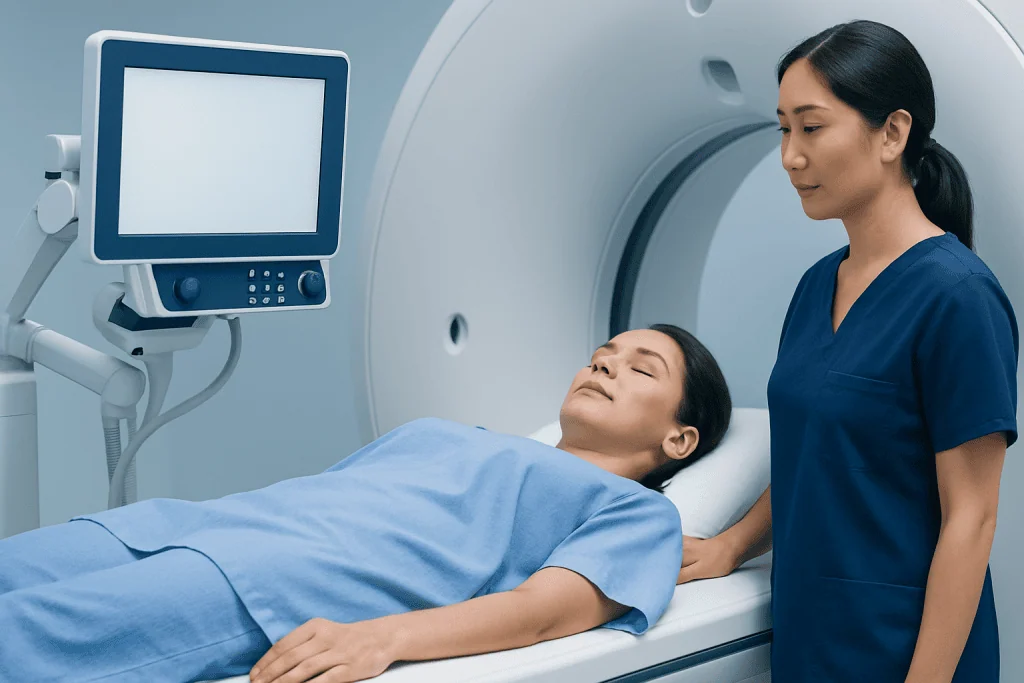
Screening and timely assessment matter because some cancers are more treatable when found early. Depending on age, family history, and personal risk factors, a doctor may recommend tests such as mammography, colonoscopy, cervical screening, or imaging studies. These are often used to detect disease before symptoms develop.
Common Myth: Cancer Means the Same Thing for Everyone

Another widespread myth is that a cancer diagnosis has a single meaning and follows the same path for every patient. In fact, cancers differ by tissue type, genetic features, growth pattern, stage, and how far they have spread. Even two people with cancer in the same organ may need different treatment plans.
For example, breast cancer, lung cancer, colon cancer, and blood cancers are distinct conditions. Within each group, there can be major biological differences that affect prognosis and treatment choices. A tumor’s size, location, receptor status, molecular profile, and response to therapy all influence care decisions.
This is why modern oncology often uses personalized planning. A patient’s team may recommend surgery, chemotherapy, radiation therapy, targeted therapy, immunotherapy, hormone therapy, or careful monitoring, depending on the case. In some situations, several treatments are combined for the best result.
Understanding this fact can prevent harmful comparisons. A friend or relative’s experience may be meaningful emotionally, but it may not predict what another patient will face. Accurate information comes from the individual’s pathology report, imaging, stage, overall health, and specialist review.
Myths About Causes: Sugar, Phones, Stress, and Everyday Exposures
Many people ask whether a single food, device, or emotional state causes cancer. Common examples include sugar, mobile phones, microwaves, deodorants, or stress. These topics are frequently discussed online, but the scientific picture is usually more nuanced than simple claims suggest.
Cancer develops through complex interactions among genetics, age, environment, lifestyle, infections, and chance changes in cells over time. Eating sugar does not directly cause cancer in the simple way many posts suggest. However, a diet high in calories and low in nutritional quality may contribute to obesity, and obesity is a known risk factor for several cancers.
Stress itself is not considered a direct proven cause of cancer, although chronic stress can affect sleep, appetite, alcohol use, smoking habits, and general well-being. In the same way, concern about everyday products should be discussed with a doctor rather than judged by rumors alone. Public health recommendations are based on ongoing research and risk assessment, not isolated stories.
Well-established cancer risks include tobacco use, excessive alcohol consumption, obesity, certain infections such as human papillomavirus and hepatitis viruses, ultraviolet radiation, some occupational exposures, and family history in specific cancers. Focusing on these proven risks is usually more helpful than worrying about unsupported claims.
Myths About Treatment: Surgery, Chemotherapy, and Alternative Cures
Some patients fear that surgery causes cancer to spread. This belief is understandable but generally incorrect. Cancer surgery is carefully planned to remove tumors safely, and for many cancers it is one of the main treatments. Although every procedure has risks, surgeons use established techniques designed to reduce complications and support the best possible outcome.
Another myth is that chemotherapy always fails or is always unbearable. In reality, chemotherapy can be very effective for some cancers, especially when chosen for the right disease type and stage. Side effects are possible, but they vary widely, and modern supportive care has improved symptom control for many patients. In some cases, doctors may recommend chemotherapy along with other therapies, while in others a different approach is more appropriate.
Patients may also hear that natural products alone can cure cancer. While nutrition, physical activity, emotional support, and selected complementary approaches may help quality of life, they should not replace evidence-based treatment. Delaying proven care in favor of unverified remedies can allow cancer to progress. Any supplement or herbal product should be discussed with a doctor because interactions with treatment are possible.
Cancer treatment today may involve several options beyond traditional chemotherapy. Depending on the diagnosis, a team may recommend radiation therapy, immunotherapy, or an operation through oncologic surgery. The safest treatment plan is one tailored by specialists after confirmed diagnosis and staging.
Facts About Diagnosis, Screening, and Second Opinions
A diagnosis of cancer is not made from symptoms, internet information, or one blood test alone. Doctors usually combine medical history, physical examination, imaging, laboratory tests, and tissue sampling when needed. A biopsy is often the key step because it allows a pathologist to examine cells directly and identify the exact cancer type.
Screening tests are different from diagnostic tests. Screening looks for disease before symptoms appear in people without known cancer risk symptoms. Diagnostic testing is used when there is a specific concern that needs explanation. Understanding this difference helps patients know why one test may be appropriate for one person but not another.
Another important fact is that second opinions are normal in cancer care. They can be especially helpful for rare cancers, complex surgery, or treatment decisions with several acceptable options. A second opinion does not mean distrust; it often improves confidence and helps patients better understand their choices.
Patients may encounter related conditions during evaluation, such as breast cancer or lung cancer, each of which has its own diagnostic pathway and treatment strategy. Multidisciplinary review brings together expertise from radiology, pathology, surgery, medical oncology, and radiation oncology to guide decisions based on evidence.
What Patients Can Do: Prevention, Self-Care, and Reliable Information
Not all cancers can be prevented, but many risk factors can be reduced. Avoiding tobacco, limiting alcohol, maintaining a healthy weight, being physically active, protecting the skin from excessive sun exposure, and keeping up with recommended vaccinations and screening can all support cancer prevention.
During and after treatment, self-care also matters. Patients often benefit from balanced nutrition, sleep, gradual activity as tolerated, emotional support, and open communication with the care team. These steps do not replace treatment, but they can support recovery and quality of life. If new symptoms, side effects, or emotional distress develop, they should be discussed promptly.
Reliable information usually comes from oncologists, national cancer organizations, academic medical centers, and public health agencies. Social media posts, testimonials, and dramatic headlines may leave out important details. Patients can protect themselves by asking whether a claim is supported by evidence, whether it applies to their cancer type, and whether a qualified doctor agrees with it.
Near the end of the care journey, many patients also want to know where multidisciplinary support is available. Acibadem International’s multidisciplinary specialists and JCI-accredited hospitals diagnose and treat cancer for international patients, helping coordinate evaluation and evidence-based care across specialties.
When to See a Doctor and Questions Worth Asking
It is sensible to see a doctor if a symptom is persistent, unusual, unexplained, or getting worse. Warning signs can include a new lump, unexplained bleeding, long-lasting cough, changes in bowel or bladder habits, difficulty swallowing, ongoing fatigue, or unintentional weight loss. These symptoms often have non-cancer causes, but medical assessment is important when they do not go away.
People should also speak with a doctor if they have a strong family history of cancer, inherited cancer syndromes in the family, prior cancer, or known exposure to major risk factors. A clinician may suggest earlier or more frequent screening, genetic counseling, or further evaluation depending on the situation.
Helpful questions during an appointment may include: What is known so far? What tests are needed and why? If cancer is confirmed, what type and stage is it? What treatment options are recommended, and what are their goals? Are there alternatives, side effects, or reasons to seek a second opinion?
Clear answers can replace fear with understanding. When patients question common beliefs and seek evidence-based guidance, they are better positioned to make informed decisions and participate actively in their care.
Frequently asked questions
Can cancer be caused by stress alone?
Current evidence does not show that stress alone directly causes cancer. However, long-term stress can affect sleep, diet, smoking, alcohol use, and other habits that influence overall health. Managing stress is still important, but it should not be viewed as the sole explanation for cancer.
Does sugar feed cancer?
All cells, including healthy cells, use glucose for energy. Eating sugar does not mean a person is directly feeding cancer in a simple or unique way. A balanced diet remains important, and long-term patterns that contribute to obesity may increase the risk of some cancers.
Does surgery make cancer spread?
This is a common fear, but cancer surgery does not usually cause cancer to spread. Surgeons use established techniques to remove tumors as safely as possible. For many cancers, surgery is a key part of treatment and may offer the best chance of controlling disease.
Are alternative therapies enough to treat cancer?
Alternative therapies should not replace medically recommended cancer treatment. Some complementary approaches may help with comfort, stress, or side effects, but they do not substitute for proven therapies. Patients should always discuss supplements, herbs, and nonstandard treatments with their doctor.
If there are no symptoms, can cancer still be present?
Yes. Some cancers cause no symptoms in the early stages, which is why screening can be valuable for certain people. A person can feel well and still have a condition that only testing can detect.
Is a second opinion a good idea after a cancer diagnosis?
Yes, a second opinion is often helpful, especially for rare cancers or complex treatment decisions. It can confirm the diagnosis, clarify treatment options, and give patients more confidence in their plan. Most cancer specialists understand and support this process.
References
- World Health Organization
- National Cancer Institute
- American Cancer Society
- Centers for Disease Control and Prevention
- European Society for Medical Oncology
This article is for general information only and is not a substitute for professional medical advice. Please consult a qualified doctor about your individual situation.
Oncology care in Turkey — second opinion and treatment plan
JCI-accredited · board-certified surgeons · reply within 24h
Add us as a Preferred Source to see more of our trusted health content across Google Search, AI Overviews and Discover.

More from the Health Library


Related Specialists

Prof. Dr. Erdoğan Ertüngealp
Gynecology & Obstetrics
Ody. Sıla Çelebi
Audiology
Fzt. Semih Kızıltan
Physical Medicine & Rehabilitation
Dr. Büşra Nur Enez Baş
Acibadem Life Clinical Service