Cancer Pain Management: Medicines, Procedures, and Supportive Care

Cancer pain is treatable, and patients should not wait until pain becomes severe before asking for help. Pain management may include non-opioid medicines, opioids, nerve pain medicines, procedures, radiotherapy, surgery, or systemic cancer treatment.
Key Takeaways
- Cancer pain is treatable, and patients should not wait until pain becomes severe before asking for help.
- Pain management may include non-opioid medicines, opioids, nerve pain medicines, procedures, radiotherapy, surgery, or systemic cancer treatment.
- Side effects such as constipation, sleepiness, nausea, or confusion should be discussed promptly because they can often be managed.
- Supportive care, rehabilitation, nutrition, sleep, and emotional support are important parts of pain control.
- A multidisciplinary team can tailor pain treatment to the cancer type, overall health, goals of care, and personal preferences.
Cancer pain can often be reduced with a personalized plan that may include medicines, cancer-directed treatment, procedures, rehabilitation, and emotional support. Early reporting and regular reassessment help care teams adjust treatment safely and improve comfort.
Overview
Cancer pain management is the careful assessment and treatment of pain related to cancer itself, its treatment, or other health conditions that occur alongside cancer. Pain may be mild, moderate, or severe, and it may come and go or persist over time. The goal is not only to reduce pain intensity, but also to help the person move, sleep, eat, communicate, and take part in daily life as comfortably as possible.
Pain does not affect every person with cancer, and when it occurs, it can usually be improved with the right plan. Modern cancer pain care uses a stepwise and individualized approach. This may include medicines, radiotherapy, chemotherapy or targeted therapies, minimally invasive procedures, rehabilitation, psychological support, and palliative care services.
Palliative care is often misunderstood. It is supportive medical care focused on symptoms, comfort, communication, and quality of life at any stage of serious illness. It can be provided alongside active cancer treatment and does not mean that treatment is being stopped. In many cases, early symptom management helps patients tolerate cancer therapy better and feel more in control.
How Cancer Pain Can Feel
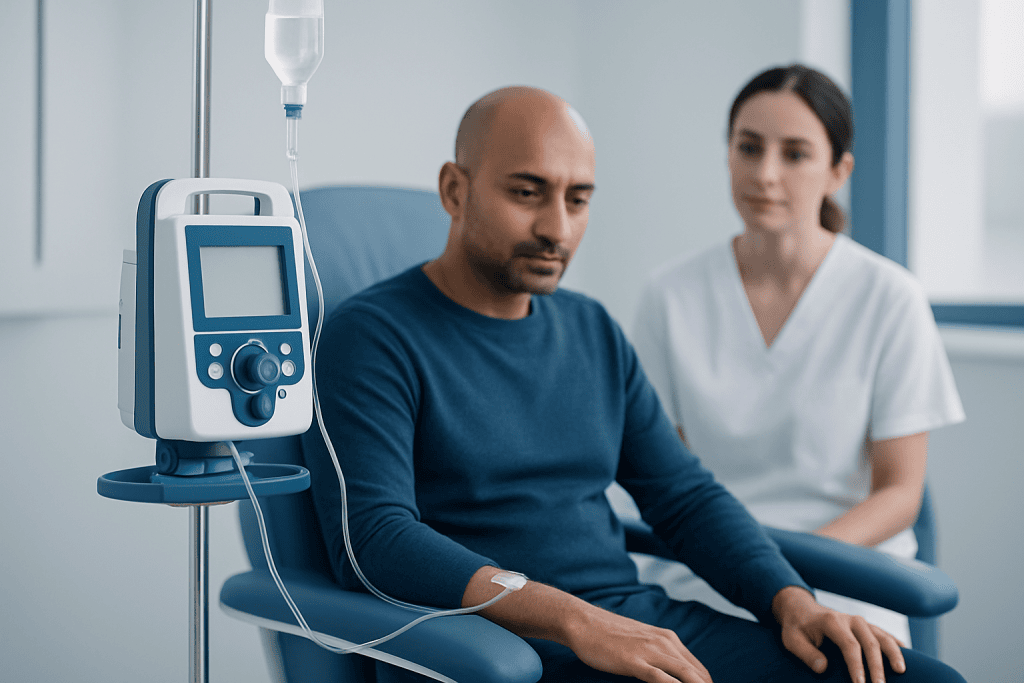
Cancer pain can feel different from person to person. Some people describe aching, pressure, throbbing, burning, tingling, stabbing, cramping, or electric shock-like sensations. Pain may be located in one area, such as the back or abdomen, or it may spread to nearby regions. It may worsen with movement, swallowing, coughing, eating, or certain positions.
Doctors often classify pain by its source. Somatic pain comes from bones, muscles, skin, or connective tissues and may feel aching or sharp. Visceral pain comes from internal organs and may feel deep, cramp-like, or difficult to localize. Neuropathic pain results from irritation or injury to nerves and may cause burning, numbness, tingling, shooting pain, or sensitivity to touch.
Patients are encouraged to describe pain in practical detail, because this helps the care team choose the right treatment. Useful information includes where the pain is, how strong it is on a 0 to 10 scale, what makes it better or worse, how long it lasts, and whether it affects sleep, mood, walking, breathing, appetite, or medication use.
Causes and Risk Factors

Cancer pain may be caused by a tumor pressing on bones, nerves, organs, or soft tissues. Bone involvement can cause deep aching pain and may be worse with movement. Tumors in the abdomen or pelvis may cause pressure, cramping, bowel changes, or urinary symptoms. If nerves are compressed or damaged, pain may have burning, shooting, or tingling qualities.
Cancer treatments can also lead to pain. Surgery may cause short-term wound pain or, less commonly, longer-lasting nerve pain. Chemotherapy and some targeted therapies may cause peripheral neuropathy, mouth sores, muscle aches, or joint pain. Radiotherapy can irritate nearby tissues during treatment, although it can also be an effective treatment for pain caused by bone or tumor pressure.
Other conditions may contribute to pain in a person with cancer. Arthritis, diabetes-related nerve damage, infections, blood clots, constipation, pressure injuries, or muscle deconditioning can all cause discomfort. Because several causes can occur at the same time, careful assessment is important rather than assuming that all pain is directly from cancer.
Diagnosis and Pain Assessment
Diagnosing the cause of cancer pain begins with a detailed medical history and physical examination. The care team asks about the pain pattern, cancer diagnosis, current and previous treatments, medicines, allergies, kidney and liver function, bowel habits, sleep, mood, and daily activities. They may also review whether pain is sudden, new, worsening, or associated with symptoms such as fever, weakness, numbness, swelling, or shortness of breath.
Tests may be needed when the cause is unclear or when treatment decisions depend on more information. Depending on the situation, doctors may request blood tests, X-rays, ultrasound, CT, MRI, PET-CT, bone scan, or other imaging. These tests can help identify bone involvement, fractures, infection, obstruction, nerve compression, or treatment-related complications.
Pain assessment is ongoing, not a one-time event. After treatment starts, the team checks whether pain has improved, whether breakthrough pain still occurs, and whether side effects are manageable. Patients and caregivers can help by keeping a simple pain diary that records pain scores, timing of medicines, side effects, bowel movements, and activities that trigger or relieve pain.
Medicines for Cancer Pain
Medicines are a central part of cancer pain management, but the best choice depends on the type and severity of pain, previous medicine use, overall health, and treatment goals. Non-opioid pain relievers such as paracetamol or nonsteroidal anti-inflammatory drugs may help mild pain or pain related to inflammation or bone involvement. These medicines can have important risks, especially for the stomach, kidneys, liver, heart, or bleeding, so they should be used under medical guidance.
Opioid medicines may be prescribed for moderate to severe cancer pain or when other treatments are not enough. They can be very effective when carefully selected, monitored, and adjusted by a qualified clinician. Patients should take them exactly as prescribed and should discuss sleepiness, nausea, constipation, itching, confusion, breathing concerns, or inadequate relief. Constipation is common with opioids and often needs a planned bowel routine rather than waiting for symptoms to become severe.
Adjuvant medicines treat specific pain mechanisms. Antidepressants or anticonvulsants may be used for nerve pain. Corticosteroids may reduce swelling around tumors or nerves in selected situations. Muscle relaxants, topical treatments, local anesthetics, or bone-strengthening medicines may be appropriate for some patients. Because cancer patients often take several medicines, the care team checks for interactions and adjusts treatment for kidney or liver function.
Breakthrough pain is a temporary flare of pain that occurs despite regular pain medicine. It may happen with movement, dressing changes, swallowing, or no clear trigger. Doctors may prescribe a rapid-acting rescue medicine or adjust the baseline pain plan. Repeated breakthrough pain should be reported because it may mean the overall regimen needs review.
Procedures and Cancer-Directed Treatments
When pain is caused by a specific tumor site, treating the cancer can be an important form of pain control. Radiotherapy is commonly used to relieve pain from bone metastases or tumor pressure on nearby structures. Surgery may be considered to stabilize a weakened bone, relieve pressure, manage obstruction, or remove painful tumor tissue in carefully selected cases. Chemotherapy, immunotherapy, hormone therapy, or targeted therapy may also reduce pain by shrinking or controlling cancer.
Interventional pain procedures may help when medicines do not provide enough relief or cause difficult side effects. Options can include nerve blocks, epidural or intrathecal drug delivery, radiofrequency procedures, vertebroplasty or kyphoplasty for certain spinal compression fractures, or other image-guided techniques. These procedures are selected according to the pain source, expected benefits, risks, cancer status, blood clotting, infection risk, and patient preferences.
Not every procedure is suitable for every patient, and benefits may vary. A pain medicine specialist, anesthesiologist, interventional radiologist, radiation oncologist, surgeon, medical oncologist, and palliative care physician may work together to decide the safest approach. The aim is to match treatment to the cause of pain while minimizing side effects and preserving function.
Supportive Care, Self-Care, and Rehabilitation
Supportive care can make pain treatment more effective. Physical therapy may help maintain strength, balance, flexibility, and safe movement. Occupational therapy can suggest ways to bathe, dress, cook, or work with less strain. Gentle activity, when approved by the care team, can reduce stiffness and improve confidence. Rest is important, but long periods of inactivity may worsen weakness and discomfort.
Non-medicine approaches may be useful as part of a broader plan. These can include heat or cold therapy when safe, relaxation breathing, guided imagery, massage by trained professionals, acupuncture where appropriate, music therapy, mindfulness, and counseling. Some methods are not suitable for certain patients, such as those with low blood counts, fragile bones, skin changes, infection risk, or lymphedema, so the care team should be consulted first.
Emotional distress can intensify the experience of pain, and persistent pain can affect mood, sleep, and relationships. Psychological support is therefore a medical part of cancer pain care, not a sign that the pain is imaginary. Counseling, support groups, spiritual care, and family meetings can help patients communicate needs, reduce fear, and plan daily routines.
Nutrition, hydration, bowel care, and sleep routines also matter. Patients should tell their doctor about herbal products or supplements, because some may interact with cancer treatments, blood thinners, anesthesia, or pain medicines. A safe, coordinated plan is especially important for older adults, people with memory problems, and patients taking multiple medications.
When to See a Doctor
Patients should contact their oncology or palliative care team whenever pain is new, worsening, interfering with sleep or movement, or not relieved by the current plan. Pain should also be discussed if medicines cause troublesome side effects, if doses are being taken more often than prescribed, or if swallowing tablets becomes difficult. Early communication allows the team to adjust treatment before pain becomes harder to control.
Urgent medical advice is needed for sudden severe pain, new weakness or numbness, loss of bladder or bowel control, severe headache with confusion, chest pain, shortness of breath, fever, uncontrolled vomiting, a painful swollen limb, or a fall with possible fracture. These symptoms do not always mean a serious complication, but they should be assessed promptly.
Patients receiving care away from home should carry an updated medication list, cancer diagnosis summary, allergy information, and contact details for their treating team. At Acibadem International, multidisciplinary specialists in JCI-accredited hospitals diagnose and treat cancer pain for international patients, coordinating oncology, imaging, interventional pain care, rehabilitation, and supportive services when appropriate.
Frequently asked questions
Can cancer pain usually be controlled?
In many cases, cancer pain can be significantly reduced with a personalized plan. The plan may include medicines, cancer-directed treatment, procedures, rehabilitation, and supportive care. It is important to report pain early and describe it clearly so treatment can be adjusted.
Does needing opioid medicine mean the cancer is getting worse?
Not necessarily. Opioids are prescribed according to pain severity and the type of pain, not only cancer stage. Some patients need them temporarily after surgery or during treatment, while others use them longer for ongoing pain. Any change in pain should still be discussed with the treating doctor.
Will cancer pain medicines cause addiction?
When opioids are used for cancer pain under medical supervision, the main goal is safe symptom relief and function. Physical dependence and tolerance can occur and are different from addiction. Patients should not stop opioids suddenly without medical guidance, and concerns about safety should be openly discussed with the care team.
What should a patient do if pain medicine is not working?
The patient should contact the oncology or palliative care team rather than increasing doses independently. The doctor may change the medicine, adjust timing, add treatment for nerve pain, prescribe rescue medicine for breakthrough pain, or investigate a new cause. Side effects and bowel habits should also be reviewed.
Can non-drug methods replace pain medicine?
Non-drug methods can be very helpful, but they usually work best as part of a complete plan rather than as a replacement for needed medical treatment. Physical therapy, relaxation, counseling, heat or cold, and carefully selected complementary therapies may improve comfort and coping. Patients should ask their care team which methods are safe for their condition.
When is palliative care appropriate for cancer pain?
Palliative care is appropriate whenever cancer or its treatment causes pain, distress, or practical challenges. It can be provided at the same time as chemotherapy, radiotherapy, surgery, immunotherapy, or other cancer treatments. Its purpose is to improve comfort, communication, and quality of life.
References
- World Health Organization
- National Comprehensive Cancer Network
- National Cancer Institute
- European Society for Medical Oncology
- American Cancer Society
This article is for general information only and is not a substitute for professional medical advice. Please consult a qualified doctor about your individual situation.
Oncology care in Turkey — second opinion and treatment plan
JCI-accredited · board-certified surgeons · reply within 24h
Add us as a Preferred Source to see more of our trusted health content across Google Search, AI Overviews and Discover.