Cancer Recovery Timeline: What to Expect During and After Treatment
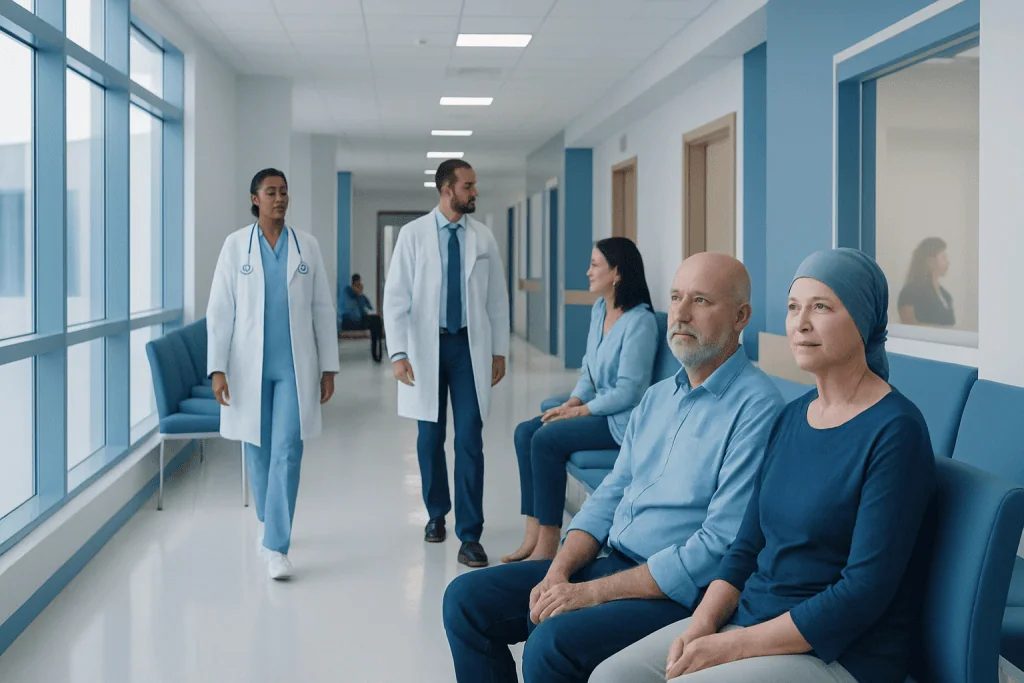
Cancer recovery does not follow one fixed schedule and depends on the cancer type, treatment plan, age, and overall health. Fatigue is one of the most common symptoms during and after cancer treatment and may improve gradually over weeks or months.
Key Takeaways
- Cancer recovery does not follow one fixed schedule and depends on the cancer type, treatment plan, age, and overall health.
- Fatigue is one of the most common symptoms during and after cancer treatment and may improve gradually over weeks or months.
- Recovery often includes follow-up visits, scans or blood tests, symptom management, nutrition, movement, and emotional support.
- Some side effects improve soon after treatment ends, while others may last longer or appear later.
- Patients should contact a doctor promptly for fever, breathing problems, severe pain, dehydration, or any sudden new symptom.
A cancer recovery timeline is different for every person, but recovery usually happens in phases during treatment, in the first weeks to months after treatment, and over longer-term follow-up. Knowing what to expect can help patients and families prepare for physical healing, emotional adjustment, and ongoing medical care.
Overview: Understanding the Cancer Recovery Timeline
The cancer recovery timeline is not the same for everyone. It depends on many factors, including the type and stage of cancer, the treatments used, the person’s general health, and how the body responds over time. Some people recover steadily within weeks after treatment, while others need months or longer to regain strength and adjust to lasting changes.
Recovery often begins during treatment, not only after it ends. A person may be managing fatigue, appetite changes, pain, sleep problems, or emotional stress while still receiving chemotherapy, radiation therapy, surgery, immunotherapy, or other care. In this sense, recovery is a process of healing, adaptation, and monitoring rather than a single event.
Many clinicians describe recovery in phases. The first phase is active treatment, when side effects may be most noticeable. The next phase is the early recovery period, often the first few weeks to months after treatment, when the body starts to repair tissues and energy may slowly return. The longer-term phase includes survivorship care, follow-up appointments, and attention to late effects, emotional well-being, work, family life, and healthy habits.
What to Expect During Active Treatment
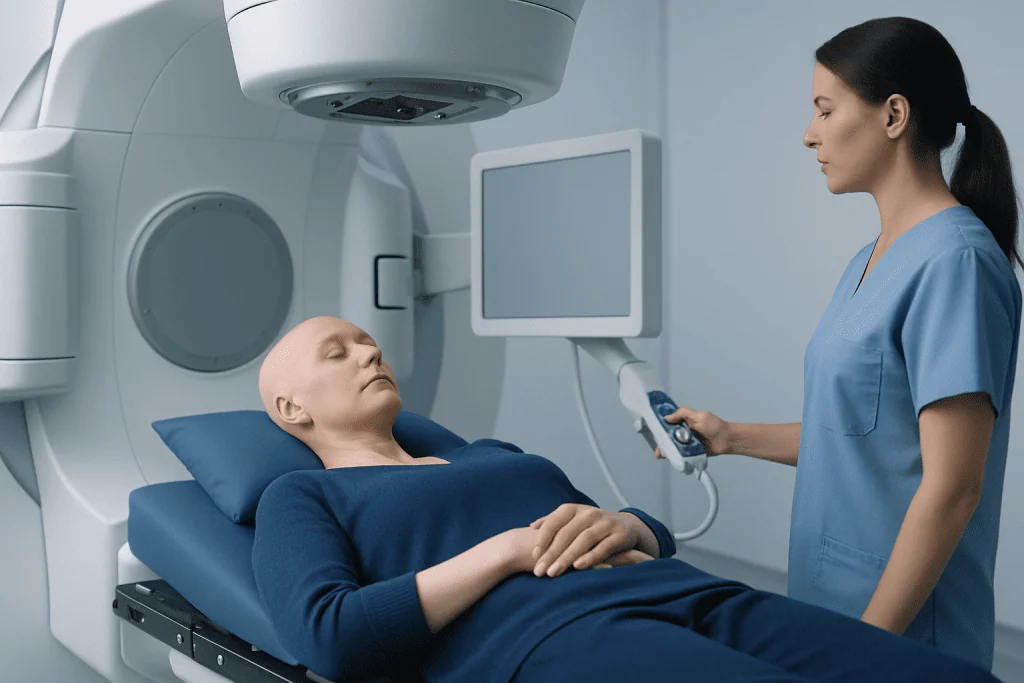
During active treatment, patients commonly notice changes in energy, appetite, sleep, mood, digestion, or comfort. The exact pattern depends on treatment type. For example, surgery may cause short-term pain and reduced mobility, while chemotherapy may lead to nausea, fatigue, hair loss, or lower blood counts. Radiation therapy can cause tiredness and irritation in the treated area, and immunotherapy may trigger inflammation-related side effects in some people.
Side effects may come and go in cycles. Some people feel relatively well on certain days and more tired or uncomfortable on others. This can be normal, especially with chemotherapy cycles or recovery after procedures. Keeping a simple symptom diary can help patients recognize patterns and discuss them with the care team.
Daily routines often need adjustment during this stage. Rest periods may be more important, meals may need to be smaller and more frequent, and work or travel plans may need flexibility. Support from family, friends, rehabilitation professionals, and nutrition specialists can make this period more manageable.
- Fatigue may build up over time rather than improve day to day.
- Appetite and taste changes are common and often temporary.
- Sleep disturbance and anxiety can affect overall recovery.
- Open communication with the oncology team helps address side effects early.
Early Recovery After Treatment Ends

When treatment ends, many people expect to feel better immediately. In reality, the early recovery period can still be physically and emotionally demanding. The body may need time to heal from surgery, rebuild blood counts after chemotherapy, or recover from the cumulative effects of radiation. It is common for fatigue to continue for several weeks or months.
Physical healing usually happens gradually. Surgical wounds may need ongoing care, appetite may slowly return, bowel habits may normalize, and strength may improve with gentle activity. Some side effects start to fade soon after treatment, but others improve more slowly. Hair may regrow after certain treatments, skin changes from radiation can settle, and concentration or memory changes may take longer to ease.
Emotional recovery also matters. Some patients feel relief when treatment is over, while others feel uncertain without the structure of frequent appointments. Worry about recurrence, body image concerns, or changes in family and work roles are all common parts of this period. Support groups, counseling, and regular follow-up can help patients feel more confident as they move forward.
Longer-Term Recovery and Survivorship
Longer-term recovery focuses on living well after cancer treatment. For some, this means returning to usual activities, exercise, work, or social life. For others, it means adapting to long-term effects such as nerve symptoms, hormonal changes, bowel or bladder changes, fertility concerns, or persistent tiredness. These experiences are valid, and they deserve continued medical attention.
Follow-up care is an important part of survivorship. Doctors may recommend physical examinations, blood tests, imaging, or other checks based on the person’s cancer history. These visits help monitor for recurrence, manage lasting side effects, and identify any late effects of treatment. Survivorship care may also include heart health, bone health, vaccination guidance, emotional support, and screening for other conditions.
Rehabilitation can also play a valuable role. Physical therapy, occupational therapy, speech therapy, nutrition counseling, and pain management may help improve day-to-day function. People recovering from surgery or complex cancer treatment may benefit from structured rehabilitation and physical therapy as part of a broader survivorship plan.
Factors That Affect Recovery Time
Several factors influence how long recovery takes. The cancer type and stage matter because they help determine the intensity and duration of treatment. A person treated with a short operation may recover on a different timeline than someone who has major surgery plus chemotherapy and radiation. Treatment combinations can increase the amount of time the body needs to heal.
Age and general health also play a role. People with strong baseline fitness, good nutrition, and fewer other medical conditions may recover more smoothly, though this is not always the case. Conditions such as diabetes, heart disease, lung disease, anemia, or poor nutritional status can make healing slower and symptom management more complex.
Other important factors include sleep quality, stress, social support, mental health, mobility, and whether complications occur. Infections, dehydration, blood clots, wound healing problems, or severe treatment side effects can extend recovery. This is why a personalized plan is essential. Cancer recovery timelines should be guided by the treating team rather than by comparison with other patients.
For some people, recovery also includes care related to the original disease and its long-term impact, such as follow-up for breast cancer or colon cancer after treatment has finished.
How Doctors Monitor Recovery
Doctors monitor recovery through regular follow-up visits and by listening carefully to symptoms. Appointments often include a review of energy levels, appetite, pain, sleep, emotional well-being, activity levels, and any new concerns. Depending on the treatment received, the care team may also check blood counts, organ function, wound healing, weight changes, or signs of infection.
Imaging and laboratory tests are not always needed at every visit, but they may be used when clinically appropriate. Follow-up plans vary widely by cancer type, so patients should ask what schedule is recommended for them and what each test is meant to assess. Understanding the purpose of follow-up can reduce uncertainty and help patients feel more involved in their care.
Some symptoms deserve extra attention, especially if they are new, severe, or getting worse. Ongoing pain, swelling, unexplained fever, persistent vomiting, marked shortness of breath, or sudden neurological symptoms should be reported promptly. In some cases, recovery may involve specialist services such as nutrition support, pain medicine, counseling, palliative care, or medical oncology review for treatment-related concerns.
Self-Care During Recovery
Self-care during recovery should be realistic, gentle, and tailored to the person’s energy level. Rest is important, but complete inactivity can make weakness and fatigue worse. Many patients benefit from light daily movement, such as short walks, stretching, or guided exercises approved by the medical team. Activity often needs to increase slowly over time.
Nutrition and hydration support healing. Small, frequent meals can be easier than large meals when appetite is low. Protein-rich foods, fruits, vegetables, and adequate fluids can help with tissue repair and energy. If taste changes, swallowing problems, weight loss, or nausea make eating difficult, a doctor or dietitian can offer individualized advice.
Emotional care is just as important as physical care. Mindfulness, relaxation practices, counseling, journaling, and support groups may help with fear, sadness, or uncertainty. Family members and caregivers may also need support. In selected cases, supportive treatments such as psycho-oncology services can help patients cope with the psychological impact of cancer and recovery.
- Follow prescribed medicines and wound-care instructions carefully.
- Avoid smoking and limit alcohol unless a doctor advises otherwise.
- Protect sleep by keeping a regular routine when possible.
- Ask before taking supplements, herbs, or over-the-counter products.
When to See a Doctor During Cancer Recovery
Most recovery symptoms improve gradually, but some signs should not be ignored. Patients should contact their doctor if they develop fever, chills, chest pain, breathing difficulty, uncontrolled vomiting, confusion, dehydration, significant bleeding, or worsening pain. Sudden swelling in one leg, fainting, or new weakness also needs urgent medical advice.
It is also reasonable to seek medical review for symptoms that are less dramatic but persistent. Ongoing fatigue that does not improve, poor appetite, weight loss, low mood, sleep problems, bowel or bladder changes, numbness, or trouble returning to daily activities may all need assessment. These symptoms can often be treated or improved with the right support.
Patients do not need to manage recovery alone. A coordinated team may include oncologists, surgeons, nurses, rehabilitation specialists, psychologists, and dietitians. Near the end of the recovery journey, some international patients may choose to continue evaluation and aftercare at centers such as Acibadem International, where multidisciplinary specialists in JCI-accredited hospitals diagnose and treat cancer-related conditions and support recovery planning.
Frequently asked questions
How long does cancer recovery usually take?
Cancer recovery can take weeks, months, or longer, depending on the cancer type, treatment plan, and a person’s general health. Some side effects improve soon after treatment ends, while others fade more gradually or may need ongoing management.
Is it normal to feel very tired after cancer treatment?
Yes. Fatigue is one of the most common effects of cancer and its treatment. It often improves slowly over time, especially with rest, light activity, good nutrition, and treatment of contributing issues such as anemia, pain, or poor sleep.
Why do some people feel worse after treatment ends?
It can take time for the body to recover from the cumulative effects of treatment. Surgery, chemotherapy, radiation therapy, and other treatments may continue to affect energy, appetite, and emotional well-being even after the last treatment session.
Can cancer treatment side effects appear later?
Yes. Some effects happen during treatment, while others may appear months or even years later. This is one reason follow-up care is important, even when a person feels well.
What helps recovery after cancer treatment?
Helpful steps often include attending follow-up visits, staying hydrated, eating well, increasing activity gradually, and getting support for emotional health. Patients should also ask their doctor before starting supplements, intense exercise, or alternative therapies.
When should a patient call the doctor during recovery?
A doctor should be contacted promptly for fever, breathing trouble, chest pain, severe vomiting, dehydration, heavy bleeding, or sudden new symptoms. Persistent fatigue, ongoing pain, weight loss, or low mood also deserve medical attention.
References
- World Health Organization
- National Cancer Institute
- American Cancer Society
- European Society for Medical Oncology
- Centers for Disease Control and Prevention
This article is for general information only and is not a substitute for professional medical advice. Please consult a qualified doctor about your individual situation.
Oncology care in Turkey — second opinion and treatment plan
JCI-accredited · board-certified surgeons · reply within 24h
Add us as a Preferred Source to see more of our trusted health content across Google Search, AI Overviews and Discover.