Cancer Screening Los Angeles: How It Works, Results and What to Expect

Screening is intended for people without symptoms and can find some cancers or precancerous changes earlier. Common evidence-based screening tests include mammography, cervical screening, colorectal screening and lung cancer screening for eligible people.
Key Takeaways
- Screening is intended for people without symptoms and can find some cancers or precancerous changes earlier.
- Common evidence-based screening tests include mammography, cervical screening, colorectal screening and lung cancer screening for eligible people.
- An abnormal screening result does not by itself mean cancer; additional imaging, laboratory tests or biopsy may be needed.
- Results may be available the same day or take several days to weeks, depending on the test and whether further review is required.
- New or persistent symptoms should be assessed medically rather than waiting for a routine screening appointment.
Cancer screening Los Angeles refers to preventive tests that look for selected cancers before a person has symptoms. The right screening plan depends on age, sex, family history, lifestyle, previous test results and personal health risks, so it should be discussed with a qualified clinician.
Cancer Screening Los Angeles: How It Works
Cancer screening Los Angeles involves preventive tests that look for cancer, or for changes that may lead to cancer, before symptoms appear. Screening is different from diagnostic testing: a diagnostic evaluation is used when a person has a symptom, abnormal examination finding or concerning prior test result.
Not every cancer has a proven screening test. For cancers where screening has demonstrated benefit in appropriate groups, early detection may allow treatment to begin at an earlier stage. Common examples include breast, cervical, colorectal and lung cancer screening. Some people may also need individualized screening because of inherited cancer syndromes, a strong family history, previous radiation treatment or other medical factors.
A screening program typically begins with a discussion of personal risk and current guideline recommendations. A clinician can help a person choose tests that are likely to offer more benefit than harm and avoid unnecessary testing that may lead to false-positive results or procedures that are not needed.
Who May Be a Candidate for Cancer Screening?
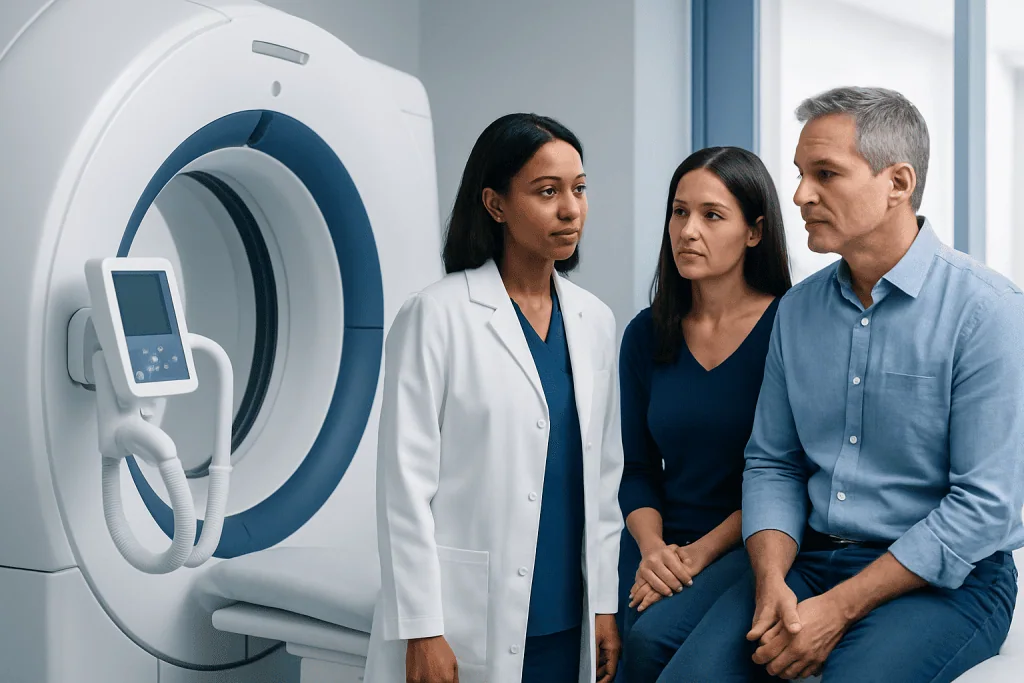
Eligibility depends on the cancer being screened for. Age and sex assigned at birth are important, but they are not the only factors. A person’s smoking history, family history of cancer, genetic test results, prior polyps, past cancer treatment, immune status and reproductive history can all affect the recommended schedule.
For example, mammography is commonly recommended at regular intervals for women within guideline-defined age ranges. Cervical screening uses HPV testing, a Pap test or both, depending on age and local guidance. Colorectal screening may involve stool testing or colonoscopy, while annual low-dose CT screening may be appropriate for certain adults with a substantial smoking history.
People at higher-than-average risk may start earlier, undergo screening more often or need a different method. Those with a close relative diagnosed at a young age, multiple relatives with related cancers, known genetic mutations, inflammatory bowel disease or a personal history of cancer should ask whether genetic counseling or a tailored surveillance plan is appropriate.
What to Expect From a Cancer Screening?

Before screening, the care team reviews medical history, medications, allergies, family history and any current symptoms. The person may be asked to complete questionnaires, provide prior imaging or pathology reports, and sign consent forms. Preparation varies by test: a mammogram usually requires little preparation, whereas colonoscopy requires bowel preparation in advance.
During the appointment, a trained clinician or imaging professional performs the test and explains what will happen. Some tests are brief, such as a cervical sample collection or stool-based test. Others, including colonoscopy or low-dose CT, may involve more planning. Sedation is commonly used for colonoscopy, so the person generally needs a responsible adult to accompany them home.
Most screening examinations are outpatient procedures. It can be useful to ask what the test can and cannot detect, whether there are alternatives, how results will be communicated and what follow-up may be recommended if a result is unclear. Screening aims to assess risk; it cannot rule out every cancer with complete certainty.
Step by Step: Screening Tests, Follow-Up and Recovery
The process usually follows several steps: identifying eligibility, arranging the test, completing any preparation, undergoing the screening examination and receiving a report. A normal result generally means that no concerning finding was identified at that time, but it does not remove the need for future screening at recommended intervals.
If a result is abnormal, incomplete or uncertain, the next step may be repeat imaging, a different screening test, a specialist consultation or a biopsy. These follow-up tests help clarify whether a finding is benign, requires monitoring or needs treatment. For colorectal screening, colonoscopy may be used to examine the bowel directly and remove certain polyps during the same procedure.
Recovery is usually immediate after noninvasive tests such as mammography, low-dose CT, blood tests or stool tests. After a colonoscopy, mild bloating or temporary drowsiness from sedation can occur, and normal activities may need to wait until the following day. A care team provides specific aftercare instructions based on the examination performed.
When cancer is diagnosed, care is planned around the type, stage and biology of the cancer as well as the person’s general health and preferences. This may involve medical oncology, surgery, radiation oncology, pathology, radiology and supportive-care specialists. Breast cancer and other cancers are assessed individually rather than treated with a single standard pathway.
Benefits, Limits and Possible Risks of Screening
The main potential benefit of screening is finding certain cancers earlier, sometimes before they cause symptoms. Screening can also identify precancerous changes, such as some colorectal polyps or cervical cell abnormalities, allowing treatment before cancer develops.
However, no screening test is perfect. A false-positive result suggests a possible problem when cancer is not present. This can lead to worry and additional tests. A false-negative result occurs when a test does not detect an existing cancer, which is why new symptoms should always be evaluated even after a recent normal screen.
Some findings are slow-growing and may never have caused harm, yet their detection can lead to treatment. This is called overdiagnosis. Radiation exposure from imaging-based tests is generally low but is considered when deciding whether screening is appropriate. Clinicians balance these limitations against potential benefits using evidence-based eligibility criteria.
How Long Does It Take to Get Results Back From Cancer Screening?
Timing varies by test, facility and whether a specialist needs to review the result. Some results, such as certain stool-based tests or basic laboratory findings, may be available within a few days. Mammography and low-dose CT reports are often provided within days, although additional image review can take longer.
Tests involving tissue samples generally take more time. If a biopsy is needed after screening, pathology results may take several business days and sometimes longer if specialized testing is required. A person should ask at the appointment how and when results will be communicated, and who to contact if they have not received them within the expected timeframe.
A delayed result does not necessarily indicate a serious finding. Administrative processing, comparison with earlier scans, scheduling and laboratory workflows can all affect timing. The care team should explain any recommended next steps clearly once the report is available.
What Is the 62 Day Rule for Cancer?
The “62 day rule” is a United Kingdom National Health Service pathway target, not a universal medical rule and not a standard cancer screening guideline in the United States. It refers to a target timeframe from an urgent suspected-cancer referral to the start of first treatment for people who are ultimately diagnosed with cancer.
This target is designed to support timely coordination of assessment, diagnosis and treatment. It does not mean that every person with an abnormal screening result has cancer, nor does it determine how quickly an individual result will be reported in Los Angeles or elsewhere in the United States.
After an abnormal screening test, the appropriate timeline depends on the nature of the finding and the tests needed to clarify it. People should follow the recommendations of their clinician and contact the care team promptly if they are unsure about a referral, test appointment or follow-up plan.
What Is 90% of Cancer Caused By?
It is not accurate to say that 90% of cancer is caused by one single factor. Cancer develops through complex interactions among aging, inherited genetic factors, environmental exposures, infections, lifestyle factors and chance changes that occur in cells over time. The contribution of each factor varies substantially by cancer type and individual.
Some cancer risks are modifiable. Tobacco use is a major preventable cause of cancer. Other risk factors include alcohol use, ultraviolet radiation, excess body weight, physical inactivity, certain infections and occupational or environmental exposures. Vaccination against HPV and hepatitis B can help prevent some cancers associated with these infections.
Healthy habits can reduce risk but cannot prevent every cancer. Avoiding tobacco, limiting alcohol, maintaining a healthy weight, staying physically active, protecting skin from excessive ultraviolet exposure and attending recommended screening appointments are practical preventive measures. A clinician can offer personalized advice based on individual health needs.
When to Seek Medical Care
Screening should not replace medical assessment for symptoms. A person should arrange prompt medical care for a new lump, unexplained bleeding, persistent change in bowel or bladder habits, unexplained weight loss, a cough that does not improve, trouble swallowing, unusual fatigue, a changing skin lesion or pain that persists without a clear cause.
Urgent symptoms such as severe breathing difficulty, coughing up a significant amount of blood, severe chest pain, sudden weakness or confusion require emergency evaluation. Most symptoms do not result from cancer, but timely assessment helps identify the cause and determine appropriate care.
For people seeking coordinated evaluation across specialties, Acibadem International’s multidisciplinary specialists and JCI-accredited hospitals diagnose and treat cancer for international patients. A clinician can help determine whether screening, diagnostic testing or referral to an oncology specialist is the most appropriate next step.
Frequently asked questions
Is cancer screening recommended for everyone?
No. Recommendations differ according to the cancer type, age, sex, smoking history, family history and other individual risks. A clinician can help determine which tests, if any, are appropriate.
Can a normal cancer screening result rule out cancer?
No screening test can rule out every cancer completely. A normal result is reassuring, but new, persistent or worsening symptoms should still be evaluated by a healthcare professional.
Does an abnormal screening result mean cancer?
No. Many abnormal results are caused by benign changes, technical factors or findings that need monitoring. Further imaging, repeat testing or biopsy may be needed to reach a diagnosis.
How often should cancer screening be done?
The schedule depends on the test and a person’s level of risk. Some tests are done yearly, while others may be repeated every few years or at longer intervals after a normal result.
Can cancer screening find cancer before symptoms start?
Yes, some evidence-based screening tests can detect certain cancers or precancerous changes before symptoms develop. This is why eligible people are encouraged to follow recommended screening schedules.
Should a person be screened if they have a family history of cancer?
A family history may change the recommended starting age, test type or screening interval. A doctor may also recommend genetic counseling when patterns suggest a possible inherited cancer predisposition.
References
- American Cancer Society
- United States Preventive Services Task Force
- National Cancer Institute
- Centers for Disease Control and Prevention
- World Health Organization
This article is for general information only and is not a substitute for professional medical advice. Please consult a qualified doctor about your individual situation.
Oncology care in Turkey — second opinion and treatment plan
JCI-accredited · board-certified surgeons · reply within 24h
Add us as a Preferred Source to see more of our trusted health content across Google Search, AI Overviews and Discover.