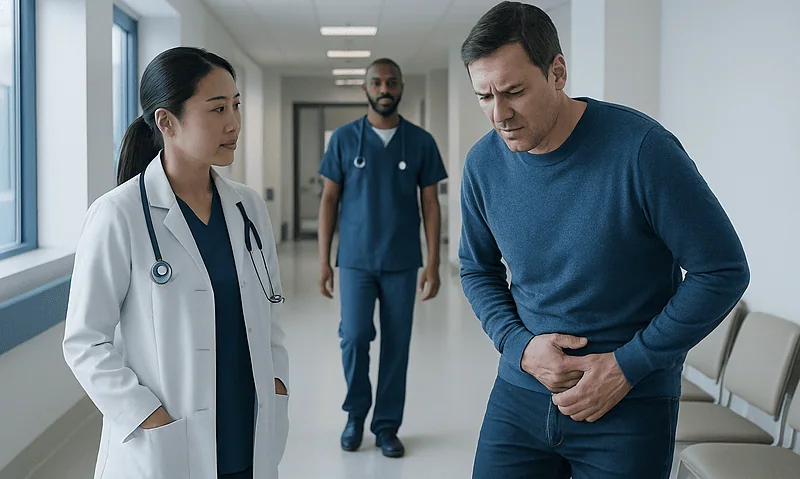
Cancer Second Opinion: When It Helps and How to Prepare

A cancer second opinion is common and can be helpful at any stage of care. It may confirm the original plan or suggest different tests, staging, or treatment options.
Key Takeaways
- A cancer second opinion is common and can be helpful at any stage of care.
- It may confirm the original plan or suggest different tests, staging, or treatment options.
- Patients should gather pathology reports, imaging, medication lists, and questions before the visit.
- Seeking another opinion usually does not offend the first doctor and can support shared decision-making.
- A second opinion may be especially useful for rare cancers, complex surgery, or major treatment changes.
A cancer second opinion can help confirm the diagnosis, review staging, and compare treatment options before care begins or changes. For many people, it brings reassurance, clearer information, and more confidence in decision-making.
Overview
A cancer second opinion means asking another qualified specialist to review a diagnosis, stage, or treatment plan. This is a routine part of cancer care for many patients. It can be requested soon after diagnosis, before starting treatment, during treatment if the plan is not working as expected, or when cancer returns.
In many cases, the second doctor agrees with the first recommendation. Even then, the process can still be valuable because it helps patients better understand their condition and feel more confident about moving forward. If the second opinion differs, it may open the door to other approaches, such as a different type of surgery, radiation strategy, systemic therapy, or additional testing.
Cancer care often involves several specialists, including medical oncologists, surgical oncologists, radiation oncologists, pathologists, and radiologists. A second opinion may include review by one specialist or by a multidisciplinary team. This can be especially helpful when diagnosis or treatment is complex, or when the cancer is uncommon.
When a Cancer Second Opinion Can Help
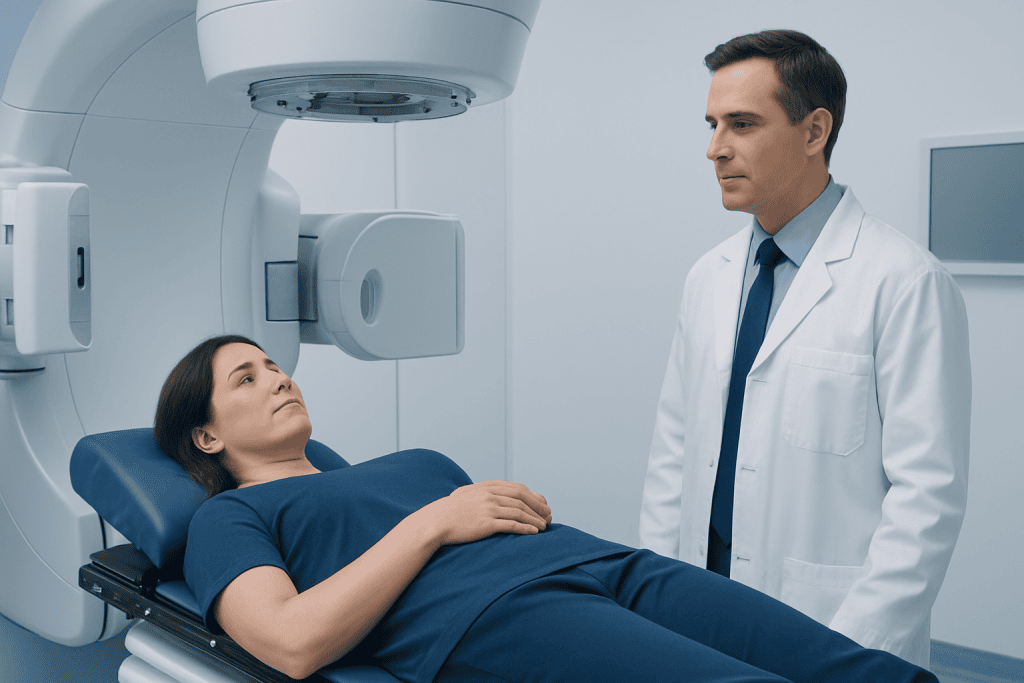
A second opinion can help at many points in the cancer journey. It is often most useful after a new diagnosis, when treatment options are very different from one another, or when the recommended treatment may have major long-term effects. Patients sometimes seek another opinion when they want more explanation, more time to think, or access to a center with specific expertise.
It may be particularly useful in situations such as:
- a rare cancer or an unusual tumor subtype
- uncertain pathology or imaging findings
- questions about the cancer stage
- a recommendation for major surgery or combined treatment
- cancer that has returned or spread
- interest in clinical trials, precision medicine, or targeted therapies
- concern about balancing treatment benefits and side effects
Second opinions can also help when a patient has other medical conditions that may affect treatment choices. For example, age, heart disease, kidney disease, fertility concerns, or previous cancer treatment may change what is safest and most appropriate. Another team may suggest ways to adapt care without reducing its goals.
In some cases, the most important benefit is emotional clarity. Cancer decisions can feel overwhelming, and hearing the same message from two expert teams often brings reassurance. If the recommendations differ, patients can ask why and make a more informed decision based on their own priorities.
What a Second Opinion Usually Reviews
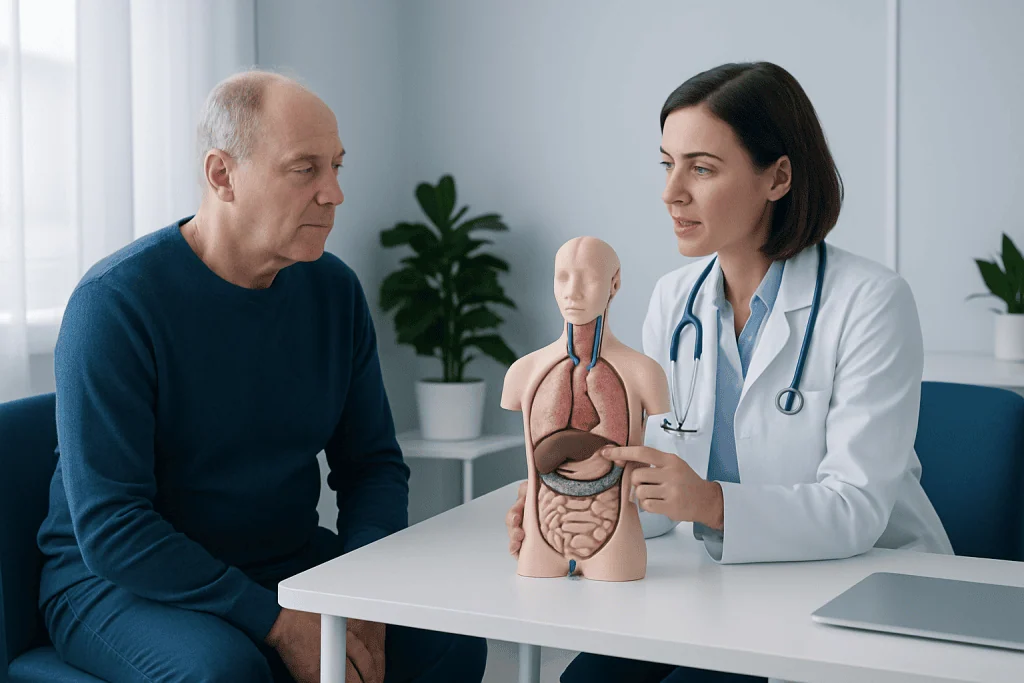
A second opinion is more than a brief conversation. The specialist may review pathology slides, imaging scans, blood test results, genetic or molecular testing, and details about symptoms and overall health. In cancer care, very small details can matter, and a careful review may refine the diagnosis or change staging.
Pathology review is often one of the most important parts. The pathologist identifies the exact cancer type and features that guide treatment. For some tumors, a second pathology review may confirm whether a growth is cancer, identify a specific subtype, or show markers that affect treatment decisions. Imaging may also be re-read to better understand tumor size, spread, or treatment response.
The specialist may discuss whether more tests would be useful before treatment begins. This might include advanced imaging, additional biopsies, or molecular profiling. In some situations, a patient may be referred for PET-CT imaging or a biopsy review or repeat biopsy if important questions remain unanswered.
Finally, the doctor usually reviews the treatment plan in context. This includes expected benefits, likely side effects, timing, recovery, and how treatment could affect daily life. When appropriate, the discussion may also include options such as chemotherapy or radiation therapy as part of a broader plan.
How to Prepare for a Cancer Second Opinion
Good preparation helps the visit go smoothly and makes the discussion more useful. Patients should try to gather all relevant medical records in advance. This usually includes pathology reports, copies of imaging studies on disc or secure digital transfer, blood test results, clinic notes, operative reports, and a list of current medicines and allergies.
It can also help to prepare a short summary of the cancer story so far. This may include when symptoms began, what tests have been done, what diagnosis was given, and whether any treatment has already started. Bringing a family member or trusted friend can be valuable because the amount of information can be difficult to absorb alone.
Questions are an important part of preparation. Many patients find it helpful to write them down before the appointment. Useful questions may include:
- Do you agree with the diagnosis and stage?
- Are any additional tests needed?
- What treatment options are available, and what are the goals of each?
- What are the likely side effects and recovery expectations?
- How quickly does treatment need to begin?
- Are there clinical trials or specialized approaches to consider?
Patients do not need to feel they are being disloyal by seeking another view. Most cancer specialists understand that second opinions are a normal part of high-quality care. Asking the original team for records or test copies is standard and can save time.
What to Expect During the Appointment
At the visit, the specialist usually starts by reviewing the diagnosis, symptoms, previous tests, and personal health history. The doctor may ask detailed questions about general health, prior illnesses, family history, and treatment goals. A physical examination may also be done, depending on the cancer type and the reason for the consultation.
The discussion often focuses on three main areas: whether the diagnosis is correct, whether the cancer stage is accurate, and whether the treatment plan is the best fit for the individual. Sometimes the answer is straightforward. In other cases, the doctor may need time to review pathology slides or scans, discuss the case at a tumor board, or request additional tests.
Patients should expect clear explanations in plain language. This may include why one option is preferred over another, whether treatment should begin soon, and which side effects are most important to plan for. If recommendations differ from the original plan, it is reasonable to ask what evidence or experience supports the difference.
After the appointment, the second-opinion doctor usually provides a written summary. Patients can share this with their original oncology team and decide whether to continue care where they started or transfer treatment. In many cases, the second opinion supports coordination between teams rather than replacing one doctor with another.
Possible Outcomes and How to Decide
There are several common outcomes after a second opinion. The new specialist may fully agree with the original diagnosis and treatment plan. This can be reassuring and help patients move ahead with greater confidence. Another possibility is partial agreement, where the overall approach is similar but details such as timing, testing, or treatment sequence are adjusted.
Sometimes the second opinion leads to a meaningful change. This could include a different cancer subtype, a revised stage, a recommendation for less or more intensive treatment, or a different order of therapies. For some people, the new team may suggest access to highly specialized surgery, reconstruction, fertility preservation, or clinical trials not previously discussed.
When deciding what to do next, patients may want to consider:
- the goals of treatment, such as cure, control, or symptom relief
- the expected benefits and risks of each option
- how treatment may affect quality of life, work, travel, and family responsibilities
- the experience of the treating center with that specific cancer
- whether the recommended plan feels understandable and acceptable
If the two opinions differ, patients can ask both doctors to explain the reasons. In some situations, a third opinion can also be appropriate. What matters most is that the final plan is medically sound and aligned with the patient’s needs, values, and preferences.
Practical Considerations, Support, and When to Seek Help Quickly
While planning a second opinion, patients should also think about practical details. These may include insurance approval, travel logistics, language support, how records will be transferred, and whether treatment can start locally after expert review. If care is being considered abroad, it is helpful to ask how follow-up will be coordinated once the patient returns home.
Emotional support is also important. Waiting for more information can be stressful, but support from family, friends, counselors, patient navigators, or cancer support groups can make the process easier. Writing down key points during appointments and asking for written summaries can help patients and families remember what was discussed.
Even while seeking another opinion, urgent symptoms should not be ignored. A patient should contact their doctor promptly for problems such as severe pain, trouble breathing, high fever, dehydration, new confusion, uncontrolled bleeding, or sudden weakness. These symptoms need timely medical assessment, whether or not a second opinion is planned.
Many people also want expertise from a center that offers coordinated cancer care. Near the end of the decision process, some patients choose evaluation at hospitals with multidisciplinary oncology teams. Acibadem International’s JCI-accredited hospitals provide diagnosis and treatment for international patients through specialist review and coordinated care planning.
Frequently asked questions
Is it normal to get a second opinion after a cancer diagnosis?
Yes. A cancer second opinion is common and widely accepted in modern cancer care. Many people seek one to confirm the diagnosis, better understand treatment choices, or feel more confident before starting therapy.
Will getting a second opinion delay cancer treatment?
Not always, and in many cases the review can be arranged quickly. A short delay to confirm the diagnosis or plan may be worthwhile, but urgent cancers may need faster decisions, so timing should be discussed with a doctor.
What records should a patient bring to a cancer second opinion?
Helpful records include pathology reports, imaging studies, blood test results, clinic notes, operation reports, and a list of current medicines. If available, copies of pathology slides or tissue samples may also be requested for review.
Can a second opinion change the diagnosis or stage?
Yes, sometimes it can. A new review of pathology, scans, or molecular testing may clarify the cancer type or stage, which can affect treatment recommendations.
What if the second doctor recommends a different treatment?
Different recommendations do not necessarily mean one doctor is wrong. Cancer care often involves more than one reasonable approach, and patients can ask each specialist to explain the reasoning, benefits, and risks before deciding.
Does seeking a second opinion mean the patient must change doctors?
No. Many patients get a second opinion and continue treatment with their original team. Others decide to transfer part or all of their care if the second center offers a treatment or expertise that better fits their needs.
References
- National Cancer Institute
- American Society of Clinical Oncology
- National Comprehensive Cancer Network
- World Health Organization
- European Society for Medical Oncology
This article is for general information only and is not a substitute for professional medical advice. Please consult a qualified doctor about your individual situation.
Oncology care in Turkey — second opinion and treatment plan
JCI-accredited · board-certified surgeons · reply within 24h
Add us as a Preferred Source to see more of our trusted health content across Google Search, AI Overviews and Discover.