Cancer Treatment: Early Signs, Risk Factors, and How It Is Treated
Cancer treatment is not one single therapy; it is a personalized plan based on cancer type, stage, and patient needs. Early signs of cancer can be subtle and vary by organ, so persistent unexplained changes should be assessed by a doctor.
Key Takeaways
- Cancer treatment is not one single therapy; it is a personalized plan based on cancer type, stage, and patient needs.
- Early signs of cancer can be subtle and vary by organ, so persistent unexplained changes should be assessed by a doctor.
- Common risk factors include age, tobacco use, alcohol, obesity, family history, infections, radiation exposure, and some environmental or workplace exposures.
- Diagnosis usually involves imaging, laboratory tests, and a biopsy to confirm the cancer type and guide treatment.
- Modern cancer treatment may combine surgery, radiation, chemotherapy, immunotherapy, targeted therapy, or hormone therapy.
- Regular screening, healthy lifestyle habits, and timely medical evaluation can improve the chance of early detection.
Cancer treatment is tailored to the type of cancer, its stage, and the person's overall health. It may include surgery, chemotherapy, radiation therapy, targeted therapy, immunotherapy, hormone therapy, or a combination of approaches, with the goal of curing cancer, controlling it, or easing symptoms.
Overview: what cancer treatment involves
Cancer treatment refers to the medical care used to remove, destroy, shrink, or control cancer cells. The right plan depends on several factors, including where the cancer started, whether it has spread, how fast it is growing, and the person’s general health. In many cases, treatment begins only after careful testing confirms the exact cancer type.
There is no single best treatment for all cancers. Some people are treated with one main approach, such as surgery, while others benefit from a combination of therapies. Doctors may recommend treatment to cure the cancer, reduce the chance of it returning, slow its growth, or relieve symptoms and support quality of life.
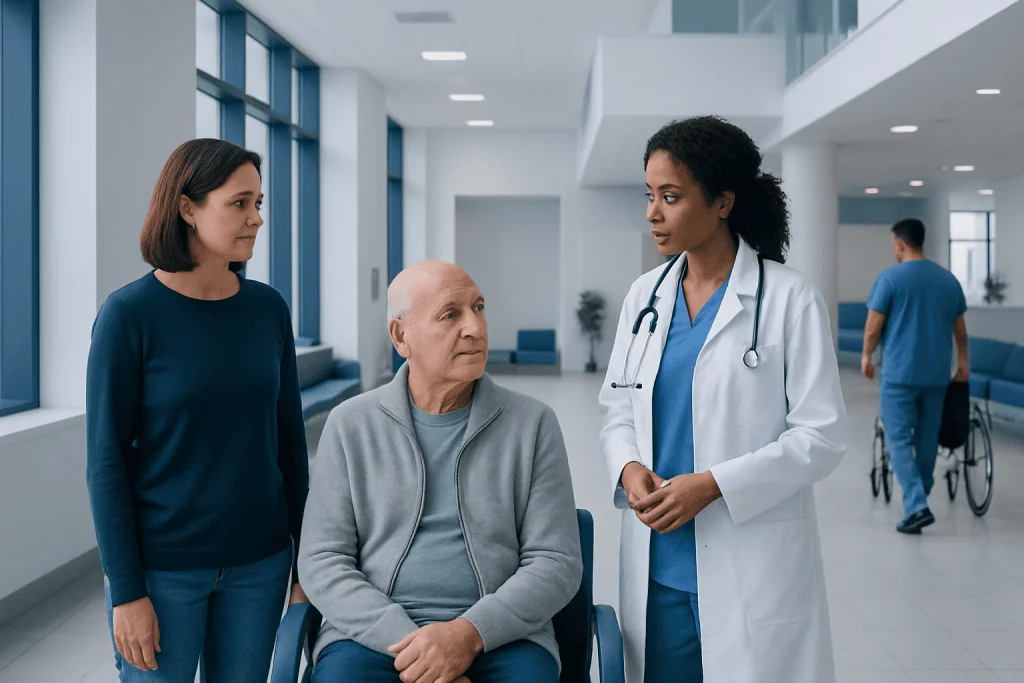
Modern oncology care often involves a multidisciplinary team. This may include medical oncologists, radiation oncologists, surgeons, pathologists, radiologists, nurses, and other specialists who work together to build an individualized plan. This team-based approach helps match treatment choices to the biology of the cancer and the person’s goals and preferences.
Early signs and symptoms to watch for
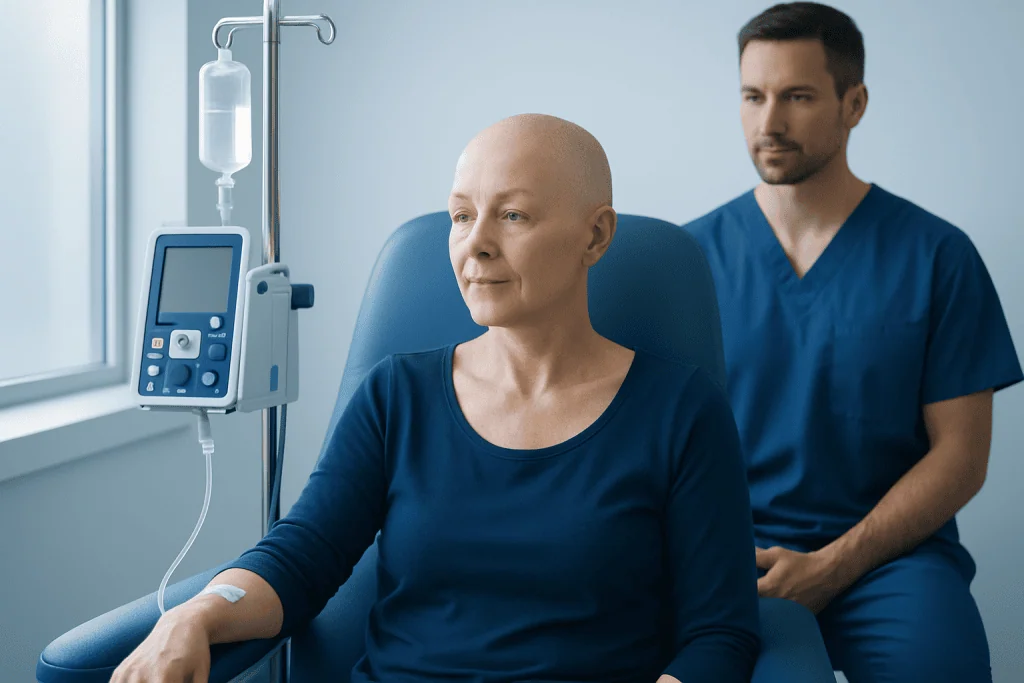
Early signs of cancer are often vague and can overlap with many non-cancerous conditions. That is why persistent symptoms deserve attention, especially when they are new, unexplained, or steadily worsening. In some cases, cancer causes no symptoms at all in the early stages and is found through screening or tests done for another reason.
Warning signs vary depending on the organ involved, but common symptoms may include:
- Unexplained weight loss
- Persistent fatigue or weakness
- A lump, swelling, or thickening anywhere in the body
- Changes in bowel or bladder habits
- Ongoing cough, hoarseness, or shortness of breath
- Unusual bleeding or discharge
- Difficulty swallowing or persistent indigestion
- Skin changes, including a changing mole or a sore that does not heal
- Persistent pain without a clear cause
Some symptoms are linked more closely with specific cancers. For example, blood in the stool or ongoing abdominal changes may raise concern for colon cancer, while a breast lump or nipple changes may need evaluation for breast cancer. Most symptoms are not caused by cancer, but checking them early can help doctors rule out serious conditions or diagnose cancer when it is more treatable.
Causes and risk factors
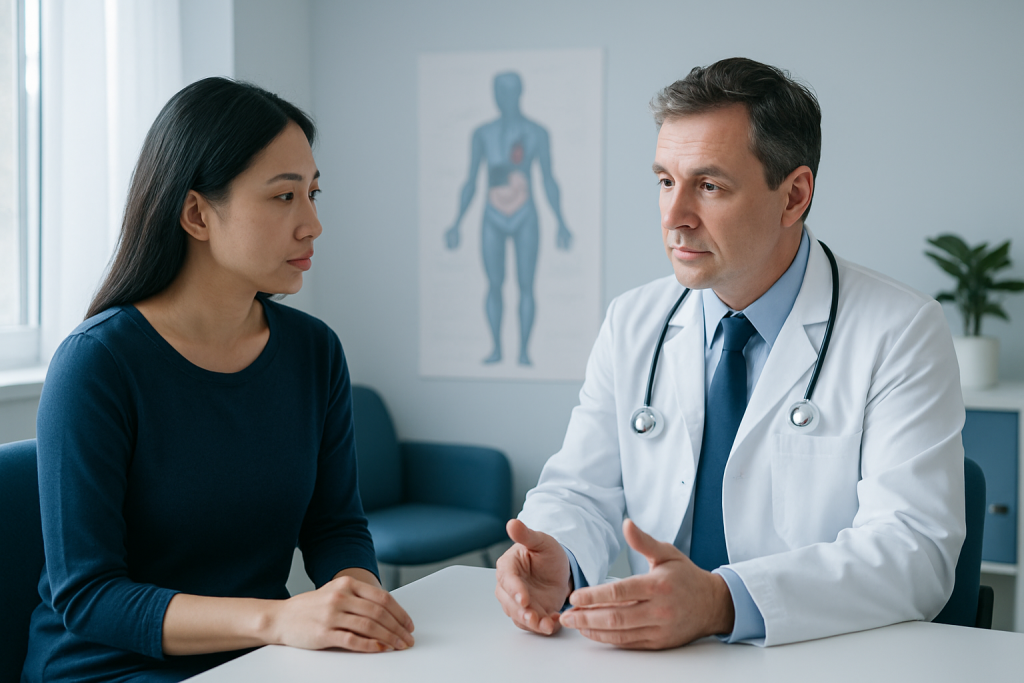
Cancer develops when cells grow and divide in an uncontrolled way. This usually happens after changes, called mutations, build up in the genes that regulate cell growth. These mutations may happen over time as part of aging, or they may be influenced by inherited factors, lifestyle, infections, and environmental exposures.
Several well-established risk factors can increase the chance of developing cancer. Smoking and other tobacco exposure are among the most important. Heavy alcohol use, excess body weight, low physical activity, poor diet, prolonged sun exposure, and some workplace chemicals also play a role in certain cancers. Infections such as human papillomavirus, hepatitis B, hepatitis C, and Helicobacter pylori can contribute to specific types.
Family history matters too, but it does not mean cancer is unavoidable. Some people inherit gene changes that increase risk, while others develop cancer without any clear inherited cause. Age is another major factor because many cancers become more common later in life. Understanding risk factors can support prevention and may help doctors decide when screening or genetic counseling should be considered.
How cancer is diagnosed and staged
Diagnosis usually begins with a medical history, physical examination, and tests based on the symptoms or screening results. A doctor may request blood tests, urine tests, or imaging studies such as ultrasound, mammography, CT, MRI, or PET scans. These tests can show an abnormal area, but they usually cannot confirm cancer on their own.
In most cases, a biopsy is needed to make a definite diagnosis. During a biopsy, a sample of tissue or cells is taken and examined under a microscope by a pathologist. This helps identify the cancer type, grade, and sometimes the molecular features that guide treatment decisions. Some cancers also require specialized testing to look for hormone receptors, genetic mutations, or proteins that may respond to targeted treatment.
After diagnosis, doctors determine the stage of the cancer. Staging describes how large the cancer is and whether it has spread to lymph nodes or other organs. Staging is essential because it helps estimate prognosis and supports treatment planning. Depending on the situation, patients may also need a biopsy procedure or advanced PET-CT imaging as part of the diagnostic process.
Cancer treatment options
Cancer treatment is chosen according to the cancer’s type, stage, molecular features, location, and the person’s overall condition. The main treatment types include surgery, radiation therapy, chemotherapy, targeted therapy, immunotherapy, hormone therapy, stem cell transplant for selected blood cancers, and supportive or palliative care. Many people receive more than one treatment, either at the same time or in sequence.
Surgery is often used when the cancer is localized and can be removed. Cancer surgery may be curative on its own or combined with other treatments to lower the risk of recurrence. Radiation therapy uses high-energy beams to destroy cancer cells in a specific area, while chemotherapy uses medicines that circulate through the body to kill fast-growing cells.
Targeted therapy and immunotherapy are more precise approaches used for certain cancers. Targeted drugs act on specific genetic or molecular features of cancer cells. Immunotherapy helps the immune system recognize and attack cancer more effectively. Hormone therapy is commonly used for cancers that depend on hormones, such as some breast and prostate cancers. Doctors may also recommend chemotherapy or radiation therapy before surgery to shrink a tumor or after treatment to reduce the chance of return.
Supportive care is an important part of cancer treatment at every stage. It may include pain control, nutritional support, treatment for nausea, emotional support, rehabilitation, and help managing treatment side effects. The goal is to support comfort, function, and daily life during and after treatment.
Prevention, screening, and self-care
Not all cancers can be prevented, but many risk factors can be reduced. Avoiding tobacco, limiting alcohol, staying physically active, maintaining a healthy weight, protecting the skin from ultraviolet exposure, and eating a balanced diet can all support long-term health. Vaccination against infections such as HPV and hepatitis B also lowers the risk of some cancers.
Screening plays a major role in finding certain cancers early, sometimes before symptoms begin. Depending on age, sex, family history, and personal risk, doctors may recommend tests such as mammography, cervical screening, colonoscopy, low-dose CT for selected smokers, or other evaluations. Following recommended screening schedules can improve the chances of detecting cancer when treatment is more effective.
Self-care during and after cancer treatment is also important. Patients may benefit from good nutrition, regular light activity as advised by their doctor, adequate sleep, and support for stress or anxiety. It helps to keep track of symptoms, attend follow-up appointments, and ask questions about side effects, fertility, work, travel, or long-term survivorship planning.
When to seek medical care
Medical advice should be sought if symptoms last more than a few weeks, return repeatedly, or do not have a clear explanation. A person should also arrange an evaluation for a new lump, unexplained bleeding, persistent change in bowel habits, trouble swallowing, a changing skin lesion, or significant unexplained weight loss. These symptoms do not always mean cancer, but they deserve professional assessment.
People with a strong family history of cancer, known inherited cancer syndromes, or previous cancer treatment may need earlier or closer follow-up. Prompt medical care is also important if side effects develop during cancer treatment, such as fever, severe vomiting, dehydration, breathing difficulty, or uncontrolled pain. In these situations, timely advice can help protect safety and improve comfort.
For international patients who need evaluation or treatment planning, Acibadem International offers multidisciplinary cancer care in JCI-accredited hospitals, with specialists experienced in diagnosis, imaging, surgery, systemic therapies, and supportive care.
Frequently asked questions
What is the most common cancer treatment?
There is no single most common cancer treatment for every person. Surgery, chemotherapy, and radiation therapy are widely used, but the best option depends on the cancer type, stage, and individual health needs. Many patients receive a combination of treatments.
Can cancer be treated successfully if found early?
Many cancers are more treatable when found early, before they grow large or spread. Early diagnosis can expand treatment options and may improve outcomes. This is one reason screening and timely evaluation of symptoms are important.
Does cancer treatment always mean chemotherapy?
No. Cancer treatment does not always involve chemotherapy. Some cancers are treated mainly with surgery, radiation therapy, hormone therapy, targeted therapy, immunotherapy, or careful monitoring, depending on the situation.
How do doctors choose the right cancer treatment?
Doctors look at the cancer's location, stage, grade, and molecular features, along with the person's age, general health, and preferences. Test results such as biopsy findings and imaging are central to this decision. Multidisciplinary team review is often used to create a personalized plan.
What are common side effects of cancer treatment?
Side effects vary by treatment but can include fatigue, nausea, hair loss, appetite changes, skin irritation, low blood counts, pain, or bowel changes. Not everyone experiences the same effects, and many side effects can be prevented or managed. Patients should report symptoms early so their care team can help.
Can lifestyle changes help during cancer treatment?
Yes, healthy habits can support overall well-being during treatment. Good nutrition, gentle physical activity when appropriate, sleep, hydration, and emotional support may help with strength and recovery. Lifestyle changes should be discussed with the treating doctor to make sure they are safe for the individual.
References
- World Health Organization
- National Cancer Institute
- American Cancer Society
- Centers for Disease Control and Prevention
- National Comprehensive Cancer Network
This article is for general information only and is not a substitute for professional medical advice. Please consult a qualified doctor about your individual situation.
Oncology care in Turkey — second opinion and treatment plan
JCI-accredited · board-certified surgeons · reply within 24h
Add us as a Preferred Source to see more of our trusted health content across Google Search, AI Overviews and Discover.