Cancer Treatment in Turkey: Costs, Travel Planning, and Follow-Up Care

Cancer treatment in Turkey can include diagnosis, surgery, chemotherapy, radiotherapy, and supportive care, depending on the cancer type and stage. Total cost is influenced by the diagnosis, tests, treatment plan, hospital stay, medicines, and follow-up needs.
Key Takeaways
- Cancer treatment in Turkey can include diagnosis, surgery, chemotherapy, radiotherapy, and supportive care, depending on the cancer type and stage.
- Total cost is influenced by the diagnosis, tests, treatment plan, hospital stay, medicines, and follow-up needs.
- Travel planning should cover medical records, visas, accommodation, infection precautions, and support during recovery.
- Follow-up care is an essential part of cancer treatment and should be arranged before travel whenever possible.
- Patients should choose experienced oncology teams and ask for a clear written treatment and aftercare plan.
Cancer treatment in Turkey may be an option for some international patients seeking diagnosis, surgery, systemic therapy, radiotherapy, and follow-up care in a coordinated setting. Careful planning around costs, travel, medical records, and aftercare helps patients make informed, safe decisions.
Overview
Cancer treatment in Turkey is a topic many international patients explore when they need timely, organized oncology care. Depending on the diagnosis, treatment may include imaging, biopsy, surgery, chemotherapy, immunotherapy, targeted therapy, radiotherapy, and supportive services such as pain control, nutrition advice, and rehabilitation. The most suitable plan depends on the exact cancer type, stage, the patient’s overall health, and previous treatments.
For many people, the main questions are practical as well as medical: what treatment is available, how much it may cost, how long they may need to stay, and how follow-up will work after returning home. These are important questions because cancer care often happens in stages rather than in a single visit. A well-organized center will usually explain the treatment pathway, expected timelines, and which tests are needed before decisions are made.
Turkey has hospitals that provide multidisciplinary oncology care, meaning specialists from different fields review the case together. This can be helpful because cancer treatment often requires coordination between medical oncologists, radiation oncologists, surgeons, radiologists, pathologists, and supportive care teams. Patients benefit when all parts of treatment are planned in a connected way.
What Affects Costs
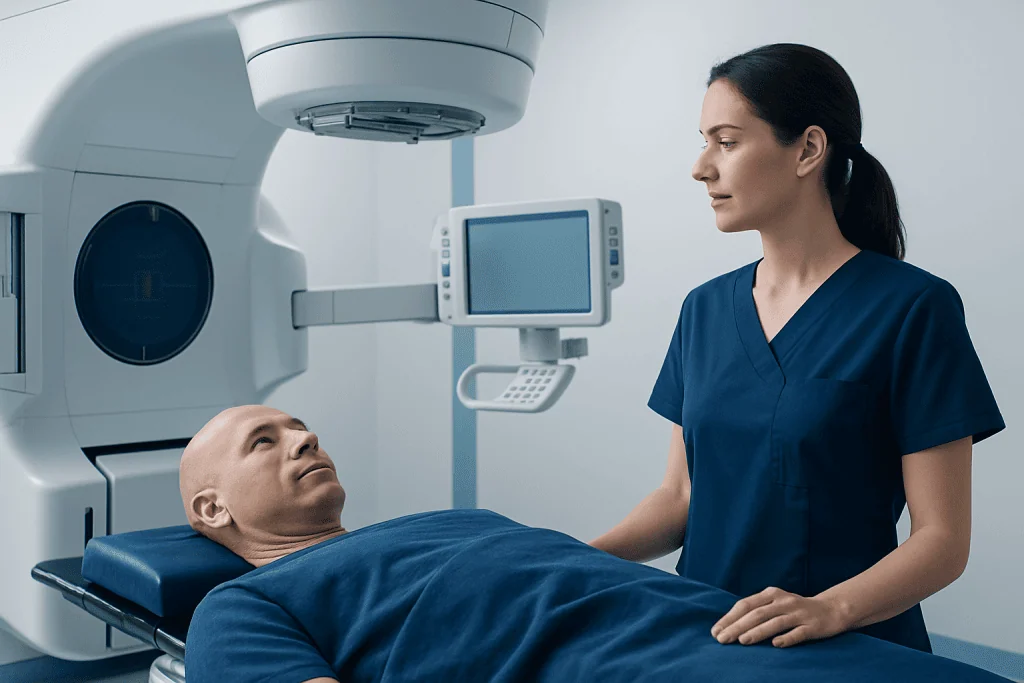
There is no single price for cancer treatment in Turkey because costs vary widely from one person to another. The biggest factors are the cancer type, stage, and treatment method. For example, a patient who needs a consultation and limited testing will have very different costs from someone who needs major surgery, several cycles of drug therapy, or a course of radiotherapy.
Diagnostic work-up can be a significant part of the overall expense. Costs may include specialist consultations, blood tests, pathology review, advanced imaging such as CT, MRI, or PET-CT, and sometimes genetic or molecular tests to guide treatment choices. If a patient already has test results from home, the treating team may still need to repeat some studies to confirm the diagnosis or assess the current stage of disease.
Treatment-related costs often include hospital fees, operating room charges, anesthesia, inpatient stay, medicines, infusion services, radiotherapy planning, and supportive care. Additional expenses may arise from managing side effects, treating infection, blood transfusions, or longer-than-expected recovery. Travel-related costs such as flights, accommodation, local transport, meals, and a companion’s stay should also be considered when planning a budget.
Patients are often helped by requesting a written estimate that separates expected medical costs from non-medical expenses. It is also wise to ask which items may change the final bill, such as extra testing, pathology findings, a longer admission, or a change in treatment strategy after the multidisciplinary review. Clear communication at the start can reduce uncertainty later.
Travel Planning Before Treatment
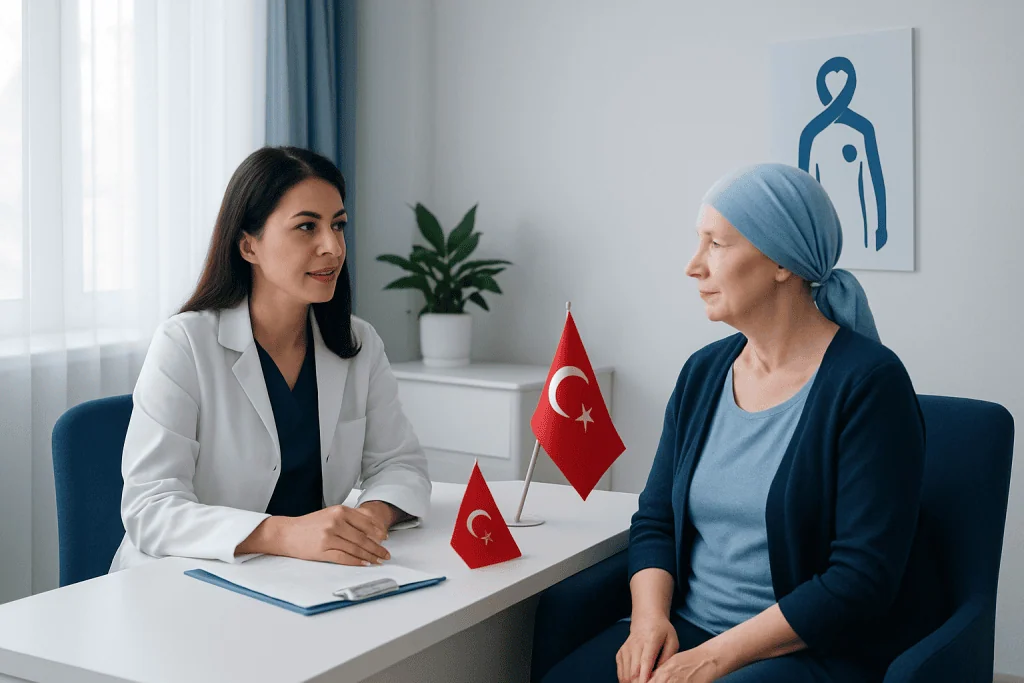
Travel planning begins with sharing complete medical information. Patients should prepare pathology reports, imaging discs and reports, operation notes, blood test results, and a current list of medicines and allergies. If these records are not in English or Turkish, certified translations may be useful. Bringing an organized medical file helps the oncology team review the case quickly and may avoid unnecessary delays.
It is also important to confirm practical details before booking travel. These include the expected length of stay, whether a companion is recommended, what type of accommodation will be most suitable, and whether the patient may be fit to fly during or after treatment. Some people can travel for outpatient care, while others may need a longer local stay because of surgery, intensive therapy, or early recovery needs.
Before departure, patients should ask about vaccination advice, infection precautions, dietary restrictions, and travel insurance terms. They should also discuss any existing medical conditions such as diabetes, heart disease, or kidney problems, since these may affect treatment timing or recovery. If there is severe pain, breathlessness, fever, bleeding, or rapid decline, urgent local medical attention should come first rather than long-distance travel.
A simple planning checklist can help:
- Collect all medical records and imaging
- Confirm visa, passport, and travel dates
- Ask for a proposed treatment timeline
- Bring enough regular medicines in original packaging
- Arrange support for mobility, nutrition, and daily needs
- Clarify emergency contact details at the treating hospital
Diagnosis and Treatment Pathways
Many patients travel after receiving a diagnosis at home, but some still need confirmation tests before treatment starts. In oncology, treatment decisions rely on accurate staging and pathology. This may involve repeat imaging, pathology review, biopsy, or additional laboratory studies. Although repeating tests can feel frustrating, it can be necessary to ensure the treatment plan matches the current disease status.
Treatment may then include one or more approaches. Surgery may be used to remove a tumor, obtain tissue for diagnosis, or reduce symptoms in selected cases. Some patients may need cancer surgery as the first step, while others may begin with systemic therapy to shrink the disease before an operation. The sequence depends on the tumor type and the goals of care.
Drug treatment may include chemotherapy, targeted therapy, hormone therapy, or immunotherapy. These treatments are selected according to the biology of the cancer, prior treatments, and the patient’s general condition. Some people may also need chemotherapy in cycles over several weeks or months, which can affect the length of stay or require a shared-care arrangement with doctors at home.
Radiation treatment is another common part of cancer care. Modern radiotherapy usually requires careful planning scans and a scheduled series of sessions. In many cancers, treatment decisions are discussed by a tumor board so that specialists can agree on the most appropriate combination of therapies. This team-based approach can improve coordination, especially for complex diagnoses.
Follow-Up Care After Returning Home
Follow-up care is a core part of cancer treatment in Turkey and should never be treated as an afterthought. Good follow-up helps monitor recovery, manage treatment side effects, check laboratory results, review scan findings, and detect possible recurrence or progression. Because many international patients continue care in their home country, it is helpful to agree in advance on who will handle each part of follow-up.
Before leaving the hospital or treatment center, patients should ask for a discharge summary and a long-term care plan. This usually includes the confirmed diagnosis, pathology results, treatment received, medicines prescribed, warning signs to watch for, and the schedule for future visits, blood tests, or scans. If further treatment is needed, the team should explain whether it can safely continue at home or whether another visit may be required.
Follow-up may be done through a combination of local appointments and remote communication. Many patients need regular blood tests, imaging, wound care checks, or symptom reviews after surgery or systemic therapy. Some may require supportive services such as nutrition counseling, physiotherapy, pain management, or psychological support, especially if treatment has affected energy, appetite, or daily function.
When care is shared across countries, communication matters. Patients should keep copies of pathology reports, scan results, operation notes, and drug treatment summaries. This makes it easier for doctors at home to understand what has already been done and what needs to happen next. In selected cases, centers may also help coordinate bone marrow transplantation or other advanced oncology pathways that require especially close long-term monitoring.
Safety, Self-Care, and Questions to Ask
Self-care during cancer treatment includes rest, adequate fluid intake when appropriate, balanced nutrition, light movement if advised, and careful infection prevention. Patients should follow instructions about wound care, central lines, medicines, and food safety. Because immunity can be lower during some treatments, symptoms such as fever, chills, severe diarrhea, unusual bleeding, or shortness of breath should be reported promptly.
Emotional well-being is also important. Travel for cancer treatment can be physically and mentally demanding, especially when a patient is away from family support or managing uncertainty. Asking for help from oncology nurses, psycho-oncology teams, dietitians, social workers, and rehabilitation professionals can make treatment more manageable and may improve quality of life during recovery.
Useful questions to ask before committing to treatment abroad include:
- What exact diagnosis and stage has been confirmed?
- What treatment is recommended, and why?
- What tests must be done before treatment starts?
- How long is the expected stay in Turkey?
- What side effects or complications should be planned for?
- What costs are included, and what may change?
- How will follow-up be coordinated with doctors at home?
For international patients, hospitals with multidisciplinary specialists and JCI-accredited systems, including Acibadem International, may help organize diagnosis, treatment, and aftercare planning in a more coordinated way. Even so, each patient should make decisions based on medical need, clear communication, and advice from qualified doctors who know their case.
When to Seek Medical Advice Urgently
Anyone considering cancer treatment abroad should speak with a qualified oncologist before making travel plans. This is especially important if the diagnosis is new, the pathology is uncertain, or symptoms are getting worse. A specialist can help confirm whether travel is medically appropriate, how urgently treatment should begin, and what type of center is most suitable.
Urgent medical attention is needed if a patient develops severe pain, sudden weakness, confusion, uncontrolled vomiting, dehydration, high fever, breathing difficulty, chest pain, significant bleeding, or a rapidly enlarging swelling. These symptoms can signal complications from the cancer itself or from treatment and should not be delayed because of travel arrangements.
Patients already receiving treatment should also seek prompt advice if they cannot eat or drink, have signs of infection, develop a new rash after medicines, or notice unusual bruising. Fast assessment can prevent complications and improve comfort. Even after returning home, any new or concerning symptom should be discussed with the treating oncology team or a local doctor without delay.
Frequently asked questions
Is cancer treatment in Turkey suitable for all patients?
Not always. Suitability depends on the cancer type, stage, urgency, current symptoms, and whether the patient is fit to travel. A qualified oncologist should review the case before any medical trip is planned.
Why can the cost of cancer treatment vary so much?
Costs vary because cancer care is highly individualized. The final amount may depend on tests, pathology review, surgery, medicines, radiotherapy sessions, hospital stay, and any complications or supportive care needs.
What records should a patient bring when traveling for cancer care?
Patients should bring pathology reports, scan reports and image files, blood test results, previous treatment summaries, operation notes, and a medicine list. It also helps to include allergy information and translated documents if the originals are in another language.
Can follow-up be done after returning home?
Yes, in many cases follow-up can be shared between the treating center and local doctors. This works best when the patient leaves with a clear written treatment summary, a follow-up schedule, and instructions about warning signs and next steps.
How long do patients usually need to stay in Turkey for cancer treatment?
The length of stay depends on the treatment plan. Some patients may need only a short visit for consultation and planning, while others may need weeks for surgery recovery, radiotherapy sessions, or repeated drug treatments.
What questions should patients ask before choosing a hospital?
They should ask about the exact diagnosis, recommended treatment, expected timeline, likely side effects, team experience, and how aftercare will be organized. It is also reasonable to request a written estimate and clarification about what is included.
References
- World Health Organization
- National Cancer Institute
- American Cancer Society
- European Society for Medical Oncology
- NHS
This article is for general information only and is not a substitute for professional medical advice. Please consult a qualified doctor about your individual situation.
Oncology care in Turkey — second opinion and treatment plan
JCI-accredited · board-certified surgeons · reply within 24h
Add us as a Preferred Source to see more of our trusted health content across Google Search, AI Overviews and Discover.