Cancer Treatment in Turkey: What International Patients Should Expect

Cancer treatment in Turkey is typically planned by a multidisciplinary oncology team. International patients usually need pathology reports, imaging, and a clear medical summary before travel.
Key Takeaways
- Cancer treatment in Turkey is typically planned by a multidisciplinary oncology team.
- International patients usually need pathology reports, imaging, and a clear medical summary before travel.
- Treatment may include surgery, chemotherapy, radiotherapy, targeted therapy, immunotherapy, and supportive care.
- Practical planning should cover visas, accommodation, translation, treatment timelines, and follow-up after returning home.
- Patients benefit from asking about diagnosis confirmation, expected side effects, treatment goals, and continuity of care.
Cancer treatment in Turkey can include advanced diagnostics, surgery, chemotherapy, radiotherapy, and supportive care within multidisciplinary cancer centers. For international patients, understanding the treatment pathway, travel planning, and follow-up process can help make care more organized and less stressful.
Overview
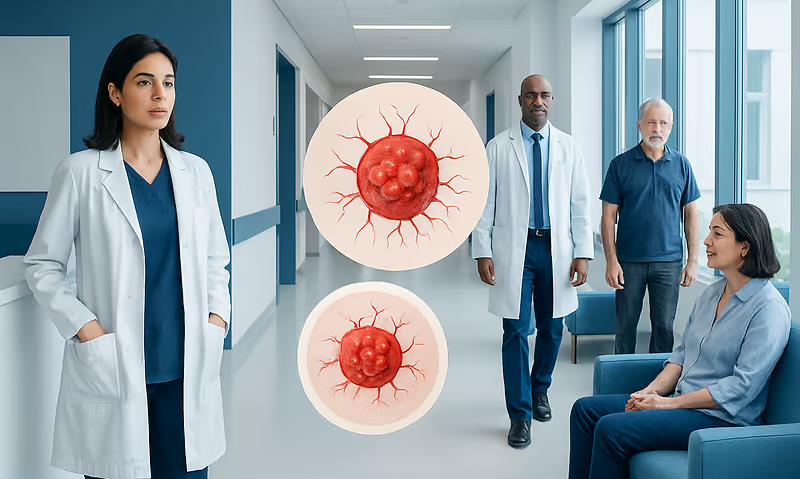
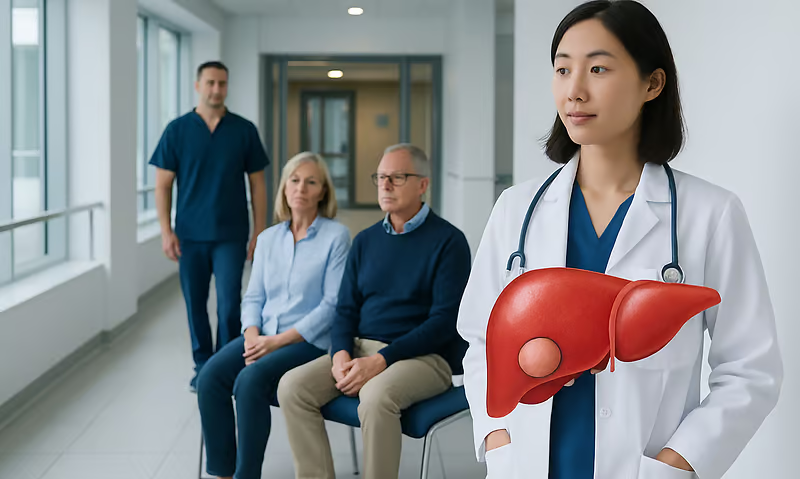
Cancer treatment in Turkey is often delivered through comprehensive oncology centers that bring together specialists in medical oncology, radiation oncology, surgical oncology, pathology, radiology, nuclear medicine, and supportive care. For international patients, this team-based approach can help organize each stage of care, from confirming the diagnosis to planning treatment and follow-up.
The exact experience depends on the type of cancer, its stage, the patient’s general health, and whether the person is seeking a first treatment plan, a second opinion, or ongoing care. Some patients travel for surgery, others for radiotherapy, systemic treatment such as chemotherapy or immunotherapy, or a combination of therapies. Many also need supportive services such as nutrition counseling, pain management, rehabilitation, and psychosocial support.
Before starting treatment, doctors usually review previous test results and may repeat some investigations to confirm important details. This is common in oncology because treatment decisions depend heavily on accurate pathology, staging, and overall health assessment. A clear understanding of the care pathway can help international patients feel more prepared and confident as they make decisions.
What International Patients Should Expect Before Travel
Preparation usually begins with sharing medical records for review. Helpful documents often include pathology reports, biopsy slides or tissue blocks if available, imaging reports and scans, blood test results, treatment summaries, medication lists, and information about allergies or other health conditions. If any reports are not in English, translations may be needed to support a smooth review.
Many hospitals provide a remote pre-assessment before travel. During this stage, the oncology team may explain whether additional tests are likely on arrival, how long the first evaluation may take, and whether treatment can begin quickly or only after further review. Patients should also ask whether a second pathology opinion is recommended, since this can affect the diagnosis and treatment plan.
Travel planning is also an important part of cancer care abroad. Patients may need to arrange a visa, airport transfer, accommodation, and a companion for support, especially if they expect surgery or intensive treatment. It is also wise to discuss insurance coverage, estimated length of stay, and whether the patient will be fit to fly during or after treatment.
Practical questions to clarify before departure include:
- Which documents should be sent in advance?
- Will any tests need to be repeated after arrival?
- How long will diagnosis confirmation and treatment planning take?
- Will an interpreter be available if needed?
- What support is offered for follow-up after returning home?
Diagnosis and Treatment Planning
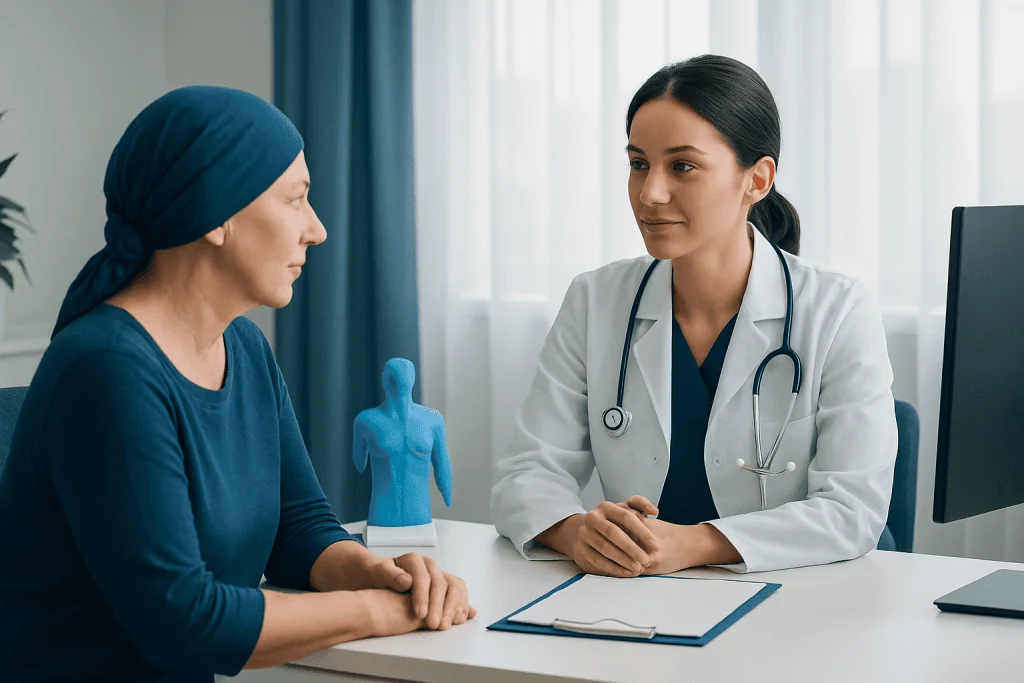
Once in Turkey, the first step is often a detailed consultation with the oncology team. Doctors review symptoms, prior treatments, pathology findings, scan results, and the patient’s general health. If earlier results are incomplete or unclear, further blood tests, imaging, endoscopy, or biopsy may be recommended. In some situations, a pathology re-evaluation is especially important because the cancer subtype determines the best therapy.
Staging is a key part of cancer care. It shows how far the cancer has spread and helps guide treatment goals. Depending on the cancer type, staging may involve CT, MRI, PET-CT, ultrasound, bone scans, or other specialized tests. This process helps the team decide whether the main aim is cure, long-term control, symptom relief, or preparation for a specific treatment such as surgery.
Many cases are discussed in a multidisciplinary tumor board. In this setting, specialists review the case together and agree on a personalized treatment strategy. This may include one treatment or a sequence of treatments, for example surgery followed by chemotherapy, or chemotherapy combined with radiotherapy. The patient should expect a discussion of benefits, possible side effects, timing, and alternatives before consenting to care.
Common Cancer Treatment Options in Turkey
The treatment plan depends on the cancer type and stage. Surgery may be used to remove a tumor, confirm a diagnosis, reduce tumor burden, or treat complications. In selected cases, minimally invasive approaches may be possible, while other patients need more complex operations with a period of hospital recovery. If surgery is part of care, patients should ask about expected length of stay, possible drains or tubes, pain control, and recovery milestones.
Systemic therapies treat cancer cells throughout the body. These include chemotherapy, targeted therapy, hormone therapy, and immunotherapy. Not every patient is suitable for every medicine, and treatment choice may depend on molecular or genetic testing. Doctors usually explain how treatment is given, how often it is repeated, which side effects are common, and what monitoring is needed between cycles.
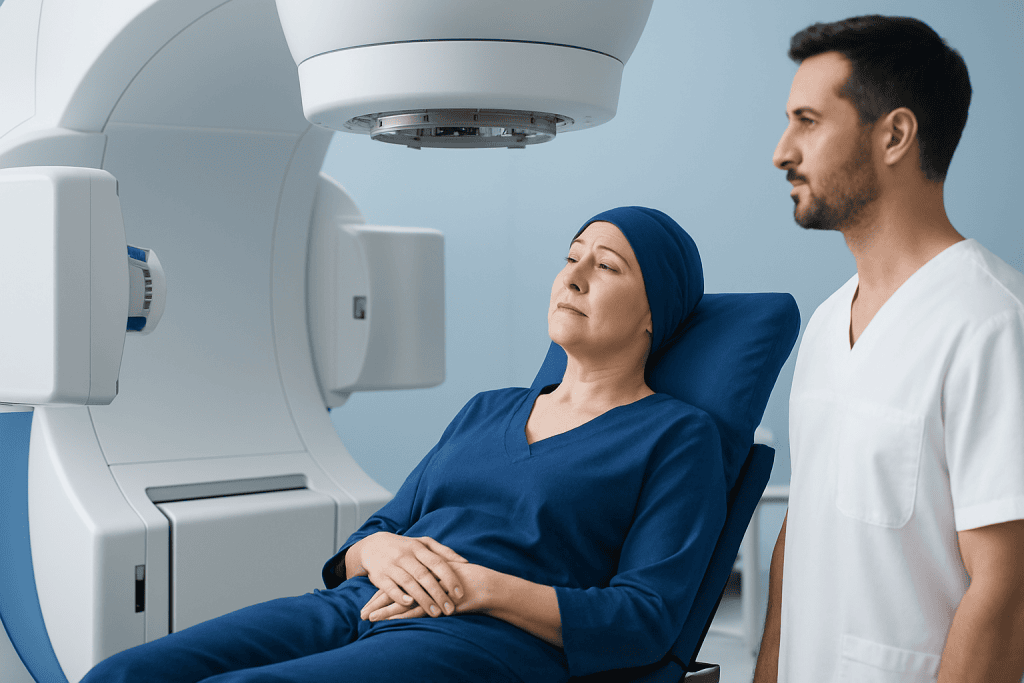
Radiotherapy is often used to destroy cancer cells in a targeted area. It may be given alone or with other treatments before or after surgery, or to relieve symptoms such as pain or bleeding. Planning typically includes imaging and careful mapping so that the radiation dose reaches the tumor while limiting exposure to nearby healthy tissues.
Some patients may need combinations of therapies over time. For example, surgery can be followed by chemotherapy or radiotherapy, while advanced cancers may require long-term systemic treatment and supportive care. In certain cases, bone marrow transplantation or other highly specialized care may be considered, but this depends on the specific diagnosis and overall condition.
Supportive Care, Side Effects, and Recovery
Cancer care is not only about treating the tumor. Supportive care helps patients manage symptoms, maintain strength, and improve quality of life during treatment. This may include pain control, anti-nausea treatment, nutritional support, psychological counseling, infection prevention, and rehabilitation. These services are important whether treatment aims to cure the cancer or to control it over time.
Side effects vary widely depending on the treatment used. Surgery may cause fatigue, pain, limited mobility, or a wound-healing period. Chemotherapy can lead to nausea, reduced appetite, low blood counts, hair loss with some drugs, or increased infection risk. Radiotherapy may cause tiredness or irritation in the treated area. Many side effects can be reduced or managed when patients report symptoms early.
Recovery can be gradual, and timelines differ between individuals. Some patients can return to daily activities within days, while others need weeks or longer, especially after major surgery or combined therapies. Rest, hydration, adequate nutrition, and follow-up visits are all part of recovery. Patients should ask for clear written instructions before leaving the hospital or infusion center.
Patients should seek urgent medical advice if they develop fever, difficulty breathing, severe vomiting, dehydration, uncontrolled pain, heavy bleeding, confusion, or a sudden decline in general condition. Early attention to complications can make treatment safer and more effective.
Practical Considerations for International Patients
One of the most important practical issues is treatment timing. Some patients can travel for an initial assessment and start treatment quickly, but others may need extra pathology review or staging first. For complex cancer care, it is helpful to think in terms of phases: evaluation, treatment, recovery, and follow-up. Understanding this sequence can help with accommodation planning and family support.
Communication also matters. International patients should expect to discuss consent forms, test results, treatment schedules, and possible side effects in a language they understand. It is reasonable to ask for interpreter support and written treatment summaries. These records are especially important when the patient returns home and needs coordination with a local doctor.
Follow-up planning should start before treatment ends. Patients may need blood tests, scan reviews, wound checks, medication adjustments, or advice about symptoms after travel. In many cases, some follow-up can be done remotely while routine monitoring continues locally. If the diagnosis is related to a specific cancer type such as breast cancer or lung cancer, the team may outline a longer surveillance plan based on standard oncology practice.
Acibadem International’s multidisciplinary specialists and JCI-accredited hospitals diagnose and treat cancer for international patients, with coordinated planning that may include cancer surgery and systemic or radiation-based care when appropriate.
Questions to Ask and When to Seek Medical Advice
Patients often feel more in control when they prepare questions in advance. Useful questions include: What is the exact diagnosis? What stage is the cancer? What is the main goal of treatment? Are there alternatives? What side effects are most likely, and which symptoms need urgent attention? Asking these questions can help patients understand both the medical plan and the practical impact on everyday life.
It is also important to ask about expected duration of treatment, likely need for hospital admission, possible impact on eating or mobility, and plans for follow-up after returning home. If pathology or imaging is being repeated, patients should ask why this is needed and whether it may change the treatment recommendation. Clear communication is a central part of safe cancer care.
Anyone considering cancer treatment abroad should seek prompt medical advice if symptoms are worsening, if there is rapid weight loss, uncontrolled pain, new bleeding, severe weakness, or signs of infection. People already diagnosed with cancer should not delay urgent evaluation for travel planning alone. Treatment choices are safest when guided by qualified oncology specialists who have full access to the patient’s medical information.
Frequently asked questions
Is cancer treatment in Turkey suitable for international patients?
Many international patients travel to Turkey for oncology care, especially when they need coordinated diagnostics, surgery, chemotherapy, radiotherapy, or a second opinion. Suitability depends on the cancer type, stage, general health, and whether travel is medically safe at that point.
What medical records should a patient bring?
Patients should usually bring pathology reports, biopsy materials if requested, imaging scans and reports, blood test results, treatment summaries, medication lists, and allergy information. Having organized records can speed up diagnosis confirmation and treatment planning.
Will the diagnosis be checked again after arrival?
Often, yes. Oncology teams may repeat some blood tests, imaging, or pathology review to confirm the cancer type and stage before finalizing treatment. This is a standard safety step and can influence which treatments are most appropriate.
What treatments are commonly available for cancer in Turkey?
Common options include surgery, chemotherapy, radiotherapy, targeted therapy, hormone therapy, immunotherapy, and supportive care. The exact combination depends on the specific cancer and the patient’s overall condition.
How long might an international patient need to stay?
Length of stay varies widely. A short stay may be enough for evaluation or certain procedures, while surgery, radiotherapy courses, or repeated chemotherapy cycles may require longer planning or more than one visit.
Can follow-up continue after the patient returns home?
In many cases, yes. Patients can often continue routine monitoring with a local doctor while receiving remote review of reports or advice from the treating oncology team. A written treatment summary helps make this process smoother and safer.
References
- World Health Organization
- National Cancer Institute
- American Cancer Society
- European Society for Medical Oncology
- National Comprehensive Cancer Network
This article is for general information only and is not a substitute for professional medical advice. Please consult a qualified doctor about your individual situation.
Oncology care in Turkey — second opinion and treatment plan
JCI-accredited · board-certified surgeons · reply within 24h
Add us as a Preferred Source to see more of our trusted health content across Google Search, AI Overviews and Discover.

Medical Oncology Department
Medical treatment of cancer with chemotherapy, immunotherapy and targeted therapies under a multidisciplinary tumor board.
60 specialists in this unit