Cancer Treatment Options: Surgery, Chemotherapy, Radiation, and More
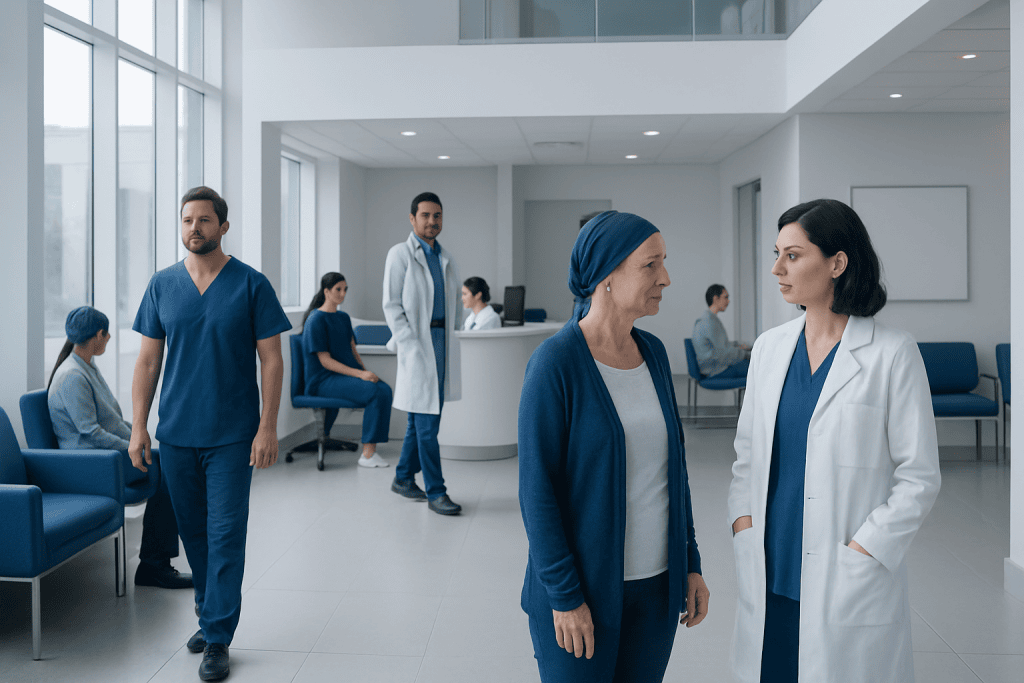
Cancer treatment options are tailored to the cancer type, stage, biology, and the patient’s general health. Common treatments include surgery, chemotherapy, radiation therapy, targeted therapy, immunotherapy, and hormone therapy.
Key Takeaways
- Cancer treatment options are tailored to the cancer type, stage, biology, and the patient’s general health.
- Common treatments include surgery, chemotherapy, radiation therapy, targeted therapy, immunotherapy, and hormone therapy.
- Many people receive a combination of treatments rather than just one approach.
- Supportive care helps manage symptoms and side effects during and after cancer treatment.
- Shared decision-making with an oncology team can help patients understand benefits, risks, and expected outcomes.
Cancer treatment options vary depending on the type of cancer, its stage, a person’s overall health, and treatment goals. Modern care often combines surgery, chemotherapy, radiation, targeted therapies, immunotherapy, and supportive treatments in a personalized plan.
Overview of Cancer Treatment Options
Cancer treatment options are the different medical approaches used to remove, destroy, control, or slow the growth of cancer. The most suitable treatment depends on several factors, including the type of cancer, where it started, whether it has spread, how aggressive it appears, and the person’s age and general health. Doctors also consider the goals of treatment, such as curing the cancer, controlling it for as long as possible, or easing symptoms and improving quality of life.
In many cases, cancer is treated by a team that may include medical oncologists, radiation oncologists, surgeons, pathologists, radiologists, and supportive care specialists. This multidisciplinary approach helps match treatment to the individual situation. Patients may hear terms such as local treatment, which targets a specific area, and systemic treatment, which works throughout the body.
It is also common for treatment plans to combine more than one method. For example, surgery may be followed by chemotherapy or radiation to reduce the risk of the cancer returning. In other situations, medicines may be given before surgery to shrink a tumor and make it easier to remove. This personalized planning is one of the most important parts of modern cancer care.
How Doctors Choose the Right Treatment
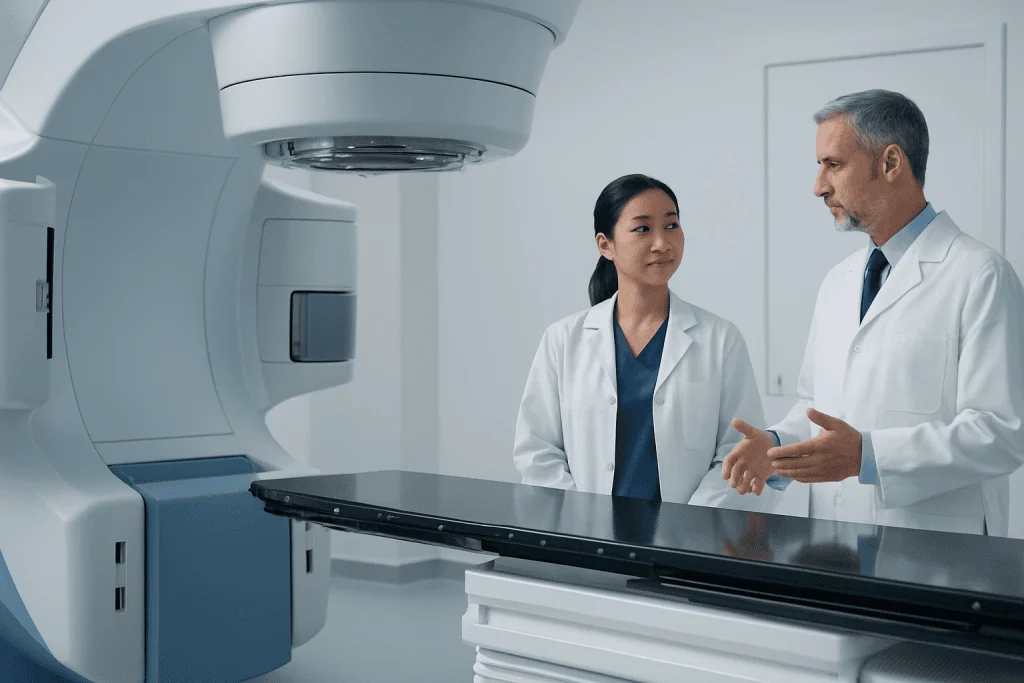
Choosing among cancer treatment options starts with a clear diagnosis. Doctors look at the exact cancer type, the stage of the disease, and certain biological features found in tumor cells. These features may include hormone receptors, protein markers, or genetic changes that can influence how the cancer behaves and which treatments are most likely to help.
The timing and purpose of treatment also matter. Some treatments are used as the main therapy, while others are given before the main treatment (neoadjuvant therapy) or after it (adjuvant therapy). For cancers that have spread, treatment may aim to control the disease, relieve symptoms, and help a person live as well as possible for as long as possible.
Doctors also consider possible side effects, fertility concerns, existing medical conditions, nutrition, and the patient’s preferences. For some people, preserving function, appearance, or independence is especially important. Open discussion with the care team can help patients understand their options, ask questions, and take part in decisions with confidence.
Surgery, Chemotherapy, and Radiation Therapy
Surgery is one of the oldest and most effective cancer treatment options, especially when the cancer is localized. The goal may be to remove the entire tumor along with a margin of healthy tissue, take out nearby lymph nodes, or relieve symptoms caused by blockage, bleeding, or pressure. Surgical techniques vary from traditional open operations to minimally invasive approaches. In selected cases, patients may be evaluated for robotic surgery to support precise tumor removal.
Chemotherapy uses medicines to kill cancer cells or stop them from dividing. Because it travels through the bloodstream, it can reach cancer cells throughout the body and is often used for cancers that have spread or may have spread microscopically. Chemotherapy may be given alone or together with other therapies. The exact drug combination, schedule, and duration depend on the specific cancer and treatment goal.
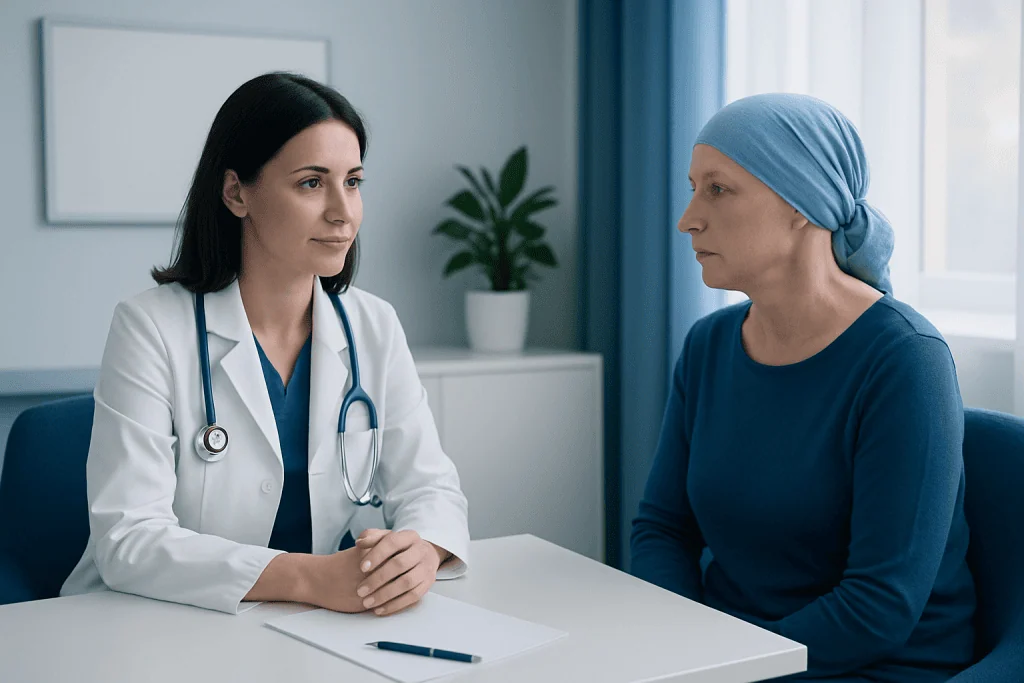
Radiation therapy uses high-energy beams to damage cancer cells in a targeted area. It may be used as the main treatment, before surgery to shrink a tumor, after surgery to lower the chance of recurrence, or to relieve symptoms such as pain or bleeding. Techniques such as radiation oncology planning aim to deliver treatment accurately while limiting exposure to nearby healthy tissue.
These three approaches are often combined. For example, a patient with a solid tumor may first receive chemotherapy or radiation, then undergo surgery, followed by additional treatment if needed. This coordinated use of therapies is common in many cancer care pathways.
Targeted Therapy, Immunotherapy, and Hormone Therapy
Targeted therapy is designed to act on specific molecules or pathways that help cancer cells grow and survive. Unlike traditional chemotherapy, which affects rapidly dividing cells more broadly, targeted therapy focuses on particular features of the tumor. This is why biomarker testing is often an important part of treatment planning. If the cancer has a targetable change, these medicines may be used alone or in combination with other treatments.
Immunotherapy helps the body’s own immune system recognize and attack cancer more effectively. It has changed treatment for some cancers, although it is not suitable for every type. Doctors may recommend immunotherapy based on the cancer’s biology, prior treatments, and overall health. Because it works by stimulating immune responses, it can cause different side effects from chemotherapy and needs careful monitoring.
Hormone therapy is used for cancers that depend on hormones to grow, such as some breast and prostate cancers. It may lower hormone levels in the body or block the cancer cells from using those hormones. Treatment may involve medicines, and in some cases surgery or other procedures. Depending on the situation, patients may also receive systemic cancer treatment through a medical oncology team that coordinates these advanced therapies.
- Targeted therapy is chosen based on tumor markers or gene changes.
- Immunotherapy may be helpful for selected cancers with specific immune-related features.
- Hormone therapy is mainly used for hormone-sensitive cancers.
- These treatments are often combined with surgery, chemotherapy, or radiation.
Other Treatments and Supportive Care
Some patients may need additional cancer treatment options beyond the main therapies. These can include stem cell or bone marrow transplantation for certain blood cancers, ablation techniques that destroy tumors with heat or cold, embolization procedures that cut off a tumor’s blood supply, or precision treatments guided by imaging. Clinical trials may also be an option, giving access to new therapies under close medical supervision.
Supportive care is an essential part of treatment at every stage. It focuses on preventing or easing symptoms, side effects, and emotional stress. This can include pain management, anti-nausea treatment, nutritional support, counseling, rehabilitation, and help with sleep or fatigue. Supportive care is not only for advanced cancer; it can improve comfort and function during curative treatment as well.
Palliative care is sometimes misunderstood. It does not mean stopping active treatment. Instead, it works alongside cancer therapy to improve quality of life. Patients and families often benefit when supportive services are introduced early rather than waiting until symptoms become severe.
Possible Side Effects and Recovery
Side effects vary widely depending on the treatment, the area of the body being treated, the dose or intensity of therapy, and the person’s overall health. Surgery may involve pain, temporary loss of function, fatigue, or recovery from anesthesia. Chemotherapy can cause tiredness, nausea, mouth sores, hair loss, low blood counts, or a higher risk of infection. Radiation therapy may lead to skin irritation, fatigue, and treatment-site-specific symptoms.
Targeted therapy, immunotherapy, and hormone therapy each have their own side effect patterns. For example, targeted medicines may affect the skin, blood pressure, or liver tests, while immunotherapy can sometimes trigger inflammation in organs because the immune system becomes overactive. Hormone therapy may cause menopausal-type symptoms, sexual side effects, or bone-related changes, depending on the medication.
Recovery is different for every person. Some side effects improve quickly after treatment ends, while others can last longer and need follow-up care. Patients should tell their team about any new or worsening symptoms rather than trying to cope alone. Early management often makes side effects easier to control and can help treatment stay on schedule.
Questions to Ask and When to Seek Medical Help
Learning about cancer treatment options can feel overwhelming, so it helps to prepare questions for the care team. Useful topics include the goal of treatment, expected benefits, possible side effects, treatment schedule, impact on daily life, fertility, work, travel, and what signs should prompt urgent contact. Understanding whether a treatment is meant to cure, control, or relieve symptoms can help set realistic expectations.
Patients should contact their doctor promptly if they develop a fever, trouble breathing, severe pain, confusion, heavy bleeding, dehydration, sudden swelling, persistent vomiting, or signs of infection during treatment. Any rapid change in how a person feels should be taken seriously, especially during chemotherapy or after major surgery.
Even after treatment ends, regular follow-up remains important. These visits may include physical examinations, blood tests, and imaging to monitor recovery, look for recurrence, and manage long-term effects. Near the end of the care journey, some international patients may choose centers such as Acibadem International, where multidisciplinary specialists in JCI-accredited hospitals diagnose and treat cancer using coordinated care pathways that may include PET-CT imaging when clinically appropriate.
Frequently asked questions
What are the main cancer treatment options?
The main cancer treatment options include surgery, chemotherapy, radiation therapy, targeted therapy, immunotherapy, and hormone therapy. Many patients receive a combination of these treatments based on the type and stage of cancer.
How do doctors decide which cancer treatment is best?
Doctors consider the cancer type, stage, location, tumor biology, and the patient’s overall health and preferences. They also look at the goal of care, such as cure, disease control, or symptom relief.
Can cancer be treated without surgery?
Yes, some cancers are treated primarily with chemotherapy, radiation therapy, immunotherapy, targeted therapy, or hormone therapy. Surgery is most useful for many localized solid tumors, but it is not necessary or appropriate in every case.
What is the difference between chemotherapy and targeted therapy?
Chemotherapy generally attacks rapidly dividing cells throughout the body, including cancer cells. Targeted therapy works on specific molecules or genetic changes in tumor cells, so it is used when testing shows that the cancer has a suitable target.
Does radiation therapy make the body radioactive?
External beam radiation therapy does not make the body radioactive after treatment. In some special internal radiation treatments, doctors provide specific safety instructions, but these situations are managed carefully by the treatment team.
Are side effects the same for every cancer treatment?
No, side effects differ depending on the treatment type, dose, treatment area, and the person receiving it. Many side effects can be prevented or reduced with supportive care, so patients should report symptoms early.
References
- World Health Organization
- National Cancer Institute
- American Cancer Society
- National Comprehensive Cancer Network
- European Society for Medical Oncology
This article is for general information only and is not a substitute for professional medical advice. Please consult a qualified doctor about your individual situation.
Chemotherapy in Turkey — costs, top hospitals & a free quote
JCI-accredited · board-certified surgeons · reply within 24h
Add us as a Preferred Source to see more of our trusted health content across Google Search, AI Overviews and Discover.

Medical Oncology Department
Medical treatment of cancer with chemotherapy, immunotherapy and targeted therapies under a multidisciplinary tumor board.
60 specialists in this unit