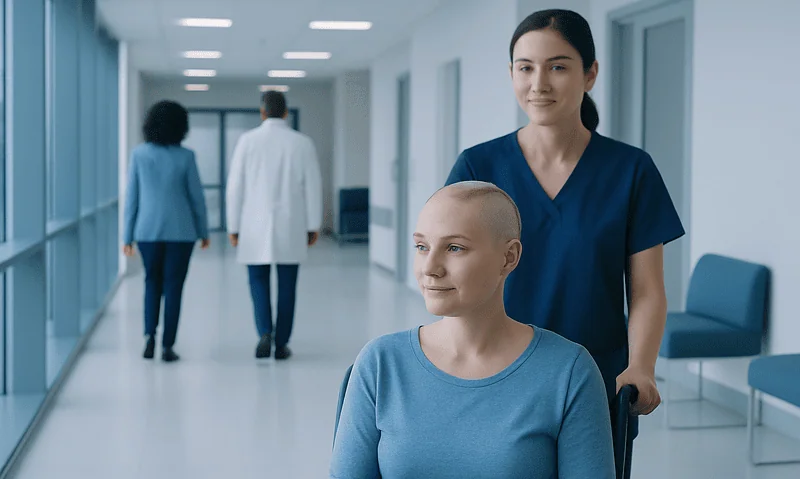
Cancer Treatment Plan: How It Works, Results and What to Expect
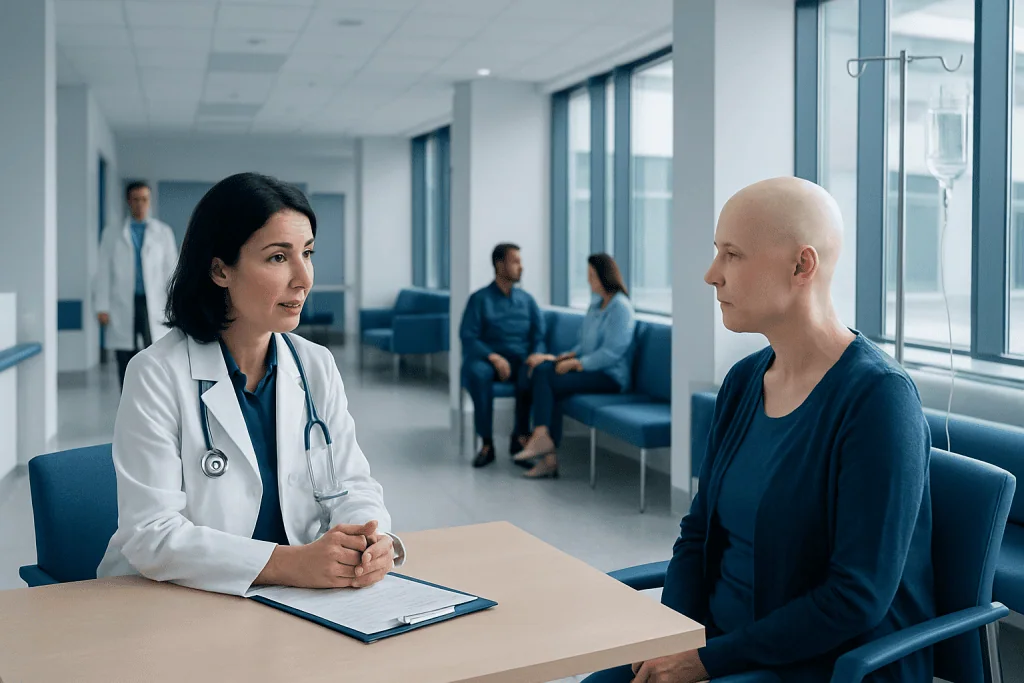
A cancer treatment plan is based on the cancer type, stage, biology, location and the person’s overall health and priorities. Treatment may include surgery, radiation therapy, systemic medicines, active surveillance or a carefully planned combination.
Key Takeaways
- A cancer treatment plan is based on the cancer type, stage, biology, location and the person’s overall health and priorities.
- Treatment may include surgery, radiation therapy, systemic medicines, active surveillance or a carefully planned combination.
- Multidisciplinary review helps coordinate expertise from medical, surgical and radiation oncology and other specialties.
- The plan can change when test results, treatment response, side effects or personal preferences make adjustments appropriate.
- Patients should receive clear information about goals, expected benefits, risks, practical needs and whom to contact between appointments.
A cancer treatment plan is a personalized roadmap created by an oncology team after diagnosis. It outlines the goals of care, recommended treatments, their order and timing, possible side effects, supportive services and follow-up arrangements.
Overview: What Is a Cancer Treatment Plan?
A cancer treatment plan is a written and discussed approach to managing cancer. It brings together information from pathology, imaging, laboratory testing and clinical assessment to explain what treatment may be recommended, why it is being considered and what the next steps are. The plan is individualized; two people with the same named cancer may need different care because their cancer characteristics and health needs differ.
The plan usually states the treatment goal. Depending on the situation, this may be to cure the cancer, reduce the chance of recurrence after initial treatment, control cancer growth, relieve symptoms or maintain quality of life. A treatment plan is not a fixed contract: it can be updated as new test results become available or as the person’s needs and response to treatment become clearer.
In many cases, planning starts with a multidisciplinary discussion. Medical oncologists, surgeons, radiation oncologists, radiologists, pathologists, specialist nurses and supportive-care professionals may contribute. This coordinated approach helps ensure that treatment steps are sequenced safely and that the person understands what to expect.
How a Cancer Treatment Plan Is Developed
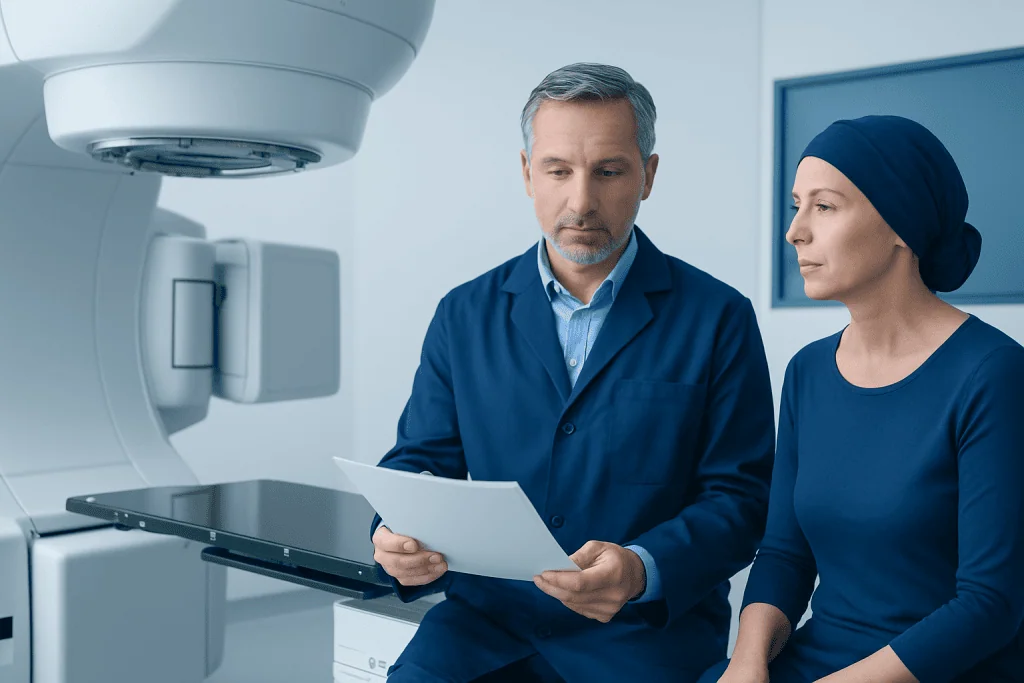
The first step is confirming the diagnosis. A biopsy and pathology report identify the cancer type and, where relevant, its grade and biological features. Imaging studies may show the cancer’s size, location and whether it has spread. Blood tests, genetic or molecular tumor testing, and other assessments may provide additional information that affects treatment choices.
The oncology team then considers the cancer stage, tumor biology, symptoms, previous treatments and the person’s age, general health, organ function and medicines. Personal priorities also matter. For example, a person may wish to discuss fertility preservation, work and caregiving responsibilities, travel, symptom control or the possible effect of treatment on daily activities.
Some cancers have several evidence-based treatment pathways. The team should explain the options in understandable terms, including what is known about likely benefit, possible harms and uncertainties. Clinical trials may be discussed when appropriate, as they can offer access to carefully monitored new approaches while helping advance cancer care.
- Diagnostic details: cancer type, stage, grade and molecular findings where relevant.
- Treatment goal: cure, risk reduction, disease control or symptom relief.
- Care sequence: which treatment comes first and how long each phase may take.
- Support needs: nutrition, pain management, rehabilitation, mental health and practical support.
Who May Need Treatment and What Options Are Considered

Most people with a confirmed cancer diagnosis benefit from an individualized oncology assessment, but not everyone needs immediate active treatment. For selected slow-growing cancers, active surveillance or watchful waiting may be the safest initial approach. This means regular monitoring with appointments, tests or imaging, with treatment started if there is evidence that it is needed.
When active treatment is recommended, it may involve one method or several. Surgery can remove a tumor and nearby tissue. Radiation therapy uses precisely directed radiation to damage cancer cells. Systemic treatments circulate through the body and include chemotherapy, immunotherapy, hormone therapy, targeted therapy and, in some settings, cellular therapies. The appropriate option depends on the disease and its individual features.
Combination treatment is common. For example, systemic treatment may be given before surgery to shrink a tumor, after surgery to reduce recurrence risk, or alongside radiation in particular situations. The team will also consider whether a person is medically fit for a procedure or medicine and whether adjustments can make treatment safer. Related cancer conditions may require similarly tailored planning, including breast cancer and prostate cancer.
The Treatment Journey: Step by Step
After the initial consultation, the care team may arrange additional staging tests, specialist opinions or pre-treatment assessments. Before surgery, this can include anesthesia evaluation and instructions about eating, medicines and recovery at home. Before systemic therapy, blood tests and sometimes heart, lung or infection screening may be needed. Before radiation therapy, planning scans and positioning measurements help target treatment accurately.
Once the plan is agreed, the team schedules treatment and provides practical information. Patients should know where appointments will take place, how frequently visits may occur, what preparations are required and which symptoms need urgent attention. A designated contact number or oncology nurse can help patients raise concerns between visits.
During treatment, clinicians monitor symptoms, examination findings and test results. They may adjust timing, supportive medicines or treatment intensity when side effects occur. Such changes do not necessarily mean treatment has failed; they are often a routine part of delivering care as safely as possible. Depending on the cancer type, treatment may include chemotherapy, radiation therapy or cancer surgery.
At key points, the team reviews progress with imaging, laboratory tests or pathology results. After active treatment, a survivorship or follow-up plan may describe future checkups, monitoring, rehabilitation, healthy lifestyle measures and late effects to watch for. Follow-up schedules differ substantially by cancer type and treatment received.
Expected Benefits, Risks and Recovery Timeline
The expected benefit of treatment depends on the cancer and the treatment goal. In some cases, treatment can remove or eradicate cancer. In others, it can lower the likelihood of cancer returning, slow progression, reduce tumor-related symptoms or help a person live more comfortably. The oncology team should explain the purpose of each component rather than presenting all treatment as having the same expected outcome.
Every treatment can have side effects. Surgery may involve pain, bleeding, infection, blood clots, wound healing issues or changes in body function, depending on the operation. Radiation can cause fatigue and localized effects in the treated area. Systemic therapies may cause fatigue, nausea, infection risk, neuropathy, skin changes, bowel changes or immune-related inflammation, although side effects vary greatly by medicine and person.
Recovery is also individual. Recovery after an outpatient treatment may be measured in hours or days, while recovery from major surgery can take weeks or longer. Chemotherapy, immunotherapy and radiation are often delivered over weeks or months, with energy levels and daily routines changing during and after care. Some effects resolve soon after treatment, while others need ongoing monitoring or rehabilitation.
Supportive care is an important part of the plan, not an optional extra. It may include anti-nausea treatment, pain management, nutrition support, physical therapy, counseling, sexual health care, social work and palliative care. Palliative care can be provided at any stage of a serious illness alongside cancer-directed treatment and focuses on symptoms, well-being and informed decision-making.
Preparing for Treatment and Supporting Recovery
Patients can prepare by bringing a current list of medicines, supplements, allergies and previous medical conditions to appointments. It is helpful to ask for copies of pathology reports, imaging reports and the written treatment plan. Before treatment begins, people may wish to arrange transportation, help at home, leave from work or school, and support for children or dependents.
Nutrition, hydration, sleep and gentle movement can support general well-being, but they do not replace prescribed cancer treatment. Patients should ask their team before taking vitamins, herbal products or other complementary therapies, as some can interact with cancer medicines, anesthesia or radiation. Avoiding tobacco and limiting alcohol where appropriate can support overall health and recovery.
Emotional responses to a diagnosis and treatment decisions are common. Speaking with trusted family members, a counselor, a support group, a specialist nurse or a social worker may help. People are encouraged to ask questions and to request clarification when information feels overwhelming; a family member or friend can attend appointments and take notes if desired.
Acibadem International’s multidisciplinary specialists and JCI-accredited hospitals support international patients with cancer diagnosis, treatment coordination and follow-up planning.
When to Seek Medical Care
Patients should contact their oncology team promptly if new or worsening symptoms develop during treatment or recovery. Important concerns may include a fever, chills, shortness of breath, chest pain, uncontrolled vomiting, severe diarrhea, unusual bleeding, sudden confusion, a painful swollen limb, severe rash, dehydration, or pain that is not controlled by the agreed plan. The team can advise whether urgent assessment is needed.
Emergency medical care is appropriate for severe breathing difficulty, chest pain, fainting, signs of stroke, heavy bleeding, a severe allergic reaction or any rapidly worsening symptom. People receiving chemotherapy or other treatments that lower infection-fighting blood cells should follow their care team’s specific instructions about fever and possible infection without delay.
Outside of urgent symptoms, patients should request a review if they do not understand the plan, feel their goals have changed, are struggling with side effects, or would like a second opinion. A clear conversation can help ensure that the treatment plan continues to reflect both medical evidence and the person’s preferences.
Frequently asked questions
What should be included in a cancer treatment plan?
A cancer treatment plan commonly includes the diagnosis, stage and treatment goal, along with recommended treatments and their order. It should also cover expected timing, possible side effects, supportive care, follow-up testing and contact details for the care team. The amount of detail may vary according to the cancer type and treatment setting.
Can a cancer treatment plan change after it starts?
Yes. Plans may change because of new pathology or imaging results, how the cancer responds, side effects or a change in the person’s health and preferences. Adjusting a plan is a normal part of personalized cancer care and should be discussed clearly with the oncology team.
How long does it take to receive a cancer treatment plan?
The timeline varies. Some cancers require prompt treatment, while others allow time for further tests, specialist review and discussion of options. The team will explain which tests are needed and when a treatment decision is expected.
Is a second opinion appropriate for a cancer diagnosis?
A second opinion can be helpful, especially when treatment choices are complex, the diagnosis is uncommon or a major procedure is being considered. It may confirm the proposed approach or identify another reasonable option. Seeking another opinion should not be viewed as a lack of trust in the original team.
What is the difference between palliative care and end-of-life care?
Palliative care focuses on relieving symptoms, supporting quality of life and helping with decision-making at any stage of cancer. It can be given alongside treatment intended to cure or control cancer. End-of-life care is a type of care used when a person is approaching the final stage of life.
How can a patient prepare questions for an oncology appointment?
Patients may ask about the goal of treatment, available alternatives, expected benefits, risks, timing and impact on everyday life. They can also ask about fertility, work, nutrition, symptom support and who to call outside appointment hours. Writing questions down and bringing a support person can make discussions easier.
References
- National Cancer Institute
- American Society of Clinical Oncology
- World Health Organization
- European Society for Medical Oncology
- National Comprehensive Cancer Network
This article is for general information only and is not a substitute for professional medical advice. Please consult a qualified doctor about your individual situation.
Oncology care in Turkey — second opinion and treatment plan
JCI-accredited · board-certified surgeons · reply within 24h
Add us as a Preferred Source to see more of our trusted health content across Google Search, AI Overviews and Discover.