Cancer Treatment Recovery: What Side Effects Are Normal and When to Call the Doctor

Fatigue, mild nausea, appetite changes, sleep disruption, and temporary bowel changes are common during cancer treatment recovery. A fever, shortness of breath, chest pain, uncontrolled vomiting, confusion, or signs of dehydration should be reported promptly.
Key Takeaways
- Fatigue, mild nausea, appetite changes, sleep disruption, and temporary bowel changes are common during cancer treatment recovery.
- A fever, shortness of breath, chest pain, uncontrolled vomiting, confusion, or signs of dehydration should be reported promptly.
- Recovery differs by treatment type, cancer type, age, overall health, and whether surgery, chemotherapy, radiation, immunotherapy, or targeted therapy were used.
- Good hydration, nutrition, rest, gentle activity, and careful symptom tracking can support recovery at home.
- Patients should follow their care team's instructions closely and ask for help early rather than waiting for symptoms to worsen.
Cancer treatment recovery can bring a mix of expected side effects and symptoms that need medical attention. Knowing what is commonly normal, what may signal a complication, and when to contact a doctor can help patients recover more safely and confidently.
Overview of cancer treatment recovery
Cancer treatment recovery is the period when the body heals and adjusts after treatments such as surgery, chemotherapy, radiation therapy, immunotherapy, hormone therapy, or targeted therapy. During this time, many people notice side effects that are uncomfortable but expected. Others may develop symptoms that suggest infection, dehydration, blood count changes, or another complication that needs medical advice.
Recovery does not look the same for everyone. Some side effects begin during treatment and improve gradually after it ends, while others appear later or last longer than expected. A person’s experience depends on the type of cancer, the treatment used, the part of the body treated, and their general health before treatment started.
It can help to think of recovery as a process rather than a single moment. Energy levels may improve slowly, appetite may come and go, and emotional ups and downs are common. Clear guidance from the care team can make this period more manageable and help patients know when a symptom is likely to be part of healing and when it needs prompt attention.
What side effects are often normal after cancer treatment?
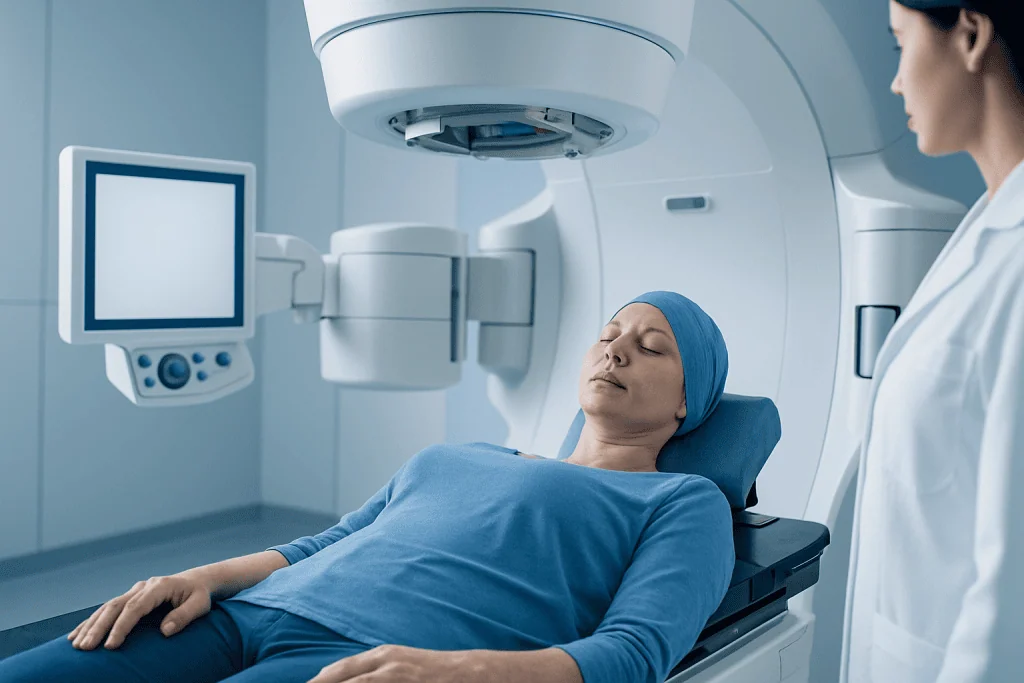
Many side effects during cancer recovery are common and improve with time, supportive care, or simple adjustments at home. Fatigue is one of the most frequent symptoms. It is often deeper than ordinary tiredness and may not fully improve with one night’s sleep. Mild nausea, changes in taste, lower appetite, constipation or diarrhea, and disturbed sleep are also common, especially after chemotherapy or radiation therapy.
Pain or tenderness may happen after surgery, radiation, or certain medicines, but it should usually improve rather than steadily worsen. Skin changes such as redness, dryness, sensitivity, or darkening can happen in areas treated with radiation. Mouth soreness, mild numbness or tingling in the hands and feet, temporary hair loss, and changes in concentration or memory may also occur in some patients.
Emotional symptoms can be part of normal recovery as well. Anxiety, irritability, low mood, or feeling overwhelmed are not unusual after intensive treatment. Some people feel relief that treatment is over but also worry about recurrence or struggle with the change in routine. These feelings deserve attention and support, even when they are not medical emergencies.
- Commonly expected side effects include fatigue, mild nausea, appetite changes, and sleep problems.
- Temporary bowel changes, skin irritation, mouth soreness, and post-treatment discomfort are also frequent.
- Symptoms that are mild, stable, and gradually improving are often part of normal recovery.
What influences recovery and side effects?

The type of treatment received has a major effect on recovery. Surgery may lead to pain, swelling, limited movement, and wound-healing needs. Chemotherapy can affect blood counts, digestion, nerves, hair, and energy levels. Radiation therapy often causes side effects in the area treated, such as skin irritation, sore throat, bowel symptoms, or bladder irritation depending on where the radiation was directed.
Newer treatments can have different patterns of side effects. Immunotherapy may trigger inflammation in organs such as the lungs, liver, intestines, skin, or hormone glands. Targeted therapies can cause rashes, diarrhea, blood pressure changes, or liver-related effects. These reactions are not always immediate, which is why patients should continue monitoring symptoms even after active treatment sessions are complete.
Other factors also matter. Age, nutrition, kidney and liver function, chronic conditions such as diabetes or heart disease, infection risk, and emotional stress can all affect how quickly someone recovers. Combination treatment plans may increase side effects. A person recovering from cancer may also need extra support if they have lost weight, become less active, or developed anemia during treatment.
Warning signs that mean a doctor should be called
Some symptoms should never be ignored during cancer treatment recovery. Fever is especially important, because cancer treatments can lower the body’s ability to fight infection. A temperature that the care team has specifically told the patient to report should be treated as urgent. Chills, shaking, new cough, painful urination, redness around a wound, or sudden weakness may also point to infection and should be discussed promptly.
Other warning signs include shortness of breath, chest pain, severe or increasing pain, confusion, fainting, new one-sided weakness, severe headache, uncontrolled vomiting, or diarrhea that does not improve. These symptoms may suggest dehydration, blood clots, medication side effects, or problems affecting the heart, lungs, or nervous system. Bleeding that does not stop, black stools, or large unexplained bruises also require timely medical guidance.
Patients should also contact their doctor if they cannot keep fluids down, stop passing urine normally, develop swelling in one leg, or notice a rapidly worsening rash. It is better to call early than to wait and hope a serious symptom will pass. The care team can help decide whether home care is enough, whether the patient should be seen in clinic, or whether urgent assessment is needed.
- Call promptly for fever, chills, signs of infection, or redness around a surgical site.
- Seek urgent advice for breathing trouble, chest pain, confusion, or sudden weakness.
- Persistent vomiting, severe diarrhea, dehydration, unusual bleeding, or uncontrolled pain also need medical review.
How doctors assess symptoms during recovery
When a patient reports symptoms after cancer treatment, doctors usually begin by asking detailed questions about when the symptom started, whether it is getting better or worse, and what other symptoms are present. A review of current medicines, recent treatments, fluid intake, appetite, and bowel or bladder habits often helps identify likely causes. Physical examination may focus on the lungs, heart, skin, mouth, abdomen, or any recent surgical site.
Tests are chosen based on the symptoms. Blood tests may check white blood cells, hemoglobin, platelets, kidney function, liver function, salts, and signs of inflammation or infection. Imaging studies such as X-rays, ultrasound, CT, or MRI may be needed if the care team suspects a blood clot, pneumonia, bowel problem, or another complication. Sometimes cultures, urine tests, or stool tests are helpful.
This assessment is important because symptoms can have more than one cause. Fatigue, for example, might be due to treatment itself, but it can also relate to anemia, dehydration, pain, poor sleep, thyroid changes, infection, or emotional distress. In some cases, patients recovering after chemotherapy or radiation therapy need supportive treatment quickly to prevent a mild problem from becoming more serious.
Treatment options for side effects and supportive care
Treatment during recovery is aimed at easing symptoms, preventing complications, and helping the body heal. Supportive care may include medicines for nausea, bowel changes, pain, or sleep difficulties, as well as treatments for mouth sores or skin irritation. If blood counts are low, doctors may recommend closer monitoring, changes to medicines, or additional therapies based on the situation.
Fluids, nutritional support, and infection treatment are common parts of aftercare. Some people need intravenous fluids if they are dehydrated or cannot drink enough. Others may benefit from input from dietitians, physiotherapists, wound-care nurses, pain specialists, or mental health professionals. Recovery is often best supported by a multidisciplinary approach, especially after intensive or combined cancer treatments.
Rehabilitation can also be helpful. Gentle exercise plans, breathing exercises, pelvic floor care, speech and swallowing therapy, and neuropathy management may all play a role depending on the treatment received. For people who had surgery, recovery may include careful follow-up after cancer surgery. Near the end of recovery planning, some patients also value guidance from centers such as Acibadem International, where multidisciplinary specialists in JCI-accredited hospitals care for international patients with cancer-related treatment and aftercare needs.
Self-care and prevention tips during recovery
Although self-care cannot replace medical advice, it can make recovery smoother. Drinking enough fluids, eating regular nourishing meals, and resting when needed can support healing. Small meals may be easier when appetite is low. Good hand hygiene, careful food safety, and avoiding close contact with people who are unwell may reduce infection risk, especially when blood counts are low.
Gentle movement is often helpful if the care team allows it. Short walks, stretching, and breathing exercises can support circulation, sleep, bowel function, and mood. Patients should also take medicines exactly as prescribed, protect treated skin from irritation and sun exposure, and follow all wound-care instructions after surgery. Keeping a daily symptom diary can make it easier to spot patterns and explain concerns during appointments.
It is also wise to prepare for moments when help is needed. Patients can keep a list of emergency numbers, current medicines, allergies, and recent treatments in one place. Family members or caregivers may be able to watch for changes in breathing, confusion, weakness, or poor fluid intake that the patient may not fully notice. Prompt reporting can prevent complications and support safer medical oncology follow-up.
When to seek urgent help and when to arrange routine follow-up
Urgent help is appropriate for symptoms that could indicate a serious complication. These include trouble breathing, chest pain, fainting, confusion, seizures, heavy bleeding, a high fever according to the care team’s instructions, severe dehydration, or sudden swelling and pain in one leg. In these situations, patients should not wait for the next routine appointment.
Routine follow-up is important even when symptoms seem mild. Ongoing fatigue, loss of appetite, sleep problems, numbness, low mood, bowel changes, or healing concerns should still be discussed at scheduled visits. These symptoms may not be emergencies, but they can affect nutrition, mobility, mental health, and quality of life, and they often improve with proper support.
Patients should feel comfortable contacting their care team whenever they are unsure. It is not overreacting to ask whether a symptom is expected. Recovery is safest when questions are raised early, appointments are kept, and treatment instructions are followed closely. A calm, proactive approach can help patients move through recovery with more confidence and less uncertainty.
Frequently asked questions
Is extreme tiredness normal during cancer treatment recovery?
Yes, fatigue is one of the most common side effects during cancer treatment recovery. It can last for days, weeks, or longer depending on the treatment received, but it should still be discussed with a doctor if it is severe, worsening, or interfering with eating, drinking, or daily activity.
When is a fever dangerous after cancer treatment?
A fever can be serious because some cancer treatments lower the body's ability to fight infection. Patients should follow the temperature instructions given by their care team and report a fever promptly, especially if it comes with chills, weakness, cough, or painful urination.
How long do nausea and appetite changes usually last?
This varies from person to person and depends on the treatment type. For some, nausea and low appetite improve within days, while for others they may come and go over a longer period, so ongoing symptoms should be reviewed to prevent dehydration and weight loss.
Are bowel changes normal after chemotherapy or radiation therapy?
Mild constipation or diarrhea can happen during recovery, especially after chemotherapy, radiation therapy, or pain medicines. However, severe diarrhea, blood in the stool, inability to pass stool or gas, or signs of dehydration need medical advice promptly.
Should numbness or tingling be reported to a doctor?
Yes. Mild numbness or tingling can occur after some treatments, but it is still important to report it because nerve symptoms can affect balance, walking, sleep, and daily tasks. Early assessment may help prevent symptoms from becoming more troublesome.
Can emotional changes be part of cancer treatment recovery?
Yes, anxiety, sadness, irritability, and fear of recurrence are common during recovery. Emotional symptoms are important to mention because counseling, support groups, medication, or practical support can make recovery easier and improve overall well-being.
References
- National Cancer Institute
- American Cancer Society
- Cancer Research UK
- World Health Organization
- National Comprehensive Cancer Network
This article is for general information only and is not a substitute for professional medical advice. Please consult a qualified doctor about your individual situation.
Oncology care in Turkey — second opinion and treatment plan
JCI-accredited · board-certified surgeons · reply within 24h
Add us as a Preferred Source to see more of our trusted health content across Google Search, AI Overviews and Discover.
Check your numbers in seconds
BMI, calories, due date, blood pressure and 30+ more clinical calculators — free, instant, doctor-reviewed ranges.

Medical Oncology Department
Medical treatment of cancer with chemotherapy, immunotherapy and targeted therapies under a multidisciplinary tumor board.
60 specialists in this unit