Cancer Treatment Side Effects: What Happens and How They Are Managed

Side effects vary by treatment type, dose, treatment area, and individual health factors. Many side effects are temporary and improve after treatment ends, though some may last longer.
Key Takeaways
- Side effects vary by treatment type, dose, treatment area, and individual health factors.
- Many side effects are temporary and improve after treatment ends, though some may last longer.
- Early reporting helps doctors manage symptoms before they become more serious.
- Supportive care may include medicines, nutrition support, physical care, and emotional support.
- Patients should not stop cancer treatment on their own without speaking to their care team.
Cancer treatment side effects are common, but many can be reduced, monitored, and treated effectively. The type and severity of side effects depend on the treatment, the cancer itself, and the person’s overall health.
Overview
Cancer treatment side effects are changes that happen in the body or mind as a result of therapy. They can occur with chemotherapy, radiation therapy, surgery, targeted therapy, immunotherapy, hormone therapy, or stem cell transplant. Some side effects are mild and short-lived, while others need close monitoring and treatment.
These effects happen because cancer treatments may also affect healthy cells, especially those that grow quickly, such as cells in the skin, hair follicles, mouth, digestive tract, and bone marrow. Some treatments can also trigger inflammation or alter hormone and immune system function. The pattern of side effects depends on the type of treatment and which part of the body is being treated.
Not everyone has the same experience. One person may have only mild tiredness, while another may develop nausea, skin changes, or low blood counts. In many cases, side effects can be prevented, eased, or treated with supportive care, and patients are encouraged to tell their care team about new symptoms early.
Common Symptoms and Side Effects
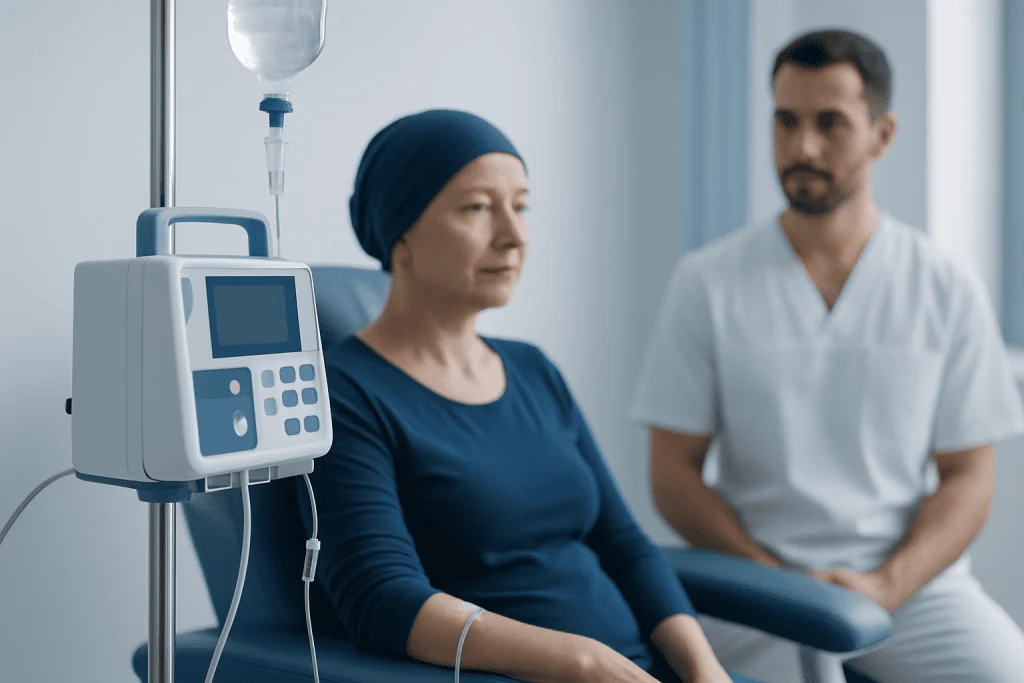
Some side effects are common across many types of cancer treatment. Fatigue is one of the most frequent and may feel different from ordinary tiredness. Other widely reported symptoms include nausea, vomiting, appetite loss, changes in taste, diarrhea, constipation, mouth sores, and trouble sleeping. Hair loss may occur with some types of chemotherapy, but not all cancer medicines cause it.
Treatments that affect the bone marrow can lower blood cell counts. This may lead to anemia, which can cause weakness or shortness of breath; low white blood cells, which can increase infection risk; or low platelets, which may lead to easy bruising or bleeding. Skin and nail changes are also possible, especially with radiation therapy and some targeted treatments.
There can also be side effects that are more treatment-specific. Radiation therapy may irritate the skin in the treated area or affect nearby organs. Immunotherapy can cause the immune system to attack healthy tissues, leading to inflammation in the lungs, liver, bowel, skin, thyroid, or other organs. Surgery may cause pain, swelling, temporary loss of function, or scarring during recovery.
- Fatigue and weakness
- Nausea, vomiting, or poor appetite
- Mouth sores and swallowing discomfort
- Hair loss or skin changes
- Low blood counts and infection risk
- Diarrhea, constipation, or abdominal discomfort
- Pain, numbness, or tingling in hands and feet
- Emotional effects such as anxiety or low mood
Why Side Effects Happen and Who Is at Risk
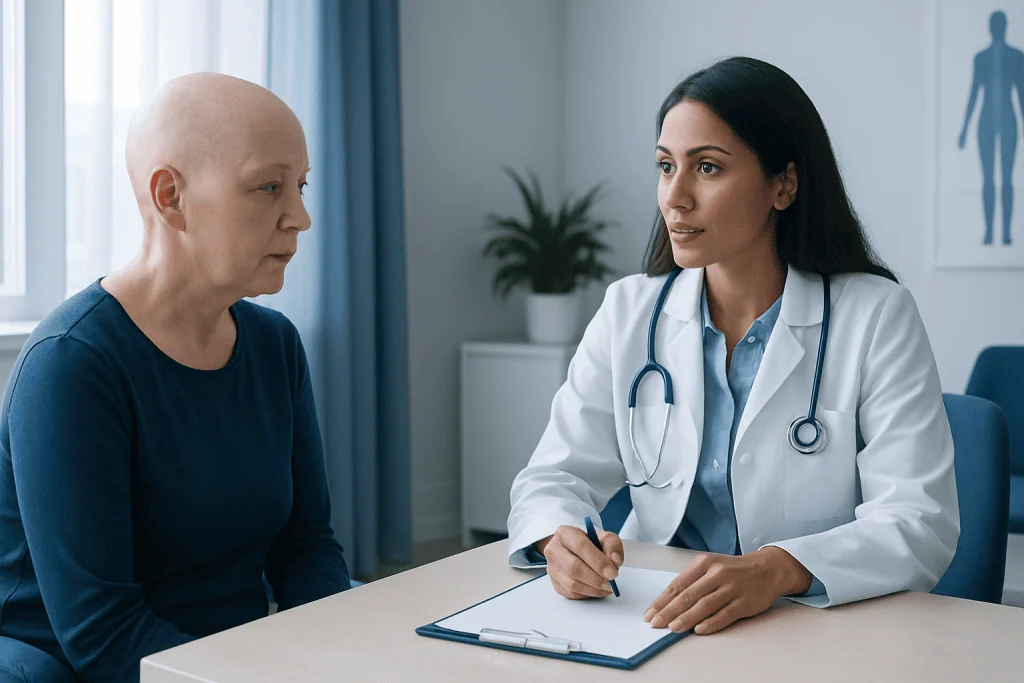
Side effects happen for different reasons depending on the treatment. Chemotherapy works by targeting fast-growing cells, but it can also affect normal cells in the blood, gut, hair, and mouth. Radiation therapy is focused on one area, so side effects often relate to the part of the body receiving treatment. Targeted therapy acts on specific cancer pathways, but it may still affect healthy cells that use similar pathways.
Immunotherapy works in a different way by helping the immune system recognize and attack cancer. Because of this, it can sometimes lead to immune-related side effects that resemble inflammation or autoimmune conditions. Hormone therapy can cause symptoms linked to changes in hormone levels, such as hot flashes, joint pain, mood changes, or bone thinning over time.
Risk is influenced by several factors, including the type of cancer, the stage of disease, the drugs or radiation dose used, the length of treatment, age, nutrition, and other medical conditions. A person’s liver, kidney, heart, and lung health can also affect how the body handles treatment. People receiving combined approaches, such as chemotherapy with radiation therapy, may have side effects that overlap or feel more intense.
How Doctors Diagnose and Monitor Side Effects
Diagnosing side effects begins with careful symptom tracking. Doctors and nurses usually ask when the symptom started, how severe it feels, whether it is getting worse, and whether it affects daily activities such as eating, walking, sleeping, or working. Patients may be asked to keep a written record of symptoms, body temperature, bowel habits, pain levels, or changes in weight.
Physical examination and routine blood tests are important for monitoring treatment safety. Blood counts can show anemia or infection risk, while liver and kidney tests help doctors see how the body is tolerating treatment. Imaging studies or other tests may be needed if symptoms suggest a treatment complication or if the team needs to distinguish a side effect from cancer progression or another illness.
Sometimes symptoms overlap with the cancer itself. For example, tiredness, pain, shortness of breath, or weight loss may come from the disease, the treatment, infection, or a combination of these. A clear diagnosis helps guide the next step, whether that means supportive medicines, changing the treatment schedule, or involving specialists such as nutritionists, pain experts, rehabilitation teams, or mental health professionals.
Treatment Options for Managing Side Effects
Management depends on the symptom and the treatment causing it. Nausea and vomiting can often be prevented or reduced with anti-nausea medicines. Mouth sores may improve with good oral care and special rinses. Constipation and diarrhea are treated differently, so it is important not to self-treat persistent bowel changes without guidance. If blood counts drop, doctors may recommend treatment delays, dose changes, blood transfusion in selected cases, or other supportive measures.
Pain control is another key part of care and may include medicines, physical therapy, nerve pain treatments, or procedures when needed. Patients with numbness or tingling from chemotherapy-related nerve damage may be monitored closely so that symptoms do not progress. Skin reactions from radiation or targeted therapy can be eased with gentle skin care, moisturizing products, and treatment-specific advice. In some cases, referral to medical oncology or supportive specialists helps coordinate symptom management during active cancer care.
If side effects are severe, the cancer treatment plan may need to be adjusted. This can include lowering the dose, delaying a cycle, changing medicines, or temporarily stopping treatment. These decisions are made carefully to balance cancer control with safety and quality of life. For people receiving immunotherapy, suspected immune-related side effects may require prompt treatment with medicines that calm the immune response.
Emotional and practical support are also part of treatment. Counseling, support groups, sleep support, nutrition advice, and help with daily activities can make treatment more manageable. Many patients benefit from asking a family member or caregiver to attend appointments and help monitor symptoms between visits.
Prevention and Self-care During Cancer Treatment
Not every side effect can be prevented, but self-care can make a meaningful difference. Good hydration, regular meals or snacks, careful hand hygiene, gentle daily movement, and sufficient rest can support recovery. Patients should follow advice about food safety, oral care, sun protection, and skin care, especially if their treatment affects immunity or causes skin sensitivity.
Energy conservation is often helpful for fatigue. This may mean planning important tasks for times of day when energy is better, taking short rest breaks, and accepting help from others. Light physical activity, if approved by the doctor, may actually reduce fatigue and improve mood and sleep. Nutrition support is especially important if appetite is poor, swallowing is difficult, or weight is changing.
People should take medicines exactly as prescribed and avoid starting vitamins, herbal products, or over-the-counter remedies without asking the oncology team first. Some products can interfere with cancer treatment or increase bleeding risk. Clear communication is essential, especially for patients being treated for conditions such as breast cancer or lung cancer, where treatment plans may combine several therapies over time.
When to See a Doctor
Patients should contact their care team promptly if they develop a fever, chills, shortness of breath, chest pain, confusion, severe vomiting, inability to keep fluids down, uncontrolled diarrhea, bleeding, or sudden worsening pain. These symptoms may need urgent assessment, particularly during chemotherapy or when blood counts are low. Any new rash, severe skin reaction, or signs of dehydration also deserve medical attention.
Other symptoms may not be emergencies but should still be reported early. These include worsening fatigue, mouth sores that make eating difficult, increasing numbness, swelling, weight loss, low mood, or sleep problems that interfere with daily life. The goal is not only to treat serious complications quickly, but also to maintain comfort and help patients continue cancer therapy as safely as possible.
Near the end of treatment or during long-term follow-up, some side effects may continue or appear later. Follow-up visits help detect these late effects and support recovery. Acibadem International’s multidisciplinary specialists at JCI-accredited hospitals diagnose and treat cancer treatment side effects for international patients as part of coordinated oncology care.
Frequently asked questions
Do all cancer treatments cause side effects?
No. Side effects vary widely depending on the treatment type, dose, treatment area, and the person’s overall health. Some people have only mild symptoms, while others need more supportive care.
How long do cancer treatment side effects last?
Some side effects improve within days or weeks, while others may last for months. A smaller number can become long-term or appear later, which is why follow-up care is important.
Can cancer treatment side effects be prevented?
Some can be partly prevented with medicines, hydration, nutrition support, skin care, and close monitoring. Even when they cannot be fully prevented, many side effects can be reduced if they are reported early.
Should a patient stop treatment if side effects become difficult?
Patients should not stop cancer treatment on their own. The safer approach is to speak with the oncology team, which can adjust the plan or add supportive treatment if needed.
When are side effects considered an emergency?
A fever, trouble breathing, chest pain, severe dehydration, uncontrolled vomiting or diarrhea, confusion, or significant bleeding should be treated as urgent. These symptoms can sometimes signal infection or another serious complication.
Can side effects affect emotional health too?
Yes. Cancer treatment can affect mood, sleep, concentration, and stress levels as well as the body. Emotional support, counseling, and practical help can be important parts of overall care.
References
- National Cancer Institute
- American Cancer Society
- World Health Organization
- European Society for Medical Oncology
- American Society of Clinical Oncology
This article is for general information only and is not a substitute for professional medical advice. Please consult a qualified doctor about your individual situation.
Hair transplant in Turkey — costs, graft counts & a free assessment
JCI-accredited · board-certified surgeons · reply within 24h
Add us as a Preferred Source to see more of our trusted health content across Google Search, AI Overviews and Discover.

More from the Health Library



Related Specialists
Canberk Altan
Physical Medicine & Rehabilitation
Dr. Abdullah Doğan
Cardiovascular Surgery
Dr. Serhat Konar
Anesthesiology
Fzt. Mustafa Özcan
Physical Medicine & Rehabilitation