CAR T-Cell Therapy for Multiple Myeloma: What to Expect

CAR T-cell therapy is a personalized immunotherapy made from the patient’s own T cells. It is most often used for relapsed or hard-to-treat multiple myeloma after prior therapies.
Key Takeaways
- CAR T-cell therapy is a personalized immunotherapy made from the patient’s own T cells.
- It is most often used for relapsed or hard-to-treat multiple myeloma after prior therapies.
- Treatment involves several steps, including cell collection, laboratory modification, chemotherapy, and infusion.
- Careful monitoring is essential because side effects can include fever, low blood counts, and neurologic symptoms.
- Many patients need practical planning for caregiver support, follow-up visits, and recovery time.
CAR T-cell therapy for multiple myeloma is a personalized form of immunotherapy that uses a patient’s own immune cells to recognize and attack myeloma cells. It is usually considered for people whose disease has returned or has not responded well after other treatments.
Overview
CAR T-cell therapy for multiple myeloma is a type of immunotherapy designed to help the body’s own immune system find and attack myeloma cells. In this treatment, doctors collect T cells from the patient’s blood, send them to a laboratory, and modify them so they can better recognize a target on myeloma cells. The engineered cells are then returned to the body through an infusion.
Multiple myeloma is a cancer of plasma cells, a type of white blood cell found in the bone marrow. Standard treatment may include combinations of medicines such as chemotherapy, targeted therapy, immunomodulatory drugs, steroids, and sometimes stem cell transplant. CAR T-cell therapy is usually considered when myeloma has come back after treatment or has become resistant to several previous therapies.
For some patients, CAR T-cell therapy can lead to a meaningful response, including deep remissions. However, it is not the right option for everyone, and it requires close evaluation by an experienced hematology and oncology team. The process is more complex than a routine infusion, so it helps patients and families to understand each step in advance.
Who May Be a Candidate
Doctors usually consider CAR T-cell therapy for people with relapsed or refractory multiple myeloma. This means the disease has returned after responding to treatment, or it has not responded adequately to previous treatment. Eligibility often depends on how many prior therapies the patient has received, how active the disease is, and the person’s overall health.
Assessment involves more than the cancer itself. The care team reviews kidney function, liver function, heart and lung health, infection risk, blood counts, and the patient’s ability to tolerate treatment and monitoring. Because the therapy can cause serious side effects in the short term, the team also considers whether the patient has adequate support at home and can attend frequent follow-up visits.
Not every person with myeloma will be eligible right away. Sometimes the disease must first be stabilized with other treatment while the CAR T-cell product is being prepared. In other situations, the care team may recommend a different approach, such as stem cell transplant or other forms of medical oncology treatment, depending on the patient’s condition and previous therapies.
What to Expect Before and During Treatment

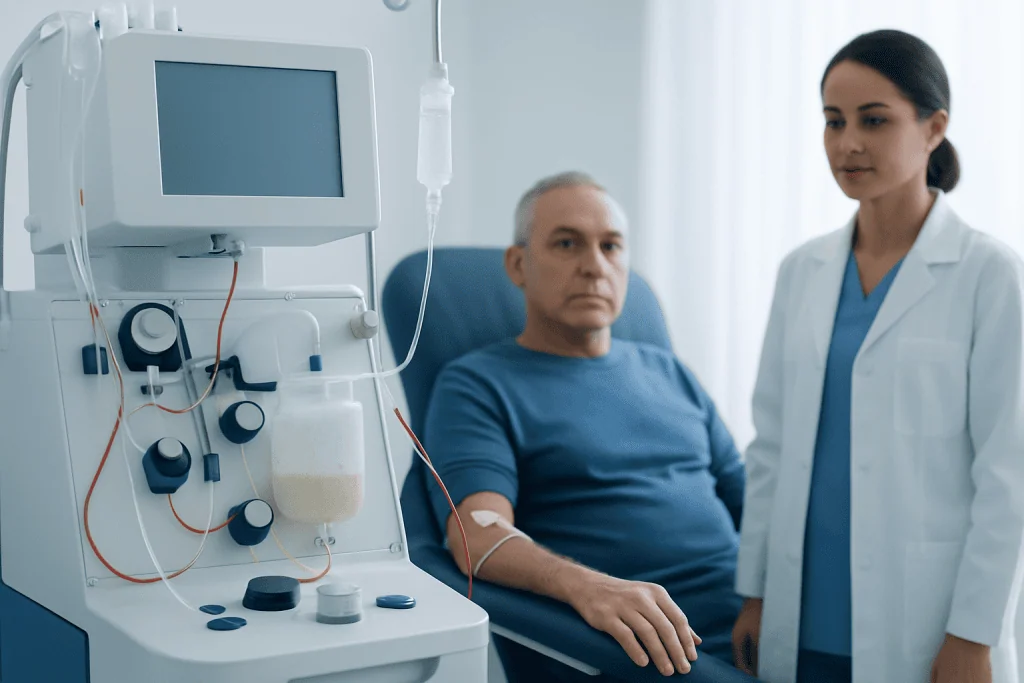
The treatment process usually begins with testing and planning. Patients commonly have blood tests, imaging, and bone marrow evaluation to confirm the current status of the disease and to assess whether they are fit for treatment. If approved, the next step is leukapheresis, a procedure that collects T cells from the blood. This is similar to donating blood components and may take several hours.
After collection, the T cells are sent to a specialized laboratory, where they are genetically modified to make chimeric antigen receptors, or CARs. These receptors help the cells recognize a target on myeloma cells, often BCMA. While the cells are being manufactured, some patients receive temporary treatment called bridging therapy to help keep the myeloma under control.
Before the CAR T-cell infusion, patients usually receive a short course of lymphodepleting chemotherapy. This does not treat the myeloma directly as the main goal; instead, it helps create an environment in which the modified T cells can expand and work more effectively. The infusion itself is often given in the hospital or in a highly supervised setting, followed by careful observation for side effects.
Even when the infusion goes smoothly, monitoring remains a key part of treatment. Patients may need to stay near the treatment center for a period of time and should usually have a caregiver with them. This stage can feel demanding, but it is an important part of safe care.
Possible Benefits and Limitations
One of the main reasons CAR T-cell therapy has drawn attention in myeloma care is that it can produce strong responses in some people whose disease has already been difficult to treat. For certain patients, the treatment can reduce the amount of myeloma in the body to very low levels, and some achieve remission. This can improve symptoms and, in some cases, provide a meaningful period without disease progression.
At the same time, CAR T-cell therapy is not considered a guaranteed cure for multiple myeloma. The disease may still return, and the duration of response can vary significantly from one patient to another. Researchers continue to study which patients benefit most, how long responses last, and how to improve outcomes with next-generation therapies and combination approaches.
Another limitation is that the process takes time. The cells must be collected, manufactured, and then infused, so treatment is not immediate. Access may also depend on whether the patient meets eligibility criteria and whether the therapy is available at a specialized center. For some people, other treatment options may be more appropriate or may need to be used first.
Side Effects and Safety Monitoring
Like many advanced cancer therapies, CAR T-cell therapy can cause side effects that require careful observation. One of the best known is cytokine release syndrome, often called CRS. This happens when the activated immune system releases large amounts of inflammatory signals. Symptoms can include fever, low blood pressure, fatigue, chills, fast heartbeat, or breathing difficulty. Severity varies, and many cases can be managed effectively when recognized early.
Another possible complication is neurologic toxicity, sometimes called immune effector cell-associated neurotoxicity syndrome. Patients may develop confusion, headache, difficulty speaking, tremor, sleepiness, or other changes in mental status. Because these symptoms can appear suddenly, treatment centers monitor patients closely and may advise families to watch for subtle changes after discharge.
Low blood counts are also common after treatment, especially because lymphodepleting chemotherapy and the therapy itself can affect bone marrow function. This can increase the risk of infection, anemia, and bleeding. Some patients also develop low levels of normal antibodies, which can make infections more likely for a longer period. Follow-up care may include blood tests, supportive medications, and infection-prevention guidance.
Patients should report symptoms promptly rather than waiting to see if they improve on their own. Early treatment of side effects is an important part of successful care and can make the treatment experience safer and more manageable.
Recovery, Follow-Up, and Daily Life
Recovery after CAR T-cell therapy is different for each person. Some patients feel better gradually over several weeks, while others need longer because of fatigue, low blood counts, or infections. It is common for the medical team to place temporary restrictions on driving, working, or traveling, especially in the first weeks after infusion, because of the small but important risk of delayed neurologic symptoms.
Follow-up appointments are essential. Doctors monitor blood counts, signs of infection, organ function, and markers of myeloma response. In some cases, patients may need additional supportive care such as transfusions, antiviral or antibiotic prevention, or immune globulin replacement. The schedule may be intensive at first and then become less frequent over time.
Practical planning can make recovery smoother. Patients often benefit from arranging help with transport, meals, childcare, and daily tasks before treatment begins. Good hand hygiene, avoiding people with contagious illnesses, and following the care team’s advice on food safety and activity can also support recovery.
Because multiple myeloma is a chronic and complex disease, long-term management often includes discussion of future options as well. The oncology team may review how CAR T-cell therapy fits into the broader treatment plan for multiple myeloma and what to expect if the disease later changes.
Questions to Ask the Care Team
Patients and families often feel more confident when they know what questions to ask. It can be helpful to discuss why CAR T-cell therapy is being recommended, what alternatives exist, and what the goals of treatment are in the individual case. Asking how long each step may take can also help with planning.
Other useful questions include what side effects are most likely, when emergency medical help is needed, and how often follow-up visits will be required. Patients may also want to ask whether they will need to stay in the hospital, how long they should remain near the treatment center, and what support a caregiver will need to provide.
For international patients or those seeking care at a specialized center, coordination is especially important. Near the end of the treatment journey, some people benefit from evaluation by multidisciplinary teams experienced in advanced myeloma care, including hematology and oncology specialists. Acibadem International’s multidisciplinary specialists and JCI-accredited hospitals diagnose and treat this condition for international patients.
Clear communication with the medical team helps patients make informed decisions and prepare realistically. Even when treatment is promising, understanding both the potential benefits and the demands of care can make the experience less stressful and more manageable.
Frequently asked questions
Is CAR T-cell therapy a cure for multiple myeloma?
CAR T-cell therapy can lead to deep and sometimes long-lasting responses, but it is not usually described as a guaranteed cure. Multiple myeloma may still return after treatment. Doctors consider it an important option for selected patients, especially when previous therapies have stopped working.
How long does the CAR T-cell therapy process take?
The full process often takes several weeks from evaluation and cell collection to manufacturing and infusion. The exact timeline varies by treatment center, the product being used, and the patient’s clinical needs. Some patients receive temporary treatment in the meantime to keep the myeloma under control.
Does CAR T-cell therapy require a hospital stay?
Many patients are treated in a hospital or in a center with very close observation, at least around the time of infusion. This is because side effects such as fever or neurologic changes may need prompt treatment. The care team will explain whether admission is expected and how long monitoring may last.
What are the main risks after infusion?
The most important early risks include cytokine release syndrome, neurologic side effects, and low blood counts. These problems can range from mild to serious, so regular monitoring is essential. Patients should report fever, confusion, weakness, or any sudden change in how they feel.
Can older adults receive CAR T-cell therapy?
Age alone does not always rule out treatment. Doctors look more closely at overall fitness, other medical conditions, organ function, and the patient’s ability to tolerate side effects and follow-up care. A comprehensive assessment helps decide whether the therapy is a safe and suitable option.
Will a patient still need other myeloma treatment afterward?
Some patients do not need immediate additional treatment if they respond well, while others may need supportive care or later therapy depending on how the disease behaves. Follow-up is individualized and based on response, side effects, and overall health. The oncology team will explain the longer-term treatment plan.
References
- National Cancer Institute
- American Cancer Society
- National Comprehensive Cancer Network
- International Myeloma Society
- U.S. Food and Drug Administration
This article is for general information only and is not a substitute for professional medical advice. Please consult a qualified doctor about your individual situation.
Multiple Myeloma in Turkey — costs, top hospitals & a free quote
JCI-accredited · board-certified surgeons · reply within 24h
Add us as a Preferred Source to see more of our trusted health content across Google Search, AI Overviews and Discover.