CAR T Infusion: Procedure, Recovery and Results
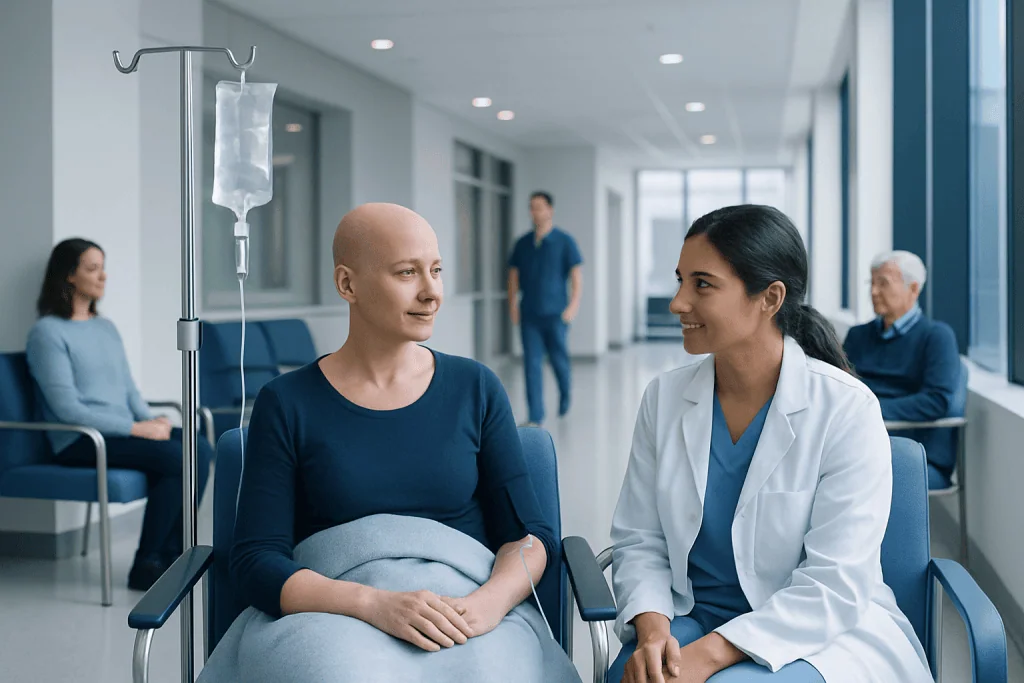
CAR T-cell therapy is a personalized immunotherapy most often used for selected blood cancers. The infusion itself is usually brief, but the overall process takes weeks because cells must be collected, manufactured and monitored.
Key Takeaways
- CAR T-cell therapy is a personalized immunotherapy most often used for selected blood cancers.
- The infusion itself is usually brief, but the overall process takes weeks because cells must be collected, manufactured and monitored.
- Fever and flu-like symptoms can occur after treatment and may signal cytokine release syndrome, which needs prompt assessment.
- Recovery varies; frequent monitoring is especially important during the first several weeks after infusion.
- Response is assessed with blood tests, scans and sometimes bone marrow testing rather than symptoms alone.
CAR T infusion delivers a patient’s own T cells after they have been modified in a laboratory to recognize and attack selected cancer cells. It is used for certain blood cancers, usually when standard treatments have not worked or the cancer has returned, and it requires specialist assessment, preparation and close follow-up.
Overview: what is CAR T infusion?
A CAR T infusion is the final treatment step in chimeric antigen receptor (CAR) T-cell therapy. Doctors collect a patient’s T cells, a type of white blood cell involved in immune defense, and send them to a specialist laboratory. There, the cells are genetically modified so they can better identify a marker on cancer cells, multiplied, and returned for infusion into the bloodstream.
For many people, the actual infusion is similar to receiving a blood product through an intravenous line and commonly takes less than an hour. However, the CAR T infusion process includes much more than infusion day: eligibility testing, cell collection, laboratory manufacturing, preparatory chemotherapy, inpatient or outpatient monitoring, and follow-up over months to years.
CAR T-cell therapy is currently used mainly for certain B-cell blood cancers, including some lymphomas, leukemias and multiple myeloma. The precise cancer types, prior treatments required and suitability criteria depend on the approved CAR T product and local clinical guidance. It is not a routine treatment for every cancer or every person with a blood cancer.
How CAR T cells work and who may be a candidate
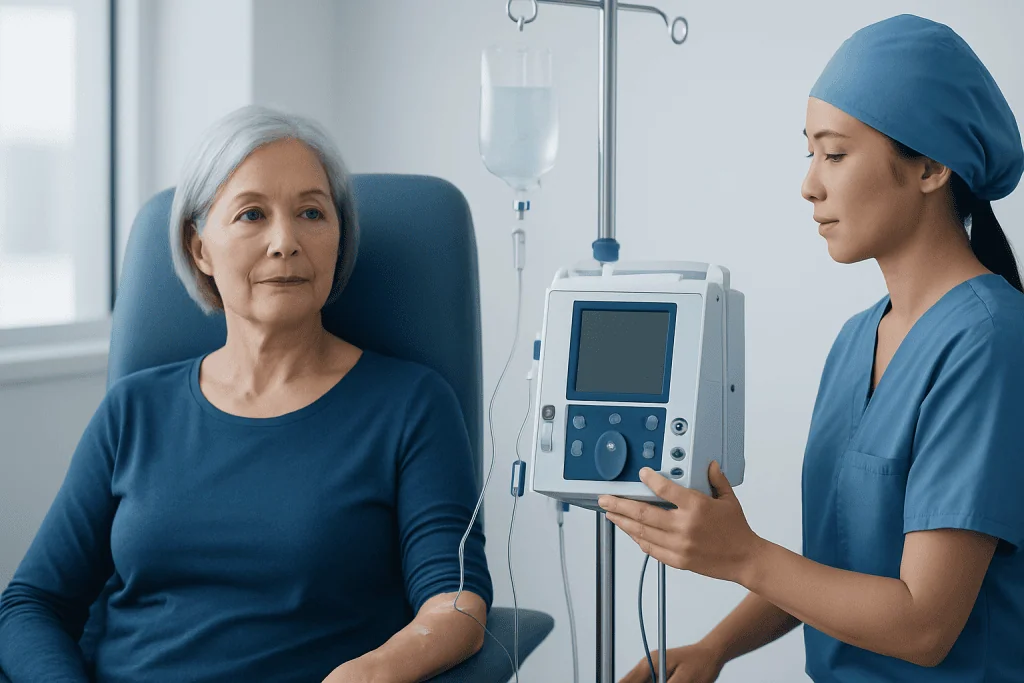
CAR T cells are designed to recognize a specific protein, often called an antigen, found on the surface of particular cancer cells. Once infused, they can bind to cells carrying that target and activate an immune attack. Because normal cells may sometimes share the same target, treatment can also affect healthy immune cells and can increase infection risk.
A specialist hematology and oncology team considers CAR T therapy when a person has an eligible cancer that has relapsed or has not responded adequately to other treatments. Assessment usually includes confirmation of the cancer subtype and target antigen, review of previous therapies, blood tests, heart and lung assessment when needed, infection screening, imaging and an evaluation of general fitness.
Candidacy is individualized. Active uncontrolled infection, significant organ dysfunction, rapidly progressing disease, or difficulty attending close follow-up may affect treatment planning. The team also considers whether temporary treatment is needed to control cancer while the CAR T cells are being manufactured, often called bridging therapy.
- Eligible diagnosis and cancer target
- Previous treatment history and current disease activity
- Blood counts, organ function and infection status
- Ability to remain near the treatment center during early recovery
- Availability of a caregiver when advised by the clinical team
CAR T infusion process: step by step
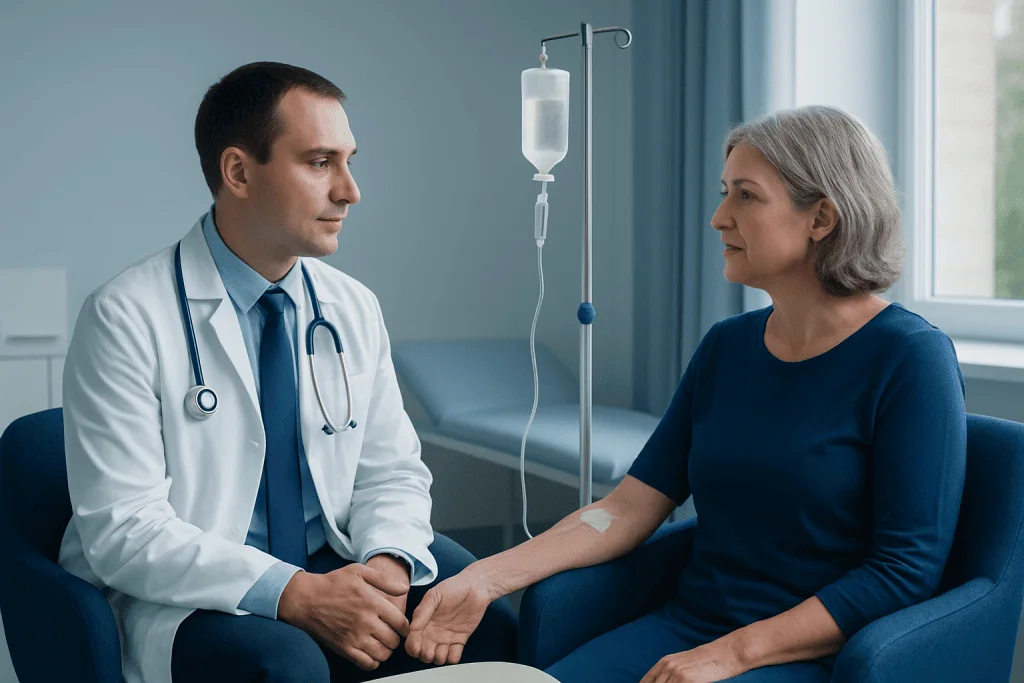
The CAR T infusion protocol begins with leukapheresis. During this procedure, blood is drawn through a vein or central line, a machine separates and collects white blood cells, and the remaining blood components are returned to the body. The collected T cells are then sent for manufacturing, which can take several weeks. This interval varies by product, logistics and individual circumstances.
Before the cells return, patients commonly receive a short course of lymphodepleting chemotherapy. This is not intended to treat the cancer directly; it reduces some existing immune cells and helps the infused CAR T cells expand and function. The specific medicines, timing and setting are determined by the treatment team.
On infusion day, the thawed cell product is administered through an intravenous line or central venous catheter. The CAR T infusion time is generally short, but appointments include identity checks, pre-infusion medicines when indicated, vital-sign monitoring and observation afterward. Staff watch for an immediate infusion reaction, although many important side effects occur days later as the cells become active.
Patients are monitored closely after infusion, either in hospital or through an experienced outpatient program. The required length of stay and distance from the center depend on the CAR T product, the person’s health and local safety protocols. The care team provides written instructions about temperature checks, medications, emergency contacts, driving and caregiver support.
Recovery timeline and follow-up after CAR T therapy
CAR T therapy recovery time differs considerably between individuals. The first one to two weeks are often the period of closest monitoring because immune activation side effects may develop then. Some patients remain in hospital, while others attend frequent daily or near-daily assessments with rapid access to admission if symptoms arise.
During the first month, fatigue, low blood counts and reduced stamina are common. The immune system may remain weakened for months, particularly when CAR T therapy lowers normal B cells that produce antibodies. Follow-up commonly includes blood counts, infection prevention measures, review of medications and guidance about vaccines. Vaccination timing should be discussed with the treating team.
In the following months, appointments become less frequent if recovery is uncomplicated, but surveillance remains important. Imaging, blood tests and, for some cancers, bone marrow examination help assess response and monitor for recurrence. People should follow advice about food safety, hand hygiene, avoiding infectious contacts when appropriate and gradually returning to activity.
Practical recovery also matters. Fatigue and concentration difficulties may temporarily affect work, travel and driving. A person should not resume these activities until their team confirms it is safe. Family members and caregivers can help with symptom tracking, transport, medication schedules and attending follow-up visits.
How long does it take to recover from CAR T therapy?
Early recovery commonly takes several weeks, while immune recovery and return to usual energy levels can take months. The first 30 days are particularly important because CAR T-related side effects and low blood counts are most likely to require medical attention during this period. Some people feel progressively better within weeks; others need longer support because of infections, prolonged cytopenias or the effects of prior cancer treatment.
Recovery is not measured only by how a person feels. Blood counts, immune function, cancer response and any neurological symptoms all influence the timeline. The care team may recommend temporary activity limits, infection-prevention medicines, transfusions, immunoglobulin replacement in selected cases, or rehabilitation support.
Patients should use their own follow-up schedule rather than comparing recovery with another person’s experience. A new fever, worsening weakness, confusion or trouble breathing should be reported promptly, even if it occurs after the initial monitoring period.
Benefits, risks and possible CAR T infusion reactions
The potential benefit of CAR T therapy is that it can produce deep and sometimes long-lasting remissions in selected people with cancers that have returned or resisted previous treatment. Results vary according to the cancer type, disease burden, CAR T product, prior therapies and individual biology. The oncology team can explain what is known about expected outcomes for a person’s specific diagnosis.
A key early complication is cytokine release syndrome (CRS), an inflammatory response caused by rapid immune activation. A CAR T infusion reaction may include fever, chills, low blood pressure, fast heartbeat, low oxygen levels, nausea or marked fatigue. CRS can range from mild to severe, which is why timely reporting and specialist monitoring are essential. Treatments can include supportive care and medicines that reduce the inflammatory response.
Neurologic side effects, sometimes called immune effector cell-associated neurotoxicity syndrome, may include headache, confusion, difficulty finding words, tremor, drowsiness or seizures. Other possible complications include infection, prolonged low blood counts, low antibody levels, tumor lysis syndrome and, rarely, serious allergic or organ-related complications.
CAR T therapy can be demanding, but teams use structured monitoring and established supportive treatments to identify complications early. Patients should discuss their individual risks, planned observation period and emergency plan before treatment.
Can CAR T cells completely cure cancer?
CAR T cells can lead to complete remission in some people, meaning tests cannot detect active cancer after treatment. For some patients, these remissions can be durable. However, a complete remission is not the same as a guaranteed cure, and the possibility of relapse remains.
Whether CAR T therapy may be curative depends on the cancer type, its biology, previous treatments, response depth and duration, and other individual factors. In some situations, doctors may recommend additional treatment or ongoing monitoring even after an excellent response.
Response discussions should be individualized and based on the latest scan, blood and bone marrow results. The treatment team can explain the goal of therapy and what follow-up testing is needed to understand whether remission is continuing.
Is CAR T therapy hard on the body? How do you know if it is working?
CAR T therapy can be physically demanding because it combines cell collection, preparatory chemotherapy, immune activation and recovery from low blood counts. Not everyone experiences severe side effects, but the possibility of rapid changes in health is the reason treatment is provided by specialist teams with close monitoring. Emotional strain, uncertainty and time away from usual routines can also be significant.
Symptoms alone cannot reliably show whether CAR T therapy is working. Some people may experience fever or fatigue because of treatment-related immune activation, not because the cancer is responding. Others may feel well while tests still show active disease. Doctors assess response at planned intervals using methods appropriate to the cancer, such as PET or CT scans, blood tests, physical examination and bone marrow testing.
It is important to attend every scheduled assessment even if symptoms improve. Acibadem International’s multidisciplinary specialists and JCI-accredited hospitals support diagnosis and treatment planning for international patients receiving complex cancer care.
When to seek medical care
Patients should contact their CAR T team immediately for fever or chills, new confusion, severe headache, difficulty speaking, unusual sleepiness, fainting, seizure-like activity, shortness of breath, chest pain, severe dizziness, uncontrolled vomiting or a rapid worsening in how they feel. These symptoms may be treatable, but they require urgent assessment after CAR T infusion.
Medical advice is also important for signs of infection, such as a new cough, painful urination, diarrhea that persists, a new rash, redness around a line, or exposure to a contagious illness. People should not take fever-reducing medicines to mask a fever unless their treatment team has specifically advised this.
Before CAR T therapy begins, patients and caregivers should know which number to call at any hour and where to seek emergency care. Bringing treatment information to urgent visits can help other clinicians communicate promptly with the CAR T center.
Frequently asked questions
What is the difference between CAR T infusion and chemotherapy?
Chemotherapy uses medicines that circulate through the body to damage or stop rapidly dividing cells. CAR T infusion delivers a person’s own T cells after they have been modified to recognize a particular cancer target. Many CAR T treatment plans include short preparatory chemotherapy before the cell infusion.
How long is the CAR T infusion time?
The cell infusion itself is usually brief, often less than an hour. However, patients need monitoring before, during and after it, and the full treatment journey takes weeks because of cell collection, manufacturing, preparation and follow-up.
Do patients stay in hospital after CAR T therapy?
Some patients stay in hospital for close monitoring, while others can be treated through a structured outpatient program. The decision depends on the CAR T product, health status, distance from the center, caregiver support and local protocol.
When do CAR T side effects usually happen?
Cytokine release syndrome and neurologic side effects often occur in the first days to weeks after infusion, although timing varies. Low blood counts, infections and immune suppression may continue for longer. Any fever or new neurological symptom should be reported urgently to the treatment team.
How is response to CAR T therapy checked?
Doctors use scheduled tests rather than symptoms alone. Depending on the cancer, these may include blood tests, PET or CT imaging, physical examination and bone marrow testing. The timing of response assessment is set by the treating oncology team.
Can CAR T therapy be repeated?
In some circumstances, another cellular therapy or a different treatment may be considered if cancer persists or returns, but repeat CAR T therapy is not appropriate for everyone. Options depend on the cancer type, prior response, target antigen, overall health and availability of suitable therapies.
References
- National Cancer Institute
- U.S. Food and Drug Administration
- American Society of Hematology
- European Society for Blood and Marrow Transplantation and Cellular Therapy
This article is for general information only and is not a substitute for professional medical advice. Please consult a qualified doctor about your individual situation.
Oncology care in Turkey — second opinion and treatment plan
JCI-accredited · board-certified surgeons · reply within 24h
Add us as a Preferred Source to see more of our trusted health content across Google Search, AI Overviews and Discover.