Cardiothoracic Surgeon Employment: An Evidence-Based Patient Guide

Cardiothoracic surgeons are medical specialists trained to diagnose and operate on conditions affecting structures in the chest. Their work commonly includes heart surgery, lung surgery, valve repair or replacement, coronary bypass surgery and some chest procedures.
Key Takeaways
- Cardiothoracic surgeons are medical specialists trained to diagnose and operate on conditions affecting structures in the chest.
- Their work commonly includes heart surgery, lung surgery, valve repair or replacement, coronary bypass surgery and some chest procedures.
- Surgery is considered only after careful assessment of symptoms, tests, overall health and non-surgical options.
- Care is delivered by a multidisciplinary team that may include cardiologists, pulmonologists, anaesthesiologists, oncologists, nurses and rehabilitation professionals.
- Recovery and risks vary substantially according to the operation, the underlying condition and a person’s general health.
Cardiothoracic surgeon employment involves caring for patients who may need operations on the heart, lungs, oesophagus, chest wall or major blood vessels in the chest. For patients, the most important consideration is not employment terminology but understanding the surgeon’s training, the wider care team and how surgical decisions are made safely.
Overview: What Cardiothoracic Surgeon Employment Means for Patients
Cardiothoracic surgeon employment refers to the professional work of surgeons who treat diseases involving the heart, lungs, oesophagus, chest wall and other structures inside the chest. These specialists complete extensive medical and surgical training and work in hospitals, surgical centres, university settings and multidisciplinary clinical teams. Their practice may focus mainly on cardiac surgery, thoracic surgery, or both.
From a patient perspective, a cardiothoracic surgeon is usually involved when an operation may offer the safest or most effective treatment for a serious chest-related condition. Referral to a surgeon does not automatically mean surgery will take place. The consultation is an opportunity to review the diagnosis, discuss available approaches and decide whether surgery, a minimally invasive procedure, medication, monitoring or another treatment is most appropriate.
Cardiothoracic surgery is closely connected with other specialties. For example, a person with coronary artery disease may be assessed by both a cardiologist and a cardiac surgeon, while someone with a lung lesion may see a respiratory physician, radiologist, oncologist and thoracic surgeon. This team-based approach helps ensure that recommendations reflect the individual’s diagnosis, priorities and overall health.
The Scope of a Cardiothoracic Surgeon’s Work
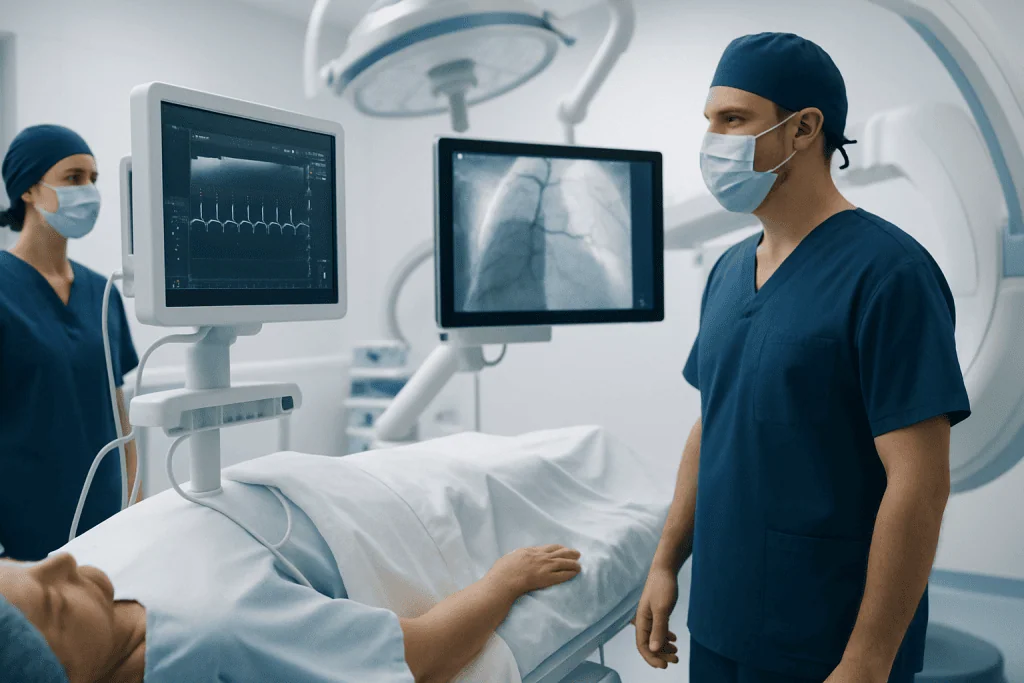
Cardiac surgeons operate on the heart and nearby major blood vessels. Their work may include coronary artery bypass grafting for blocked coronary arteries, repair or replacement of heart valves, surgery for selected aortic conditions, surgery for some congenital heart conditions and implantation of certain cardiac support devices. A surgeon may also provide urgent care in situations such as specific complications of heart disease.
Thoracic surgeons focus on organs and tissues in the chest other than the heart. This can include surgery for lung cancer, collapsed lung, pleural disease, chest wall conditions, oesophageal disorders and selected airway problems. For patients with a suspected or confirmed lung malignancy, surgery may be one part of a broader treatment plan that can also include oncology care and radiation therapy.
Some operations use a conventional open approach, while others may be performed through smaller incisions using video-assisted or robotic techniques. The best method depends on the condition, the anatomy involved, prior treatment, the surgeon’s assessment and the patient’s medical needs. A smaller incision is not always the safest or most suitable option.
- Cardiac care may involve coronary bypass, valve or aortic procedures.
- Thoracic care may involve the lungs, oesophagus, pleura, mediastinum or chest wall.
- Surgeons also participate in preoperative planning, postoperative care and long-term follow-up.
When a Cardiothoracic Surgery Consultation May Be Recommended

A doctor may refer a patient to a cardiothoracic surgeon after symptoms, examination findings or imaging suggest a condition that could benefit from an operation. Examples include severe narrowing of coronary arteries, significant heart valve disease, an enlarging thoracic aortic aneurysm, a suspicious lung nodule, early-stage lung cancer, recurrent collapsed lung or certain oesophageal conditions.
Symptoms depend on the underlying problem. Heart-related concerns can include chest discomfort, breathlessness, reduced exercise tolerance, palpitations, fainting or leg swelling. Lung and chest conditions may cause persistent cough, coughing up blood, unexplained breathlessness, chest pain, recurrent chest infections or unintentional weight loss. These symptoms have many possible causes and should be assessed rather than self-diagnosed.
A surgical opinion can also be useful when another treatment has not controlled a condition adequately, or when tests indicate that delaying treatment could raise the risk of complications. The surgeon should explain why surgery is being considered, what alternatives exist and what may happen with and without the proposed procedure.
Assessment, Candidacy and Shared Decision-Making
Before recommending surgery, the care team confirms the diagnosis and evaluates whether an operation is likely to provide more benefit than harm. Assessment may include blood tests, electrocardiography, echocardiography, CT or MRI scans, lung function tests, cardiac catheterisation, biopsy results or other specialised investigations. The exact tests depend on the suspected condition.
Candidacy is not based on age alone. Surgeons consider heart and lung function, kidney function, frailty, nutrition, mobility, other medical conditions, previous operations, medications and personal treatment goals. Smoking status and diabetes control may also affect surgical risk and wound healing. Some people benefit from treatment to improve their health before surgery, such as smoking cessation support, respiratory therapy or optimisation of long-term conditions.
For complex cases, recommendations are often discussed in a multidisciplinary meeting. Patients should feel able to ask about the expected benefit, possible complications, recovery needs, non-surgical options and the experience of the clinical team with the proposed procedure. A second opinion may be appropriate when the diagnosis or treatment choices are uncertain.
How Cardiothoracic Procedures Are Performed
The details of surgery vary widely, but most planned procedures follow a structured pathway. Before surgery, the patient has a preoperative review, receives instructions about eating, drinking and medications, and meets members of the anaesthesia and surgical teams. General anaesthesia is commonly used, meaning the patient is asleep and pain-free during the operation.
The surgeon then accesses the treatment area through an incision that may be open, minimally invasive or robot-assisted. In some heart operations, a heart-lung machine temporarily supports circulation and oxygenation while the heart is treated. In other procedures, such as selected bypass operations, surgery may be performed without this machine. For lung surgery, the surgeon may remove a small tissue sample, a segment, a lobe or another affected structure, depending on the diagnosis and treatment plan.
After the procedure, patients are monitored in a recovery area, intensive care unit or high-dependency unit as needed. Breathing, blood pressure, heart rhythm, pain, drainage tubes and wound healing are closely observed. The team aims to support early, safe movement, breathing exercises, nutrition and pain control, all of which can assist recovery.
Where appropriate, patients can discuss coronary artery bypass surgery or other procedure-specific options with their specialist team. The final technique is selected after individual assessment rather than by a single standard approach.
Benefits, Risks and Recovery Timeline
The potential benefit of cardiothoracic surgery depends on the condition being treated. Surgery may improve blood flow to the heart, reduce symptoms caused by valve disease, remove a tumour, prevent complications from some chest conditions or improve quality of life. In certain situations, it may also be recommended to reduce the risk of serious future illness. No procedure can guarantee a particular outcome.
All major operations carry risks. These can include bleeding, infection, blood clots, abnormal heart rhythms, breathing complications, pneumonia, reactions to anaesthesia, stroke, kidney problems, persistent pain or the need for further treatment. Risks differ between operations and may be higher in people with significant heart, lung, kidney or vascular disease. The surgeon and anaesthesiologist should explain the risks most relevant to the individual.
Hospital stays range from short admissions after some minimally invasive procedures to longer stays after complex heart or chest surgery. Initial recovery commonly includes fatigue, discomfort, reduced stamina and gradual increases in activity. Returning to usual daily activities may take several weeks or longer, particularly after open surgery. Cardiac rehabilitation, pulmonary rehabilitation, physiotherapy and follow-up appointments can support recovery.
Patients should follow their discharge plan carefully, including wound care, medication instructions, activity limits and scheduled reviews. They should contact their clinical team promptly if they develop worsening shortness of breath, fever, increasing redness or drainage around a wound, new chest pain, fainting or other concerning symptoms.
Preparing for Care and Supporting Long-Term Health
Patients can prepare for a cardiothoracic consultation by bringing a current medication list, previous test results if available, details of allergies and questions about treatment choices. It can be helpful to bring a trusted relative or friend, particularly when discussing complex surgery. Writing down explanations and instructions may make later decisions easier.
Healthy habits can support both surgical readiness and long-term heart and lung health. Depending on the person’s condition, this may include avoiding tobacco, following a balanced eating pattern, remaining physically active within medical advice, attending rehabilitation and taking prescribed medicines as directed. People should not stop blood thinners, heart medicines or other regular treatments without guidance from the prescribing clinician.
Cardiothoracic care often overlaps with related conditions such as coronary artery disease and heart valve disease. Ongoing care may involve a cardiologist, primary care doctor and other specialists even after a successful operation, because surgery is commonly one part of a longer-term treatment plan.
Acibadem International’s multidisciplinary specialists and JCI-accredited hospitals diagnose and treat cardiothoracic conditions for international patients, with care plans developed around clinical assessment and individual needs.
When to Seek Medical Care
Emergency medical care is needed for severe or persistent chest pressure or pain, sudden severe breathlessness, fainting, coughing up a large amount of blood, new weakness on one side of the body, confusion or a rapidly worsening condition. These symptoms may have several causes, but urgent assessment is important.
A non-urgent medical appointment is appropriate for persistent cough, unexplained breathlessness, a decline in exercise ability, recurrent chest infections, palpitations, leg swelling, unexplained weight loss or chest discomfort that comes and goes. Early assessment can help identify whether symptoms are related to the heart, lungs or another cause.
After an operation, patients should seek advice from their surgical team for fever, wound changes, uncontrolled pain, persistent vomiting, increasing swelling, new irregular heartbeat, worsening breathlessness or symptoms that do not match the recovery guidance they received. If symptoms are severe or sudden, emergency services should be contacted.
Frequently asked questions
What does a cardiothoracic surgeon do?
A cardiothoracic surgeon diagnoses and surgically treats conditions affecting the heart, lungs and other organs or structures in the chest. Their work may include heart bypass surgery, valve surgery, lung surgery and selected procedures involving the oesophagus, aorta or chest wall.
Is a cardiothoracic surgeon the same as a cardiologist?
No. A cardiologist is a physician who diagnoses and treats heart conditions primarily with medication, lifestyle care and catheter-based procedures. A cardiothoracic surgeon is trained to perform operations and works closely with cardiologists when surgery may be needed.
Does seeing a cardiothoracic surgeon mean I need surgery?
Not necessarily. A consultation allows the surgeon to review the diagnosis, test results, symptoms and available options. Some people are advised to continue monitoring, medication, catheter-based treatment or another non-surgical approach.
How long does recovery from cardiothoracic surgery take?
Recovery varies by procedure, overall health and any complications. Some minimally invasive procedures have shorter recovery periods, while recovery after major open-heart or lung surgery often takes several weeks to months. The care team provides personalised activity, wound-care and follow-up guidance.
What questions should a patient ask before surgery?
Useful questions include why surgery is recommended, what alternatives are available, what the expected benefits and risks are, and what recovery will involve. Patients may also ask about the planned surgical approach, hospital stay, rehabilitation and who to contact after discharge.
Can smoking affect cardiothoracic surgery outcomes?
Yes. Smoking can increase the risk of breathing complications, infection and delayed wound healing, and it can affect heart and lung health more broadly. Stopping smoking before surgery can be beneficial, and a healthcare professional can recommend appropriate support.
References
- American College of Surgeons
- American Heart Association
- Society of Thoracic Surgeons
- National Heart, Lung, and Blood Institute
- European Society of Cardiology
This article is for general information only and is not a substitute for professional medical advice. Please consult a qualified doctor about your individual situation.
Explore treatments in Turkey — costs, top hospitals & a free quote
JCI-accredited · board-certified surgeons · reply within 24h
Add us as a Preferred Source to see more of our trusted health content across Google Search, AI Overviews and Discover.