Carotid: A Complete Medical Overview
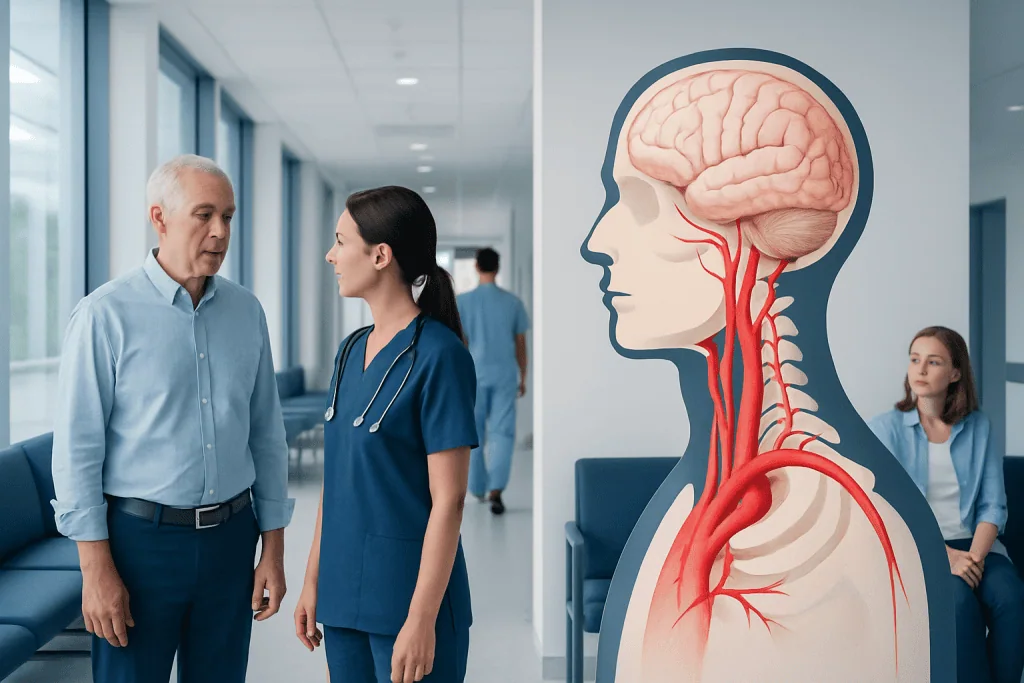
The carotid arteries supply blood to the brain, face, and neck. Carotid artery disease often develops silently and may cause no symptoms until a TIA or stroke occurs.
Key Takeaways
- The carotid arteries supply blood to the brain, face, and neck.
- Carotid artery disease often develops silently and may cause no symptoms until a TIA or stroke occurs.
- Smoking, high blood pressure, high cholesterol, diabetes, and aging are important risk factors.
- Diagnosis commonly involves a physical exam and ultrasound imaging of the neck arteries.
- Treatment may include lifestyle changes, medicines, and procedures to restore blood flow when needed.
Carotid usually refers to the carotid arteries, the two major blood vessels in the neck that carry oxygen-rich blood to the brain. When these arteries become narrowed or blocked, the condition is called carotid artery disease, and it can increase the risk of stroke or transient ischemic attack (TIA).
Overview: what “carotid” means in medicine
In medicine, the term carotid usually refers to the carotid arteries, a pair of large blood vessels on either side of the neck. These arteries deliver oxygen-rich blood from the heart to the brain. Because the brain depends on a steady blood supply, healthy carotid arteries are essential for normal thinking, movement, speech, and vision.
Each common carotid artery divides into an internal carotid artery and an external carotid artery. The internal carotid artery supplies much of the brain, while the external carotid artery supplies parts of the face, scalp, and neck. Doctors often focus on the internal carotid artery because narrowing there can reduce blood flow to the brain or contribute to clot formation.
The most common carotid-related problem is carotid artery disease, also called carotid stenosis when narrowing is present. This usually happens when fatty deposits called plaque build up inside the artery wall. Over time, plaque can make the artery narrower, limit blood flow, or release material that travels to the brain and blocks a smaller artery.
Carotid artery disease is closely linked to stroke prevention. Not everyone with carotid narrowing needs a procedure, but identifying the problem early can help reduce risk through lifestyle changes, medicines, and selected interventions. In some people, carotid disease appears alongside other circulation problems such as coronary artery disease or peripheral artery disease.
Symptoms and warning signs
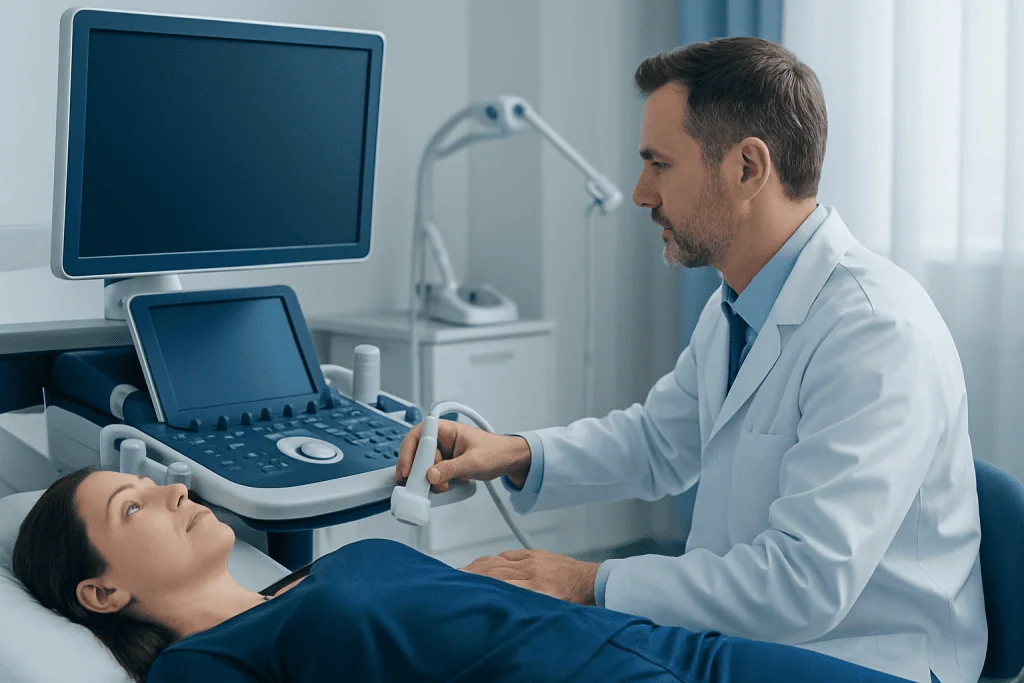
Many people with carotid artery disease have no symptoms at all, especially in the early stages. This is one reason the condition can remain unnoticed for years. A doctor may first suspect it after hearing a bruit, an unusual sound over the artery in the neck, during a physical examination.
When symptoms do happen, they may be related to a transient ischemic attack (TIA) or stroke. A TIA is sometimes called a mini-stroke and can cause symptoms that last only a few minutes or hours. Even if symptoms go away quickly, urgent medical evaluation is important because a TIA can be an early warning sign of future stroke.
Possible warning signs include:
- Sudden weakness or numbness of the face, arm, or leg, especially on one side of the body
- Sudden trouble speaking or understanding speech
- Sudden vision loss or dimming in one eye
- Sudden dizziness, poor balance, or difficulty walking
- Sudden severe confusion or trouble coordinating movements
These symptoms do not confirm carotid disease on their own, but they require immediate medical care. Other conditions can cause similar symptoms, yet any suspected stroke or TIA should be treated as an emergency. Prompt assessment may also help identify related conditions such as stroke and guide the most appropriate treatment.
Causes and risk factors

The main cause of carotid artery disease is atherosclerosis, a process in which fats, cholesterol, inflammatory cells, and calcium build up inside the artery walls. This plaque can make the artery stiff and narrow. It may also become unstable, which increases the chance of a blood clot forming or plaque fragments breaking away and traveling to the brain.
Several factors raise the likelihood of carotid narrowing. Some, such as age and family history, cannot be changed. Others are strongly influenced by lifestyle and long-term health habits. Controlling these risks can lower the chance of stroke and may slow the progression of artery disease.
Common risk factors include:
- High blood pressure
- High cholesterol
- Smoking or tobacco exposure
- Diabetes
- Obesity
- Physical inactivity
- Older age
- Family history of atherosclerosis or stroke
- History of heart disease
Carotid disease often develops alongside atherosclerosis in other parts of the body. For example, people with blocked heart arteries may also have carotid plaque. This is why doctors usually look at overall cardiovascular risk, not just a single artery. Managing blood pressure, blood sugar, cholesterol, weight, and smoking status can benefit the entire vascular system.
How carotid problems are diagnosed
Diagnosis begins with a medical history and physical examination. The doctor asks about symptoms, prior TIAs or strokes, smoking, blood pressure, cholesterol, diabetes, and family history. During the exam, the doctor may listen over the neck with a stethoscope for a bruit, which can suggest turbulent blood flow through a narrowed artery.
The most common first imaging test is a carotid Doppler ultrasound. This noninvasive test uses sound waves to show the carotid arteries and estimate how much narrowing is present. It is painless, does not use radiation, and is often the preferred way to monitor known carotid disease over time.
Additional imaging may be needed if the diagnosis is uncertain or a procedure is being considered. These tests can include CT angiography, MR angiography, or conventional angiography. The choice depends on the person’s symptoms, kidney function, medical history, and how much detail the care team needs before treatment.
Doctors also assess whether symptoms are likely related to the carotid artery itself or to another cause. For example, heart rhythm problems, small-vessel brain disease, or other neurological conditions can mimic carotid-related events. A careful workup helps match the treatment plan to the actual source of risk.
Treatment options and stroke prevention
Treatment depends on how narrow the artery is, whether symptoms have occurred, and the person’s overall health. The main goals are to lower stroke risk, reduce further plaque buildup, and maintain healthy blood flow to the brain. For many people, treatment starts with lifestyle changes and medications rather than an immediate procedure.
Medicines may include antiplatelet therapy, cholesterol-lowering treatment such as statins, and medications to control blood pressure or diabetes. These therapies can make plaque more stable and lower the risk of clot formation. A doctor decides which medicines are most appropriate based on individual needs, bleeding risk, and other medical conditions.
When narrowing is significant, especially after a TIA or stroke, a procedure may be recommended. Two common options are surgical removal of plaque, known as carotid endarterectomy, and a less invasive approach using carotid artery stenting. In selected situations, endovascular angiography may be part of the planning or treatment pathway.
The best approach is individualized. Factors such as age, anatomy of the artery, severity of narrowing, prior symptoms, and other illnesses all matter. If surgery or stenting is advised, the decision is usually made by a multidisciplinary team that may include vascular surgeons, interventional specialists, neurologists, and cardiologists.
Self-care, prevention, and living with carotid disease
Even when a carotid problem is mild, long-term self-care is important. Healthy daily habits can slow atherosclerosis and support better blood vessel function throughout the body. These steps also lower the risk of heart attack, stroke, and circulation problems elsewhere.
Helpful prevention and self-care measures include:
- Stopping smoking and avoiding secondhand smoke
- Following a heart-healthy eating pattern rich in vegetables, fruits, whole grains, and lean proteins
- Limiting foods high in salt, saturated fat, and trans fat
- Being physically active most days of the week if approved by a doctor
- Maintaining a healthy weight
- Taking prescribed medicines consistently
- Keeping blood pressure, cholesterol, and diabetes under good control
People who have already been diagnosed with carotid narrowing should attend follow-up visits as recommended. Repeat ultrasound scans may be used to monitor whether the stenosis is stable or progressing. Changes in symptoms, medication side effects, or difficulty following the treatment plan should be discussed promptly.
Living with carotid disease can feel worrying, but many people manage it successfully for years with appropriate care. Understanding the condition, knowing stroke warning signs, and staying engaged in prevention are practical ways to protect long-term brain and vascular health.
When to seek medical care
Emergency care is needed for any possible stroke or TIA symptoms, even if they are brief and improve on their own. Sudden weakness, facial drooping, trouble speaking, vision loss, or loss of balance should be treated as urgent. Fast evaluation can help prevent permanent injury and reduce the chance of another event.
Non-emergency medical review is appropriate for ongoing risk factors such as uncontrolled blood pressure, high cholesterol, diabetes, smoking, or a family history of vascular disease. A person may also need evaluation if a doctor hears a carotid bruit or if imaging performed for another reason suggests carotid narrowing.
Anyone with known carotid disease should seek medical advice if new neurological symptoms appear, exercise tolerance changes significantly, or prescribed treatment cannot be followed because of side effects or other concerns. People should not stop antiplatelet, cholesterol, or blood pressure medicines without professional guidance.
For patients who need coordinated assessment or intervention, specialized vascular and neurological care can be valuable. Acibadem International’s multidisciplinary specialists and JCI-accredited hospitals diagnose and treat carotid conditions for international patients, with care tailored to the individual’s symptoms, imaging findings, and overall health.
Frequently asked questions
What does carotid mean?
Carotid usually refers to the carotid arteries, which are two large blood vessels in the neck. They carry oxygen-rich blood from the heart to the brain, as well as to parts of the face and head.
Is carotid artery disease the same as a stroke?
No. Carotid artery disease is a condition in which the neck arteries become narrowed or blocked, usually because of plaque buildup. It can increase the risk of stroke, but it is not the same thing as having a stroke.
Can carotid disease cause symptoms before a stroke?
Yes, but sometimes it causes no symptoms at all. When symptoms do happen, they may include brief weakness, speech difficulty, or temporary vision loss from a transient ischemic attack, which should be treated as urgent.
How is carotid narrowing usually found?
It may be suspected during a physical exam if a doctor hears an abnormal sound in the neck. It is commonly confirmed with carotid ultrasound, and sometimes with CT or MR angiography if more detail is needed.
Does everyone with carotid stenosis need surgery?
No. Many people are treated with lifestyle changes and medicines to lower stroke risk. Procedures such as carotid endarterectomy or stenting are usually considered when narrowing is more severe or when symptoms have occurred.
Can lifestyle changes really help carotid health?
Yes. Stopping smoking, controlling blood pressure and cholesterol, managing diabetes, staying active, and eating a heart-healthy diet can all help slow plaque buildup and reduce vascular risk.
This article is for general information only and is not a substitute for professional medical advice. Please consult a qualified doctor about your individual situation.
Explore treatments in Turkey — costs, top hospitals & a free quote
JCI-accredited · board-certified surgeons · reply within 24h
Add us as a Preferred Source to see more of our trusted health content across Google Search, AI Overviews and Discover.
Check your numbers in seconds
BMI, calories, due date, blood pressure and 30+ more clinical calculators — free, instant, doctor-reviewed ranges.

More from the Health Library

1st Degree Av Block — Explained by Medical Evidence, Not Myths

Chondromalacia: What Patients Need to Know

Acne Scars Topical: What Patients Need to Know

Magnesium Oil Benefits: A Complete Medical Overview

Xylitol and: What Patients Need to Know