

Carotid Artery Stenting: Who May Be a Candidate and What Recovery Is Like

Carotid artery stenting can improve blood flow in narrowed carotid arteries and reduce stroke risk in carefully selected patients. Candidates often include people with significant carotid narrowing, especially those with symptoms or higher risk from open surgery.
Key Takeaways
- Carotid artery stenting can improve blood flow in narrowed carotid arteries and reduce stroke risk in carefully selected patients.
- Candidates often include people with significant carotid narrowing, especially those with symptoms or higher risk from open surgery.
- Recovery is usually relatively quick, with short hospital observation and a gradual return to normal activities.
- Long-term care after stenting includes prescribed blood-thinning medicine, risk-factor control, and follow-up imaging.
- The best treatment choice depends on symptoms, anatomy, age, overall health, and specialist evaluation.
Carotid artery stenting is a minimally invasive procedure used to treat narrowing in the carotid arteries, which supply blood to the brain. It may be considered for selected people at increased stroke risk, especially when surgery is less suitable.
Overview
Carotid artery stenting is a minimally invasive procedure that helps treat narrowing of the carotid arteries, the major blood vessels on each side of the neck that carry blood to the brain. When these arteries become narrowed by fatty plaque, a condition called carotid artery stenosis, the risk of stroke can rise because blood flow is reduced or small pieces of plaque can travel to the brain.
During the procedure, a specialist guides a thin tube called a catheter through a blood vessel, usually from the groin or wrist, to the narrowed carotid artery. A tiny balloon may be used to widen the area, and a small metal mesh tube called a stent is placed to help keep the artery open. In many cases, a protection device is also used to reduce the chance of debris reaching the brain during treatment.
Carotid artery stenting is not the right option for everyone. For some people, open surgery called carotid endarterectomy may be preferred. The choice depends on several factors, including whether the person has had symptoms, how severe the narrowing is, the shape and location of the blockage, and the person’s age and overall medical condition.
The main goal of treatment is stroke prevention. For patients with appropriate indications, carotid artery stenting can be an effective way to restore blood flow and lower future risk when performed by experienced teams as part of a careful treatment plan.
Who May Be a Candidate
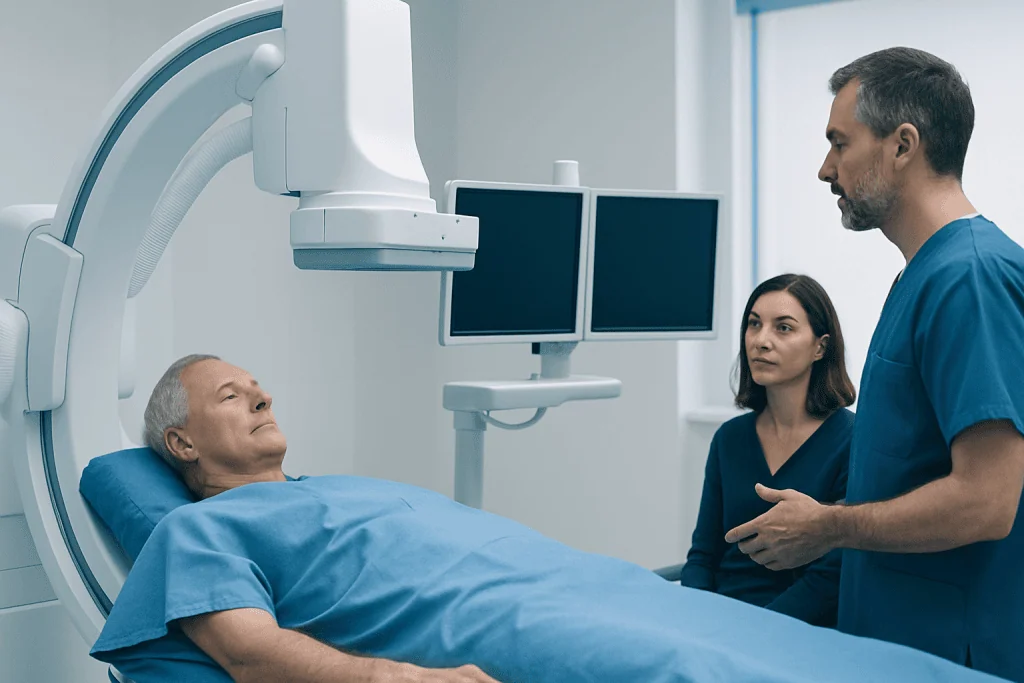
A person may be considered for carotid artery stenting if imaging shows significant narrowing in a carotid artery, particularly if there have already been symptoms related to reduced blood flow to the brain. Symptoms can include a transient ischemic attack, sometimes called a mini-stroke, or an ischemic stroke linked to the narrowed artery. In some cases, treatment is also considered in people without symptoms if the narrowing is severe and the overall stroke risk is considered meaningful.
Stenting is often discussed when surgery may carry higher risk. This can include people with certain heart or lung conditions, prior neck surgery, previous radiation to the neck, an artery narrowing that is difficult to reach surgically, or narrowing that returns after a prior procedure. In such situations, a less invasive approach may offer practical advantages.
Not every person with carotid stenosis should have a stent. Some patients are best managed with medication and lifestyle changes alone, while others may have anatomy that makes stenting less suitable. The treatment decision usually follows detailed review by specialists in vascular, neurological, and interventional care, often comparing carotid artery stenting with carotid artery disease management through surgery or medical therapy.
In general, candidacy is individualized. The team considers the degree of narrowing, whether the plaque appears stable or irregular, the person’s previous stroke history, the condition of the opposite carotid artery, and any medical issues that affect safety during or after the procedure.
Symptoms and Stroke Risk

Carotid artery narrowing often causes no symptoms until blood flow becomes limited or a clot forms. This is why some people learn they have the condition after a doctor hears a sound called a bruit in the neck, or when the narrowing is found during imaging for another reason.
When symptoms do occur, they may be brief or longer lasting. Warning signs can include sudden weakness or numbness on one side of the body, difficulty speaking, facial drooping, sudden vision loss in one eye, dizziness, or trouble with balance. Even if these symptoms resolve quickly, they can signal a transient ischemic attack and should be treated as urgent.
Not all strokes are caused by carotid artery disease, but significant carotid narrowing is an important and treatable risk factor in some patients. Specialists evaluate whether symptoms are likely related to the narrowed artery and whether the expected benefit of intervention outweighs the risks.
Prompt evaluation matters because stroke prevention is most effective when risks are recognized early. For people with symptoms suggestive of a transient ischemic attack or stroke, urgent assessment can help clarify whether carotid artery stenting, surgery, or medical treatment is the safest next step.
How Doctors Diagnose Carotid Narrowing
Diagnosis usually begins with a medical history, physical examination, and imaging tests. Doctors ask about prior stroke-like symptoms, vision changes, speech difficulty, weakness, smoking, high blood pressure, diabetes, cholesterol levels, and heart disease. These details help estimate both stroke risk and procedural safety.
The most common first test is carotid ultrasound, which uses sound waves to assess blood flow and estimate how narrow the artery has become. Additional imaging may include CT angiography or MR angiography to show the artery in more detail. In some situations, catheter angiography is performed because it provides highly detailed images and may be part of the treatment planning process.
Doctors also assess the brain and the rest of the circulation. Depending on the situation, this may include brain imaging, heart evaluation, and blood tests. The goal is not only to confirm carotid stenosis but also to identify other causes of symptoms and any conditions that need treatment before intervention.
Because several conditions can raise stroke risk, the evaluation often looks beyond the carotid arteries themselves. Patients may also be assessed for related vascular problems such as brain aneurysm or other sources of neurological symptoms when clinically appropriate.
What Happens During the Procedure
Carotid artery stenting is commonly performed in a catheter-based treatment suite. The patient is usually awake but made comfortable with medication, although the exact approach depends on the individual case. After cleaning the skin and numbing the access site, the specialist inserts a catheter into an artery, often in the groin or wrist, and guides it to the carotid artery using imaging.
A small protection device may be placed beyond the narrowing or used in another protective configuration to help capture debris. The narrowed segment is then widened, often with a balloon, and a stent is positioned to support the artery walls and improve blood flow. Once the stent is expanded and the result is checked, the devices are removed and pressure or a closure device is used at the access site.
The procedure itself usually takes a few hours or less, depending on complexity. Patients are closely monitored during and after treatment for blood pressure, heart rhythm, and any neurological changes. This careful observation helps detect uncommon but important complications early.
Carotid artery stenting may be part of a broader interventional care plan. In specialized centers, catheter-based expertise may also be used for selected neurological conditions, including aneurysm treatment or embolization, when appropriate for a patient’s diagnosis.
Recovery and Aftercare
Recovery after carotid artery stenting is often quicker than recovery after open surgery, though each person’s experience differs. Many patients stay in the hospital for observation overnight or for a short period, especially so the team can monitor blood pressure, access-site bleeding, and neurological status. Mild soreness or bruising at the catheter entry site can occur for a few days.
Most people are advised to take it easy briefly after going home. Heavy lifting and strenuous activity may be limited for a short time, while walking and light daily movement are usually encouraged. The doctor provides specific instructions about bathing, wound care, driving, returning to work, and when normal activity can be resumed.
Medication after stenting is very important. Patients are often prescribed antiplatelet medicines to reduce the risk of clotting inside the stent, along with treatment for blood pressure, cholesterol, diabetes, or other risk factors as needed. It is important not to stop prescribed medicines without medical advice.
Follow-up visits and imaging help confirm that the stent remains open and that healing is progressing well. If any new neurological symptoms, chest symptoms, severe headache, or significant swelling or bleeding at the access site develops, urgent medical attention is needed. For patients traveling internationally, coordinated follow-up planning is especially helpful; Acibadem International’s multidisciplinary specialists and JCI-accredited hospitals provide diagnosis and treatment for international patients needing carotid and neurovascular care.
Benefits, Risks, and Treatment Alternatives
The main benefit of carotid artery stenting is reducing future stroke risk in appropriately selected patients by improving blood flow and stabilizing a narrowed arterial segment. It can be especially useful when open surgery is less desirable because of anatomy, prior neck treatment, or medical conditions that increase surgical risk.
Like any procedure, carotid artery stenting has risks. These may include stroke during or after the procedure, bleeding at the catheter site, temporary blood pressure or heart rate changes, allergic reaction to contrast dye, artery injury, or narrowing returning over time. The absolute risk varies with the patient’s anatomy, age, symptoms, and the experience of the treating team.
Treatment alternatives include best medical therapy alone and carotid endarterectomy, which removes plaque through surgery. For some individuals, surgery remains the standard approach; for others, stenting may be more suitable. A shared decision with specialists helps match treatment to the patient’s needs and preferences.
Because stroke prevention often involves more than one issue, doctors also treat contributing conditions such as high blood pressure, high cholesterol, diabetes, and smoking. In broader neurovascular care, some patients may also need evaluation for conditions such as stroke treatment needs related to recent neurological events.
Prevention, Self-care, and When to See a Doctor
Whether or not a stent is needed, controlling vascular risk factors remains essential. Stopping smoking, keeping blood pressure in a healthy range, managing diabetes, treating high cholesterol, staying physically active, and eating a heart-healthy diet can all help reduce the risk of stroke and further artery disease. These steps support both short-term recovery and long-term health.
People who have already had carotid artery stenting should attend follow-up appointments and complete recommended ultrasound or other imaging checks. Ongoing surveillance helps detect restenosis, which means the artery narrows again. Many patients do very well when medicines and follow-up care are maintained consistently.
A doctor should be consulted promptly for warning signs such as sudden weakness, numbness, facial droop, difficulty speaking, sudden vision changes, or loss of balance. These symptoms can indicate a transient ischemic attack or stroke and should be treated as a medical emergency, even if they improve quickly.
Medical advice is also important for severe headache, increasing neck pain, swelling, fever, bleeding from the access site, or any concerns about medication side effects after the procedure. Early communication with a qualified healthcare professional helps address problems safely and supports smoother recovery.
Frequently asked questions
Is carotid artery stenting the same as carotid endarterectomy?
No. Carotid artery stenting is a minimally invasive catheter-based procedure that places a stent inside the artery, while carotid endarterectomy is an open operation that removes plaque from the artery. Both aim to reduce stroke risk, but the best choice depends on the patient’s anatomy, symptoms, and overall health.
How long does recovery after carotid artery stenting usually take?
Many patients recover relatively quickly and spend only a short time in the hospital. Light activity often resumes within days, but the exact timeline depends on the individual, the access site used, and the doctor’s instructions.
Will a patient need medication after the stent is placed?
Yes, medication is usually an important part of care after carotid artery stenting. Antiplatelet medicines are commonly prescribed to help prevent clot formation in the stent, and many patients also need treatment for blood pressure, cholesterol, or diabetes.
Can carotid artery narrowing come back after stenting?
It can happen in some patients, which is why follow-up imaging is important. Regular checkups help doctors detect restenosis early and decide whether any additional treatment is needed.
Does everyone with carotid artery stenosis need a stent?
No. Some people are best treated with medication and risk-factor control alone, while others may be better candidates for surgery. The decision depends on symptom history, the severity of narrowing, anatomy, age, and other medical conditions.
What symptoms after the procedure should prompt urgent medical care?
Urgent care is needed for sudden weakness, numbness, trouble speaking, facial drooping, vision loss, or severe dizziness because these may signal a stroke or transient ischemic attack. Significant bleeding, swelling at the catheter site, chest symptoms, or severe headache should also be evaluated promptly.
References
- American Heart Association
- American Stroke Association
- National Institute of Neurological Disorders and Stroke
- Society for Vascular Surgery
- European Stroke Organisation
This article is for general information only and is not a substitute for professional medical advice. Please consult a qualified doctor about your individual situation.
Explore treatments in Turkey — costs, top hospitals & a free quote
JCI-accredited · board-certified surgeons · reply within 24h
Add us as a Preferred Source to see more of our trusted health content across Google Search, AI Overviews and Discover.
Check your numbers in seconds
BMI, calories, due date, blood pressure and 30+ more clinical calculators — free, instant, doctor-reviewed ranges.

More from the Health Library



Related Specialists
Prof. Dr. Murat Bozkurt
Orthopedic Surgery & Traumatology
Prof. Dr. Cahide Soydaş Çınar
Cardiology
Dr. Tarik Yanik
Otorhinolaryngology
Prof. Dr. Faruk Buyru
Gynecology & Obstetrics