Carpal Tunnel — Explained by Medical Evidence, Not Myths

Carpal tunnel happens when the median nerve is compressed in a narrow passage in the wrist. Typical symptoms include numbness, tingling, night discomfort, and weakness in the thumb, index, middle, and part of the ring finger.
Key Takeaways
- Carpal tunnel happens when the median nerve is compressed in a narrow passage in the wrist.
- Typical symptoms include numbness, tingling, night discomfort, and weakness in the thumb, index, middle, and part of the ring finger.
- Not all hand numbness is carpal tunnel, so diagnosis may include a physical exam and nerve tests.
- Many people improve with wrist splinting, activity changes, and other non-surgical treatments.
- Persistent weakness, dropping objects, or ongoing numbness should be assessed by a doctor.
Carpal tunnel is a common condition caused by pressure on the median nerve as it passes through the wrist. It can lead to numbness, tingling, pain, and weakness in the hand, and medical evaluation can help confirm the cause and guide effective treatment.
Overview: what carpal tunnel really means
Carpal tunnel is a condition in which the median nerve becomes compressed as it travels through a narrow space in the wrist called the carpal tunnel. This pressure can cause numbness, tingling, pain, or weakness in the hand, especially in the thumb, index finger, middle finger, and part of the ring finger. In many cases, the symptoms develop gradually rather than all at once.
A common myth is that carpal tunnel is caused only by typing. In reality, typing may aggravate symptoms in some people, but carpal tunnel has multiple contributors, including wrist anatomy, repetitive hand use, pregnancy, inflammatory conditions, diabetes, and fluid retention. Another misconception is that every case of hand tingling is carpal tunnel; other problems, including neck conditions or other nerve disorders, can produce similar symptoms.
Medical evidence shows that early recognition matters. Mild symptoms may improve with simple steps such as changing hand positions, reducing strain, and using a night splint. If symptoms are ignored for a long time, nerve compression can become more severe and may lead to persistent weakness or loss of hand function.
Symptoms and how they may change over time
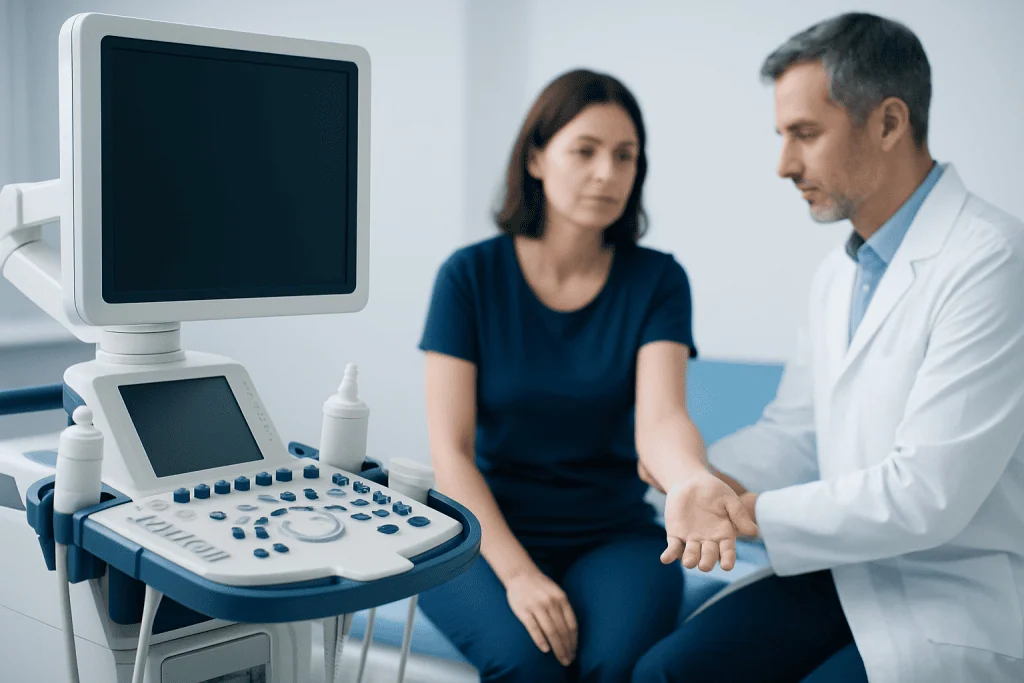
Carpal tunnel symptoms often begin subtly. Many people first notice tingling or numbness in the fingers at night or on waking. Some describe the need to shake the hand out to relieve the sensation. Symptoms may also appear while holding a phone, driving, reading, or doing tasks that keep the wrist bent for a long time.
As the condition progresses, symptoms can become more frequent during the day. Pain may spread from the wrist into the hand or sometimes up the forearm. Some people notice clumsiness, difficulty buttoning clothes, trouble gripping small objects, or a tendency to drop items unexpectedly.
In more advanced cases, the muscles at the base of the thumb may weaken. This can make pinching and fine hand movements harder. Although symptoms often affect both hands, one side may be worse than the other, usually the hand used more often.
- Numbness or tingling in the thumb, index, middle, and part of the ring finger
- Nighttime symptoms that disturb sleep
- Aching in the wrist or hand
- Weak grip or trouble holding objects
- Relief after changing hand position or shaking the hand
Why it happens: causes and risk factors
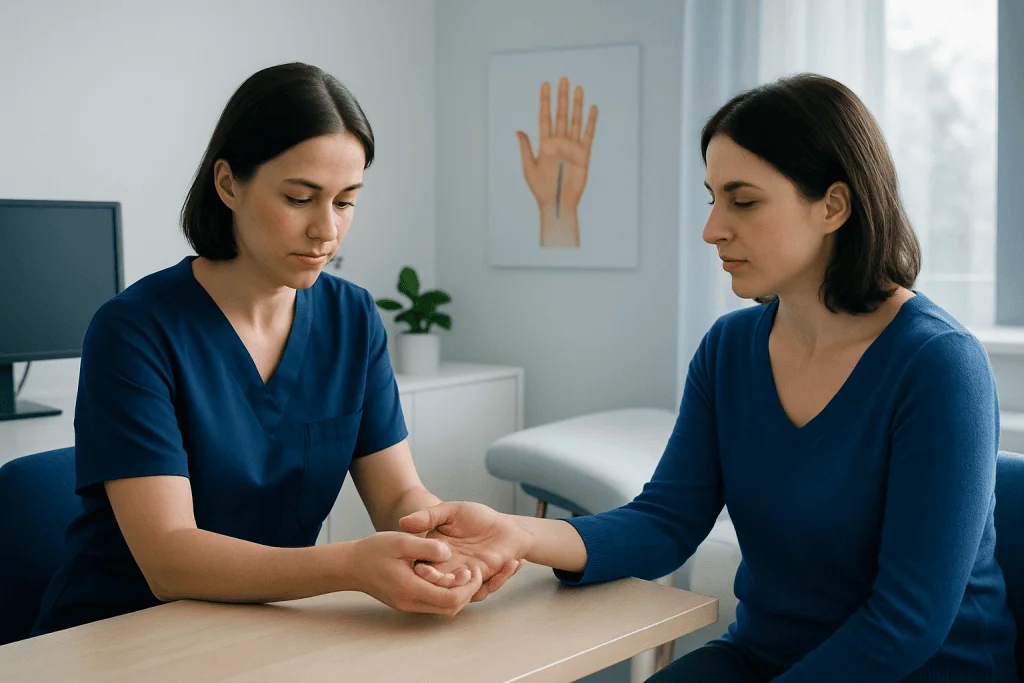
The carpal tunnel is a narrow passage formed by wrist bones and a strong ligament. The median nerve and flexor tendons pass through this space. Carpal tunnel symptoms develop when swelling, irritation, or structural crowding increases pressure within the tunnel and compresses the nerve.
Many factors can play a role. Repetitive or forceful hand motions may contribute, particularly when combined with awkward wrist positions, vibration exposure, or prolonged gripping. However, everyday work or computer use alone does not explain every case. Some people are simply more prone to the condition because of their wrist structure or underlying medical conditions.
Risk may be higher during pregnancy, with thyroid disease, diabetes, rheumatoid arthritis, obesity, or fluid retention. Past wrist injury can also narrow the tunnel or change its shape. In some people, no single cause is identified, and the condition develops from a combination of factors.
Because symptoms can overlap with other conditions, doctors may also consider problems such as neck-related nerve symptoms or other compression neuropathies. Distinguishing among these causes is important because treatment works best when it targets the actual source of symptoms.
How doctors diagnose carpal tunnel
Diagnosis usually starts with a medical history and physical examination. A doctor asks which fingers are affected, when symptoms occur, whether they wake the person from sleep, and whether there is hand weakness or dropping of objects. The pattern of symptoms often provides valuable clues.
During the examination, the doctor may test sensation, thumb strength, grip, and wrist movement. Certain maneuvers that place pressure on the nerve or bend the wrist may reproduce symptoms, although no single office test confirms the diagnosis by itself. The goal is to build a complete picture rather than rely on one sign.
If the diagnosis is uncertain, or if symptoms are persistent or severe, nerve conduction studies and electromyography may be recommended. These tests help show whether the median nerve is being compressed and how significant the problem is. Imaging is not always necessary, but ultrasound or other studies may be useful in selected cases to look at the nerve and surrounding structures.
Careful diagnosis also helps rule out problems such as tendon disorders, arthritis, generalized neuropathy, or a cervical spine issue. When symptoms are complex, specialists in neurology, orthopedics, hand surgery, or rehabilitation may work together to guide treatment.
Treatment options: from conservative care to surgery
Treatment depends on how long symptoms have been present, how severe they are, and whether there is evidence of nerve damage. For mild or early carpal tunnel, doctors often recommend non-surgical treatment first. This may include avoiding positions that keep the wrist bent, taking breaks from repetitive tasks, improving work ergonomics, and wearing a neutral-position wrist splint, especially at night.
Some people also benefit from supervised hand therapy, stretching guidance, and treatment of contributing conditions such as diabetes, thyroid disease, or inflammatory arthritis. Anti-inflammatory strategies may help some patients, but medication choices should be individualized by a qualified clinician. If symptoms are not clearly due to carpal tunnel alone, further evaluation may be needed before deciding on a treatment plan.
When symptoms continue despite conservative care, or when there is ongoing numbness, muscle weakness, or evidence of more significant nerve compression, a doctor may discuss procedures to relieve pressure on the median nerve. This may include targeted injections in selected cases or an operation called carpal tunnel release, which involves cutting the tight ligament over the tunnel to create more space for the nerve.
Surgical treatment is generally considered when symptoms are persistent, function is affected, or nerve testing suggests more advanced compression. Some people may also need assessment for related hand or wrist problems, and in broader musculoskeletal care settings this can be coordinated through orthopedic rehabilitation or hand-focused recovery plans after treatment.
Self-care, prevention, and daily habits that may help
Not every case of carpal tunnel can be prevented, but certain habits may reduce strain on the wrist and support symptom control. Keeping the wrist in a neutral rather than sharply bent position is often helpful. During repeated hand tasks, brief pauses and posture changes can reduce cumulative stress.
Workstation adjustments may make a difference for some people. A keyboard or mouse setup that allows the wrists to stay straight can be more comfortable, and forceful gripping should be minimized where possible. People who use vibrating tools or perform repetitive manual work may benefit from task rotation and protective strategies advised by occupational health professionals.
General health also matters. Managing blood sugar, maintaining a healthy weight, treating thyroid or inflammatory conditions, and staying physically active can support nerve health overall. During pregnancy, symptoms may improve after delivery, but it is still sensible to seek advice if numbness or weakness becomes troublesome.
- Use a night splint if recommended by a clinician
- Take regular breaks during repetitive hand activities
- Try to keep wrists in a neutral position
- Address underlying conditions that may increase nerve compression risk
- Seek reassessment if symptoms are worsening rather than improving
When to seek medical care
Medical review is appropriate if hand numbness, tingling, or pain keeps returning, interferes with sleep, or affects daily activities. An evaluation is especially important if symptoms have lasted for several weeks, are getting worse, or are not improving with simple adjustments such as rest or a splint.
Prompt assessment is recommended if there is clear weakness, difficulty pinching or gripping, visible thinning of the muscles at the base of the thumb, or frequent dropping of objects. These signs can suggest more significant nerve compression and may mean that treatment should not be delayed.
A doctor should also evaluate symptoms that do not fit the usual carpal tunnel pattern, such as numbness involving the little finger, pain beginning in the neck or shoulder, or widespread symptoms in both hands and feet. These features may point to another diagnosis and deserve careful investigation.
For international patients who need coordinated evaluation, Acibadem International’s multidisciplinary specialists and JCI-accredited hospitals diagnose and treat nerve and hand conditions with individualized care. In some cases, related assessment may involve neurology or broader physical therapy and rehabilitation support depending on the cause of symptoms.
Frequently asked questions
Is carpal tunnel caused only by computer use?
No. Computer work may worsen symptoms in some people, but carpal tunnel usually develops from a combination of factors such as wrist anatomy, repetitive hand use, pregnancy, diabetes, thyroid disease, inflammation, or prior injury. That is why two people with similar jobs may have very different experiences.
Which fingers are usually affected by carpal tunnel?
Carpal tunnel most often affects the thumb, index finger, middle finger, and part of the ring finger. The little finger is usually spared because it is supplied by a different nerve. If the little finger is involved, doctors may consider another cause.
Can carpal tunnel go away on its own?
Mild symptoms sometimes improve, especially if the trigger is temporary, such as pregnancy-related swelling or repetitive strain that can be reduced. However, persistent or worsening symptoms should be assessed by a doctor. Ongoing nerve compression can become harder to reverse if left untreated.
How is carpal tunnel confirmed?
Doctors diagnose carpal tunnel using the symptom pattern, physical examination, and sometimes nerve conduction studies or electromyography. These tests help measure how well the median nerve is working and can show whether compression is mild or more advanced. They are especially useful when the diagnosis is uncertain or surgery is being considered.
Is surgery always needed for carpal tunnel?
No. Many people improve with non-surgical measures such as splinting, activity modification, and treatment of contributing conditions. Surgery is usually considered when symptoms persist, interfere with hand function, or when there is evidence of significant nerve compression.
What happens if carpal tunnel is not treated?
Without treatment, symptoms may become more frequent and more severe. Some people develop lasting numbness or weakness, particularly in the muscles at the base of the thumb. Early evaluation can help prevent avoidable nerve damage.
References
- National Institute of Neurological Disorders and Stroke
- American Academy of Orthopaedic Surgeons
- National Institute of Arthritis and Musculoskeletal and Skin Diseases
- Mayo Clinic
- Merck Manual
This article is for general information only and is not a substitute for professional medical advice. Please consult a qualified doctor about your individual situation.
Explore treatments in Turkey — costs, top hospitals & a free quote
JCI-accredited · board-certified surgeons · reply within 24h
Add us as a Preferred Source to see more of our trusted health content across Google Search, AI Overviews and Discover.