Cartilaginous Joints: What Connects the Bones and Why It Matters

Cartilaginous joints connect bones using cartilage and usually allow little or no movement. The two main types are synchondroses and symphyses.
Key Takeaways
- Cartilaginous joints connect bones using cartilage and usually allow little or no movement.
- The two main types are synchondroses and symphyses.
- These joints help support the body, absorb pressure, and protect nearby structures.
- Common examples include the discs between vertebrae, the pubic symphysis, and rib connections.
- Pain in cartilaginous joints may come from injury, wear and tear, inflammation, or posture-related strain.
- Evaluation may include a physical exam and imaging such as X-ray or MRI, depending on symptoms.
Cartilaginous joints are places where bones are connected by cartilage rather than a fluid-filled joint space. They help provide stability, absorb shock, and allow limited movement in important areas such as the spine, chest, and pelvis.
Overview: What Are Cartilaginous Joints?
Cartilaginous joints are joints in which two bones are connected by cartilage. Unlike highly mobile joints such as the shoulder or knee, these joints are designed more for support and controlled flexibility than for wide movement. They play an important role in everyday activities by helping the body stay stable while still allowing small, useful motions.
Cartilage is a smooth, strong connective tissue that can cushion pressure and reduce friction. In cartilaginous joints, it acts as the material that links one bone to another. This structure makes these joints especially useful in areas that need both strength and resilience, such as the spine, rib cage, and pelvis.
There are two main types of cartilaginous joints: synchondroses and symphyses. Some are temporary and related to growth, while others remain throughout adult life. Although they may not receive as much attention as more mobile joints, they are essential to posture, breathing mechanics, shock absorption, and weight transfer.
Types of Cartilaginous Joints
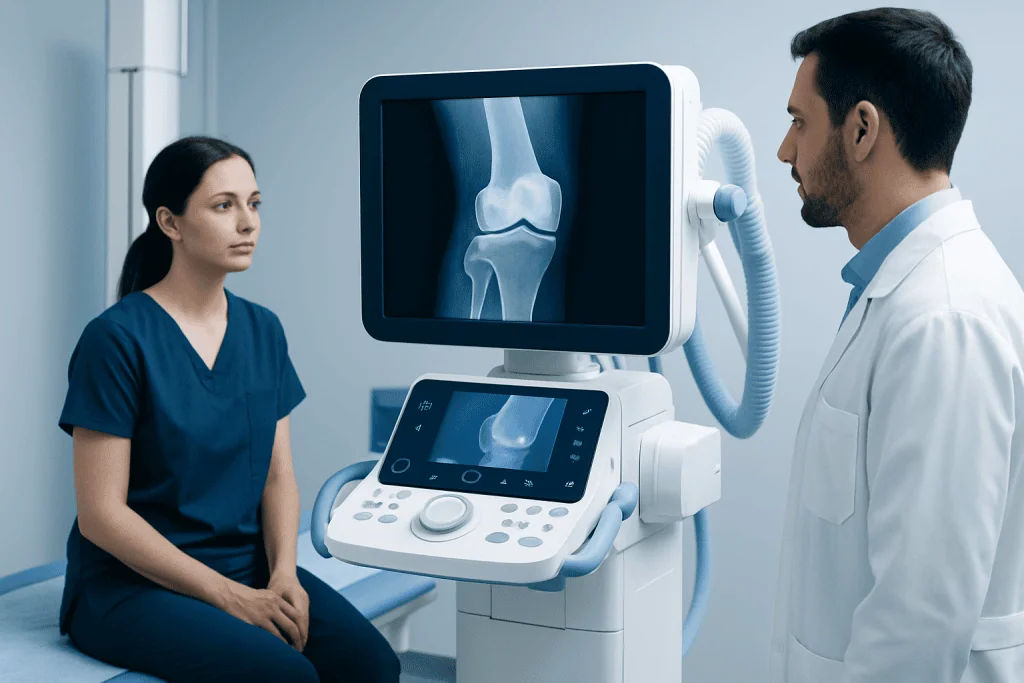
The first type is a synchondrosis. In a synchondrosis, bones are connected by hyaline cartilage. These joints usually allow very little or no movement. A well-known example is the growth plate in children, where developing bone is linked by cartilage until growth is complete. Another example is the connection between the first rib and the breastbone.
The second type is a symphysis. In a symphysis, bones are joined by fibrocartilage, which is tougher and better able to resist compression. These joints allow a small amount of movement while also offering strong support. The discs between the vertebrae and the pubic symphysis in the pelvis are classic examples.
Each type has a different purpose. Synchondroses are often linked to growth and firm support, while symphyses are especially important for absorbing forces and allowing slight movement under stress. Together, they help the skeleton function as a connected, adaptable framework.
- Synchondroses: hyaline cartilage, minimal movement, often related to growth or firm structural support
- Symphyses: fibrocartilage, slight movement, excellent at shock absorption and load sharing
Where They Are Found and Why They Matter
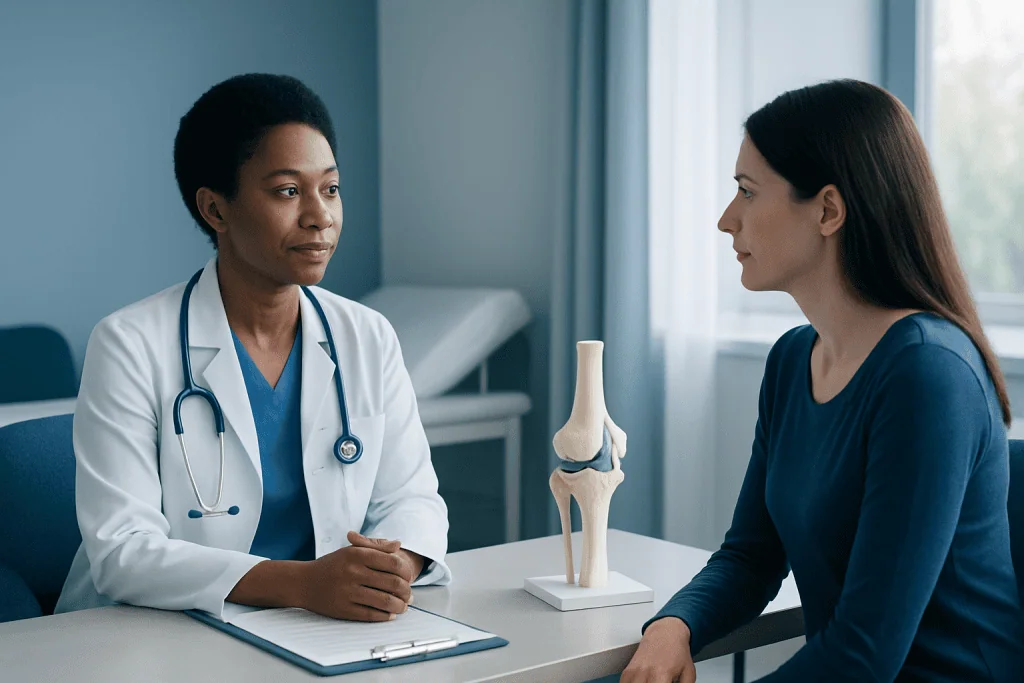
Cartilaginous joints are found in several key parts of the body. In the spine, intervertebral discs sit between the vertebrae and act as symphyses. They help the back bend slightly, distribute body weight, and absorb the repeated forces of standing, walking, lifting, and turning. Problems in these structures may overlap with conditions affecting the herniated disc or other spinal tissues.
In the chest, cartilaginous connections between certain ribs and the sternum help the rib cage stay stable while still expanding and contracting during breathing. In the pelvis, the pubic symphysis supports the front of the pelvic ring and can become especially important during pregnancy and childbirth, when natural hormonal changes may increase flexibility.
These joints matter because they help the body balance strength and motion. Without them, the skeleton would be either too rigid or too unstable. Their ability to absorb pressure protects bones and nearby soft tissues, making them essential for movement efficiency and structural health over time.
Symptoms and Problems That Can Affect Cartilaginous Joints
Healthy cartilaginous joints usually go unnoticed. When they become irritated or damaged, symptoms can include localized pain, tenderness, stiffness, or a sense of pressure. Symptoms often depend on the location. In the spine, a person may notice back or neck discomfort, reduced flexibility, or pain that worsens with prolonged sitting, bending, or lifting. In the chest wall, pain may be felt with deep breathing or certain upper-body movements.
At the pubic symphysis, symptoms may include pain in the front of the pelvis, discomfort when walking, climbing stairs, or turning in bed, and a feeling of instability. Athletes may develop stress-related irritation in these joints from repetitive force, while older adults may experience degeneration related to aging and daily wear.
Not every symptom comes directly from the cartilage itself. Surrounding ligaments, muscles, bones, and nerves can also contribute to pain. Because symptoms may overlap with other conditions, a proper medical assessment is important, especially if pain is persistent, severe, or affecting daily life.
- Pain or tenderness near the joint
- Stiffness or reduced flexibility
- Discomfort with movement, pressure, or prolonged posture
- Pelvic, chest, neck, or back pain depending on location
- Symptoms that may spread if nearby nerves or muscles are involved
Causes, Risk Factors, and Related Conditions
Cartilaginous joints can be affected by injury, repetitive strain, inflammation, degeneration, or mechanical stress. In the spine, age-related changes in intervertebral discs are common and may contribute to back pain or reduced mobility. Repeated heavy lifting, poor posture, vibration exposure, or weak core support can increase stress on these structures over time. In some cases, spinal symptoms may be related to broader spinal alignment problems or degenerative change.
Inflammatory conditions can also affect cartilaginous joints. For example, some forms of arthritis or inflammatory spine disease may involve the joints and supporting tissues around them. In the chest wall, irritation of the cartilage connecting the ribs and sternum may cause pain that feels sharp or sore. In the pelvis, pregnancy, trauma, sports activity, or overuse can place extra load on the pubic symphysis.
Risk factors vary by age and lifestyle but may include repetitive physical strain, certain sports, prior injury, obesity, poor body mechanics, and inflammatory disease. While many problems improve with conservative care, recurring or unexplained pain should be assessed to identify the true cause and guide the right treatment.
How Doctors Diagnose Cartilaginous Joint Problems
Diagnosis usually begins with a medical history and physical examination. A doctor will ask where the pain is located, how long it has been present, what movements trigger it, and whether there are any associated symptoms such as numbness, weakness, swelling, fever, or difficulty walking. This helps distinguish joint-related pain from muscle, nerve, or internal organ problems.
The examination may include checking posture, range of motion, areas of tenderness, gait, and signs of instability. Depending on the location, a doctor may assess the spine, chest wall, or pelvis in detail. Imaging can be useful when symptoms are persistent, severe, or unclear. X-rays may show alignment or structural changes, while MRI is often more helpful for soft tissues and spinal discs. In selected cases, MRI imaging or X-ray evaluation can support a clearer diagnosis.
Additional tests depend on the suspected cause. Blood tests may be used if inflammation or infection is a concern. When symptoms suggest a more complex spinal problem, referral to a specialist may be recommended. The goal is not only to identify the affected joint but also to understand why symptoms are happening.
Treatment Options and Self-Care
Treatment depends on the location of the joint problem, the cause, and the severity of symptoms. Many cartilaginous joint conditions improve with conservative care. This may include relative rest, activity modification, posture correction, and guided exercises to improve flexibility and muscle support. Physical therapy is often an important part of recovery, especially for spine- or pelvis-related symptoms. In appropriate cases, physical therapy and rehabilitation may help strengthen supporting muscles and improve movement patterns.
Doctors may also recommend pain-relief strategies such as heat or cold application and short-term use of medication when medically appropriate. For spinal disc-related problems, a treatment plan may include exercise, core stabilization, ergonomic adjustments, and weight management. Severe or persistent cases sometimes need more advanced evaluation, particularly if there are signs of nerve involvement or significant structural damage. Some people with ongoing back symptoms may benefit from specialist assessment in orthopedics and traumatology.
Self-care focuses on reducing strain without becoming inactive. Gentle movement is often better than prolonged bed rest. Supportive footwear, safe lifting technique, frequent posture changes, and targeted strengthening can all reduce pressure on cartilaginous joints. Treatment should always be individualized, especially during pregnancy, after injury, or when symptoms are affecting mobility.
Prevention and When to See a Doctor
Not all joint problems can be prevented, but everyday habits can lower the risk of strain and degeneration. Good posture, regular physical activity, and balanced muscle strength help distribute forces more evenly through the spine and pelvis. Warm-up before exercise, proper technique during sports, and safe lifting at work or home are also helpful. Maintaining a healthy weight can reduce repeated load on the body’s support structures.
It is wise to seek medical advice if pain lasts more than a few days, keeps returning, interferes with sleep or movement, or is linked to injury. Urgent care is important if symptoms include severe pain, sudden weakness, numbness, loss of bladder or bowel control, fever, unexplained weight loss, or chest pain that might have another cause. These symptoms do not always mean a serious problem, but they should be evaluated promptly.
For international patients who need assessment of spine, chest wall, or pelvic joint problems, Acibadem International’s multidisciplinary specialists in JCI-accredited hospitals provide diagnosis and treatment planning. A timely evaluation can help identify whether symptoms are due to a cartilaginous joint itself or to a related condition affecting nearby bones, muscles, or nerves.
Frequently asked questions
What is a cartilaginous joint in simple terms?
A cartilaginous joint is a place where two bones are connected by cartilage. It is built mainly for support and cushioning, so it usually allows only a small amount of movement or none at all.
What are the main types of cartilaginous joints?
The two main types are synchondroses and symphyses. Synchondroses use hyaline cartilage and are usually very stable, while symphyses use fibrocartilage and allow slight movement with good shock absorption.
Where are cartilaginous joints found in the body?
They are found in important support areas such as between the vertebrae, between some ribs and the sternum, and at the pubic symphysis in the pelvis. Some are also present during growth in children and later change as the skeleton matures.
Can cartilaginous joints cause pain?
Yes, they can become painful because of injury, inflammation, degeneration, pregnancy-related strain, or repetitive stress. However, pain in these areas can also come from nearby muscles, ligaments, or nerves, so proper evaluation is helpful.
How are problems with cartilaginous joints diagnosed?
Doctors usually start with a history and physical exam to understand the pattern of symptoms. If needed, imaging such as X-ray or MRI may be used to look for structural changes or related problems in surrounding tissues.
How are cartilaginous joint problems treated?
Treatment often includes rest from aggravating activities, physical therapy, posture improvement, and symptom relief measures. More specialized treatment may be needed if pain is severe, persistent, or linked to nerve symptoms or structural damage.
References
- Cleveland Clinic
- MedlinePlus
- National Institute of Arthritis and Musculoskeletal and Skin Diseases
- American Academy of Orthopaedic Surgeons
- Merck Manual Consumer Version
This article is for general information only and is not a substitute for professional medical advice. Please consult a qualified doctor about your individual situation.
Joint and spine care in Turkey — expert assessment & treatment
JCI-accredited · board-certified surgeons · reply within 24h
Add us as a Preferred Source to see more of our trusted health content across Google Search, AI Overviews and Discover.