Cataract — Explained by Medical Evidence, Not Myths
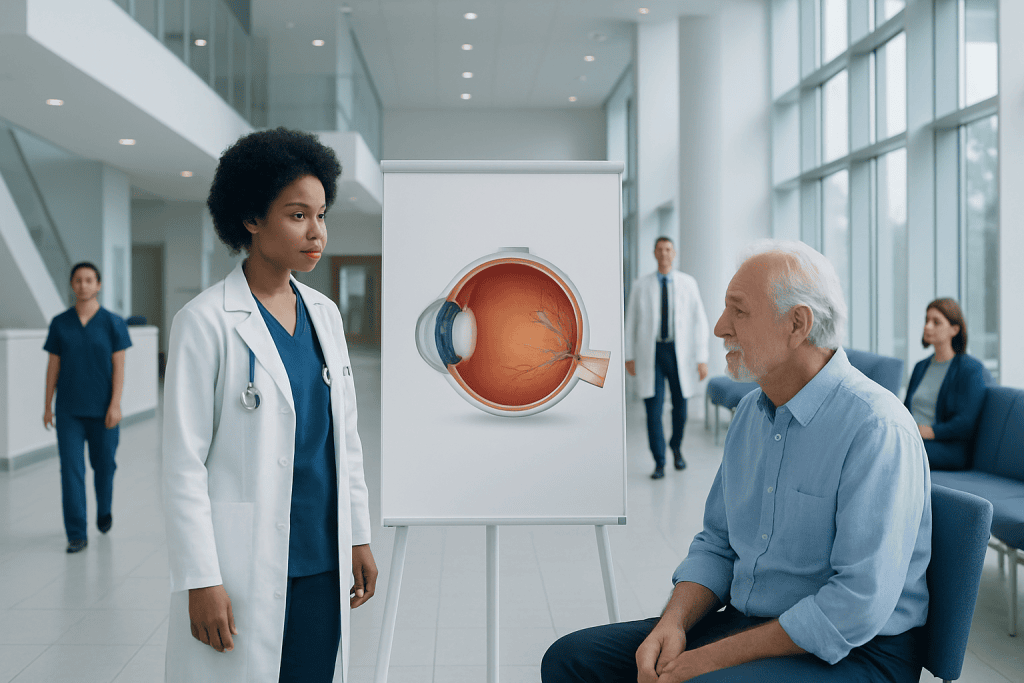
A cataract is not a growth on the eye; it is a change in the eye’s natural lens. Common symptoms include blurred vision, glare from lights, faded colors, and poorer night vision.
Key Takeaways
- A cataract is not a growth on the eye; it is a change in the eye’s natural lens.
- Common symptoms include blurred vision, glare from lights, faded colors, and poorer night vision.
- Age is the most common risk factor, but diabetes, smoking, eye injury, and steroid use can also contribute.
- Cataracts are diagnosed with a comprehensive eye examination.
- Surgery is the only treatment that removes a cataract and restores clarity when vision problems become significant.
A cataract is a clouding of the eye’s natural lens that makes vision less clear, often causing blur, glare, and difficulty seeing at night. It usually develops gradually, and while glasses may help for a time, definitive treatment is cataract surgery when symptoms begin to affect daily life.
Overview: what a cataract really is
A cataract is a clouding of the eye’s clear natural lens. This lens sits behind the colored part of the eye and helps focus light onto the retina so a person can see clearly. When the lens becomes cloudy, light does not pass through in the usual way, and vision may become blurred, dim, or less sharp.
Cataracts are very common, especially with aging. They usually develop slowly, which is one reason people may not notice the changes at first. Many people assume vision is simply “getting older,” when in fact a cataract may be the cause. Unlike myths that suggest a cataract is a film over the eye or something caused by reading too much, it is a structural change within the lens itself.
Not every cataract needs immediate surgery. In early stages, brighter lighting, updated glasses, and reducing glare may improve day-to-day function. However, cataracts do not go away on their own, and if they continue to interfere with reading, driving, work, or hobbies, an eye specialist may recommend cataract surgery.
Symptoms and how vision changes over time
The most common symptom of a cataract is blurred or cloudy vision. Some people describe it as looking through a foggy window or a smudged camera lens. Vision may seem less crisp even with glasses, and everyday tasks such as reading small print or recognizing faces at a distance may become more difficult.
Other common symptoms include glare and sensitivity to bright light, especially from headlights at night. Colors may appear less vivid or more yellowed, and some people notice halos around lights. Night driving often becomes one of the first activities affected because contrast is reduced and bright oncoming lights can feel uncomfortable.
Changes are often gradual rather than sudden. In some cases, a person may temporarily feel that near vision has improved, but this is usually short-lived and does not mean the cataract is healing. If vision suddenly becomes very poor, painful, or is accompanied by flashes, many floaters, or loss of part of the visual field, another eye problem may be present and should be assessed promptly.
- Blurred or cloudy vision
- Glare or halos around lights
- Difficulty seeing at night
- Colors looking faded or yellow
- Frequent changes in glasses prescription
- Double vision in one eye in some cases
Causes, types, and risk factors
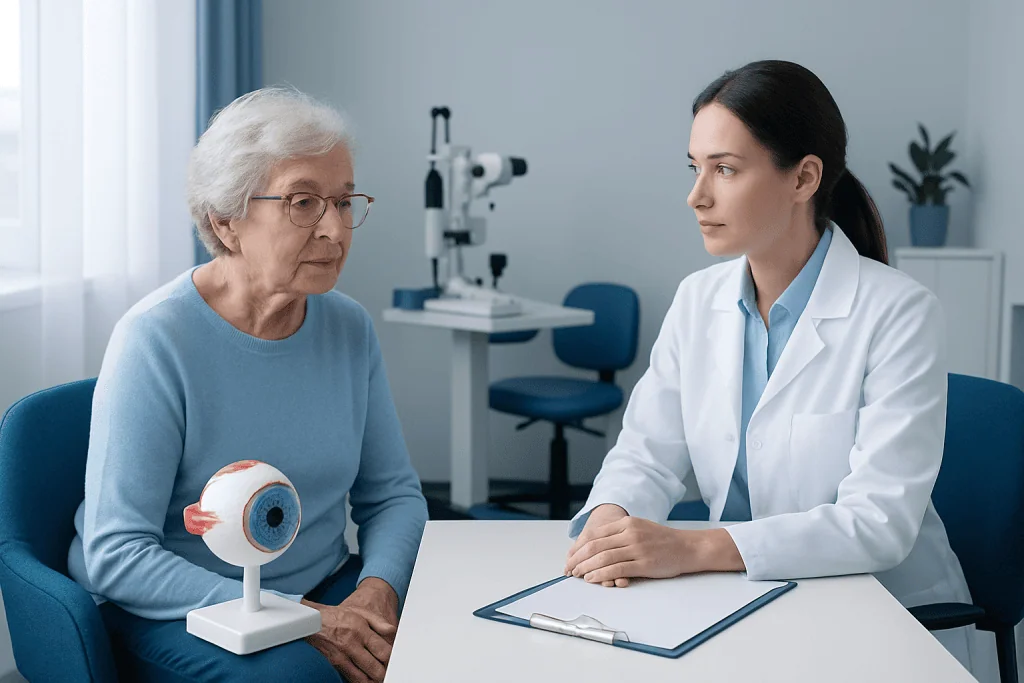
The most common cause of cataract is age-related change in the proteins of the natural lens. Over time, these proteins can clump together and make the lens less transparent. This process is usually gradual and may affect one or both eyes, although not always equally.
There are several types of cataract. Nuclear cataracts affect the central part of the lens and are often linked to aging. Cortical cataracts begin in the outer edge of the lens and may cause more glare. Posterior subcapsular cataracts form at the back of the lens and may affect reading vision and bright-light tolerance earlier. Children can also be born with cataracts or develop them in infancy, which needs specialist assessment.
Several factors can increase the chance of developing cataracts earlier or more quickly. These include diabetes, smoking, long-term corticosteroid use, significant ultraviolet light exposure, previous eye surgery, eye injury, and inflammation inside the eye. Some other eye conditions may coexist with cataract, such as glaucoma or retinal detachment, which is why a full eye examination is important rather than assuming all vision change is due to cataract alone.
How cataracts are diagnosed
Cataracts are diagnosed through a comprehensive eye examination. An eye doctor will ask about symptoms, how long they have been present, and how much they affect daily activities. Reading, driving, computer use, and sensitivity to glare all help show how significant the problem has become.
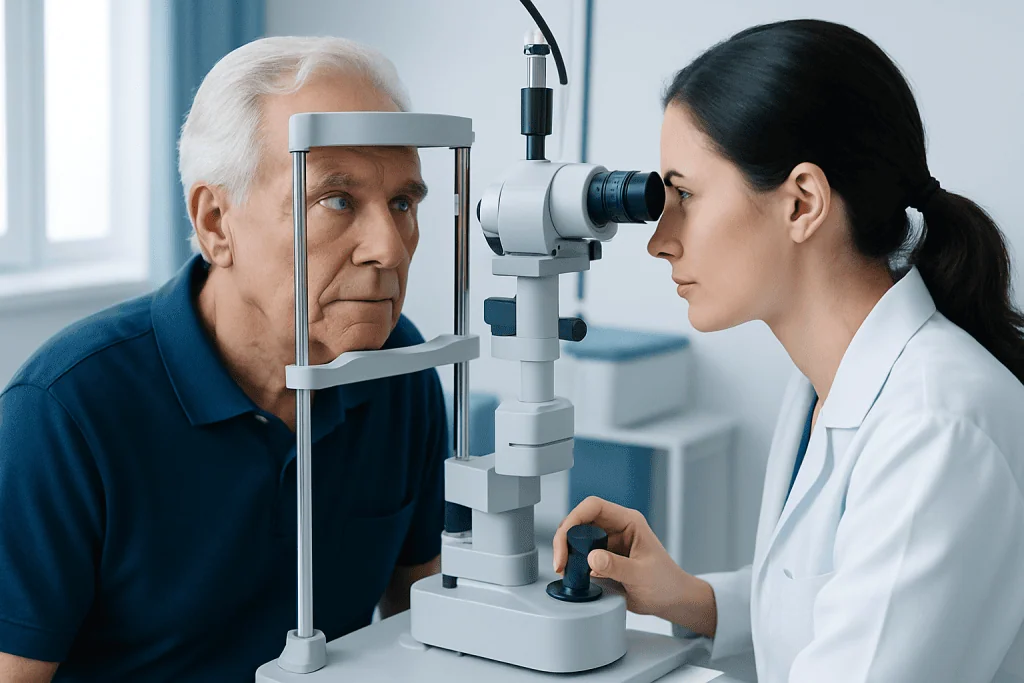
The examination often includes a vision test, measurement of glasses prescription, and slit-lamp examination, which allows the doctor to look at the lens in detail. Eye drops may be used to dilate the pupils so the back of the eye can also be examined. This helps identify whether cataract is the main reason for reduced vision or whether another eye condition is also contributing.
If surgery is being considered, additional measurements are usually taken to help plan the procedure and select the appropriate intraocular lens implant. In some patients, imaging tests may be used to assess the retina or other structures more closely. When the view to the back of the eye is blocked by a dense cataract, ultrasound or other investigations may be helpful to rule out other causes of vision loss.
Treatment options and what surgery involves
In early cataract, treatment may focus on symptom management. A stronger glasses prescription, anti-glare lenses, magnifying aids, brighter reading light, and limiting night driving can help for a period of time. These measures do not remove the cataract, but they may improve comfort and function while symptoms are still mild.
The only definitive treatment for cataract is surgery. During surgery, the cloudy natural lens is removed and replaced with a clear artificial lens called an intraocular lens. Cataract surgery is typically performed one eye at a time, and it is generally recommended when the cataract affects quality of life or makes it harder to perform necessary daily tasks safely.
Lens choice is individualized. Some lenses are designed mainly for distance vision, while others may help reduce dependence on glasses for more than one range of vision. In certain cases, cataract surgery may be combined with or planned alongside treatment for other eye conditions, such as glaucoma treatment if pressure control is also an issue. An ophthalmologist explains the expected benefits, limits, and risks based on the patient’s eye health and visual goals.
Most people recover well after surgery, but vision may not be perfect immediately. Temporary light sensitivity, mild irritation, and the need for prescribed eye drops are common in the short term. Follow-up visits are important to monitor healing and check for uncommon complications such as infection, swelling, increased eye pressure, or movement of the implanted lens.
Prevention, eye protection, and self-care
Not all cataracts can be prevented, because aging remains the leading risk factor. Still, healthy habits may help support long-term eye health and possibly slow progression in some individuals. Protecting the eyes from excessive ultraviolet light by wearing sunglasses and a brimmed hat outdoors is a practical step.
Managing health conditions also matters. Good diabetes control, avoiding smoking, and discussing long-term steroid use with a doctor when appropriate may reduce risk. Regular eye examinations are especially important for older adults and for anyone with diabetes, previous eye injury, or a family history of significant eye disease.
Self-care can also reduce day-to-day visual strain before surgery is needed. Helpful measures include increasing home lighting, using task lamps for reading, reducing screen glare, keeping eyewear prescriptions updated, and asking family members for support with tasks such as nighttime driving if vision has become unreliable. These steps do not replace medical care, but they can make daily life more comfortable and safer.
When to seek medical care
A person should arrange an eye examination if vision becomes blurred, colors seem duller, night driving grows difficult, or bright lights cause bothersome glare. Even if symptoms seem mild, an eye check can confirm whether cataract is the cause and whether any other eye problem is present.
Urgent medical attention is needed if vision changes suddenly, if there is eye pain, redness, flashes of light, a sudden shower of floaters, or a dark curtain across the vision. These symptoms are not typical of routine cataract progression and may signal another condition that needs prompt treatment, such as retinal detachment surgery or care for acute eye disease.
People who are considering surgery often benefit from discussing not only vision tests but also practical concerns such as driving safety, reading, work needs, and the presence of other eye conditions. Near the end of the care pathway, some patients choose evaluation at centers with broad ophthalmology expertise; Acibadem International’s multidisciplinary specialists and JCI-accredited hospitals diagnose and treat cataract for international patients.
Frequently asked questions
Can a cataract go away without treatment?
No. A cataract does not usually clear on its own because it is caused by clouding of the eye’s natural lens. Glasses and better lighting may help symptoms for a time, but surgery is the only way to remove the cloudy lens.
Is cataract surgery always necessary?
Not always right away. Surgery is usually recommended when the cataract affects daily activities such as reading, driving, working, or recognizing faces comfortably. The decision is based on symptoms and quality of life, not just on the appearance of the cataract alone.
Are cataracts only caused by aging?
Aging is the most common cause, but it is not the only one. Diabetes, smoking, eye injury, steroid use, inflammation in the eye, and some congenital conditions can also contribute to cataract development.
Can glasses fix a cataract?
Glasses cannot remove a cataract, but they may improve vision in the early stages. As the lens becomes more cloudy, frequent prescription changes may stop being helpful enough, and surgery may be the more effective option.
What is vision like after cataract surgery?
Many people notice clearer, brighter vision after healing, but the exact result depends on the health of the rest of the eye and the type of lens implanted. Some patients still need glasses for certain tasks, especially reading or very detailed work.
How fast do cataracts progress?
Progression varies from person to person. Some cataracts change slowly over years, while others affect vision more quickly, especially if additional risk factors are present. Regular eye follow-up helps track changes and guide the right timing for treatment.
References
- American Academy of Ophthalmology
- National Eye Institute
- Centers for Disease Control and Prevention
- World Health Organization
This article is for general information only and is not a substitute for professional medical advice. Please consult a qualified doctor about your individual situation.
Explore treatments in Turkey — costs, top hospitals & a free quote
JCI-accredited · board-certified surgeons · reply within 24h
Add us as a Preferred Source to see more of our trusted health content across Google Search, AI Overviews and Discover.