Cataract Surgery Bel Air: Procedure, Recovery and Results

Cataract surgery usually uses ultrasound to break up and remove the cloudy lens before an intraocular lens is placed. Most patients do not need bed rest after cataract surgery, but should avoid rubbing the eye, heavy lifting and strenuous activity initially.
Key Takeaways
- Cataract surgery usually uses ultrasound to break up and remove the cloudy lens before an intraocular lens is placed.
- Most patients do not need bed rest after cataract surgery, but should avoid rubbing the eye, heavy lifting and strenuous activity initially.
- Temporary blur, glare, dryness and light sensitivity are common early recovery concerns and usually improve with healing.
- Follow-up visits and prescribed eye drops are important for preventing infection, controlling inflammation and monitoring vision.
- Sudden vision loss, severe or worsening pain, marked redness, flashes or many new floaters require urgent eye assessment.
Cataract surgery in Bel Air and elsewhere is a common outpatient procedure that removes a cloudy natural lens and replaces it with a clear artificial lens. Most people return to light daily activities within days, while vision typically continues to settle over several weeks under the guidance of their eye surgeon.
Cataract Surgery Bel Air: What the Procedure Involves
Cataract surgery Bel Air patients may consider is designed to restore clearer vision when the eye’s natural lens becomes cloudy. A cataract can make colors seem dull, lights appear glaring, and reading, driving or recognizing faces more difficult. Surgery is generally recommended when these changes interfere with everyday activities or quality of life, rather than based on cataract appearance alone.
The operation removes the clouded lens and replaces it with a permanent artificial intraocular lens (IOL). It is usually performed as an outpatient procedure under local anesthesia with numbing eye drops, sometimes alongside medicine to help the person relax. The goal is to improve vision affected by the cataract; the final result can also depend on other eye conditions, such as glaucoma, retinal disease or corneal problems.
For people searching for cataract surgery in Bel Air, MD, an ophthalmology assessment is the appropriate first step. The surgeon can explain whether symptoms are due to a cataract, discuss lens choices, and provide individualized advice about expected visual outcomes and recovery.
How Cataract Surgery Works and Who May Be a Candidate
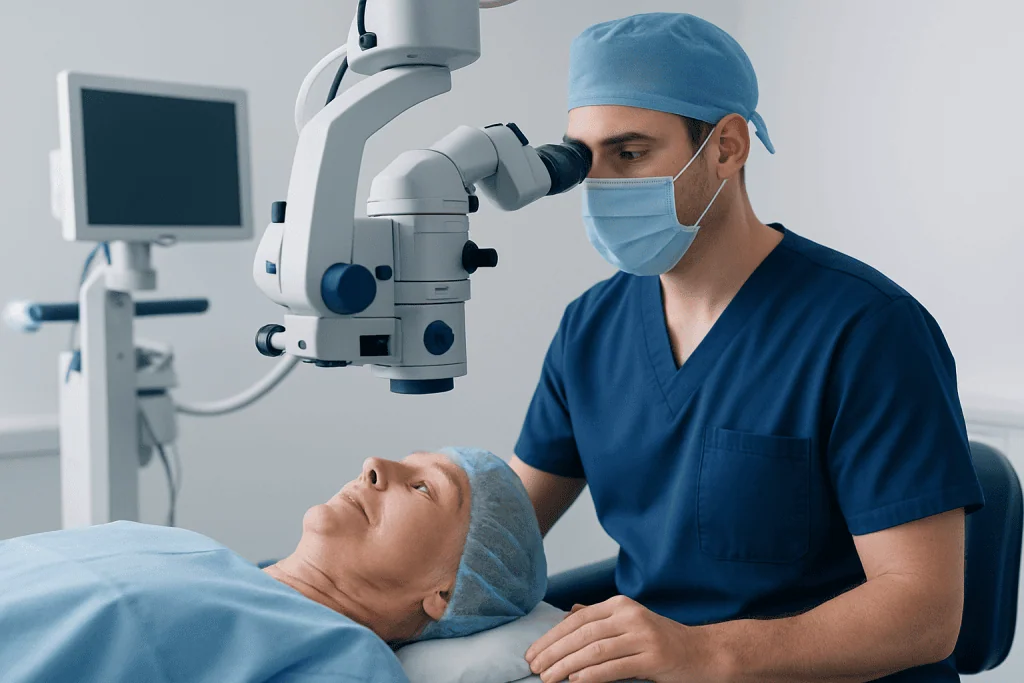
The most commonly used technique is phacoemulsification. Through a very small incision in the cornea, the surgeon uses ultrasound energy to break the cloudy lens into tiny pieces and gently removes them. The lens capsule, a thin natural membrane surrounding the lens, is usually left in place to support the new IOL.
IOLs come in several designs. A standard monofocal lens generally provides clear vision at one main distance, so glasses may still be needed for reading or distance tasks. Other lens options may address astigmatism or reduce dependence on glasses for more than one range of vision. No lens can guarantee freedom from glasses, and the most suitable option depends on eye measurements, lifestyle, visual priorities and the health of the eye.
Potential candidates usually have visually significant cataracts and are well enough to undergo a short outpatient operation. Diabetes, use of blood-thinning medicines, prior eye surgery and conditions affecting the retina or optic nerve do not automatically prevent surgery, but they may change planning or expectations. A person with cataract surgery and Bell’s palsy needs particular attention to eyelid closure and corneal protection, because facial weakness can lead to eye dryness or exposure-related irritation.
- A comprehensive eye examination confirms the cataract and checks for other causes of reduced vision.
- Measurements of the eye help calculate IOL power.
- The surgical team reviews medications, allergies, general health and postoperative support needs.
Step by Step: What Happens on Surgery Day

Before the operation, the eye is dilated and cleaned, and anesthetic drops are applied. The patient lies comfortably on the operating table while the eye is kept open with a small instrument. They may notice lights or movement, but should not see the surgical details or feel sharp pain. The procedure itself often takes a short time, although preparation and recovery at the center take longer.
The surgeon makes a tiny incision, removes the cataract using phacoemulsification, then places the selected IOL inside the lens capsule. The incision commonly seals without stitches. A protective shield may be placed over the eye, and the patient is monitored briefly before going home with written instructions and prescribed drops.
Someone else should drive the patient home after surgery. It is helpful to arrange a quiet first day, prepare meals in advance, and understand the drop schedule before the procedure. The eye team will explain whether regular medicines should be continued and when follow-up is needed.
Cataract Surgery Recovery Day by Day
Recovery differs among individuals, but many people notice brighter or clearer vision within the first few days. Vision can fluctuate early on, and mild scratchiness, tearing, a sandy sensation, sensitivity to light or temporary blur can occur. These symptoms usually improve as the incision heals and inflammation settles.
On the day of surgery, rest at home and keep the protective shield in place as instructed. The following day, patients typically attend a check-up and can often resume gentle indoor activities. A cataract surgery recovery day by day plan should always follow the surgeon’s instructions, particularly for the timing of eye drops, showering, driving and returning to work.
During the first week, avoid rubbing or pressing on the eye, swimming or hot tubs, dusty environments, eye makeup, heavy lifting and vigorous exercise unless cleared by the surgeon. Avoid getting untreated water directly into the eye. Sleeping with the protective shield may be recommended for several nights to prevent accidental rubbing.
By several weeks, many patients have stable enough vision for a final assessment and, if needed, updated glasses. Some people later develop clouding of the remaining lens capsule, often called a secondary cataract. This is not a return of the original cataract and can usually be treated with a brief laser procedure when it affects vision.
How Long Is Bed Rest After Cataract Surgery?
Bed rest is not usually required after cataract surgery. Patients are encouraged to take it easy on the day of the operation, but they can generally walk around the home, eat normally and perform gentle activities as they feel able. Resting with the head elevated may be more comfortable if the eye is watery or light-sensitive.
For cataract surgery bedrest questions, the more important issue is protecting the healing eye rather than staying in bed. Patients should use their prescribed drops, avoid touching or rubbing the eye, and follow restrictions on strenuous activity. The surgeon may give different instructions if there were surgical complications or if the patient has another eye condition.
Driving should wait until the surgeon confirms that vision is adequate and the person feels comfortable. Because vision, depth perception and glare sensitivity can be temporarily affected, transportation arrangements are needed after surgery and may be useful for the first follow-up appointment.
What Is the Biggest Complaint After Cataract Surgery?
A common early complaint after cataract surgery is blurred or fluctuating vision, often accompanied by dryness, a gritty feeling, glare or sensitivity to bright light. These symptoms can be unsettling but are frequently part of normal healing, especially during the first days. Preservative-free lubricating drops may be suggested by an eye clinician in addition to the prescribed postoperative medicines.
Some people are surprised by how bright colors and lights appear after a cloudy lens is removed. Halos around lights or nighttime glare may occur during early healing and, in some cases, can relate to the chosen IOL or to dry eye. The surgeon should assess symptoms that persist, worsen or interfere substantially with daily activities.
Serious complications are uncommon, but possible. They include infection, swelling inside the eye, raised eye pressure, retinal detachment, bleeding, dislocation of the IOL or persistent visual symptoms. Careful follow-up helps identify concerns early, and patients should not wait for a routine appointment if they develop warning signs.
Can I Watch TV After 3 Days of Cataract Surgery?
Many people can watch television three days after cataract surgery if they are comfortable doing so. Watching TV does not generally harm the healing eye, but it may cause fatigue or dryness if done for a long period. Taking regular breaks, blinking consciously and using eye drops exactly as advised can help.
Brightness should be adjusted to a comfortable level, especially if the eye remains sensitive to light. Reading, phone use and computer screens are also often acceptable in short periods when vision allows, although close work may be temporarily difficult or tiring. There is no need to force visual tasks while the eye is still adjusting.
Vision may be clearer at some times than others during the first week. If television suddenly becomes much blurrier than before, or if visual decline is paired with pain, pronounced redness or flashing lights, the patient should contact their eye surgeon promptly.
Can I Go for a Walk 2 Days After Cataract Surgery? When to Seek Medical Care
A gentle walk two days after cataract surgery is often acceptable and can support general well-being, provided the patient feels steady and has been given no individual restriction. Choose a clean, calm environment, wear sunglasses outdoors for comfort and avoid bending, running, heavy exertion or places with dust, wind or risk of eye injury. Activities such as gym workouts, swimming and contact sports should wait until the surgeon says they are safe.
Contact the surgical team urgently for severe or increasing eye pain, a sudden decrease in vision, increasing redness, significant discharge, nausea with eye pain, a curtain-like shadow, flashes of light, or a sudden increase in floaters. Mild irritation and variable vision are expected for some patients, but symptoms should generally trend toward improvement rather than become progressively worse.
Attend every scheduled follow-up visit, even if the eye feels well. Acibadem International’s multidisciplinary specialists and JCI-accredited hospitals diagnose and treat eye conditions for international patients, with care plans guided by individual eye findings and overall health needs.
Frequently asked questions
How successful is cataract surgery?
Cataract surgery is widely performed and often improves vision when cataract is the main cause of reduced sight. The expected result varies according to the health of the retina, optic nerve, cornea and other parts of the eye. An ophthalmologist can give the most relevant estimate after a full examination.
Is cataract surgery painful?
The eye is usually numbed with drops or local anesthesia, so sharp pain is not expected during surgery. Patients may feel mild pressure, notice lights or have temporary irritation afterward. Severe or worsening pain is not typical and needs urgent medical advice.
How soon can a person shower after cataract surgery?
Many patients can shower soon after surgery, but should avoid getting water, soap or shampoo directly into the operated eye for the period recommended by their surgeon. Keeping the face turned away from the shower stream can help. Swimming and hot tubs usually require a longer pause because of infection risk.
When can someone return to work after cataract surgery?
Return-to-work timing depends on visual demands, the type of job and how the eye is healing. People with desk-based or light duties may return within several days, while physically demanding, dusty or high-risk work may require more time. The eye surgeon should confirm an appropriate timeline.
Can cataracts come back after surgery?
The removed natural lens cannot grow back, so the original cataract does not return. However, the capsule supporting the artificial lens may later become cloudy and affect vision. This can often be cleared with an outpatient laser procedure.
Why do I still need glasses after cataract surgery?
The need for glasses depends on the IOL selected, the eye’s healing and any remaining refractive error or astigmatism. A monofocal IOL is usually optimized for one viewing distance, so glasses may still be useful for other tasks. Final glasses are typically prescribed after vision has stabilized.
References
- American Academy of Ophthalmology
- National Eye Institute
- National Health Service
- Mayo Clinic
This article is for general information only and is not a substitute for professional medical advice. Please consult a qualified doctor about your individual situation.
Cataract Surgery in Turkey — costs, top hospitals & a free quote
JCI-accredited · board-certified surgeons · reply within 24h
Add us as a Preferred Source to see more of our trusted health content across Google Search, AI Overviews and Discover.

Ophthalmology
Comprehensive eye care from laser vision correction to retina, cornea and cataract surgery.
75 specialists in this unit